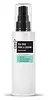
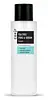
This oil-control emulsion is formulated around Camellia Sinensis Leaf Extract to balance excess oil and refine the look of pores.

What's inside
What's inside
 Key Ingredients
Benefits
Concerns
Ingredients Side-by-side
Water
Skin ConditioningGlycerin
Humectant


Butylene Glycol
Humectant
Sodium Hyaluronate
Humectant


Saccharide Isomerate
Humectant
Glyceryl Acrylate/Acrylic Acid Copolymer
HumectantPropylene Glycol
Humectant

Volcanic Rock
Abrasive

Polymethyl Methacrylate

Carbomer
Emulsion StabilisingTriethanolamine
BufferingAloe Barbadensis Leaf Extract
Emollient
Nelumbo Nucifera Seed Extract
Antimicrobial
Chrysanthemum Indicum Flower Extract
Skin Conditioning
Paullinia Cupana Fruit Extract
Skin ConditioningEuterpe Oleracea Fruit Extract
Allantoin
Skin Conditioning
Simmondsia Chinensis Seed Oil
Emollient

Rosa Canina Fruit Oil
Emollient
Limnanthes Alba Seed Oil
Skin Conditioning
Olea Europaea Fruit Oil
Masking

Macadamia Integrifolia Seed Oil
Skin Conditioning
Polysorbate 60
Emulsifying
Sorbitan Isostearate
Emulsifying
Hydrogenated Lecithin
Emulsifying
Butyrospermum Parkii Butter
Skin Conditioning
Orbignya Oleifera Seed Oil
Emollient
Dimethicone
Emollient
Isononyl Isononanoate
EmollientPanthenol
Skin Conditioning
Betaine
Humectant
PEG-60 Hydrogenated Castor Oil
Emulsifying
Disodium EDTA
ChelatingGlycereth-26
Humectant
Melaleuca Alternifolia Leaf Extract
Perfuming
Panax Ginseng Root Extract
Emollient
Camellia Sinensis Leaf Extract
Antimicrobial

Honey
Humectant
Rosa Multiflora Fruit Extract
MaskingGardenia Florida Fruit Extract
Skin ConditioningScutellaria Baicalensis Root Extract
Astringent
Ligustrum Japonicum Fruit Extract
Skin ConditioningElsholtzia Splendens Extract
Skin ConditioningSaururus Chinensis Extract
Skin ConditioningPortulaca Oleracea Extract
Skin Conditioning
Ecklonia Cava Extract
Skin Conditioning
Hyssopus Officinalis Extract
MaskingBuddleja Davidii Extract
Skin ConditioningAloe Vera Callus Extract
Antioxidant
Phaseolus Radiatus Meristem Cell Culture Extract
Skin ConditioningPhenoxyethanol
Preservative
Ethylhexylglycerin
Skin ConditioningParfum
Masking

Water, Glycerin, Butylene Glycol, Sodium Hyaluronate, Saccharide Isomerate, Glyceryl Acrylate/Acrylic Acid Copolymer, Propylene Glycol, Volcanic Rock, Polymethyl Methacrylate, Carbomer, Triethanolamine, Aloe Barbadensis Leaf Extract, Nelumbo Nucifera Seed Extract, Chrysanthemum Indicum Flower Extract, Paullinia Cupana Fruit Extract, Euterpe Oleracea Fruit Extract, Allantoin, Simmondsia Chinensis Seed Oil, Rosa Canina Fruit Oil, Limnanthes Alba Seed Oil, Olea Europaea Fruit Oil, Macadamia Integrifolia Seed Oil, Polysorbate 60, Sorbitan Isostearate, Hydrogenated Lecithin, Butyrospermum Parkii Butter, Orbignya Oleifera Seed Oil, Dimethicone, Isononyl Isononanoate, Panthenol, Betaine, PEG-60 Hydrogenated Castor Oil, Disodium EDTA, Glycereth-26, Melaleuca Alternifolia Leaf Extract, Panax Ginseng Root Extract, Camellia Sinensis Leaf Extract, Honey, Rosa Multiflora Fruit Extract, Gardenia Florida Fruit Extract, Scutellaria Baicalensis Root Extract, Ligustrum Japonicum Fruit Extract, Elsholtzia Splendens Extract, Saururus Chinensis Extract, Portulaca Oleracea Extract, Ecklonia Cava Extract, Hyssopus Officinalis Extract, Buddleja Davidii Extract, Aloe Vera Callus Extract, Phaseolus Radiatus Meristem Cell Culture Extract, Phenoxyethanol, Ethylhexylglycerin, Parfum
Water
Skin ConditioningSodium Polystyrene Sulfonate
Emulsion StabilisingButylene Glycol
Humectant
1,2-Hexanediol
Skin Conditioning
Dipropylene Glycol
HumectantSodium Hyaluronate
Humectant
Glycerin
Humectant
Hamamelis Virginiana Extract
Antiseborrhoeic
Glycereth-26
Humectant
Xanthan Gum
EmulsifyingBetaine
Humectant
PPG-26-Buteth-26
Skin ConditioningPEG-40 Hydrogenated Castor Oil
Emulsifying
Styrene/Vp Copolymer
Glyceryl Acrylate/Acrylic Acid Copolymer
HumectantPropylene Glycol
Humectant
Volcanic Rock
Abrasive
Centella Asiatica Extract
Cleansing
Melaleuca Alternifolia Leaf Extract
Perfuming
Glycyrrhiza Inflata Root Extract
Skin Conditioning
Camellia Sinensis Leaf Extract
Antimicrobial
Allantoin
Skin Conditioning
Portulaca Oleracea Extract
Skin Conditioning
Aloe Barbadensis Leaf Extract
Emollient
Panax Ginseng Root Extract
Emollient
Punica Granatum Fruit Extract
Antioxidant
Paeonia Lactiflora Extract
AstringentLilium Tigrinum Extract
Skin ConditioningNelumbium Speciosum Flower Extract
Skin ConditioningLonicera Japonica Flower Extract
Skin ConditioningChrysanthemum Indicum Flower Extract
Skin Conditioning
Cucurbita Pepo Fruit Extract
Skin Conditioning
Solanum Lycopersicum Fruit Extract
Antioxidant
Sophora Flavescens Root Extract
Antioxidant
Althaea Officinalis Leaf Extract
Skin ConditioningMyrciaria Dubia Fruit Extract
Skin ConditioningEuterpe Oleracea Fruit Extract
Disodium EDTA
ChelatingEthylhexylglycerin
Skin ConditioningParfum
Masking
Water, Sodium Polystyrene Sulfonate, Butylene Glycol, 1,2-Hexanediol, Dipropylene Glycol, Sodium Hyaluronate, Glycerin, Hamamelis Virginiana Extract, Glycereth-26, Xanthan Gum, Betaine, PPG-26-Buteth-26, PEG-40 Hydrogenated Castor Oil, Styrene/Vp Copolymer, Glyceryl Acrylate/Acrylic Acid Copolymer, Propylene Glycol, Volcanic Rock, Centella Asiatica Extract, Melaleuca Alternifolia Leaf Extract, Glycyrrhiza Inflata Root Extract, Camellia Sinensis Leaf Extract, Allantoin, Portulaca Oleracea Extract, Aloe Barbadensis Leaf Extract, Panax Ginseng Root Extract, Punica Granatum Fruit Extract, Paeonia Lactiflora Extract, Lilium Tigrinum Extract, Nelumbium Speciosum Flower Extract, Lonicera Japonica Flower Extract, Chrysanthemum Indicum Flower Extract, Cucurbita Pepo Fruit Extract, Solanum Lycopersicum Fruit Extract, Sophora Flavescens Root Extract, Althaea Officinalis Leaf Extract, Myrciaria Dubia Fruit Extract, Euterpe Oleracea Fruit Extract, Disodium EDTA, Ethylhexylglycerin, Parfum
Ingredients Explained
These ingredients are found in both products.
Ingredients higher up in an ingredient list are typically present in a larger amount.
Allantoin is a soothing ingredient known for its protective and moisturizing properties; it's basically a quiet workhorse ingredient you can find in a huge range of cosmetics.
Though it can be derived from the comfrey plant, allantoin is produced synthetically for cosmetic products to ensure purity.
Research shows it can encourage your skin cells to turn over and renew by stimulating keratinocyte and fibroblast proliferation.
It also has mild keratolytic properties to help loosen and shed dead skin cells without being harsh.
Studies also suggest allantoin can help calm inflammation by dialing down some of the chemical signals your skin sends out when it is irritated.
This ingredient is typically used in the 0.1-0.5% range, and the FDA recognizes it as a skin protectant in OTC products up to 2%.
Overall, allantoin is a wonderful addition to most routines; it is stable across a wide pH range (~4-8), works well with other ingredients, and is considered non-sensitizing/non-irritating.
Fun fact: Allantoin is naturally occurring in comfrey root, beets, chamomile, and wheat sprouts. Our bodies even produce it as a byproduct of uric acid metabolism.
Learn more about AllantoinAloe Barbadensis Leaf Extract is a botanical extract pulled from the leaves of aloe vera and one of the most studied plant ingredients in cosmetics.
The inner leaf gel it comes from is mostly water (~99-99.5%) and the remaining fraction is made up of pretty good stuff: polysaccharides, vitamins, phenolics, and enzymes.
Its headline job is hydration.
The star polysaccharide in aloe, acemannan, is a humectant that retains moisture and helps reduce trans-epidermal water loss.
Aloe also has real soothing credentials; it contains anti-inflammatory compounds like bradykinase and C-glucosyl chromone that help calm irritation and redness.
On the repair side, lab work shows that acemannan wakes up your skin's repair cells (fibroblasts), prompting them to multiply and speed up healing.
There's some human data for cosmetic benefit too: a cream containing 10% Aloe Barbadensis leaf extract improved skin hydration and elasticity in a real-use study.
Safety-wise, this ingredient is well-regarded with just one rare downside; there have been some case reports of acute eczema, contact urticaria, and dermatitis in people who applied aloe-derived ingredients topically. Those with a known aloe or Liliaceae sensitivity should patch test.
Typical use levels range widely, from under 1% up to 90%+ depending on the format and the effect you are after.
Learn more about Aloe Barbadensis Leaf ExtractBetaine is a humectant. Like hyaluronic acid, it helps attract and retain moisture in the skin. It’s known for being gentle and for helping the skin maintain balanced hydration.
Betaine is mainly used to improve hydration and support calmer skin. It helps skin cells regulate water balance because it functions as an osmolyte.
Some studies suggest betaine may support making skin tone more even.
Fun fact: Betaine naturally exists in the skin and the body. In cosmetic products, it can be either plant-derived (most commonly from sugar beets) or synthetically produced for consistency and stability.
Betaine is also known as trimethylglycine.
Learn more about BetaineButylene Glycol (or BG) is used within cosmetic products for a few different reasons:
Overall, Butylene Glycol is a safe and well-rounded ingredient that works well with other ingredients.
Though this ingredient works well with most skin types, some people with sensitive skin may experience a reaction such as allergic rashes, closed comedones, or itchiness.
Learn more about Butylene GlycolCamellia Sinensis Leaf Extract (tea extract) is one of the most well-researched plant extracts in skincare with an impressive resume.
Black tea, green tea, and oolong tea are all harvested from the Camellia Sinensis plant.
Studies show green tea extract and its catechins (like epigallocatechin gallate (EGCG)) help your skin cells product energy more efficiently and reducing the number of free-radicals that can damage your skin from the inside.
In lab-grown skin models, this translated to younger, healthier, and stronger skin.
There's also good sun protection data; researchers saw less DNA damage and redness on human skin when green tea was applied before UVB exposure. And the more they applied, the better the protection.
Needless to say, this ingredient shouldn't replace your sunscreen. But it is a great supportive ingredient that you can already find in many sunscreens and antioxidant serums.
A 2009 study found a 2% green tea lotion was effective for mild-to-moderate acne thanks to its anti-inflammatory and mild antimicrobial activity.
The quality of the extract matters a lot here:
Good extracts contain 50-90% catechins while lower quality ones are mostly there for marketing. We recommend reaching out to the brand if you have questions about the quality or source of their ingredients.
Human Repeated Insult Patch Testing showed no irritation or sensitization at use concentrations (0.86% in leave-on products and up to 30% as leaf water).
Learn more about Camellia Sinensis Leaf ExtractChrysanthemum Indicum Flower Extract comes from the flowering chrysanthemum plant. These plants are native to Asia.
This chrysanthemum has anti-inflammatory and antioxidant properties. It also contains camphor, a fragranted wax.
Disodium EDTA is a chelating agent. It grabs onto and deactivates metal ions that sneak into your products from water, packaging, or air.
This ingredient mainly works behind the scenes and helps with:
On top of that, this ingredient can counteract the effects of hard water by binding to the minerals in it.
One thing worth knowing is that Disodium EDTA has been shown to be a mild penetration enhancer. It can help other ingredients absorb into skin more effectively which can be a double-edged sword (great for actives, but can also make the active too strong if you have sensitive skin).
Clinical patch testing showed no significant skin irritation at typical use concentrations and minimal dermal absorption.
You'll most likely see this ingredient near the end of an ingredient list. It's typically found in concentrations less than 1%.
Learn more about Disodium EDTAEthylhexylglycerin is created from glycerin. It is a multitasker ingredient that:
The CIR Expert Panel found minimal skin absorption or sensitization of any kind in a safety assessment. Though this ingredient is considered well-tolerated, a small number of cases of allergic dermatitis have been published since 2002. Just be sure to patch test if you are unsure.
Industry-reported use ranges from 8% in rinse-off products and 2% in leave-on formulations.
Learn more about EthylhexylglycerinThis extract comes from the Cabbage Palm, AKA the Açaí berry! It has skin soothing and antioxidant properties.
Acai berries are rich in antioxidants, including ferulic acid (The famous vitamin C stabilizer). Antioxidants protect your skin against damaging free-radical molecules.
You can also find carbohydrates, lipids, proteins, minerals, vitamin A, and Vitamin C in these berries.
Learn more about Euterpe Oleracea Fruit ExtractGlycereth-26 is a synthetic ingredient and polyethylene glycol ether of Glycerin. Glycerin is already naturally found in your skin and helps keep your skin moisturized.
It is a humectant and helps add texture to products. It can make your product thicker.
As a humectant, it helps draw moisture from the air to your skin. This helps your skin stay hydrated.
Learn more about Glycereth-26Glycerin (or glycerol) is a compound naturally found in your skin. It's a powerhouse humectant that pulls water into the stratum corneum.
Topically, glycerin does several things at once:
Your skin makes glycerin on its own (mostly from sebaceous oil breakdown) and shuttles it to your outermost layer of skin, or your epidermis, via aquaporin-3.
Aquaporin-3 is a transporter that is essential for normal skin hydration, elasticity, and repair. Interestingly, mice lacking in AQP3 have dry and less elastic skin that can be fully corrected with glycerin.
This ingredient is non-irritating, plays well with almost every ingredient, and works across all skin types. Typical use is anywhere between 3-10% but can go up to 79% in some leave-on products.
Just know very high concentrations (>40%) can feel tacky in low humidity.
Glycerin is the name for this ingredient in American English. British English uses Glycerol/Glycerine.
Learn more about GlycerinGlyceryl Acrylate/Acrylic Acid Copolymer is made up of glycerin and polyacrylic acid. It helps hydrate your skin as a humectant.
This ingredient forms a hydrogel that delivers moisturizing, water-based ingredients to the skin. It is also used to thicken a product and to give it a smooth texture.
Acrylic acid itself is toxic, but the polymer form (this ingredient) is too large to penetrate skin, making it non-toxic.
Learn more about Glyceryl Acrylate/Acrylic Acid CopolymerMelaleuca Alternifolia Leaf Extract comes from the Tea Tree, Melaleuca alternifolia, Myrtaceae. This tea tree is native to Australia.
Tea Leaf extract contains antimicrobial and anti-acne properties.
This ingredient has perfuming properties and contains linalool and limonene. These fragrance and terpinen components can cause skin sensitivity.
Learn more about the benefits of Tea Tree Oil here.
Learn more about Melaleuca Alternifolia Leaf ExtractGinseng root is a well-loved ingredient in Asian skincare for good reason. It hydrates the skin, soothes irritation, and helps even out skin tone.
In traditional East Asian medicine, ginseng has been used for centuries both as food and as a healing remedy, and modern research continues to confirm its skin benefits.
One of the standout features of ginseng is its ability to improve blood circulation and oxygen delivery to the skin, bringing a fresh supply of nutrients to support overall skin health. It also has antioxidant and anti-inflammatory properties. This helps to protect your skin against damage from UV exposure, pollution, and daily stress.
Additionally, studies suggest that ginseng may help reduce hyperpigmentation by inhibiting tyrosinase, the enzyme involved in melanin production.
There are different types of ginseng used in skincare, and while they all share core benefits, their potency can vary.
Most products use fresh or white ginseng because it’s more affordable. However, red ginseng, produced by steaming the root, contains higher levels of ginsenosides, which are compounds with proven anti-aging effects. These ginsenosides help reduce the appearance of wrinkles and improve skin elasticity.
Note: All forms of ginseng are listed simply as “Panax ginseng” in ingredient lists. We recommend reaching out to the brand if you have questions about which type of ginseng is used in their ingredients.
For general antioxidant benefits, any ginseng extract will do, but for wrinkle care or firmer skin, red or fermented ginseng is often more effective.
In short, ginseng is a powerhouse ingredient that supports hydration, radiance, and resilience.
Learn more about Panax Ginseng Root ExtractParfum is a catch-all term for an ingredient or more that is used to give a scent to products.
Also called "fragrance", this ingredient can be a blend of hundreds of chemicals or plant oils. This means every product with "fragrance" or "parfum" in the ingredients list is a different mixture.
For instance, Habanolide is a proprietary trade name for a specific aroma chemical. When used as a fragrance ingredient in cosmetics, most aroma chemicals fall under the broad labeling category of “FRAGRANCE” or “PARFUM” according to EU and US regulations.
The term 'parfum' or 'fragrance' is not regulated in many countries. In many cases, it is up to the brand to define this term.
For instance, many brands choose to label themselves as "fragrance-free" because they are not using synthetic fragrances. However, their products may still contain ingredients such as essential oils that are considered a fragrance by INCI standards.
One example is Calendula flower extract. Calendula is an essential oil that still imparts a scent or 'fragrance'.
Depending on the blend, the ingredients in the mixture can cause allergies and sensitivities on the skin. Some ingredients that are known EU allergens include linalool and citronellol.
Parfum can also be used to mask or cover an unpleasant scent.
The bottom line is: not all fragrances/parfum/ingredients are created equally. If you are worried about fragrances, we recommend taking a closer look at an ingredient. And of course, we always recommend speaking with a professional.
Learn more about ParfumThis extract comes from Purslane, a succulent. It has anti-inflammatory, antioxidant, and hydrating properties.
Purslane is very nutritious. It contains omega-3 fatty acids, NMFs, many vitamins, minerals, and antioxidants. The vitamins found in purslane include: Vitamin C, Vitamin A, and Vitamin E.
Fun fact: Purslane is a succulent with an extensive habitat. It is used in traditional Korean medicine to treat irritated skin.
Nowadays, purslane is becoming a superfood due to its highly nutritious content.
Learn more about Portulaca Oleracea ExtractPropylene Glycol is a synthetic, colorless, odorless liquid that has been a staple in cosmetics for decades. It is a skin conditioning agent, humectant, and solvent.
As a humectant, it draw water to the skin to reduce flaking and restore suppleness. It's also a solvent that helps dissolve other actives and keeps formulas stable across temperature changes.
The CIR Expert Panel has confirmed this ingredient to be nontoxic and clinical studies show no sensitization at cosmetic use concentrations.
True allergic reactions are quite rare: a 15-year retrospective study of 6,751 patients found only 0.31% had a positive reaction (and less than half were considered clinically relevant).
It seemed that when sensitization does occur, it's most commonly linked to topical medication (like corticosteroids) and not cosmetics. Allergic contact dermatitis also appears largely limited to individuals with underlying skin conditions.
Overall, propylene glycol is a well-studied ingredient that most people can tolerate without issue.
Learn more about Propylene GlycolSodium Hyaluronate is the salt form of hyaluronic acid. It is a long sugar chain that is naturally found in your skin, joints, and connective tissue that maintains hydration and elasticity.
In skincare, it works as a humectant. It pulls water from the environment and deeper layers of skin and binds it to the surface.
Interestingly, the size of the molecule affects its behavior:
Some clinical evidence links low molecular weight versions to improved wrinkle depth, elasticity, anti-inflammatory effects, and barrier repair.
Many serums use a blend of both weights so you can get surface hydration plus longer-lasting and deeper effects.
You'll typically see concentrations between 0.1-2% for this ingredient.
Learn more about Sodium HyaluronateVolcanic Rock is an exfoliant and is an antioxidant.
Water. It's the most common cosmetic ingredient of all. You'll usually see it at the top of ingredient lists, meaning that it makes up the largest part of the product.
So why is it so popular? Water most often acts as a solvent - this means that it helps dissolve other ingredients into the formulation.
You'll also recognize water as that liquid we all need to stay alive. If you see this, drink a glass of water. Remember to stay hydrated!
Learn more about Water

