
What's inside
What's inside
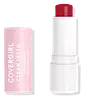 Key Ingredients
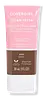
Benefits
Concerns
Ingredients Side-by-side
Polybutene
Hydrogenated Polyisobutene
EmollientOctyldodecanol
Emollient
Polyethylene
Abrasive

Caprylic/Capric Triglyceride
Masking


Hydrogenated Poly(C6-14 Olefin)
EmollientDicalcium Phosphate
Abrasive
Microcrystalline Wax
Emulsion StabilisingSynthetic Wax
Abrasive
Stearalkonium Bentonite
Gel FormingPentaerythrityl Tetra-Di-T-Butyl Hydroxyhydrocinnamate
Antioxidant
Propylene Carbonate
SolventPunica Granatum Extract
AstringentRicinus Communis Seed Oil
Masking



Sodium Hyaluronate
Humectant


Mica
Cosmetic ColorantHydrogenated Castor Oil
Emollient
Synthetic Fluorphlogopite
Silica
Abrasive

Tin Oxide
Abrasive
CI 77491
Cosmetic ColorantCI 77492
Cosmetic ColorantCI 77499
Cosmetic ColorantCI 77891
Cosmetic ColorantCI 15850
Cosmetic ColorantCI 19140
Cosmetic ColorantCI 45410
Cosmetic ColorantCI 42090
Cosmetic ColorantPolybutene, Hydrogenated Polyisobutene, Octyldodecanol, Polyethylene, Caprylic/Capric Triglyceride, Hydrogenated Poly(C6-14 Olefin), Dicalcium Phosphate, Microcrystalline Wax, Synthetic Wax, Stearalkonium Bentonite, Pentaerythrityl Tetra-Di-T-Butyl Hydroxyhydrocinnamate, Propylene Carbonate, Punica Granatum Extract, Ricinus Communis Seed Oil, Sodium Hyaluronate, Mica, Hydrogenated Castor Oil, Synthetic Fluorphlogopite, Silica, Tin Oxide, CI 77491, CI 77492, CI 77499, CI 77891, CI 15850, CI 19140, CI 45410, CI 42090
Water
Skin ConditioningCyclopentasiloxane
Emollient
Glycerin
Humectant
Phenyl Trimethicone
Skin Conditioning
Trimethylsiloxysilicate
Emollient
Acetyl Glucosamine
Skin Conditioning

Niacinamide
Smoothing



Sodium Chloride
MaskingAluminum Starch Octenylsuccinate
Absorbent
PEG/PPG-18/18 Dimethicone
Emulsifying
Mica
Cosmetic ColorantAmmonium Acrylates Copolymer
Phenoxyethanol
Preservative
Tocopheryl Acetate
Antioxidant
Panthenol
Skin Conditioning
Caprylyl Glycol
Emollient
1,2-Hexanediol
Skin Conditioning
Sodium Benzoate
Masking
Alcohol Denat.
Antimicrobial


Dimethicone
Emollient
Methicone
Emollient
Disodium Deceth-6 Sulfosuccinate
CleansingTocopherol
Antioxidant
Laureth-30
CleansingCocos Nucifera Oil
Masking
Glycine Soja Oil
Emollient
Aloe Barbadensis Leaf Juice
Skin Conditioning
Sodium Dehydroacetate
Preservative
Pentylene Glycol
Skin Conditioning
Cocos Nucifera Fruit Extract
Emollient
PEG-60 Hydrogenated Castor Oil
Emulsifying
Citric Acid
Buffering
Fructose
Humectant
Sodium Hydroxide
BufferingUrea
Buffering
Allantoin
Skin Conditioning
Maltose
MaskingSodium Lactate
Buffering
Sodium PCA
Humectant
Trehalose
Humectant
Phenethyl Alcohol
MaskingPotassium Sorbate
Preservative
Glucose
Humectant
Silybum Marianum Seed Extract
Skin ConditioningSodium Hyaluronate
Humectant
Helianthus Annuus Seed Oil
Emollient
Rosmarinus Officinalis Leaf Extract
AntimicrobialLimonene
Perfuming
Linalool
Perfuming
CI 77891
Cosmetic ColorantIron Oxides
Water, Cyclopentasiloxane, Glycerin, Phenyl Trimethicone, Trimethylsiloxysilicate, Acetyl Glucosamine, Niacinamide, Sodium Chloride, Aluminum Starch Octenylsuccinate, PEG/PPG-18/18 Dimethicone, Mica, Ammonium Acrylates Copolymer, Phenoxyethanol, Tocopheryl Acetate, Panthenol, Caprylyl Glycol, 1,2-Hexanediol, Sodium Benzoate, Alcohol Denat., Dimethicone, Methicone, Disodium Deceth-6 Sulfosuccinate, Tocopherol, Laureth-30, Cocos Nucifera Oil, Glycine Soja Oil, Aloe Barbadensis Leaf Juice, Sodium Dehydroacetate, Pentylene Glycol, Cocos Nucifera Fruit Extract, PEG-60 Hydrogenated Castor Oil, Citric Acid, Fructose, Sodium Hydroxide, Urea, Allantoin, Maltose, Sodium Lactate, Sodium PCA, Trehalose, Phenethyl Alcohol, Potassium Sorbate, Glucose, Silybum Marianum Seed Extract, Sodium Hyaluronate, Helianthus Annuus Seed Oil, Rosmarinus Officinalis Leaf Extract, Limonene, Linalool, CI 77891, Iron Oxides
Reviews
Ingredients Explained
These ingredients are found in both products.
Ingredients higher up in an ingredient list are typically present in a larger amount.
Ci 77891 is a white pigment from Titanium dioxide. It is naturally found in minerals such as rutile and ilmenite.
It's main function is to add a white color to cosmetics. It can also be mixed with other colors to create different shades.
Ci 77891 is commonly found in sunscreens due to its ability to block UV rays.
Learn more about CI 77891Mica is a naturally occurring mineral used to add shimmer and color in cosmetics. It can also help improve the texture of a product or give it an opaque, white/silver color.
Serecite is the name for very fine but ragged grains of mica.
This ingredient is often coated with metal oxides like titanium dioxide. Trace amounts of heavy metals may be found in mica, but these metals are not harmful in our personal products.
Mica has been used since prehistoric times throughout the world. Ancient Egyptian, Indian, Greek, Roman, Aztec, and Chinese civilizations have used mica.
Learn more about MicaSodium Hyaluronate is the salt form of hyaluronic acid. It is a long sugar chain that is naturally found in your skin, joints, and connective tissue that maintains hydration and elasticity.
In skincare, it works as a humectant. It pulls water from the environment and deeper layers of skin and binds it to the surface.
Interestingly, the size of the molecule affects its behavior:
Some clinical evidence links low molecular weight versions to improved wrinkle depth, elasticity, anti-inflammatory effects, and barrier repair.
Many serums use a blend of both weights so you can get surface hydration plus longer-lasting and deeper effects.
You'll typically see concentrations between 0.1-2% for this ingredient.
Learn more about Sodium Hyaluronate

