
What's inside
What's inside
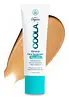 Key Ingredients
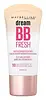
Benefits
Concerns
Ingredients Side-by-side
Zinc Oxide 10.5%
Cosmetic Colorant


Aloe Barbadensis Leaf Juice
Skin Conditioning


Caprylic/Capric Triglyceride
Masking

Butyloctyl Salicylate
Skin Conditioning
Polyglyceryl-4 Laurate/Succinate


Glycerin
Humectant
Methyl Methacrylate Crosspolymer
Poly C10-30 Alkyl Acrylate
Emulsion StabilisingSorbitan Oleate
Emulsifying

Trimethoxybenzylidene Pentanedione
Antioxidant
Arachidyl Alcohol
Emollient
Hydroxyethyl Acrylate/Sodium Acryloyldimethyl Taurate Copolymer
Emulsion StabilisingCarthamus Tinctorius Oleosomes
Emollient
Mauritia Flexuosa Fruit Oil
Skin Conditioning
Rubus Idaeus Seed Oil
Emollient
Limnanthes Alba Seed Oil
Skin Conditioning
Oenothera Biennis Oil
Emollient
Rosa Canina Seed Oil
Emollient
Helianthus Annuus Seed Oil
Emollient
Ricinus Communis Seed Oil
Masking
Opuntia Vulgaris Extract
Skin ConditioningBehenyl Alcohol
Emollient
Polyhydroxystearic Acid
Emulsifying
Isostearic Acid
Cleansing
Benzyl Alcohol
Perfuming




Arachidyl Glucoside
EmulsifyingXanthan Gum
Emulsifying1,2-Hexanediol
Skin Conditioning
Caprylyl Glycol
Emollient
Citric Acid
Buffering

Hydrogenated Polyisobutene
EmollientIron Oxides
CI 77891
Cosmetic ColorantSorbitan Isostearate
Emulsifying
CI 77492
Cosmetic ColorantCI 77491
Cosmetic ColorantDisteardimonium Hectorite
StabilisingCI 77499
Cosmetic ColorantPropylene Carbonate
SolventGluconolactone
Skin Conditioning




Sodium Benzoate
Masking
Zinc Oxide 10.5%, Aloe Barbadensis Leaf Juice, Caprylic/Capric Triglyceride, Butyloctyl Salicylate, Polyglyceryl-4 Laurate/Succinate, Glycerin, Methyl Methacrylate Crosspolymer, Poly C10-30 Alkyl Acrylate, Sorbitan Oleate, Trimethoxybenzylidene Pentanedione, Arachidyl Alcohol, Hydroxyethyl Acrylate/Sodium Acryloyldimethyl Taurate Copolymer, Carthamus Tinctorius Oleosomes, Mauritia Flexuosa Fruit Oil, Rubus Idaeus Seed Oil, Limnanthes Alba Seed Oil, Oenothera Biennis Oil, Rosa Canina Seed Oil, Helianthus Annuus Seed Oil, Ricinus Communis Seed Oil, Opuntia Vulgaris Extract, Behenyl Alcohol, Polyhydroxystearic Acid, Isostearic Acid, Benzyl Alcohol, Arachidyl Glucoside, Xanthan Gum, 1,2-Hexanediol, Caprylyl Glycol, Citric Acid, Hydrogenated Polyisobutene, Iron Oxides, CI 77891, Sorbitan Isostearate, CI 77492, CI 77491, Disteardimonium Hectorite, CI 77499, Propylene Carbonate, Gluconolactone, Sodium Benzoate
Titanium Dioxide
Cosmetic Colorant
Water
Skin ConditioningEthylhexyl Palmitate
Emollient
Glycerin
Humectant
Octyldodecanol
Emollient
Silica
Abrasive
Pentylene Glycol
Skin Conditioning
Octyldodecyl Xyloside
EmulsifyingPhenoxyethanol
Preservative
Sodium Acrylate/Sodium Acryloyldimethyl Taurate Copolymer
Emulsion StabilisingHydrogenated Lecithin
Emulsifying
Isohexadecane
EmollientHydroxyethyl Acrylate/Sodium Acryloyldimethyl Taurate Copolymer
Emulsion StabilisingPEG-30 Dipolyhydroxystearate
Emulsifying
Sodium Dehydroacetate
Preservative
Pentaerythrityl Tetra-Di-T-Butyl Hydroxyhydrocinnamate
Antioxidant
Caprylyl Glycol
Emollient
Disodium EDTA
Citric Acid
Buffering
Polysorbate 80
Emulsifying
Potassium Sorbate
Preservative
Propylene Glycol
Humectant
Chamomilla Recutita Flower Extract
Masking
Aloe Barbadensis Leaf Extract
Emollient
Iron Oxides
Titanium Dioxide, Water, Ethylhexyl Palmitate, Glycerin, Octyldodecanol, Silica, Pentylene Glycol, Octyldodecyl Xyloside, Phenoxyethanol, Sodium Acrylate/Sodium Acryloyldimethyl Taurate Copolymer, Hydrogenated Lecithin, Isohexadecane, Hydroxyethyl Acrylate/Sodium Acryloyldimethyl Taurate Copolymer, PEG-30 Dipolyhydroxystearate, Sodium Dehydroacetate, Pentaerythrityl Tetra-Di-T-Butyl Hydroxyhydrocinnamate, Caprylyl Glycol, Disodium EDTA, Citric Acid, Polysorbate 80, Potassium Sorbate, Propylene Glycol, Chamomilla Recutita Flower Extract, Aloe Barbadensis Leaf Extract, Iron Oxides
Reviews
Ingredients Explained
These ingredients are found in both products.
Ingredients higher up in an ingredient list are typically present in a larger amount.
Caprylyl Glycol is a humectant, skin conditioner, emollient, and preservative booster derived from either caprylic acid or synthetically created.
Typical use levels vary from 0.3-1% as a preservative booster and go up to 2% to condition skin.
Because it is not a free-fatty acid, this ingredient is fungal acne safe (there's nothing for Malassezia to feed on).
Learn more about Caprylyl GlycolCitric Acid is an alpha hydroxy acid (AHA) naturally found in citrus fruits like oranges, lemons, and limes.
Like other AHAs, citric acid can exfoliate skin by breaking down the bonds that hold dead skin cells together. This helps reveal smoother and brighter skin underneath.
However, this exfoliating effect only happens at high concentrations (20%) which can be hard to find in cosmetic products.
Due to this, citric acid is usually included in small amounts as a pH adjuster. This helps keep products slightly more acidic and compatible with skin's natural pH.
In skincare formulas, citric acid can:
While it can provide some skin benefits, research shows lactic acid and glycolic acid are generally more effective and less irritating exfoliants.
Most citric acid used in skincare today is made by fermenting sugars (usually from molasses). This synthetic version is identical to the natural citrus form but easier to stabilize and use in formulations.
Read more about some other popular AHA's here:
Learn more about Citric AcidGlycerin (or glycerol) is a compound naturally found in your skin. It's a powerhouse humectant that pulls water into the stratum corneum.
Topically, glycerin does several things at once:
Your skin makes glycerin on its own (mostly from sebaceous oil breakdown) and shuttles it to your outermost layer of skin, or your epidermis, via aquaporin-3.
Aquaporin-3 is a transporter that is essential for normal skin hydration, elasticity, and repair. Interestingly, mice lacking in AQP3 have dry and less elastic skin that can be fully corrected with glycerin.
This ingredient is non-irritating, plays well with almost every ingredient, and works across all skin types. Typical use is anywhere between 3-10% but can go up to 79% in some leave-on products.
Just know very high concentrations (>40%) can feel tacky in low humidity.
Glycerin is the name for this ingredient in American English. British English uses Glycerol/Glycerine.
Learn more about GlycerinThis is a synthetic polymer. It helps improve the texture of products by adding thickness and gel-like feel.
It is also an emulsifer, meaning it prevents ingredients such as oil and water from separating. It also helps evenly disperse other ingredients.
This ingredient is a combination of red, black, and yellow iron oxide pigments. This combination of colors is usually found in foundation, because it results in a "skin" color.
The EU typically uses CI numbers for colorants when applicable, such as CI 77489. In the US, iron oxides are regulated as color additives and "iron oxides" is the most commonly used name in US cosmetic practice.
A 2021 paper looked at skincare formulations containing iron oxides and found that they reduced transmission of blue light when measured optically. In simple terms, the pigment particles helped block or scatter part of the visible light spectrum in lab testing and the authors suggest this could translate into better protection against blue-light-related skin effects.
There is also clinical and experimental research showing that tinted products containing iron oxides can reduce visible light-induced pigmentation:
Please note, whether a product reduces visible or blue light depends on things like:
In the EU's CosIng database, iron oxides are only listed as a colorant. CosIng groups ingredients by their main cosmetic role, such as colorant, preservative, or UV filter.
Though studies say iron oxides can "attenuate blue light", they're describing an optical property and not an officially recognized cosmetic function.
So CosIng isn’t contradicting the research. It’s just classifying iron oxides by what they officially are: pigments that add color.
Learn more about Iron Oxides

