

What's inside
What's inside
 Key Ingredients
Benefits
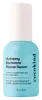
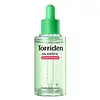
Ingredients Side-by-side
Water
Skin ConditioningGlycerin
Humectant


Propanediol
Solvent
Coco-Caprylate/Caprate
Emollient
Caprylic/Capric Triglyceride
Masking
Sodium Acrylates Copolymer
Pentylene Glycol
Skin Conditioning
Lecithin
Emollient
Caprylyl Glycol
Emollient
Ethylhexylglycerin
Skin ConditioningZinc PCA
Humectant




Sodium PCA
Humectant
Magnesium PCA
Humectant
Manganese PCA
HumectantXanthan Gum
EmulsifyingMaltodextrin
Absorbent
Hydrolyzed Glycosaminoglycans
HumectantSodium Hyaluronate
Humectant

Hyaluronic Acid
Humectant
Hydrolyzed Hyaluronic Acid
Humectant
Polyglutamic Acid
Skin Conditioning
Beta-Glucan
Skin Conditioning
Tremella Fuciformis Polysaccharide
Emulsion Stabilising
Pullulan
Sclerotium Gum
Emulsion StabilisingSilica
Abrasive
Glyceryl Acrylate/Acrylic Acid Copolymer
HumectantChlamydomonas Extract
Skin ConditioningWater, Glycerin, Propanediol, Coco-Caprylate/Caprate, Caprylic/Capric Triglyceride, Sodium Acrylates Copolymer, Pentylene Glycol, Lecithin, Caprylyl Glycol, Ethylhexylglycerin, Zinc PCA, Sodium PCA, Magnesium PCA, Manganese PCA, Xanthan Gum, Maltodextrin, Hydrolyzed Glycosaminoglycans, Sodium Hyaluronate, Hyaluronic Acid, Hydrolyzed Hyaluronic Acid, Polyglutamic Acid, Beta-Glucan, Tremella Fuciformis Polysaccharide, Pullulan, Sclerotium Gum, Silica, Glyceryl Acrylate/Acrylic Acid Copolymer, Chlamydomonas Extract
Water
Skin ConditioningGlycerin
Humectant
Propanediol
Solvent
Dipropylene Glycol
HumectantNiacinamide
Smoothing



1,2-Hexanediol
Skin Conditioning
Panthenol
Skin Conditioning
Centella Asiatica Extract
Cleansing
Madecassic Acid
Skin Conditioning
Asiaticoside
Antioxidant
Asiatic Acid
Skin Conditioning
Madecassoside
Antioxidant
Allantoin
Skin Conditioning
Swertia Japonica Extract
Skin ConditioningNymphaea Caerulea Flower Extract
Skin ConditioningLactobacillus Ferment
Skin Conditioning
Althaea Rosea Flower Extract
Skin ConditioningSodium Hyaluronate
Humectant
Hydrolyzed Hyaluronic Acid
Humectant
Hyaluronic Acid
Humectant
Hydroxypropyltrimonium Hyaluronate
Potassium Hyaluronate
Skin ConditioningSodium Hyaluronate Crosspolymer
Humectant
Sodium Acetylated Hyaluronate
Humectant
Zinc Hydrolyzed Hyaluronate
HumectantCalcium Pantothenate
Succinic Acid
BufferingGluconic Acid
Capryloyl Salicylic Acid
Exfoliating
Zinc PCA
Humectant
Palmitoyl Dipeptide-7
Skin Conditioning
Dipeptide-2
Skin Conditioning
Dipotassium Glycyrrhizate
Humectant
Pentylene Glycol
Skin Conditioning
Sodium Stearoyl Glutamate
CleansingAcetyl Glucosamine
Skin Conditioning
Glyceryl Glucoside
Humectant
Isopentyldiol
Humectant
2,3-Butanediol
HumectantOctyldodecanol
Emollient
Glyceryl Acrylate/Acrylic Acid Copolymer
HumectantPvm/Ma Copolymer
Emulsion StabilisingCaproic Acid
Cleansing
Polyglyceryl-4 Oleate
Emulsifying
Sorbitan Stearate
Emulsifying
Polyglycerin-3
Humectant
Phytosterols
Skin Conditioning
Sodium Surfactin
CleansingCarbomer
Emulsion StabilisingXanthan Gum
EmulsifyingTromethamine
BufferingSodium Acetate
BufferingEthylhexylglycerin
Skin ConditioningCoptis Chinensis Root Extract
Antioxidant
Malachite Extract
Antioxidant
Water, Glycerin, Propanediol, Dipropylene Glycol, Niacinamide, 1,2-Hexanediol, Panthenol, Centella Asiatica Extract, Madecassic Acid, Asiaticoside, Asiatic Acid, Madecassoside, Allantoin, Swertia Japonica Extract, Nymphaea Caerulea Flower Extract, Lactobacillus Ferment, Althaea Rosea Flower Extract, Sodium Hyaluronate, Hydrolyzed Hyaluronic Acid, Hyaluronic Acid, Hydroxypropyltrimonium Hyaluronate, Potassium Hyaluronate, Sodium Hyaluronate Crosspolymer, Sodium Acetylated Hyaluronate, Zinc Hydrolyzed Hyaluronate, Calcium Pantothenate, Succinic Acid, Gluconic Acid, Capryloyl Salicylic Acid, Zinc PCA, Palmitoyl Dipeptide-7, Dipeptide-2, Dipotassium Glycyrrhizate, Pentylene Glycol, Sodium Stearoyl Glutamate, Acetyl Glucosamine, Glyceryl Glucoside, Isopentyldiol, 2,3-Butanediol, Octyldodecanol, Glyceryl Acrylate/Acrylic Acid Copolymer, Pvm/Ma Copolymer, Caproic Acid, Polyglyceryl-4 Oleate, Sorbitan Stearate, Polyglycerin-3, Phytosterols, Sodium Surfactin, Carbomer, Xanthan Gum, Tromethamine, Sodium Acetate, Ethylhexylglycerin, Coptis Chinensis Root Extract, Malachite Extract
Reviews
Ingredients Explained
These ingredients are found in both products.
Ingredients higher up in an ingredient list are typically present in a larger amount.
Ethylhexylglycerin is created from glycerin. It is a multitasker ingredient that:
The CIR Expert Panel found minimal skin absorption or sensitization of any kind in a safety assessment. Though this ingredient is considered well-tolerated, a small number of cases of allergic dermatitis have been published since 2002. Just be sure to patch test if you are unsure.
Industry-reported use ranges from 8% in rinse-off products and 2% in leave-on formulations.
Learn more about EthylhexylglycerinGlycerin (or glycerol) is a compound naturally found in your skin. It's a powerhouse humectant that pulls water into the stratum corneum.
Topically, glycerin does several things at once:
Your skin makes glycerin on its own (mostly from sebaceous oil breakdown) and shuttles it to your outermost layer of skin, or your epidermis, via aquaporin-3.
Aquaporin-3 is a transporter that is essential for normal skin hydration, elasticity, and repair. Interestingly, mice lacking in AQP3 have dry and less elastic skin that can be fully corrected with glycerin.
This ingredient is non-irritating, plays well with almost every ingredient, and works across all skin types. Typical use is anywhere between 3-10% but can go up to 79% in some leave-on products.
Just know very high concentrations (>40%) can feel tacky in low humidity.
Glycerin is the name for this ingredient in American English. British English uses Glycerol/Glycerine.
Learn more about GlycerinGlyceryl Acrylate/Acrylic Acid Copolymer is made up of glycerin and polyacrylic acid. It helps hydrate your skin as a humectant.
This ingredient forms a hydrogel that delivers moisturizing, water-based ingredients to the skin. It is also used to thicken a product and to give it a smooth texture.
Acrylic acid itself is toxic, but the polymer form (this ingredient) is too large to penetrate skin, making it non-toxic.
Learn more about Glyceryl Acrylate/Acrylic Acid CopolymerHyaluronic acid (HA) is a glycosaminoglycan (basically a long sugar chain) that your skin already makes on its own. In your skin, HA lives in the extracellular matrix and acts as the body's moisture reservoir.
Topically, HA is a humectant that binds water and helps skin look more plump, smooth, and hydrated.
The only catch is that HA isn't a single thing; it actually comes in a wide range of molecular weights (~50 - 2,000+ kDA) and size matters.
Some clinical evidence links low molecular weight versions to improved wrinkle depth, elasticity, anti-inflammatory effects, and barrier repair.
This is why the best HA serums blend the two sizes together so you get the best of both worlds.
The majority of cosmetic HA is produced by bacterial fermentation, typically using Streptococcus or Bacillus strains. Typical use levels in skincare sit around 0.1-2%.
A clinical study using a 0.2% low-molecular weight HA gel showed improvement in facial seborrheic dermatitis with excellent tolerance.
These are some other common types of Hyaluronic Acid:
Learn more about Hyaluronic AcidHydrolyzed Hyaluronic Acid is hyaluronic acid (HA) that is broken down into lower molecular weight fragments.
It's a humectant that pulls and holds water in the skin to help with hydration, plumpness, and reduce transepidermal water loss.
Because hydrolyzed hyaluronic acid is smaller in size, it can slip past your outermost layer of skin more easily than full-sized HA.
Most formulations will combine all sizes to get the best of both worlds.
Typical usage levels range from 0.01-1%. Any percentage higher than 2% might become goopy and tacky.
Learn more about Hydrolyzed Hyaluronic AcidPentylene Glycol (1,2-pentanediol) is a multitasking little diol with three main roles in a formula:
Research on alkanediols (the family pentylene glycol belongs to) show they work by disrupting microbial cell membranes. This disruption helps the primary preservative system in a product work more effectively at lower doses.
On the safety side, the Cosmetic Ingredient Review Expert Panel has concluded this ingredient to be safe as used in current cosmetic practices + concentrations.
Typical use levels in a formula run about 1-5%.
Learn more about Pentylene GlycolPropanediol is an all-star ingredient. It softens, hydrates, and smooths the skin.
It’s often used to:
Propanediol is not likely to cause sensitivity and considered safe to use. It is derived from corn or petroleum with a clear color and no scent.
Learn more about PropanediolSodium Hyaluronate is the salt form of hyaluronic acid. It is a long sugar chain that is naturally found in your skin, joints, and connective tissue that maintains hydration and elasticity.
In skincare, it works as a humectant. It pulls water from the environment and deeper layers of skin and binds it to the surface.
Interestingly, the size of the molecule affects its behavior:
Some clinical evidence links low molecular weight versions to improved wrinkle depth, elasticity, anti-inflammatory effects, and barrier repair.
Many serums use a blend of both weights so you can get surface hydration plus longer-lasting and deeper effects.
You'll typically see concentrations between 0.1-2% for this ingredient.
Learn more about Sodium HyaluronateWater. It's the most common cosmetic ingredient of all. You'll usually see it at the top of ingredient lists, meaning that it makes up the largest part of the product.
So why is it so popular? Water most often acts as a solvent - this means that it helps dissolve other ingredients into the formulation.
You'll also recognize water as that liquid we all need to stay alive. If you see this, drink a glass of water. Remember to stay hydrated!
Learn more about WaterXanthan gum is used as a stabilizer and thickener within cosmetic products. It helps give products a sticky, thick feeling - preventing them from being too runny.
On the technical side of things, xanthan gum is a polysaccharide - a combination consisting of multiple sugar molecules bonded together.
Xanthan gum is a pretty common and great ingredient. It is a natural, non-toxic, non-irritating ingredient that is also commonly used in food products.
Learn more about Xanthan GumZinc PCA is a clever two-in-one molecule: the zinc salt of pyrrolidone carboxylic acid (PCA).
Think of it as two useful things bonded together; the PCA half is one of your skin's own natural moisturizing factors (NMF) so it helps hold water in the upper layers. On the other hand, the zinc half does the heavy lifting on oil and bacteria.
The zinc part slows down an enzyme that turns testosterone into DHT, the hormone that tells your oil glands to pump out more sebum. Less of that signal means less oil. It also gently fights acne-causing bacteria and soothes redness/irritation.
This is why Zinc PCA often shows up in products for oily, breakout-prone skin and greasy scalps.
One lab study also hinted it might have a small anti-aging perk because it seemed to protect collagen from UVA damage and even helped the skin make a bit more of it. That last bit is still early research done in a dish and not real skin, so take it as a nice bonus rather than a promise for now.
As for scar healing, the picture is more "maybe" than a firm yes. Zinc itself plays a real role in wound repair because it is a cofactor for the enzymes involved in collagen building, calming inflammation, and helping new skin cells cover a wound. Lower zinc levels are also linked to slower healing.
Most of the scar healing research is on zinc oxide or oral zinc rather than zinc PCA specifically, with a focus on healing fresh wounds instead of scars that are already there.
Direct evidence that zinc PCA improves the look of established scars is still limited at this time. Though it would be fair to say zinc PCA supports the general skin-repair environment thanks to its zinc content .
This ingredient is water-soluble and plays nicely with other actives like niacinamide and salicylic acid. It works best at mildly acidic formulas (~4-6 pH) and is effective at low levels. Around 0.1% is enough to be active and finished products commonly use it anywhere up to 4%.
Overall, this is a well-tolerated, low-drama multitasker that suits oily and acne-prone skin.
Learn more about Zinc PCA

