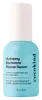
This hydrating serum is formulated around Zinc PCA and Sodium PCA to hydrate skin and strengthen the skin barrier.
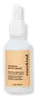
This barrier-repair serum is formulated around Aloe Barbadensis Leaf Juice and Beta-Glucan to strengthen the skin barrier and hydrate skin.

What's inside
What's inside
 Key Ingredients
Benefits
Concerns
No concerns
Ingredients Side-by-side
Water
Skin ConditioningGlycerin
Humectant


Propanediol
Solvent
Coco-Caprylate/Caprate
Emollient
Caprylic/Capric Triglyceride
Masking
Sodium Acrylates Copolymer
Pentylene Glycol
Skin Conditioning
Lecithin
Emollient
Caprylyl Glycol
Emollient
Ethylhexylglycerin
Skin ConditioningZinc PCA
Humectant




Sodium PCA
Humectant
Magnesium PCA
Humectant
Manganese PCA
HumectantXanthan Gum
EmulsifyingMaltodextrin
Absorbent
Hydrolyzed Glycosaminoglycans
HumectantSodium Hyaluronate
Humectant

Hyaluronic Acid
Humectant
Hydrolyzed Hyaluronic Acid
Humectant
Polyglutamic Acid
Skin Conditioning
Beta-Glucan
Skin Conditioning
Tremella Fuciformis Polysaccharide
Emulsion Stabilising
Pullulan
Sclerotium Gum
Emulsion StabilisingSilica
Abrasive
Glyceryl Acrylate/Acrylic Acid Copolymer
HumectantChlamydomonas Extract
Skin ConditioningWater, Glycerin, Propanediol, Coco-Caprylate/Caprate, Caprylic/Capric Triglyceride, Sodium Acrylates Copolymer, Pentylene Glycol, Lecithin, Caprylyl Glycol, Ethylhexylglycerin, Zinc PCA, Sodium PCA, Magnesium PCA, Manganese PCA, Xanthan Gum, Maltodextrin, Hydrolyzed Glycosaminoglycans, Sodium Hyaluronate, Hyaluronic Acid, Hydrolyzed Hyaluronic Acid, Polyglutamic Acid, Beta-Glucan, Tremella Fuciformis Polysaccharide, Pullulan, Sclerotium Gum, Silica, Glyceryl Acrylate/Acrylic Acid Copolymer, Chlamydomonas Extract
Aloe Barbadensis Leaf Juice
Skin Conditioning
Water
Skin ConditioningPropanediol
Solvent
Glycerin
Humectant
Simmondsia Chinensis Seed Oil
Emollient


Squalane
Emollient
Beta-Glucan
Skin Conditioning
Lysolecithin
EmulsifyingSclerotium Gum
Emulsion StabilisingPullulan
Xanthan Gum
EmulsifyingCeramide NP
Skin Conditioning
Ceramide Ns
Skin Conditioning
Ceramide AP
Skin Conditioning
Ceramide Eos
Skin Conditioning
Ceramide EOP
Skin Conditioning
Sodium Levulinate
Skin ConditioningSodium Anisate
AntimicrobialTocopherol
Antioxidant



Cetyl Alcohol
Emollient
Caprylyl Glycol
Emollient
Ceteareth-25
CleansingSilica
Abrasive
Caprooyl Phytosphingosine
Skin Conditioning
Caprooyl Sphingosine
Skin ConditioningCholesterol
Emollient
Helianthus Annuus Seed Oil
Emollient
Glyceryl Caprylate
EmollientPhenoxyethanol
Preservative
Sodium Benzoate
Masking
Ethylhexylglycerin
Skin Conditioning1,2-Hexanediol
Skin Conditioning
Citric Acid
Buffering
Behenic Acid
Cleansing
Aloe Barbadensis Leaf Juice, Water, Propanediol, Glycerin, Simmondsia Chinensis Seed Oil, Squalane, Beta-Glucan, Lysolecithin, Sclerotium Gum, Pullulan, Xanthan Gum, Ceramide NP, Ceramide Ns, Ceramide AP, Ceramide Eos, Ceramide EOP, Sodium Levulinate, Sodium Anisate, Tocopherol, Cetyl Alcohol, Caprylyl Glycol, Ceteareth-25, Silica, Caprooyl Phytosphingosine, Caprooyl Sphingosine, Cholesterol, Helianthus Annuus Seed Oil, Glyceryl Caprylate, Phenoxyethanol, Sodium Benzoate, Ethylhexylglycerin, 1,2-Hexanediol, Citric Acid, Behenic Acid
Reviews
Ingredients Explained
These ingredients are found in both products.
Ingredients higher up in an ingredient list are typically present in a larger amount.
Beta-Glucan is a soluble polysaccharide (a chain of glucose sugars) sourced from the cells walls of oats, baker's yeast, mushrooms, and seaweed.
It's a rare ingredient that pulls double-duty as a heavy-duty hydrator and skin-soothing repair agent.
On the surface, it acts as a humectant that holds water in place and reduces moisture loss for a plumper, smoother feel, while its anti-inflammatory and antioxidant properties make it a great pick for calming redness or sensitive skin
The more interesting story is underneath:
Despite its large molecular size, oat beta-glucan has been shown to penetrate the epidermis and reach the dermis by slipping between skin cells. Here, it interacts with fibroblasts and macrophages to nudge collagen synthesis and support wound repair.
A small 2005 split-face clinical study of 27 subjects found topical beta-glucan produced measurable reductions in wrinkle depth, height, and roughness after 8 weeks of use.
It is worth noting the trial was small and the penetration testing used frozen, irradiated skin so the anti-aging data is encouraging rather than definitive.
This ingredient gets along with pretty much everything and is typically used around 0.1-1%.
Fungal acne: This ingredient is not a food source for the Malassezia yeast because it is a glucose polysaccharide with no fatty acid or ester component.
Learn more about Beta-GlucanCaprylyl Glycol is a humectant, skin conditioner, emollient, and preservative booster derived from either caprylic acid or synthetically created.
Typical use levels vary from 0.3-1% as a preservative booster and go up to 2% to condition skin.
Because it is not a free-fatty acid, this ingredient is fungal acne safe (there's nothing for Malassezia to feed on).
Learn more about Caprylyl GlycolEthylhexylglycerin is created from glycerin. It is a multitasker ingredient that:
The CIR Expert Panel found minimal skin absorption or sensitization of any kind in a safety assessment. Though this ingredient is considered well-tolerated, a small number of cases of allergic dermatitis have been published since 2002. Just be sure to patch test if you are unsure.
Industry-reported use ranges from 8% in rinse-off products and 2% in leave-on formulations.
Learn more about EthylhexylglycerinGlycerin (or glycerol) is a compound naturally found in your skin. It's a powerhouse humectant that pulls water into the stratum corneum.
Topically, glycerin does several things at once:
Your skin makes glycerin on its own (mostly from sebaceous oil breakdown) and shuttles it to your outermost layer of skin, or your epidermis, via aquaporin-3.
Aquaporin-3 is a transporter that is essential for normal skin hydration, elasticity, and repair. Interestingly, mice lacking in AQP3 have dry and less elastic skin that can be fully corrected with glycerin.
This ingredient is non-irritating, plays well with almost every ingredient, and works across all skin types. Typical use is anywhere between 3-10% but can go up to 79% in some leave-on products.
Just know very high concentrations (>40%) can feel tacky in low humidity.
Glycerin is the name for this ingredient in American English. British English uses Glycerol/Glycerine.
Learn more about GlycerinPropanediol is an all-star ingredient. It softens, hydrates, and smooths the skin.
It’s often used to:
Propanediol is not likely to cause sensitivity and considered safe to use. It is derived from corn or petroleum with a clear color and no scent.
Learn more about PropanediolPullulan is a low viscosity polysaccharide (a long chain carbohydrate) with binding and film forming properties when dissolved in water. It is used to create a "silicone-like" or silky feel in cosmetics without adding viscosity.
According to a manufacturer, this ingredient's ability to easily dissolves makes it a great carrier for active ingredients.
Due to it being edible and tasteless, you'll likely find this ingredient in breath freshener strips. This ingredient is produced from the starch of the fungus, Aureobasidium pullulans.
Pullulan is stable over a broad-range of pH.
Learn more about PullulanSclerotium Gum is a natural sugar-based fiber made by fermenting a fungus called Sclerotium rolfsii. It's often used as the plant-friendly alternative for synthetic thickeners like carbomer.
In skincare, it works as a thickener, gel former, and stabilizer that keeps heavy ingredients suspended so a product does not separate.
It is non-ionic and forms a triple helix in solution. This is just a fancy way of saying it builds a smooth, cushiony, and non-sticky gel that feels silkier than many other gums.
Another perk of this ingredient is that it is very sturdy and holds up across a wide pH range (~2-11). It's also good at resisting heat and hydrolysis.
Since it holds water at the skin surface, it can provide some light hydration as well.
Typical use levels are around 0.25-2%; formulators usually use 0.2-0.5% to thicken lotions and up to 2% for a firmer gel base.
This ingredient has been found safe in cosmetics with no meaningful evidence of skin sensitization.
Learn more about Sclerotium GumSilica, also known as silicon dioxide, is a naturally occurring mineral. It is used as a fine, spherical, and porous powder in cosmetics.
Though it has exfoliant properties, the function of silica varies depending on the product.
The unique structure of silica enhances the spreadability and adds smoothness, making it a great texture enhancer.
It is also used as an active carrier, emulsifier, and mattifier due to its ability to absorb excess oil.
In some products, tiny microneedles called spicules are made from silica or hydrolyzed sponge. When you rub them in, they lightly polish away dead skin layers and enhance the penetration of active ingredients.
Learn more about SilicaWater. It's the most common cosmetic ingredient of all. You'll usually see it at the top of ingredient lists, meaning that it makes up the largest part of the product.
So why is it so popular? Water most often acts as a solvent - this means that it helps dissolve other ingredients into the formulation.
You'll also recognize water as that liquid we all need to stay alive. If you see this, drink a glass of water. Remember to stay hydrated!
Learn more about WaterXanthan gum is used as a stabilizer and thickener within cosmetic products. It helps give products a sticky, thick feeling - preventing them from being too runny.
On the technical side of things, xanthan gum is a polysaccharide - a combination consisting of multiple sugar molecules bonded together.
Xanthan gum is a pretty common and great ingredient. It is a natural, non-toxic, non-irritating ingredient that is also commonly used in food products.
Learn more about Xanthan Gum

