Clinique Moisture Surge™ Hydro-Infused Lotion Versus Clinique For Men Maximum Hydrator Activated Water-Gel Concentrate
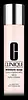
This hydrating essence is formulated around Sodium Hyaluronate and Squalane to hydrate skin and strengthen the skin barrier.
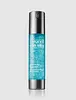
This barrier-repair moisturizer is formulated around Cholesterol and Sodium Hyaluronate to strengthen the skin barrier and hydrate skin.

What's inside
What's inside
 Key Ingredients
Benefits
Concerns
Ingredients Side-by-side
Water
Skin ConditioningBis-PEG-18 Methyl Ether Dimethyl Silane
EmollientGlycerin
Humectant


Butylene Glycol
Humectant
Pentylene Glycol
Skin Conditioning
Sodium Hyaluronate
Humectant


Squalane
Emollient
Acetyl Glucosamine
Skin Conditioning

Caffeine
Skin Conditioning
Gelidiella Acerosa Extract
Skin Protecting

Bambusa Vulgaris Extract
Skin Conditioning
Aloe Barbadensis Leaf Extract
Emollient
Lactobacillus Ferment Lysate
Skin Conditioning
Pisum Sativum Extract
Skin ConditioningSigesbeckia Orientalis Extract
Skin ConditioningHordeum Vulgare Extract
EmollientHypnea Musciformis Extract
Skin Protecting
Triticum Vulgare Germ Extract
Skin ConditioningAloe Barbadensis Leaf Polysaccharides
Emollient
Lactobacillus Ferment
Skin Conditioning
Jojoba Esters
Emollient

Trehalose
Humectant
Sodium PCA
Humectant
Caprylyl Glycol
Emollient
Urea
Buffering

Sucrose
Humectant
Polyquaternium-51
Skin Conditioning
Acrylates/C10-30 Alkyl Acrylate Crosspolymer
Emulsion StabilisingCetyl Alcohol
Emollient
Glyceryl Stearate
Emollient
Triacetin
AntimicrobialHexylene Glycol
EmulsifyingPEG-6
HumectantPEG-32
HumectantSodium Hydroxide
BufferingGlucosamine Hcl
Citric Acid
Buffering
Polysorbate 20
Emulsifying
Stearic Acid
Cleansing
BHT
Antioxidant
Disodium EDTA
ChelatingSorbic Acid
Preservative
Potassium Sorbate
Preservative
Chlorphenesin
Antimicrobial
Sodium Benzoate
Masking
Phenoxyethanol
Preservative
Water, Bis-PEG-18 Methyl Ether Dimethyl Silane, Glycerin, Butylene Glycol, Pentylene Glycol, Sodium Hyaluronate, Squalane, Acetyl Glucosamine, Caffeine, Gelidiella Acerosa Extract, Bambusa Vulgaris Extract, Aloe Barbadensis Leaf Extract, Lactobacillus Ferment Lysate, Pisum Sativum Extract, Sigesbeckia Orientalis Extract, Hordeum Vulgare Extract, Hypnea Musciformis Extract, Triticum Vulgare Germ Extract, Aloe Barbadensis Leaf Polysaccharides, Lactobacillus Ferment, Jojoba Esters, Trehalose, Sodium PCA, Caprylyl Glycol, Urea, Sucrose, Polyquaternium-51, Acrylates/C10-30 Alkyl Acrylate Crosspolymer, Cetyl Alcohol, Glyceryl Stearate, Triacetin, Hexylene Glycol, PEG-6, PEG-32, Sodium Hydroxide, Glucosamine Hcl, Citric Acid, Polysorbate 20, Stearic Acid, BHT, Disodium EDTA, Sorbic Acid, Potassium Sorbate, Chlorphenesin, Sodium Benzoate, Phenoxyethanol
Water
Skin ConditioningGlycerin
Humectant
Butylene Glycol
Humectant
Phenyl Trimethicone
Skin Conditioning
Propanediol
Solvent
Sucrose
Humectant
Hydroxyethyl Urea
Humectant
Alteromonas Ferment Extract
Skin Conditioning
Aloe Barbadensis Leaf Water
MaskingAlgae Extract
Emollient
Cholesterol
Emollient
Hydrolyzed Rice Extract
Skin Conditioning
Trehalose
Humectant
Acetyl Glucosamine
Skin Conditioning
Pentaerythrityl Tetraethylhexanoate
Emollient
Sorbitol
Humectant
Sodium Hyaluronate
Humectant
Sodium Polyaspartate
HumectantCaffeine
Skin Conditioning
Tocopheryl Acetate
Antioxidant
Sodium Hydroxide
BufferingAcrylates/C10-30 Alkyl Acrylate Crosspolymer
Emulsion StabilisingCarbomer
Emulsion StabilisingDextrin Palmitate
Emulsifying
Dehydroxanthan Gum
Emulsion StabilisingCitric Acid
Buffering
Benzophenone-4
UV Absorber
Tetrahexyldecyl Ascorbate
Antioxidant

Pentaerythrityl Tetra-Di-T-Butyl Hydroxyhydrocinnamate
Antioxidant
Sodium Citrate
BufferingDisodium EDTA
ChelatingBHT
Antioxidant
Chlorphenesin
Antimicrobial
Phenoxyethanol
Preservative
CI 61565
Cosmetic ColorantWater, Glycerin, Butylene Glycol, Phenyl Trimethicone, Propanediol, Sucrose, Hydroxyethyl Urea, Alteromonas Ferment Extract, Aloe Barbadensis Leaf Water, Algae Extract, Cholesterol, Hydrolyzed Rice Extract, Trehalose, Acetyl Glucosamine, Pentaerythrityl Tetraethylhexanoate, Sorbitol, Sodium Hyaluronate, Sodium Polyaspartate, Caffeine, Tocopheryl Acetate, Sodium Hydroxide, Acrylates/C10-30 Alkyl Acrylate Crosspolymer, Carbomer, Dextrin Palmitate, Dehydroxanthan Gum, Citric Acid, Benzophenone-4, Tetrahexyldecyl Ascorbate, Pentaerythrityl Tetra-Di-T-Butyl Hydroxyhydrocinnamate, Sodium Citrate, Disodium EDTA, BHT, Chlorphenesin, Phenoxyethanol, CI 61565
Reviews
Ingredients Explained
These ingredients are found in both products.
Ingredients higher up in an ingredient list are typically present in a larger amount.
Acetyl Glucosamine is an antioxidant and humectant. It is an amino acid sugar and is naturally found in our skin.
The cool thing about this ingredient? It helps the skin produce hyaluronic acid and boost hydration. It also has antioxidant benefits to protect skin cells.
When paired with niacinamide, Acetyl Glucosamine has been shown to be effective at reducing discoloration.
Learn more about Acetyl GlucosamineAcrylates/C10-30 Alkyl Acrylate Crosspolymer is a synthetic polymer. It is used to thicken, emulsify, and improve the texture of products.
As an emulsifier, it helps stabilize oil-in-water emulsions to give products an elegant feel when applied.
It can also form a thin protective film on skin. One study found that a formula using this polymer helped slow down how quickly other ingredients (like DEET) were absorbed through skin.
A 2024 study of over 1,300 patients confirmed that sensitization to this ingredient is rare. It is also non-mutagenic and has a clean track record.
Learn more about Acrylates/C10-30 Alkyl Acrylate CrosspolymerBHT is a synthetic antioxidant and preservative.
As an antioxidant, it helps your body fight off free-radicals. Free-radicals are molecules that may damage your skin cells.
As a preservative, it is used to stabilize products and prevent them from degrading. Specifically, BHT prevents degradation from oxidation.
The concerns related to BHT come from oral studies; this ingredient is currently allowed for use by both the FDA and EU.
However, it was recently restricted for use in the UK as of April 2024.
Learn more about BHTButylene Glycol (or BG) is used within cosmetic products for a few different reasons:
Overall, Butylene Glycol is a safe and well-rounded ingredient that works well with other ingredients.
Though this ingredient works well with most skin types, some people with sensitive skin may experience a reaction such as allergic rashes, closed comedones, or itchiness.
Learn more about Butylene GlycolCaffeine is a naturally occurring plant compound found in coffee beans, tea leaves, cocoa pods, and guarana.
As an antioxidant, caffeine protects your skin from free radical damage caused by UV exposure and envionrmnetal stressors.
Early research also shows that caffeine can help calm redness, soothe irritated skin, and support hair growth by stimulating microcirculation in the scalp.
You might have seen eye creams marketing caffeine as a depuffing ingredient. This is because it is a vasoconstrictor meaning it can temporarily constrict blood vessels, though clinical evidence for this specific use is still limited.
Most skincare products contain this ingredient at concentrations between 1-6%. It is able to penetrate skin easily regardless of skin type or thickness.
Just so you know, a very small number of case reports describe caffeine-induced allergy. This ingredient is generally well-tolerated, non-irritating, and non-sensitizing for the majority of people.
Learn more about CaffeineChlorphenesin is a synthetic preservative. It helps protect a product against bacteria in order to extend shelf life. In most cases, Chlorphenesin is paired with other preservatives such as phenoxyethanol and caprylyl glycol.
Chlorphenesin is a biocide. This means it is able to help fight the microorganisms on our skin. It is also able to fight odor-releasing bacteria.
Chlorphenesin is soluble in both water and glycerin.
Studies show Chlorphenesin is easily absorbed by our skin. You should speak with a skincare professional if you have concerns about using Chlorphenesin.
Learn more about ChlorphenesinCitric Acid is an alpha hydroxy acid (AHA) naturally found in citrus fruits like oranges, lemons, and limes.
Like other AHAs, citric acid can exfoliate skin by breaking down the bonds that hold dead skin cells together. This helps reveal smoother and brighter skin underneath.
However, this exfoliating effect only happens at high concentrations (20%) which can be hard to find in cosmetic products.
Due to this, citric acid is usually included in small amounts as a pH adjuster. This helps keep products slightly more acidic and compatible with skin's natural pH.
In skincare formulas, citric acid can:
While it can provide some skin benefits, research shows lactic acid and glycolic acid are generally more effective and less irritating exfoliants.
Most citric acid used in skincare today is made by fermenting sugars (usually from molasses). This synthetic version is identical to the natural citrus form but easier to stabilize and use in formulations.
Rosacea skin has a lower threshold for acids generally, with 62.5% of rosacea subjects in one study reacting to lactic acid in a sting test. This is why we mark citric acid as a potential rosacea trigger.
However, this ingredient shows up as a pH adjuster or chelator at roughly 0.1-1% in many products. These low levels are unlikely to be an issue for rosacea skin and becomes a potential trigger at exfoliating concentrations (20%). Because everybody's skin is unique, we recommend a patch test if you are unsure.
Learn more about Citric AcidDisodium EDTA is a chelating agent. It grabs onto and deactivates metal ions that sneak into your products from water, packaging, or air.
This ingredient mainly works behind the scenes and helps with:
On top of that, this ingredient can counteract the effects of hard water by binding to the minerals in it.
One thing worth knowing is that Disodium EDTA has been shown to be a mild penetration enhancer. It can help other ingredients absorb into skin more effectively which can be a double-edged sword (great for actives, but can also make the active too strong if you have sensitive skin).
Clinical patch testing showed no significant skin irritation at typical use concentrations and minimal dermal absorption.
You'll most likely see this ingredient near the end of an ingredient list. It's typically found in concentrations less than 1%.
Learn more about Disodium EDTAGlycerin (or glycerol) is a compound naturally found in your skin. It's a powerhouse humectant that pulls water into the stratum corneum.
Topically, glycerin does several things at once:
Your skin makes glycerin on its own (mostly from sebaceous oil breakdown) and shuttles it to your outermost layer of skin, or your epidermis, via aquaporin-3.
Aquaporin-3 is a transporter that is essential for normal skin hydration, elasticity, and repair. Interestingly, mice lacking in AQP3 have dry and less elastic skin that can be fully corrected with glycerin.
This ingredient is non-irritating, plays well with almost every ingredient, and works across all skin types. Typical use is anywhere between 3-10% but can go up to 79% in some leave-on products.
Just know very high concentrations (>40%) can feel tacky in low humidity.
Glycerin is the name for this ingredient in American English. British English uses Glycerol/Glycerine.
Learn more about GlycerinPhenoxyethanol is one of the most widely used preservatives in skincare (and for good reason!).
It has a large spectrum of antimicrobial activity and especially effective bacteria, yeast, and mold while only having a weak effect on your skin's natural microbiome.
On a cellular level, it disrupts the cell membranes of microbes by poking holes that make the cell leak. This shuts down the chemical reactions the microbe needs to make energy so it can no longer survive.
Another perk of this ingredient is that it stays functional across a wide pH range (3-10).
You'll often see it paired with boosters like Ethylhexylglycerin; one study showed that a 1:9 ratio of Ethylhexylglycerin to Phenoxyethanol damages bacterial membranes as effectively as doubling the Phenoxyethanol concentration on its own.
Typical use concentrations range from 0.3-1% depending on the formula, and this ingredient is capped at 1% int the EU.
Safety-wise, the fear mongering does not hold up to the evidence. The EU's Scientific Committee on Consumer Safety and FDA consider it safe as a preservative at up to 1%, including for children of all ages.
Adverse systemic effects only showed up in animal studies at exposures roughly 200x higher than what people get from cosmetics. And despite its very widespread use, this ingredient is a rare sensitizer and allergic reactions are uncommon.
Learn more about PhenoxyethanolSodium Hyaluronate is the salt form of hyaluronic acid. It is a long sugar chain that is naturally found in your skin, joints, and connective tissue that maintains hydration and elasticity.
In skincare, it works as a humectant. It pulls water from the environment and deeper layers of skin and binds it to the surface.
Interestingly, the size of the molecule affects its behavior:
Some clinical evidence links low molecular weight versions to improved wrinkle depth, elasticity, anti-inflammatory effects, and barrier repair.
Many serums use a blend of both weights so you can get surface hydration plus longer-lasting and deeper effects.
You'll typically see concentrations between 0.1-2% for this ingredient.
Learn more about Sodium HyaluronateSodium Hydroxide is also known as lye or caustic soda. It is used to adjust the pH of products; many ingredients require a specific pH to be effective.
In small amounts, sodium hydroxide is considered safe to use. However, large amounts may cause chemical burns due to its high alkaline.
Your skin has a natural pH and acid mantle. This acid mantle helps prevent harmful bacteria from breaking through. The acid mantle also helps keep your skin hydrated.
"Alkaline" refers to a high pH level. A low pH level would be considered acidic.
Learn more about Sodium HydroxideSucrose is a natural sugar found in fruits, vegetables, and nuts. It is the main constituent of white sugar.
In skincare, sucrose is a humectant and can be a mild exfoliant.
Sucrose is hydrophilic, meaning it attracts water. This makes it an effective humectant and helps hydrate the skin.
Studies show sugars may worsen acne-prone skin due to it disrupting the skin's natural biome. We recommend speaking with a professional if you have any concerns.
In some products such as body scrubs, sucrose is used as an gentle exfoliant.
The term 'sucrose' comes from the french word for sugar, 'sucre'.
Learn more about SucroseTrehalose is a disaccharide made of two glucose molecules (glucose is sugar!). Trehalose is used to help moisturize skin. It also has antioxidant properties.
As a humectant, trehalose helps draw moisture from the air to your skin. This helps keep your skin hydrated.
Due to its antioxidant properties, trehalose may help with signs of aging. Antioxidants help fight free-radical molecules, unstable molecules that may damage your skin.
In medicine, trehalose and hyaluronic acid are used to help treat dry eyes.
Some animals, plants, and bacteria create trehalose as a source of energy to survive freeze or lack of water.
Learn more about TrehaloseWater. It's the most common cosmetic ingredient of all. You'll usually see it at the top of ingredient lists, meaning that it makes up the largest part of the product.
So why is it so popular? Water most often acts as a solvent - this means that it helps dissolve other ingredients into the formulation.
You'll also recognize water as that liquid we all need to stay alive. If you see this, drink a glass of water. Remember to stay hydrated!
Learn more about Water


