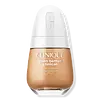
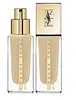
Clinique Even Better Clinical Serum Foundation Broad Spectrum SPF 25 Versus Yves Saint Laurent Touche Éclat Le Teint Foundation SPF 22


What's inside
What's inside
 Key Ingredients
Benefits
Concerns
Ingredients Side-by-side
Dimethicone
Emollient
Water
Skin ConditioningPEG-10 Dimethicone
Skin Conditioning
Butylene Glycol
Humectant
Vinyl Dimethicone/Methicone Silsesquioxane Crosspolymer
Phenyl Trimethicone
Skin Conditioning
Isododecane
EmollientButyloctyl Salicylate
Skin Conditioning
Isodecyl Isononanoate
EmollientLauryl PEG-9 Polydimethylsiloxyethyl Dimethicone
Skin Conditioning
Alcohol Denat.
Antimicrobial





Dimethicone/Vinyl Dimethicone Crosspolymer
Skin Conditioning
Hydrated Silica
Abrasive
Ascorbyl Glucoside
Antioxidant





Tetrahexyldecyl Ascorbate
Antioxidant
Magnesium Ascorbyl Phosphate
Antioxidant
Sodium Hyaluronate
Humectant

Tocopheryl Acetate
Antioxidant
Laminaria Saccharina Extract
Skin ProtectingPolygala Senega Root Extract
RefreshingBeta Vulgaris Extract
Skin ProtectingNymphaea Alba Root Extract
Skin ConditioningCamellia Sinensis Leaf Extract
Antimicrobial

Salvia Hispanica Seed Extract
EmollientSaccharum Officinarum Extract
MoisturisingDimethoxytolyl Propylresorcinol
Antioxidant
Caffeine
Skin Conditioning
Niacinamide
Smoothing




Salicylic Acid
Masking

Linoleic Acid
Cleansing

Tocopherol
Antioxidant
Lactoperoxidase
StabilisingGlucose Oxidase
StabilisingLactobacillus Ferment
Skin Conditioning
Glycyrrhetinic Acid
Skin ConditioningCholesterol
Emollient
Jojoba Esters
Emollient
Glucose
Humectant
Polysilicone-11
Laureth-7
EmulsifyingTrimethylsiloxysilicate
Emollient
Sorbitan Sesquioleate
Emulsifying
Lecithin
Emollient
Xanthan Gum
EmulsifyingSilica
Abrasive
Caprylyl Glycol
Emollient
Dimethicone/PEG-10/15 Crosspolymer
Disteardimonium Hectorite
StabilisingTriethoxycaprylylsilane
Alumina
Abrasive
Propylene Carbonate
SolventDipropylene Glycol
HumectantSodium Chloride
Masking
Sodium Hydroxide
BufferingCitric Acid
Buffering
Potassium Phosphate
BufferingTetrasodium EDTA
Sodium Citrate
BufferingPotassium Sorbate
Preservative
Phenoxyethanol
Preservative
Mica
Cosmetic Colorant
CI 77891
Cosmetic ColorantCI 77491
Cosmetic ColorantCI 77492
Cosmetic ColorantCI 77499
Cosmetic ColorantDimethicone, Water, PEG-10 Dimethicone, Butylene Glycol, Vinyl Dimethicone/Methicone Silsesquioxane Crosspolymer, Phenyl Trimethicone, Isododecane, Butyloctyl Salicylate, Isodecyl Isononanoate, Lauryl PEG-9 Polydimethylsiloxyethyl Dimethicone, Alcohol Denat., Dimethicone/Vinyl Dimethicone Crosspolymer, Hydrated Silica, Ascorbyl Glucoside, Tetrahexyldecyl Ascorbate, Magnesium Ascorbyl Phosphate, Sodium Hyaluronate, Tocopheryl Acetate, Laminaria Saccharina Extract, Polygala Senega Root Extract, Beta Vulgaris Extract, Nymphaea Alba Root Extract, Camellia Sinensis Leaf Extract, Salvia Hispanica Seed Extract, Saccharum Officinarum Extract, Dimethoxytolyl Propylresorcinol, Caffeine, Niacinamide, Salicylic Acid, Linoleic Acid, Tocopherol, Lactoperoxidase, Glucose Oxidase, Lactobacillus Ferment, Glycyrrhetinic Acid, Cholesterol, Jojoba Esters, Glucose, Polysilicone-11, Laureth-7, Trimethylsiloxysilicate, Sorbitan Sesquioleate, Lecithin, Xanthan Gum, Silica, Caprylyl Glycol, Dimethicone/PEG-10/15 Crosspolymer, Disteardimonium Hectorite, Triethoxycaprylylsilane, Alumina, Propylene Carbonate, Dipropylene Glycol, Sodium Chloride, Sodium Hydroxide, Citric Acid, Potassium Phosphate, Tetrasodium EDTA, Sodium Citrate, Potassium Sorbate, Phenoxyethanol, Mica, CI 77891, CI 77491, CI 77492, CI 77499
Water
Skin ConditioningCyclopentasiloxane
Emollient
Ethylhexyl Methoxycinnamate
UV Absorber
Glycerin
Humectant
Dimethicone
Emollient
Isododecane
EmollientPEG-10 Dimethicone
Skin Conditioning
Bis-PEG/PPG-14/14 Dimethicone
Emollient
Synthetic Fluorphlogopite
Sodium Chloride
Masking
Silica
Abrasive
Dimethicone/Polyglycerin-3 Crosspolymer
Cleansing
Phenoxyethanol
Preservative
Methyl Methacrylate Crosspolymer
Caprylyl Glycol
Emollient
Disodium Stearoyl Glutamate
CleansingDisteardimonium Hectorite
StabilisingSilica Silylate
EmollientTocopheryl Acetate
Antioxidant
Ethylhexylglycerin
Skin ConditioningParfum
Masking
Aluminum Hydroxide
EmollientAscorbyl Palmitate
Antioxidant
Ethylhexyl Hydroxystearate
Emollient
Triethoxycaprylylsilane
Dipropylene Glycol
HumectantRuscus Aculeatus Root Extract
AstringentBHT
Antioxidant
Tocopherol
Antioxidant
Sodium Citrate
BufferingIsopropyl Alcohol
Solvent
CI 77891
Cosmetic ColorantCI 77491
Cosmetic ColorantCI 77492
Cosmetic ColorantCI 77499
Cosmetic ColorantCI 77163
Cosmetic ColorantWater, Cyclopentasiloxane, Ethylhexyl Methoxycinnamate, Glycerin, Dimethicone, Isododecane, PEG-10 Dimethicone, Bis-PEG/PPG-14/14 Dimethicone, Synthetic Fluorphlogopite, Sodium Chloride, Silica, Dimethicone/Polyglycerin-3 Crosspolymer, Phenoxyethanol, Methyl Methacrylate Crosspolymer, Caprylyl Glycol, Disodium Stearoyl Glutamate, Disteardimonium Hectorite, Silica Silylate, Tocopheryl Acetate, Ethylhexylglycerin, Parfum, Aluminum Hydroxide, Ascorbyl Palmitate, Ethylhexyl Hydroxystearate, Triethoxycaprylylsilane, Dipropylene Glycol, Ruscus Aculeatus Root Extract, BHT, Tocopherol, Sodium Citrate, Isopropyl Alcohol, CI 77891, CI 77491, CI 77492, CI 77499, CI 77163
Reviews
Ingredients Explained
These ingredients are found in both products.
Ingredients higher up in an ingredient list are typically present in a larger amount.
Caprylyl Glycol is a humectant and emollient, meaning it attracts and preserves moisture.
It is a common ingredient in many products, especially those designed to hydrate skin. The primary benefits are retaining moisture, skin softening, and promoting a healthy skin barrier.
Though Caprylyl Glycol is an alcohol derived from fatty acids, it is not the kind that can dry out skin.
This ingredient is also used as a preservative to extend the life of products. It has slight antimicrobial properties.
Learn more about Caprylyl GlycolCi 77491 is also hydrated iron III oxide. It's sole purpose is to give a red/pink hue to products.
Iron III oxides are classified as inorganic chemicals for coloring.
Synthetically created Ci 77491 is considered safer than those naturally found. This is because the synthetically created version may contain less impurities. Iron oxides are generally non-toxic and non-allergenic.
Learn more about CI 77491Ci 77492 is also hydrated iron III oxide. It's sole purpose is to give a yellow hue to products.
Iron III oxides are classified as inorganic chemicals for coloring.
Synthetically created Ci 77492 is considered safer than those naturally found. This is because the synthetically created version may contain less impurities. Iron oxides are generally non-toxic and non-allergenic.
Learn more about CI 77492Ci 77499 is also hydrated iron III oxide. It is created from mixing red and black iron oxides. This helps give shades of darkness to a product.
Iron III oxides are classified as inorganic chemicals for coloring.
Ci 77891 is a white pigment from Titanium dioxide. It is naturally found in minerals such as rutile and ilmenite.
It's main function is to add a white color to cosmetics. It can also be mixed with other colors to create different shades.
Ci 77891 is commonly found in sunscreens due to its ability to block UV rays.
Learn more about CI 77891Dimethicone is a type of synthetic silicone created from natural materials such as quartz.
What it does:
Dimethicone comes in different viscosities:
Depending on the viscosity, dimethicone has different properties.
Ingredients lists don't always show which type is used, so we recommend reaching out to the brand if you have questions about the viscosity.
This ingredient is unlikely to cause irritation because it does not get absorbed into skin. However, people with silicone allergies should be careful about using this ingredient.
Note: Dimethicone may contribute to pilling. This is because it is not oil or water soluble, so pilling may occur when layered with products. When mixed with heavy oils in a formula, the outcome is also quite greasy.
Learn more about DimethiconeDipropylene Glycol is a synthetically created humectant, stabilizer, and solvent.
This ingredient helps:
Dipropylene glycol is technically an alcohol, but it belongs to the glycol family (often considered part of the ‘good’ alcohols). This means it is hydrating and gentle on skin unlike drying solvent alcohols like denatured alcohol.
As a masking agent, Dipropylene Glycol can be used to cover the smell of other ingredients. However, it does not have a scent.
Studies show Dipropylene Glycol is considered safe to use in skincare.
Learn more about Dipropylene GlycolDisteardimonium Hectorite comes from the clay mineral named hectorite. It is used to add thickness to a product.
It can also help stabilize a product by helping to disperse other ingredients.
Hectorite is a rare, white clay mineral.
Learn more about Disteardimonium HectoriteIsododecane is a fragrance, emollient, and solvent.
As an emollient, it helps your skin stay soft and hydrated. Emollients help trap moisture into your skin.
Isododecane's role as a solvent makes it a great texture enhancer. It spreads smoothly on skin and does not leave a sticky feeling behind. Isododecane also helps prevent color transfer in makeup products.
Isododecane is not absorbed into skin.
Learn more about IsododecanePeg-10 Dimethicone is silicone with conditioner and emulsifier properties. It mostly acts as an emollient in skincare and and humectant in haircare.
According to the manufacturer, acidic formulations decrease the stability of this ingredient. It works best in neutral or near neutral formulations.
Phenoxyethanol is a preservative that has germicide, antimicrobial, and aromatic properties. Studies show that phenoxyethanol can prevent microbial growth. By itself, it has a scent that is similar to that of a rose.
It's often used in formulations along with Caprylyl Glycol to preserve the shelf life of products.
Silica, also known as silicon dioxide, is a naturally occurring mineral. It is used as a fine, spherical, and porous powder in cosmetics.
Though it has exfoliant properties, the function of silica varies depending on the product.
The unique structure of silica enhances the spreadability and adds smoothness, making it a great texture enhancer.
It is also used as an active carrier, emulsifier, and mattifier due to its ability to absorb excess oil.
In some products, tiny microneedles called spicules are made from silica or hydrolyzed sponge. When you rub them in, they lightly polish away dead skin layers and enhance the penetration of active ingredients.
Learn more about SilicaChances are, you eat sodium chloride every day. Sodium Chloride is also known as table salt.
This ingredient has many purposes in skincare: thickener, emulsifier, and exfoliator.
You'll most likely find this ingredient in cleansers where it is used to create a gel-like texture. As an emulsifier, it also prevents ingredients from separating.
There is much debate on whether this ingredient is comedogenic. The short answer - comedogenic ratings don't tell the whole story. Learn more about comegodenic ratings here.
The concensus about this ingredient causing acne seems to be divided. Research is needed to understand if this ingredient does cause acne.
Scrubs may use salt as the primary exfoliating ingredient.
Learn more about Sodium ChlorideSodium Citrate is the sodium salts of citric acid. In skincare, it is used to alter pH levels and acts as a preservative.
Its main functions are to maintain the pH of a product and neutralize metal ions.
The acidity of our skin is maintained by our glands and skin biome; normal pH level of skin is slightly acidic (~4.75-5.5).
Being slightly acidic allows our skin to create an "acid mantle". This acid mantle is a thin barrier that protects our skin from bacteria and contaminants.
Learn more about Sodium CitrateTocopherol (also known as Vitamin E) is a common antioxidant used to help protect the skin from free-radicals and strengthen the skin barrier. It's also fat soluble - this means our skin is great at absorbing it.
Vitamin E also helps keep your natural skin lipids healthy. Your lipid skin barrier naturally consists of lipids, ceramides, and fatty acids. Vitamin E offers extra protection for your skin’s lipid barrier, keeping your skin healthy and nourished.
Another benefit is a bit of UV protection. Vitamin E helps reduce the damage caused by UVB rays. (It should not replace your sunscreen). Combining it with Vitamin C can decrease sunburned cells and hyperpigmentation after UV exposure.
You might have noticed Vitamin E + C often paired together. This is because it is great at stabilizing Vitamin C. Using the two together helps increase the effectiveness of both ingredients.
There are often claims that Vitamin E can reduce/prevent scarring, but these claims haven't been confirmed by scientific research.
Learn more about TocopherolTocopheryl Acetate is AKA Vitamin E. It is an antioxidant and protects your skin from free radicals. Free radicals damage the skin by breaking down collagen.
One study found using Tocopheryl Acetate with Vitamin C decreased the number of sunburned cells.
Tocopheryl Acetate is commonly found in both skincare and dietary supplements.
Learn more about Tocopheryl AcetateTriethoxycaprylylsilane is a silicone used to bind and stabilize ingredients.
As an emulsifier, it helps prevent ingredients from separating. This can help elongate the shelf life of products.
Triethoxycaprylylsilane is often used to coat mineral sunscreens ingredients to help give a better feel. It also helps reduce oxidative stress in sunscreens.
Learn more about TriethoxycaprylylsilaneWater. It's the most common cosmetic ingredient of all. You'll usually see it at the top of ingredient lists, meaning that it makes up the largest part of the product.
So why is it so popular? Water most often acts as a solvent - this means that it helps dissolve other ingredients into the formulation.
You'll also recognize water as that liquid we all need to stay alive. If you see this, drink a glass of water. Stay hydrated!
Learn more about Water
