

What's inside
What's inside
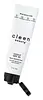 Key Ingredients
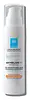
Benefits
Concerns
Ingredients Side-by-side
Zinc Oxide 12%
Cosmetic Colorant


Water
Skin ConditioningCaprylic/Capric Triglyceride
Masking


Ethylhexyl Palmitate
Emollient


Butylene Glycol
Humectant
Glycerin
Humectant
Polymethylsilsesquioxane

Dimethicone
Emollient
Stearyl Alcohol
Emollient
Polymethylsilsesquioxane/Silica Crosspolymer
Glyceryl Stearate
Emollient
Cetyl Alcohol
Emollient
PEG-100 Stearate
Isododecane
EmollientButyrospermum Parkii Butter
Skin Conditioning
Tocopheryl Acetate
Antioxidant


Sodium Hyaluronate
Humectant


Tocopherol
Antioxidant
Polyhydroxystearic Acid
Emulsifying
Polysilicone-11
Ethylhexylglycerin
Skin ConditioningIsohexadecane
EmollientAmmonium Polyacryloyldimethyl Taurate
Emulsion StabilisingPolysorbate 80
Emulsifying
Phenoxyethanol
Preservative
Disodium EDTA
Zinc Oxide 12%, Water, Caprylic/Capric Triglyceride, Ethylhexyl Palmitate, Butylene Glycol, Glycerin, Polymethylsilsesquioxane, Dimethicone, Stearyl Alcohol, Polymethylsilsesquioxane/Silica Crosspolymer, Glyceryl Stearate, Cetyl Alcohol, PEG-100 Stearate, Isododecane, Butyrospermum Parkii Butter, Tocopheryl Acetate, Sodium Hyaluronate, Tocopherol, Polyhydroxystearic Acid, Polysilicone-11, Ethylhexylglycerin, Isohexadecane, Ammonium Polyacryloyldimethyl Taurate, Polysorbate 80, Phenoxyethanol, Disodium EDTA
Titanium Dioxide 5.5%
Cosmetic Colorant
Zinc Oxide 10%
Cosmetic Colorant
Water
Skin ConditioningGlycerin
Humectant
Isohexadecane
EmollientIsononyl Isononanoate
EmollientDicaprylyl Ether
Emollient
PEG-30 Dipolyhydroxystearate
Emulsifying
C12-15 Alkyl Benzoate
AntimicrobialPolyglyceryl-4 Isostearate
Emulsifying
Dimethicone
Emollient
Caprylyl Methicone
Skin Conditioning
Ethylene/Acrylic Acid Copolymer
Emulsion StabilisingCaprylic/Capric Triglyceride
Masking
Triethylhexanoin
MaskingSilica
Abrasive

Poly C10-30 Alkyl Acrylate
Emulsion StabilisingCitric Acid
Buffering

Phenoxyethanol
Preservative
Sodium Chloride
MaskingCaprylyl Glycol
Emollient
Panthenol
Skin Conditioning
Diethylhexyl Syringylidenemalonate
Skin ProtectingAluminum Hydroxide
EmollientStearic Acid
Cleansing
Aluminum Stearate
Cosmetic ColorantSodium Hyaluronate
Humectant
Triethoxycaprylylsilane
Chlorphenesin
Antimicrobial
Disteardimonium Hectorite
StabilisingAlumina
Abrasive
Polyhydroxystearic Acid
Emulsifying
Trisodium Ethylenediamine Disuccinate
Tocopherol
Antioxidant
P-Anisic Acid
Masking
Capryloyl Salicylic Acid
Exfoliating
Xanthan Gum
EmulsifyingPropylene Carbonate
SolventCassia Alata Leaf Extract
AstringentMaltodextrin
Absorbent
Titanium Dioxide 5.5%, Zinc Oxide 10%, Water, Glycerin, Isohexadecane, Isononyl Isononanoate, Dicaprylyl Ether, PEG-30 Dipolyhydroxystearate, C12-15 Alkyl Benzoate, Polyglyceryl-4 Isostearate, Dimethicone, Caprylyl Methicone, Ethylene/Acrylic Acid Copolymer, Caprylic/Capric Triglyceride, Triethylhexanoin, Silica, Poly C10-30 Alkyl Acrylate, Citric Acid, Phenoxyethanol, Sodium Chloride, Caprylyl Glycol, Panthenol, Diethylhexyl Syringylidenemalonate, Aluminum Hydroxide, Stearic Acid, Aluminum Stearate, Sodium Hyaluronate, Triethoxycaprylylsilane, Chlorphenesin, Disteardimonium Hectorite, Alumina, Polyhydroxystearic Acid, Trisodium Ethylenediamine Disuccinate, Tocopherol, P-Anisic Acid, Capryloyl Salicylic Acid, Xanthan Gum, Propylene Carbonate, Cassia Alata Leaf Extract, Maltodextrin
Ingredients Explained
These ingredients are found in both products.
Ingredients higher up in an ingredient list are typically present in a larger amount.
This ingredient is a lightweight emollient, solvent, and texture enhancer. It is considered a skin-softener by helping the skin prevent moisture loss.
It helps thicken a product's formula and makes it easier to spread by dissolving clumping compounds.
Caprylic Triglyceride is made by combining glycerin with coconut oil, forming a clear liquid. Though it behaves like an oil, it is not technically one due to its chemical composition. It is very stable, resistant to oxidation, and unlikely to go rancid. In practice, that translates to a long shelf life and a consistently elegant skin feel.
While there is an assumption Caprylic Triglyceride can clog pores due to it being derived from coconut oil, there is no research supporting this. Be sure to patch test if you have concerns.
Fractionated coconut oil and MCT Oil are both listed as Caprylic/Capric Triglyceride according to INCI. This is because INCI names are based on the ingredient’s final chemical composition and not its marketing name or source.
Learn more about Caprylic/Capric TriglycerideDimethicone is a type of synthetic silicone created from natural materials such as quartz. It is also known as polydimethylsiloxane.
What it does:
Dimethicone comes in different viscosities:
Depending on the viscosity, dimethicone has different properties.
Ingredients lists don't always show which type is used, so we recommend reaching out to the brand if you have questions about the viscosity.
This ingredient is unlikely to cause irritation because it does not get absorbed into skin. However, people with silicone allergies should be careful about using this ingredient.
Note: Dimethicone may contribute to pilling. This is because it is not oil or water soluble, so pilling may occur when layered with products. When mixed with heavy oils in a formula, the outcome is also quite greasy.
Learn more about DimethiconeGlycerin (or glycerol) is a compound naturally found in your skin. It's a powerhouse humectant that pulls water into the stratum corneum.
Topically, glycerin does several things at once:
Your skin makes glycerin on its own (mostly from sebaceous oil breakdown) and shuttles it to your outermost layer of skin, or your epidermis, via aquaporin-3.
Aquaporin-3 is a transporter that is essential for normal skin hydration, elasticity, and repair. Interestingly, mice lacking in AQP3 have dry and less elastic skin that can be fully corrected with glycerin.
This ingredient is non-irritating, plays well with almost every ingredient, and works across all skin types. Typical use is anywhere between 3-10% but can go up to 79% in some leave-on products.
Just know very high concentrations (>40%) can feel tacky in low humidity.
Glycerin is the name for this ingredient in American English. British English uses Glycerol/Glycerine.
Learn more about GlycerinIsohexadecane is added to enhance texture, emulsify, and to help cleanse. It is an isoparrafin. It is a component of petrolatum.
Due to its large size, Isohexadecane is not absorbed by the skin. Instead, it sits on top and acts as an emollient. Emollients help keep your skin soft and smooth by trapping moisture within.
Isohexadecane is often used in products designed to help oily skin. It is lightweight and non-greasy while helping to moisturize. When mixed with silicones, it gives a product a silky feel.
Learn more about IsohexadecanePhenoxyethanol is a preservative that has germicide, antimicrobial, and aromatic properties. Studies show that phenoxyethanol can prevent microbial growth. By itself, it has a scent that is similar to that of a rose.
It's often used in formulations along with Caprylyl Glycol to preserve the shelf life of products.
Polyhydroxystearic Acid is a vegetable-derived soft wax made from castor oil. It's an emulsion stabilizer, thickener, and film former.
You'll likely see it in sunscreens because it helps disperse pigments and UV-reflecting minerals like titanium dioxide and zinc oxide evenly.
Depending on the concentration, it can drastically change the texture of a product from pasty solid (like lipstick) to sprayable liquid.
The CIR Expert Panel for Cosmetic Ingredient Safety has concluded this ingredient to be safe in cosmetics. The highest reported use concentration is 14.2% in lipsticks.
Learn more about Polyhydroxystearic AcidSodium Hyaluronate is the salt form of hyaluronic acid. It is a long sugar chain that is naturally found in your skin, joints, and connective tissue that maintains hydration and elasticity.
In skincare, it works as a humectant. It pulls water from the environment and deeper layers of skin and binds it to the surface.
Interestingly, the size of the molecule affects its behavior:
Some clinical evidence links low molecular weight versions to improved wrinkle depth, elasticity, anti-inflammatory effects, and barrier repair.
Many serums use a blend of both weights so you can get surface hydration plus longer-lasting and deeper effects.
You'll typically see concentrations between 0.1-2% for this ingredient.
Learn more about Sodium HyaluronateTocopherol is a fat-soluble antioxidant known as Vitamin E.
You'll find this ingredient in the vast majority of skincare (for good reason). It works to neutralize free radicals, or unstable molecules generated by UV exposure, pollution, and other environmental stressors, before they can cause oxidative damage to your skin cells.
Topically applied tocopherol has been shown to protect against UV damage by ramping up the skin's own natural defense enzymes.
It also acts as a skin conditioning agent; some studies show that regular topical use can improve the skin's water-binding capacity over 2-4 weeks.
This ingredient is especially loved for being a team player. When combined with Vitamin C, the photoprotective effect of both ingredients roughly doubles and the combo also helps reduce UV-induced DNA damage.
This ingredient has some brightening potential but it's more of a prevention ingredient than spot-fader. Cell studies show it can slow down melanin production but it's worth noting that it's not the most powerful brightener out there.
In formulations, it also serves as a stabilizer that helps protect other oxidation-prone ingredients from degrading.
Concentrations usually range from 0.1-1% in most leave-on products.
Learn more about TocopherolWater. It's the most common cosmetic ingredient of all. You'll usually see it at the top of ingredient lists, meaning that it makes up the largest part of the product.
So why is it so popular? Water most often acts as a solvent - this means that it helps dissolve other ingredients into the formulation.
You'll also recognize water as that liquid we all need to stay alive. If you see this, drink a glass of water. Remember to stay hydrated!
Learn more about WaterZinc Oxide is a mineral broad-spectrum UV filter; it is the broadest UVA and UVB reflector approved by the FDA. It also has skin protectant and skin soothing properties.
Zinc oxide is one of the most effective broad-spectrum UV filters. It protects against UVB, UVAII, and UVAI. In comparison to its counterpart titanium dioxide, zinc oxide provides uniform and extended UVA protection.
Another great benefit? This ingredient is highly photostable so it won't degrade easily under sunlight.
A common myth is that mineral UV filters are widely believed to primarily reflect UV light.
However, modern research shows titanium dioxide absorbs UV radiation like chemical filters (~95% absorption & 5% reflection).
Zinc oxide has great skin soothing properties so you'll likely find this in sunscreens formulated for sensitive skin or babies/children. It is unlikely to cause "eye sting" like other sunscreen ingredients.
Regulatory agencies consider zinc oxide to be non-toxic and safe. It has also been shown to not penetrate the skin.
Unfortunately, this ingredient does leave a visible white cast. This is why mineral sunscreens are often less cosmetically elegant than chemical or hybrid ones.
In cosmetics, zinc oxide can be found in both non-nano and nano-sized forms. The nano version is used to reduce white cast and improve the texture of sunscreen formulas.
There are ongoing concerns surrounding nano-zinc oxide's impact on marine ecosystems and whether it can be absorbed into skin.
Regarding marine ecosystems and coral reefs, there is no conclusive evidence that any form of zinc oxide (or any other sunscreen ingredients) will cause harm. The science is still developing but many consumers are keeping a close eye on this issue.
Please note, many destinations have reef-safety sunscreen rules. For instance, the U.S. Virgin Islands advises all visitors to use non-nano mineral sunscreens.
There has also been some stir about whether micronized or nano zinc oxide has potential photoxicity and absorption through the skin/lungs.
An in-vitro (done in a test tube or petri dish) study demonstrated micronized zinc oxide to have potential phototoxicity. There's no need to fret; the EU Commission's Scientific Committee on Consumer Safety has stated, "The relevance of these findings needs to be clarified by appropriate investigations in vivo." Or in other words, further studies done on living organisms are needed to prove this.
Current research shows zinc oxide nanoparticles do not penetrate intact or sunburned skin. They either remain on the surface or in the outermost layer of dead skin (stratum corneum).
Zinc oxide is one of only two classified mineral UV filters with titanium dioxide being the other one.
Fun fact: Zinc has been used throughout history as an ingredient in paint and medicine. An Indian text from 500BC is believed to list zinc oxide as a salve for open wound. The Ancient Greek physician Dioscorides has also mentioned the use of zinc as an ointment in 1AD.
Learn more about Zinc Oxide
