Clearstem Skincare Brightmeup Advanced Brightening Toner Versus AlumierMD Sensicalm Gentle Facial Cleanser
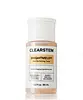
This brightening toner is formulated around Salicylic Acid and Niacinamide to brighten dull-looking skin and balance excess oil.
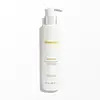
This mild cream cleanser is made to cleanse while calming and soothing your skin.


What's inside
What's inside
 Key Ingredients
Benefits
Concerns
Ingredients Side-by-side
Water
Skin ConditioningAlcohol Denat.
Antimicrobial




Methylpropanediol
SolventButylene Glycol
Humectant

Glycerin
Humectant
Salicylic Acid
Masking






Niacinamide
Smoothing




Potassium Azeloyl Diglycinate
Skin Conditioning
Propanediol
Solvent
Zinc PCA
Humectant
Lactobacillus/Salix Purpurea Bark Ferment Extract
AntiseborrhoeicCaprylyl/Capryl Glucoside
CleansingPentylene Glycol
Skin Conditioning
Sodium PCA
Humectant
Potassium Sorbate
Preservative
Sodium Gluconate
ChelatingPhenethyl Alcohol
MaskingLavandula Angustifolia Flower/Leaf/Stem Extract
Masking
Ficus Carica Fruit Extract
Humectant
Aloe Barbadensis Leaf Juice Powder
Skin Conditioning
Citric Acid
Buffering
Honey Extract
Humectant
Trigonella Foenum-Graecum Seed Extract
Perfuming
Jasminum Officinale Flower/Leaf Extract
Masking
Dipteryx Odorata Seed Extract
MaskingFerula Galbaniflua Gum Extract
Antimicrobial
Rosa Damascena Flower Extract
Masking
Arnica Montana Flower Extract
Masking
Camellia Sinensis Leaf Extract
Antimicrobial
Pogostemon Cablin Leaf Oil
Masking
Sodium Hydroxide
BufferingLavandula Oil/Extract
Lactic Acid
Buffering
Rose Flower Oil/Extract
Linalool
Perfuming
Linalyl Acetate
Masking
Camphor
Masking
Coumarin
Perfuming
Benzyl Benzoate
Antimicrobial
Beta-Caryophyllene
Masking
Farnesol
Perfuming
Benzyl Alcohol
Perfuming
Eugenol
Perfuming
Terpineol
Masking
Limonene
Perfuming
Citronellol
Perfuming
Geraniol
Perfuming
Isoeugenol
Perfuming
Water, Alcohol Denat., Methylpropanediol, Butylene Glycol, Glycerin, Salicylic Acid, Niacinamide, Potassium Azeloyl Diglycinate, Propanediol, Zinc PCA, Lactobacillus/Salix Purpurea Bark Ferment Extract, Caprylyl/Capryl Glucoside, Pentylene Glycol, Sodium PCA, Potassium Sorbate, Sodium Gluconate, Phenethyl Alcohol, Lavandula Angustifolia Flower/Leaf/Stem Extract, Ficus Carica Fruit Extract, Aloe Barbadensis Leaf Juice Powder, Citric Acid, Honey Extract, Trigonella Foenum-Graecum Seed Extract, Jasminum Officinale Flower/Leaf Extract, Dipteryx Odorata Seed Extract, Ferula Galbaniflua Gum Extract, Rosa Damascena Flower Extract, Arnica Montana Flower Extract, Camellia Sinensis Leaf Extract, Pogostemon Cablin Leaf Oil, Sodium Hydroxide, Lavandula Oil/Extract, Lactic Acid, Rose Flower Oil/Extract, Linalool, Linalyl Acetate, Camphor, Coumarin, Benzyl Benzoate, Beta-Caryophyllene, Farnesol, Benzyl Alcohol, Eugenol, Terpineol, Limonene, Citronellol, Geraniol, Isoeugenol
Water
Skin ConditioningCaprylic/Capric Triglyceride
Masking
Glycerin
Humectant
Propanediol
Solvent
Cocamidopropyl Hydroxysultaine
Cleansing
Sodium Acrylate/Sodium Acryloyldimethyl Taurate Copolymer
Emulsion StabilisingCetyl Alcohol
Emollient

Aloe Barbadensis Leaf Juice
Skin Conditioning
Yucca Schidigera Root Extract
Skin ConditioningHelianthus Annuus Seed Oil
Emollient
Niacinamide
Smoothing
Allantoin
Skin Conditioning
Tocopheryl Acetate
Antioxidant
P-Anisic Acid
MaskingCeramide Ng
Skin Conditioning
Disodium Cocoyl Glutamate
Cleansing
Polyisobutene
Sucrose Stearate
EmollientAcrylates/C10-30 Alkyl Acrylate Crosspolymer
Emulsion StabilisingSodium Cocoyl Glutamate
Cleansing
Xanthan Gum
EmulsifyingDisodium EDTA
ChelatingSodium Hydroxide
BufferingCaprylyl/Capryl Glucoside
CleansingCaprylyl Glycol
Emollient
Xylitol
Humectant
Caprylic Acid
CleansingLinalyl Acetate
Masking
Linalool
Perfuming
4-Terpineol
Masking
Ocimene
Perfuming
Sodium Chloride
MaskingTetrasodium EDTA
ChelatingLauramidopropyl Dimethylamine
Sorbitan Oleate
Emulsifying
Citric Acid
Buffering
Water, Caprylic/Capric Triglyceride, Glycerin, Propanediol, Cocamidopropyl Hydroxysultaine, Sodium Acrylate/Sodium Acryloyldimethyl Taurate Copolymer, Cetyl Alcohol, Aloe Barbadensis Leaf Juice, Yucca Schidigera Root Extract, Helianthus Annuus Seed Oil, Niacinamide, Allantoin, Tocopheryl Acetate, P-Anisic Acid, Ceramide Ng, Disodium Cocoyl Glutamate, Polyisobutene, Sucrose Stearate, Acrylates/C10-30 Alkyl Acrylate Crosspolymer, Sodium Cocoyl Glutamate, Xanthan Gum, Disodium EDTA, Sodium Hydroxide, Caprylyl/Capryl Glucoside, Caprylyl Glycol, Xylitol, Caprylic Acid, Linalyl Acetate, Linalool, 4-Terpineol, Ocimene, Sodium Chloride, Tetrasodium EDTA, Lauramidopropyl Dimethylamine, Sorbitan Oleate, Citric Acid
Ingredients Explained
These ingredients are found in both products.
Ingredients higher up in an ingredient list are typically present in a larger amount.
This ingredient is a mild surfactant made by sticking glucose onto a blend of fatty acids.
It does two jobs because it has a sugar head that loves water and a fatty tail that loves oil:
Typical use levels range from 10-20% in cleansers and 15-30% in shower products.
Once on your skin, your skin's glucoside hydrolases breaks it down into glucose and the parent fatty alcohols.
This ingredient is considered fungal acne safe because its fatty alcohol portion sits outside the Malassezia yeast's metabolization range.
Learn more about Caprylyl/Capryl GlucosideCitric Acid is an alpha hydroxy acid (AHA) naturally found in citrus fruits like oranges, lemons, and limes.
Like other AHAs, citric acid can exfoliate skin by breaking down the bonds that hold dead skin cells together. This helps reveal smoother and brighter skin underneath.
However, this exfoliating effect only happens at high concentrations (20%) which can be hard to find in cosmetic products.
Due to this, citric acid is usually included in small amounts as a pH adjuster. This helps keep products slightly more acidic and compatible with skin's natural pH.
In skincare formulas, citric acid can:
While it can provide some skin benefits, research shows lactic acid and glycolic acid are generally more effective and less irritating exfoliants.
Most citric acid used in skincare today is made by fermenting sugars (usually from molasses). This synthetic version is identical to the natural citrus form but easier to stabilize and use in formulations.
Rosacea skin has a lower threshold for acids generally, with 62.5% of rosacea subjects in one study reacting to lactic acid in a sting test. This is why we mark citric acid as a potential rosacea trigger.
However, this ingredient shows up as a pH adjuster or chelator at roughly 0.1-1% in many products. These low levels are unlikely to be an issue for rosacea skin and becomes a potential trigger at exfoliating concentrations (20%). Because everybody's skin is unique, we recommend a patch test if you are unsure.
Learn more about Citric AcidGlycerin (or glycerol) is a compound naturally found in your skin. It's a powerhouse humectant that pulls water into the stratum corneum.
Topically, glycerin does several things at once:
Your skin makes glycerin on its own (mostly from sebaceous oil breakdown) and shuttles it to your outermost layer of skin, or your epidermis, via aquaporin-3.
Aquaporin-3 is a transporter that is essential for normal skin hydration, elasticity, and repair. Interestingly, mice lacking in AQP3 have dry and less elastic skin that can be fully corrected with glycerin.
This ingredient is non-irritating, plays well with almost every ingredient, and works across all skin types. Typical use is anywhere between 3-10% but can go up to 79% in some leave-on products.
Just know very high concentrations (>40%) can feel tacky in low humidity.
Glycerin is the name for this ingredient in American English. British English uses Glycerol/Glycerine.
Learn more about GlycerinLinalool is a small, naturally occurring scent molecule found in plants like lavender, coriander, bergamot, and more.
It is one of the two most-used fragrance ingredients in cosmetics and added purely for smell. Since it's not used for a skin benefit, there's no "effective dose". Concentration depends on the fragrance load of the product.
The EU requires it to be named on the label above 0.001% in leave-on and 0.01% in rinse-off products.
Fresh linalool is a weak sensitizer but air exposure turns some of it into hydroperoxides, which are strong sensitizers. Those oxidation products are the actual allergy concern.
Patch-test clinics see positive reactions to linalool hydroperoxides in about 4% to 12% of dermatitis patients depending on country and test concentration.
Resassuringly, one analytical study found hydroperoxide levels in real fragranced products to be orders of magnitude below what induced sensitization in animal studies with no evidence of oxidation building up during normal storage.
The practical takeaway is that linalool is fine for most people but worth avoiding if you have a confirmed fragrance contact allergy or a badly compromised barrier.
Products stored a long time after opening are also the high-risk scenario since that is when oxidation happens.
The scent of linalool is described as floral, spicy tropical, and citrus-like.
Learn more about LinaloolLinalyl Acetate is the acetate ester of linalool and can be naturally found in many flowers and spice plants.
This ingredient is often used to add a scent or mask an unpleasant one in products.
Linalyl acetate is mildly toxic to humans and toxic to fish.
Learn more about Linalyl AcetateNiacinamide is a multitasking form of vitamin B3 that strengthens the skin barrier, reduces pores and dark spots, regulates oil, and improves signs of aging.
And the best part? It's gentle and well-tolerated by most skin types, including sensitive and reactive skin.
You might have heard of "niacin flush", or the reddening of skin that causes itchiness. Niacinamide has not been found to cause this.
In very rare cases, some individuals may not be able to tolerate niacinamide at all or experience an allergic reaction to it.
If you are experiencing flaking, irritation, and dryness with this ingredient, be sure to double check all your products as this ingredient can be found in all categories of skincare.
When incorporating niacinamide into your routine, look out for concentration amounts. Typically, 5% niacinamide provides benefits such as fading dark spots. However, if you have sensitive skin, it is better to begin with a smaller concentration.
When you apply niacinamide to your skin, your body converts it into nicotinamide adenine dinucleotide (NAD). NAD is an essential coenzyme that is already found in your cells as "fuel" and powers countless biological processes.
In your skin, NAD helps repair cell damage, produce new healthy cells, support collagen production, strengthen the skin barrier, and fight environmental stressors (like UV and pollution).
Our natural NAD levels start to decline with age, leading to slower skin repair, visible aging, and a weaker skin barrier. By providing your skin niacinamide, you're recharging your skin's NAD levels. This leads to stronger, healthier, and younger looking skin.
Another name for vitamin B3 is nicotinamide. This vitamin is water-soluble and our bodies don't store it. We obtain Vitamin B3 from either food or skincare. Meat, fish, wheat, yeast, and leafy greens contain vitamin B3.
The type of niacinamide used in skincare is synthetically created.
Learn more about NiacinamidePropanediol is an all-star ingredient. It softens, hydrates, and smooths the skin.
It’s often used to:
Propanediol is not likely to cause sensitivity and considered safe to use. It is derived from corn or petroleum with a clear color and no scent.
Learn more about PropanediolSodium Hydroxide is also known as lye or caustic soda. It is used to adjust the pH of products; many ingredients require a specific pH to be effective.
In small amounts, sodium hydroxide is considered safe to use. However, large amounts may cause chemical burns due to its high alkaline.
Your skin has a natural pH and acid mantle. This acid mantle helps prevent harmful bacteria from breaking through. The acid mantle also helps keep your skin hydrated.
"Alkaline" refers to a high pH level. A low pH level would be considered acidic.
Learn more about Sodium HydroxideWater. It's the most common cosmetic ingredient of all. You'll usually see it at the top of ingredient lists, meaning that it makes up the largest part of the product.
So why is it so popular? Water most often acts as a solvent - this means that it helps dissolve other ingredients into the formulation.
You'll also recognize water as that liquid we all need to stay alive. If you see this, drink a glass of water. Remember to stay hydrated!
Learn more about Water


