
What's inside
What's inside
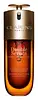 Key Ingredients
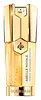
No key ingredients
Benefits
Concerns
Ingredients Side-by-side
Water
Skin ConditioningSqualane
Emollient


Hexyl Laurate
Emollient

Glycerin
Humectant
Pentylene Glycol
Skin Conditioning
Propanediol
Solvent
Silybum Marianum Seed Oil
Skin Conditioning
Butylene Glycol
Humectant
Ethylene/Propylene/Styrene Copolymer
Parfum
Masking



Fructose
Humectant
Tromethamine
BufferingCarbomer
Emulsion StabilisingHydroxyacetophenone
Antioxidant
Avena Sativa Kernel Extract
Abrasive


Escin
TonicTocopheryl Acetate
Antioxidant

Ethylhexylglycerin
Skin ConditioningAloe Barbadensis Leaf Juice Powder
Skin Conditioning
Sodium Acetylated Hyaluronate
Humectant
Theobroma Cacao Extract
Skin ConditioningCaprylic/Capric Triglyceride
Masking
Aesculus Hippocastanum Extract
Antioxidant
Leontopodium Alpinum Flower/Leaf Extract
Skin ConditioningDisodium EDTA
Maltodextrin
Absorbent
Xanthan Gum
EmulsifyingButylene/Ethylene/Styrene Copolymer
Curcuma Longa Root Extract
Masking
Persea Gratissima Oil Unsaponifiables
Skin Conditioning
Melissa Officinalis Leaf Extract
Skin ConditioningCaramel
Cosmetic ColorantHippophae Rhamnoides Kernel Extract
MaskingSodium Lactate
Buffering
Musa Sapientum Fruit Extract
Skin ConditioningOenothera Biennis Flower/Leaf/Stem Extract
Skin ConditioningHarungana Madagascariensis Extract
Skin ConditioningKalanchoe Pinnata Leaf Extract
MaskingMangifera Indica Leaf Extract
Skin ConditioningSodium Benzoate
Masking
Citric Acid
Buffering
Centaurea Cyanus Flower Extract
Astringent
Tocopherol
Antioxidant
Hedychium Coronarium Root Extract
MaskingCoco-Glucoside
Cleansing
Pentaerythrityl Tetra-Di-T-Butyl Hydroxyhydrocinnamate
Antioxidant
Dipsacus Sylvestris Extract
Skin ConditioningGlycine Soja Oil
Emollient

Arundo Donax Stem Extract
Skin ConditioningJania Rubens Extract
Skin ConditioningPotassium Sorbate
Preservative
Sodium Citrate
BufferingMalpighia Emarginata Seed Extract
Skin ConditioningArbutus Unedo Fruit Extract
Antioxidant
Palmitoyl Tripeptide-1
Skin Conditioning

CI 14700
Cosmetic ColorantPalmitoyl Tetrapeptide-7
Skin Conditioning
Water, Squalane, Hexyl Laurate, Glycerin, Pentylene Glycol, Propanediol, Silybum Marianum Seed Oil, Butylene Glycol, Ethylene/Propylene/Styrene Copolymer, Parfum, Fructose, Tromethamine, Carbomer, Hydroxyacetophenone, Avena Sativa Kernel Extract, Escin, Tocopheryl Acetate, Ethylhexylglycerin, Aloe Barbadensis Leaf Juice Powder, Sodium Acetylated Hyaluronate, Theobroma Cacao Extract, Caprylic/Capric Triglyceride, Aesculus Hippocastanum Extract, Leontopodium Alpinum Flower/Leaf Extract, Disodium EDTA, Maltodextrin, Xanthan Gum, Butylene/Ethylene/Styrene Copolymer, Curcuma Longa Root Extract, Persea Gratissima Oil Unsaponifiables, Melissa Officinalis Leaf Extract, Caramel, Hippophae Rhamnoides Kernel Extract, Sodium Lactate, Musa Sapientum Fruit Extract, Oenothera Biennis Flower/Leaf/Stem Extract, Harungana Madagascariensis Extract, Kalanchoe Pinnata Leaf Extract, Mangifera Indica Leaf Extract, Sodium Benzoate, Citric Acid, Centaurea Cyanus Flower Extract, Tocopherol, Hedychium Coronarium Root Extract, Coco-Glucoside, Pentaerythrityl Tetra-Di-T-Butyl Hydroxyhydrocinnamate, Dipsacus Sylvestris Extract, Glycine Soja Oil, Arundo Donax Stem Extract, Jania Rubens Extract, Potassium Sorbate, Sodium Citrate, Malpighia Emarginata Seed Extract, Arbutus Unedo Fruit Extract, Palmitoyl Tripeptide-1, CI 14700, Palmitoyl Tetrapeptide-7
Water
Skin ConditioningGlycerin
Humectant
Propanediol
Solvent
Butylene Glycol
Humectant
Alcohol
Antimicrobial

Ethylhexyl Stearate
Emollient
Pentylene Glycol
Skin Conditioning
Propylene Glycol Dicaprylate/Dicaprate
EmollientTapioca Starch
Royal Jelly
Coco-Caprylate/Caprate
Emollient
Cellulose
Absorbent
Soybean Glycerides
EmollientHydroxyethyl Acrylate/Sodium Acryloyldimethyl Taurate Copolymer
Emulsion StabilisingSteareth-21
CleansingSynthetic Fluorphlogopite
Mel
EmollientBis-Behenyl/Isostearyl/Phytosteryl Dimer Dilinoleyl Dimer Dilinoleate
EmollientStearyl Alcohol
Emollient
CI 77891
Cosmetic ColorantButyrospermum Parkii Butter Unsaponifiables
Skin Conditioning
Sorbitol
Humectant
Cetyl Alcohol
Emollient
Mel Extract
MoisturisingSteareth-2
EmulsifyingParfum
Masking
Chlorphenesin
Antimicrobial
Caprylyl Glycol
Emollient
Polyglyceryl-10 Stearate
Skin Conditioning
Mangifera Indica Seed Butter
Skin Conditioning
Polyglycerin-4
HumectantWater, Glycerin, Propanediol, Butylene Glycol, Alcohol, Ethylhexyl Stearate, Pentylene Glycol, Propylene Glycol Dicaprylate/Dicaprate, Tapioca Starch, Royal Jelly, Coco-Caprylate/Caprate, Cellulose, Soybean Glycerides, Hydroxyethyl Acrylate/Sodium Acryloyldimethyl Taurate Copolymer, Steareth-21, Synthetic Fluorphlogopite, Mel, Bis-Behenyl/Isostearyl/Phytosteryl Dimer Dilinoleyl Dimer Dilinoleate, Stearyl Alcohol, CI 77891, Butyrospermum Parkii Butter Unsaponifiables, Sorbitol, Cetyl Alcohol, Mel Extract, Steareth-2, Parfum, Chlorphenesin, Caprylyl Glycol, Polyglyceryl-10 Stearate, Mangifera Indica Seed Butter, Polyglycerin-4
Reviews
Ingredients Explained
These ingredients are found in both products.
Ingredients higher up in an ingredient list are typically present in a larger amount.
Butylene Glycol (or BG) is used within cosmetic products for a few different reasons:
Overall, Butylene Glycol is a safe and well-rounded ingredient that works well with other ingredients.
Though this ingredient works well with most skin types, some people with sensitive skin may experience a reaction such as allergic rashes, closed comedones, or itchiness.
Learn more about Butylene GlycolGlycerin (or glycerol) is a compound naturally found in your skin. It's a powerhouse humectant that pulls water into the stratum corneum.
Topically, glycerin does several things at once:
Your skin makes glycerin on its own (mostly from sebaceous oil breakdown) and shuttles it to your outermost layer of skin, or your epidermis, via aquaporin-3.
Aquaporin-3 is a transporter that is essential for normal skin hydration, elasticity, and repair. Interestingly, mice lacking in AQP3 have dry and less elastic skin that can be fully corrected with glycerin.
This ingredient is non-irritating, plays well with almost every ingredient, and works across all skin types. Typical use is anywhere between 3-10% but can go up to 79% in some leave-on products.
Just know very high concentrations (>40%) can feel tacky in low humidity.
Glycerin is the name for this ingredient in American English. British English uses Glycerol/Glycerine.
Learn more about GlycerinParfum is a catch-all term for an ingredient or more that is used to give a scent to products.
Also called "fragrance", this ingredient can be a blend of hundreds of chemicals or plant oils. This means every product with "fragrance" or "parfum" in the ingredients list is a different mixture.
For instance, Habanolide is a proprietary trade name for a specific aroma chemical. When used as a fragrance ingredient in cosmetics, most aroma chemicals fall under the broad labeling category of “FRAGRANCE” or “PARFUM” according to EU and US regulations.
The term 'parfum' or 'fragrance' is not regulated in many countries. In many cases, it is up to the brand to define this term.
For instance, many brands choose to label themselves as "fragrance-free" because they are not using synthetic fragrances. However, their products may still contain ingredients such as essential oils that are considered a fragrance by INCI standards.
One example is Calendula flower extract. Calendula is an essential oil that still imparts a scent or 'fragrance'.
Depending on the blend, the ingredients in the mixture can cause allergies and sensitivities on the skin. Some ingredients that are known EU allergens include linalool and citronellol.
Parfum can also be used to mask or cover an unpleasant scent.
The bottom line is: not all fragrances/parfum/ingredients are created equally. If you are worried about fragrances, we recommend taking a closer look at an ingredient. And of course, we always recommend speaking with a professional.
Learn more about ParfumPentylene Glycol (1,2-pentanediol) is a multitasking little diol with three main roles in a formula:
Research on alkanediols (the family pentylene glycol belongs to) show they work by disrupting microbial cell membranes. This disruption helps the primary preservative system in a product work more effectively at lower doses.
On the safety side, the Cosmetic Ingredient Review Expert Panel has concluded this ingredient to be safe as used in current cosmetic practices + concentrations.
Typical use levels in a formula run about 1-5%.
Learn more about Pentylene GlycolPropanediol is an all-star ingredient. It softens, hydrates, and smooths the skin.
It’s often used to:
Propanediol is not likely to cause sensitivity and considered safe to use. It is derived from corn or petroleum with a clear color and no scent.
Learn more about PropanediolWater. It's the most common cosmetic ingredient of all. You'll usually see it at the top of ingredient lists, meaning that it makes up the largest part of the product.
So why is it so popular? Water most often acts as a solvent - this means that it helps dissolve other ingredients into the formulation.
You'll also recognize water as that liquid we all need to stay alive. If you see this, drink a glass of water. Remember to stay hydrated!
Learn more about Water

