
What's inside
What's inside
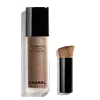 Key Ingredients
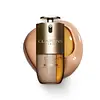
Benefits
Concerns
Ingredients Side-by-side
Water
Skin ConditioningHydrogenated Polydecene
EmollientGlycerin
Humectant


Methyl Gluceth-20
Humectant
PEG-75
HumectantPentylene Glycol
Skin Conditioning
Octyldodecanol
Emollient
Citrus Aurantium Amara Flower Extract
RefreshingPhenoxyethanol
Preservative
Butylene Glycol
Humectant
Polyhydroxystearic Acid
Emulsifying

Sodium Carbomer
Emulsion StabilisingDisteardimonium Hectorite
StabilisingTamarindus Indica Seed Gum
Emulsion Stabilising
Aluminum Hydroxide
EmollientPropylene Carbonate
SolventAmodimethicone

Disodium EDTA
ChelatingSodium Lauroyl Glutamate
SurfactantAlcaligenes Polysaccharides
EmollientParfum
Masking



Lysine
Skin ConditioningMagnesium Chloride
Ethylhexylglycerin
Skin ConditioningBHT
Antioxidant
CI 77007
Cosmetic ColorantCI 77491
Cosmetic ColorantCI 77492
Cosmetic ColorantCI 77499
Cosmetic ColorantCI 77891
Cosmetic ColorantMica
Cosmetic ColorantWater, Hydrogenated Polydecene, Glycerin, Methyl Gluceth-20, PEG-75, Pentylene Glycol, Octyldodecanol, Citrus Aurantium Amara Flower Extract, Phenoxyethanol, Butylene Glycol, Polyhydroxystearic Acid, Sodium Carbomer, Disteardimonium Hectorite, Tamarindus Indica Seed Gum, Aluminum Hydroxide, Propylene Carbonate, Amodimethicone, Disodium EDTA, Sodium Lauroyl Glutamate, Alcaligenes Polysaccharides, Parfum, Lysine, Magnesium Chloride, Ethylhexylglycerin, BHT, CI 77007, CI 77491, CI 77492, CI 77499, CI 77891, Mica
Water
Skin ConditioningGlycerin
Humectant
C15-19 Alkane
SolventCI 77891
Cosmetic ColorantCI 77492
Cosmetic ColorantDimethicone
Emollient
Dicaprylyl Carbonate
EmollientLauryl PEG-9 Polydimethylsiloxyethyl Dimethicone
Skin Conditioning
Butylene Glycol
Humectant
Undecane
EmollientPentylene Glycol
Skin Conditioning
Acrylates/Dimethicone Copolymer
Skin Conditioning
Squalane
Emollient
Dimethicone/PEG-10/15 Crosspolymer
CI 77491
Cosmetic ColorantTridecane
Perfuming
Parfum
Masking
Sodium Chloride
MaskingSilica
Abrasive


CI 77499
Cosmetic ColorantFructose
Humectant
Stearalkonium Hectorite
Gel FormingGlyceryl Caprylate
EmollientTromethamine
BufferingTocopheryl Acetate
Antioxidant

Ethylhexylglycerin
Skin ConditioningTriethoxycaprylylsilane
Escin
TonicCarbomer
Emulsion StabilisingPropylene Carbonate
SolventAluminum Hydroxide
EmollientAloe Barbadensis Leaf Juice Powder
Skin Conditioning

Sodium Acetylated Hyaluronate
Humectant
Disodium EDTA
ChelatingCaprylic/Capric Triglyceride
Masking
Hydroxyacetophenone
Antioxidant
Aesculus Hippocastanum Extract
Antioxidant
Papain
Skin Conditioning
Curcuma Longa Root Extract
Antioxidant
Mica
Cosmetic ColorantSodium Lactate
Buffering
Xanthan Gum
EmulsifyingMusa Sapientum Fruit Extract
Skin ConditioningDipropylene Glycol
Humectant1,2-Hexanediol
Skin Conditioning
Caprylyl Glycol
Emollient
Marrubium Vulgare Extract
Skin ConditioningSodium Citrate
BufferingCaramel
Cosmetic ColorantCoco-Glucoside
Cleansing
Algin
MaskingDipsacus Sylvestris Extract
Skin ConditioningPhenethyl Alcohol
MaskingTocopherol
Antioxidant
Furcellaria Lumbricalis Extract
Skin ConditioningCitric Acid
Buffering
Arbutus Unedo Fruit Extract
Antioxidant
Potassium Sorbate
Preservative
Palmitoyl Tripeptide-1
Skin Conditioning
Maris Sal
Skin ConditioningPalmitoyl Tetrapeptide-7
Skin Conditioning
Helianthus Annuus Seed Oil
Emollient
CI 14700
Cosmetic ColorantWater, Glycerin, C15-19 Alkane, CI 77891, CI 77492, Dimethicone, Dicaprylyl Carbonate, Lauryl PEG-9 Polydimethylsiloxyethyl Dimethicone, Butylene Glycol, Undecane, Pentylene Glycol, Acrylates/Dimethicone Copolymer, Squalane, Dimethicone/PEG-10/15 Crosspolymer, CI 77491, Tridecane, Parfum, Sodium Chloride, Silica, CI 77499, Fructose, Stearalkonium Hectorite, Glyceryl Caprylate, Tromethamine, Tocopheryl Acetate, Ethylhexylglycerin, Triethoxycaprylylsilane, Escin, Carbomer, Propylene Carbonate, Aluminum Hydroxide, Aloe Barbadensis Leaf Juice Powder, Sodium Acetylated Hyaluronate, Disodium EDTA, Caprylic/Capric Triglyceride, Hydroxyacetophenone, Aesculus Hippocastanum Extract, Papain, Curcuma Longa Root Extract, Mica, Sodium Lactate, Xanthan Gum, Musa Sapientum Fruit Extract, Dipropylene Glycol, 1,2-Hexanediol, Caprylyl Glycol, Marrubium Vulgare Extract, Sodium Citrate, Caramel, Coco-Glucoside, Algin, Dipsacus Sylvestris Extract, Phenethyl Alcohol, Tocopherol, Furcellaria Lumbricalis Extract, Citric Acid, Arbutus Unedo Fruit Extract, Potassium Sorbate, Palmitoyl Tripeptide-1, Maris Sal, Palmitoyl Tetrapeptide-7, Helianthus Annuus Seed Oil, CI 14700
Reviews
Ingredients Explained
These ingredients are found in both products.
Ingredients higher up in an ingredient list are typically present in a larger amount.
Aluminum Hydroxide is a form of aluminum. It can be naturally found in nature as the mineral gibbsite. In cosmetics, Aluminum Hydroxide is used as a colorant, pH adjuster, and absorbent.
As a colorant, Aluminum Hydroxide may add opacity, or reduce the transparency. Aluminum hydroxide is contains both basic and acidic properties.
According to manufacturers, this ingredient is an emollient and humectant. This means it helps hydrate the skin.
In medicine, this ingredient is used to help relieve heartburn and help heal ulcers.
There is currently no credible scientific evidence linking aluminum hydroxide in cosmetics to increased cancer risk.
Major health organizations allow the use of aluminum hydroxide in personal care products and have not flagged it as a carcinogenic risk at typical usage levels.
Learn more about Aluminum HydroxideButylene Glycol (or BG) is used within cosmetic products for a few different reasons:
Overall, Butylene Glycol is a safe and well-rounded ingredient that works well with other ingredients.
Though this ingredient works well with most skin types, some people with sensitive skin may experience a reaction such as allergic rashes, closed comedones, or itchiness.
Learn more about Butylene GlycolCi 77491 is also hydrated iron III oxide. It's sole purpose is to give a red/pink hue to products.
Iron III oxides are classified as inorganic chemicals for coloring.
Synthetically created Ci 77491 is considered safer than those naturally found. This is because the synthetically created version may contain less impurities. Iron oxides are generally non-toxic and non-allergenic.
Learn more about CI 77491CI 77492 is also hydrated iron III oxide. It's sole purpose is to give a yellow hue to products.
Iron III oxides are classified as inorganic chemicals for coloring.
Synthetically created CI 77492 is considered safer than those naturally found. This is because the synthetically created version may contain less impurities. Iron oxides are generally non-toxic and non-allergenic.
Learn more about CI 77492Ci 77499 is also hydrated iron III oxide. It is created from mixing red and black iron oxides. This helps give shades of darkness to a product.
Iron III oxides are classified as inorganic chemicals for coloring.
Ci 77891 is a white pigment from Titanium dioxide. It is naturally found in minerals such as rutile and ilmenite.
It's main function is to add a white color to cosmetics. It can also be mixed with other colors to create different shades.
Ci 77891 is commonly found in sunscreens due to its ability to block UV rays.
Learn more about CI 77891Disodium EDTA is a chelating agent. It grabs onto and deactivates metal ions that sneak into your products from water, packaging, or air.
This ingredient mainly works behind the scenes and helps with:
On top of that, this ingredient can counteract the effects of hard water by binding to the minerals in it.
One thing worth knowing is that Disodium EDTA has been shown to be a mild penetration enhancer. It can help other ingredients absorb into skin more effectively which can be a double-edged sword (great for actives, but can also make the active too strong if you have sensitive skin).
Clinical patch testing showed no significant skin irritation at typical use concentrations and minimal dermal absorption.
You'll most likely see this ingredient near the end of an ingredient list. It's typically found in concentrations less than 1%.
Learn more about Disodium EDTAEthylhexylglycerin is created from glycerin. It is a multitasker ingredient that:
The CIR Expert Panel found minimal skin absorption or sensitization of any kind in a safety assessment. Though this ingredient is considered well-tolerated, a small number of cases of allergic dermatitis have been published since 2002. Just be sure to patch test if you are unsure.
Industry-reported use ranges from 8% in rinse-off products and 2% in leave-on formulations.
Learn more about EthylhexylglycerinGlycerin (or glycerol) is a compound naturally found in your skin. It's a powerhouse humectant that pulls water into the stratum corneum.
Topically, glycerin does several things at once:
Your skin makes glycerin on its own (mostly from sebaceous oil breakdown) and shuttles it to your outermost layer of skin, or your epidermis, via aquaporin-3.
Aquaporin-3 is a transporter that is essential for normal skin hydration, elasticity, and repair. Interestingly, mice lacking in AQP3 have dry and less elastic skin that can be fully corrected with glycerin.
This ingredient is non-irritating, plays well with almost every ingredient, and works across all skin types. Typical use is anywhere between 3-10% but can go up to 79% in some leave-on products.
Just know very high concentrations (>40%) can feel tacky in low humidity.
Glycerin is the name for this ingredient in American English. British English uses Glycerol/Glycerine.
Learn more about GlycerinMica is a naturally occurring mineral used to add shimmer and color in cosmetics. It can also help improve the texture of a product or give it an opaque, white/silver color.
Serecite is the name for very fine but ragged grains of mica.
This ingredient is often coated with metal oxides like titanium dioxide. Trace amounts of heavy metals may be found in mica, but these metals are not harmful in our personal products.
Mica has been used since prehistoric times throughout the world. Ancient Egyptian, Indian, Greek, Roman, Aztec, and Chinese civilizations have used mica.
Learn more about MicaParfum is a catch-all term for an ingredient or more that is used to give a scent to products.
Also called "fragrance", this ingredient can be a blend of hundreds of chemicals or plant oils. This means every product with "fragrance" or "parfum" in the ingredients list is a different mixture.
For instance, Habanolide is a proprietary trade name for a specific aroma chemical. When used as a fragrance ingredient in cosmetics, most aroma chemicals fall under the broad labeling category of “FRAGRANCE” or “PARFUM” according to EU and US regulations.
The term 'parfum' or 'fragrance' is not regulated in many countries. In many cases, it is up to the brand to define this term.
For instance, many brands choose to label themselves as "fragrance-free" because they are not using synthetic fragrances. However, their products may still contain ingredients such as essential oils that are considered a fragrance by INCI standards.
One example is Calendula flower extract. Calendula is an essential oil that still imparts a scent or 'fragrance'.
Depending on the blend, the ingredients in the mixture can cause allergies and sensitivities on the skin. Some ingredients that are known EU allergens include linalool and citronellol.
Parfum can also be used to mask or cover an unpleasant scent.
The bottom line is: not all fragrances/parfum/ingredients are created equally. If you are worried about fragrances, we recommend taking a closer look at an ingredient. And of course, we always recommend speaking with a professional.
Learn more about ParfumPentylene Glycol (1,2-pentanediol) is a multitasking little diol with three main roles in a formula:
Research on alkanediols (the family pentylene glycol belongs to) show they work by disrupting microbial cell membranes. This disruption helps the primary preservative system in a product work more effectively at lower doses.
On the safety side, the Cosmetic Ingredient Review Expert Panel has concluded this ingredient to be safe as used in current cosmetic practices + concentrations.
Typical use levels in a formula run about 1-5%.
Learn more about Pentylene GlycolThis ingredient is a solvent. It helps dissolve active ingredients and alter the texture of products.
Propylene Carbonate is commonly used in makeup and with clay, such as montmorillonite or bentonite.
Studies show this ingredient to be safe for cosmetics. When it is undiluted, it can cause skin irritation. (It is always diluted in skincare and makeup). This ingredient is water-soluble.
Propylene Carbonate is created from propylene glycol and carbonic acid.
Learn more about Propylene CarbonateWater. It's the most common cosmetic ingredient of all. You'll usually see it at the top of ingredient lists, meaning that it makes up the largest part of the product.
So why is it so popular? Water most often acts as a solvent - this means that it helps dissolve other ingredients into the formulation.
You'll also recognize water as that liquid we all need to stay alive. If you see this, drink a glass of water. Remember to stay hydrated!
Learn more about Water


