
What's inside
What's inside
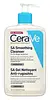 Key Ingredients
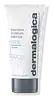
Benefits
Concerns
Ingredients Side-by-side
Water
Skin ConditioningSodium Lauroyl Sarcosinate
CleansingCocamidopropyl Hydroxysultaine
Cleansing
Glycerin
Humectant


Niacinamide
Smoothing









Gluconolactone
Skin Conditioning
Sodium Methyl Cocoyl Taurate
Cleansing
PEG-150 Pentaerythrityl Tetrastearate
Emulsifying
Ceramide NP
Skin Conditioning
Ceramide AP
Skin Conditioning
Ceramide EOP
Skin Conditioning
Carbomer
Emulsion StabilisingCalcium Gluconate
HumectantSalicylic Acid
Masking




Sodium Benzoate
Masking
Sodium Lauroyl Lactylate
EmulsifyingCholesterol
Emollient
Phenoxyethanol
Preservative
Disodium EDTA
Tetrasodium EDTA
Hydrolyzed Hyaluronic Acid
Humectant
Phytosphingosine
Skin Conditioning
Xanthan Gum
EmulsifyingEthylhexylglycerin
Skin ConditioningWater, Sodium Lauroyl Sarcosinate, Cocamidopropyl Hydroxysultaine, Glycerin, Niacinamide, Gluconolactone, Sodium Methyl Cocoyl Taurate, PEG-150 Pentaerythrityl Tetrastearate, Ceramide NP, Ceramide AP, Ceramide EOP, Carbomer, Calcium Gluconate, Salicylic Acid, Sodium Benzoate, Sodium Lauroyl Lactylate, Cholesterol, Phenoxyethanol, Disodium EDTA, Tetrasodium EDTA, Hydrolyzed Hyaluronic Acid, Phytosphingosine, Xanthan Gum, Ethylhexylglycerin
Water
Skin ConditioningEthylhexyl Hydroxystearate
Emollient
Butylene Glycol
Humectant
Cetearyl Ethylhexanoate
Emollient
Cetyl Caprylate
EmollientStearic Acid
Cleansing
PEG-8
HumectantOctyldodecanol
Emollient
Dimethicone
Emollient
Glyceryl Stearate Se
Emulsifying
PEG-100 Stearate
Surfactant
Sodium Hyaluronate
Humectant
Hydrolyzed Sodium Hyaluronate
Skin Conditioning
Sodium Ascorbyl Phosphate
Antioxidant

Chlorella Vulgaris Extract
Skin ConditioningCeramide NP
Skin Conditioning
Phytosterols
Skin Conditioning
Centella Asiatica Extract
Cleansing
Linoleic Acid
Cleansing
Echinacea Purpurea Extract
MoisturisingAloe Barbadensis Extract
Skin Conditioning
Palmitic Acid
Emollient
Myristic Acid
Cleansing
Rosa Centifolia Extract
Skin ConditioningLactic Acid
Buffering
Linolenic Acid
Cleansing
Propanediol
Solvent
Tocopherol
Antioxidant
Potassium Cetyl Phosphate
EmulsifyingHelianthus Annuus Seed Oil
Emollient
Tetrasodium Glutamate Diacetate
Ethylhexylglycerin
Skin ConditioningCetyl Alcohol
Emollient
Carbomer
Emulsion StabilisingHydroxystearic Acid
Cleansing
Aminomethyl Propanol
BufferingSodium Hydroxide
BufferingPhenoxyethanol
Preservative
Water, Ethylhexyl Hydroxystearate, Butylene Glycol, Cetearyl Ethylhexanoate, Cetyl Caprylate, Stearic Acid, PEG-8, Octyldodecanol, Dimethicone, Glyceryl Stearate Se, PEG-100 Stearate, Sodium Hyaluronate, Hydrolyzed Sodium Hyaluronate, Sodium Ascorbyl Phosphate, Chlorella Vulgaris Extract, Ceramide NP, Phytosterols, Centella Asiatica Extract, Linoleic Acid, Echinacea Purpurea Extract, Aloe Barbadensis Extract, Palmitic Acid, Myristic Acid, Rosa Centifolia Extract, Lactic Acid, Linolenic Acid, Propanediol, Tocopherol, Potassium Cetyl Phosphate, Helianthus Annuus Seed Oil, Tetrasodium Glutamate Diacetate, Ethylhexylglycerin, Cetyl Alcohol, Carbomer, Hydroxystearic Acid, Aminomethyl Propanol, Sodium Hydroxide, Phenoxyethanol
Reviews
Ingredients Explained
These ingredients are found in both products.
Ingredients higher up in an ingredient list are typically present in a larger amount.
Carbomer is a high-molecular weight polymer of acrylic acid. It is used to form gels and thicken formulas.
Due to its large molecular size, carbomer has minimal skin penetration and is considered an inert ingredient.
A high amount of carbomer can cause pilling or balling up of products. Don't worry, most products contain 1% or less of carbomer.
Learn more about CarbomerCeramide NP (formerly known as Ceramide 3) is one of the skin's naturally occurring lipids.
Since ceramides are the major lipid components of the skin, they are crucial for maintaining skin barrier and hydration. Ceramide NP most closely mirrors the dominant kind in human skin amongst ceramide subtypes.
This ceramide works by slotting into gaps within the stratum corneum's lipid matrix to limit trans-epidermal water loss (TEWL) and shield the skin against external irritants.
A study with 312 patients found that using a ceramide-containing routine for 4 weeks reduced the severity of atopic dermatitis by over 61%.
Another clinical study in subjects aged 60 and older found that a ceramide body wash and moisturizer improved skin dryness and itchy skin in 15 days.
Overall, ceramides are considered non-irritating and safety tests have found little to no observable adverse effects from using this ingredient.
Ceramide NP is usually sourced from plants (like soybean or rice bran), or produced synthetically.
Learn more about Ceramide NPEthylhexylglycerin is created from glycerin. It is a multitasker ingredient that:
The CIR Expert Panel found minimal skin absorption or sensitization of any kind in a safety assessment. Though this ingredient is considered well-tolerated, a small number of cases of allergic dermatitis have been published since 2002. Just be sure to patch test if you are unsure.
Industry-reported use ranges from 8% in rinse-off products and 2% in leave-on formulations.
Learn more about EthylhexylglycerinPhenoxyethanol is a preservative that has germicide, antimicrobial, and aromatic properties. Studies show that phenoxyethanol can prevent microbial growth. By itself, it has a scent that is similar to that of a rose.
It's often used in formulations along with Caprylyl Glycol to preserve the shelf life of products.
Water. It's the most common cosmetic ingredient of all. You'll usually see it at the top of ingredient lists, meaning that it makes up the largest part of the product.
So why is it so popular? Water most often acts as a solvent - this means that it helps dissolve other ingredients into the formulation.
You'll also recognize water as that liquid we all need to stay alive. If you see this, drink a glass of water. Remember to stay hydrated!
Learn more about Water
