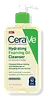
This mild foaming cleanser is made to cleanse without leaving your skin tight or dry.
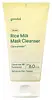
This mild gel cleanser is made to cleanse without leaving your skin tight or dry.


What's inside
What's inside
 Key Ingredients
Benefits
Concerns
Ingredients Side-by-side
Water
Skin ConditioningGlycerin
Humectant


PEG-200 Hydrogenated Glyceryl Palmate
Cleansing

Coco-Betaine
Cleansing
Disodium Cocoyl Glutamate
Cleansing
PEG-120 Methyl Glucose Dioleate
Emulsifying
Polysorbate 20
Emulsifying
PEG-7 Glyceryl Cocoate
Emulsifying

Squalane
Emollient
Ceramide NP
Skin Conditioning


Ceramide AP
Skin Conditioning
Ceramide EOP
Skin Conditioning
Carbomer
Emulsion StabilisingTriethyl Citrate
Masking

Sodium Chloride
MaskingSodium Hydroxide
BufferingSodium Cocoyl Glutamate
Cleansing
Sodium Benzoate
Masking
Sodium Lauroyl Lactylate
EmulsifyingSodium Hyaluronate
Humectant
Cholesterol
Emollient
Citric Acid
Buffering

Capryloyl Glycine
CleansingHydroxyacetophenone
Antioxidant
Caprylyl Glycol
Emollient
Caprylic/Capric Triglyceride
Masking
Trisodium Ethylenediamine Disuccinate
Phytosphingosine
Skin Conditioning
Xanthan Gum
EmulsifyingBenzoic Acid
Masking
PEG-150 Pentaerythrityl Tetrastearate
Emulsifying
PPG-5-Ceteth-20
EmulsifyingPEG-6 Caprylic/Capric Glycerides
EmulsifyingWater, Glycerin, PEG-200 Hydrogenated Glyceryl Palmate, Coco-Betaine, Disodium Cocoyl Glutamate, PEG-120 Methyl Glucose Dioleate, Polysorbate 20, PEG-7 Glyceryl Cocoate, Squalane, Ceramide NP, Ceramide AP, Ceramide EOP, Carbomer, Triethyl Citrate, Sodium Chloride, Sodium Hydroxide, Sodium Cocoyl Glutamate, Sodium Benzoate, Sodium Lauroyl Lactylate, Sodium Hyaluronate, Cholesterol, Citric Acid, Capryloyl Glycine, Hydroxyacetophenone, Caprylyl Glycol, Caprylic/Capric Triglyceride, Trisodium Ethylenediamine Disuccinate, Phytosphingosine, Xanthan Gum, Benzoic Acid, PEG-150 Pentaerythrityl Tetrastearate, PPG-5-Ceteth-20, PEG-6 Caprylic/Capric Glycerides
Glycerin
Humectant
Water
Skin ConditioningSodium Cocoyl Glycinate
Cleansing
Sodium Lauroyl Glutamate
SurfactantHydrated Silica
Abrasive
Disodium Cocoamphodiacetate
Cleansing1,2-Hexanediol
Skin Conditioning
Polyglycerin-3
Humectant
Bacillus/Soybean Ferment Extract
Skin ConditioningMalt Extract
Skin ProtectingOryza Sativa Extract
Absorbent
Gardenia Florida Fruit Extract
Skin ConditioningUlmus Davidiana Root Extract
Skin Conditioning
Amaranthus Caudatus Seed Extract
Skin Conditioning
Oryza Sativa Bran Oil
Emollient
Hydrogenated Lecithin
Emulsifying
Lauryl Betaine
CleansingAcrylates/C10-30 Alkyl Acrylate Crosspolymer
Emulsion StabilisingSodium Chloride
MaskingBetaine
Humectant
Lactobacillus/Soymilk Ferment Filtrate
Skin ConditioningLactobacillus/Rye Flour Ferment
Skin ConditioningSodium Methyl Cocoyl Taurate
Cleansing
Hydroxyacetophenone
Antioxidant
Ethylhexylglycerin
Skin ConditioningPanthenol
Skin Conditioning
Sodium Polyacrylate
Absorbent
Allantoin
Skin Conditioning
Hexylene Glycol
EmulsifyingBeta-Glucan
Skin Conditioning
Butylene Glycol
Humectant
Dipotassium Glycyrrhizate
Humectant
Ceramide NP
Skin Conditioning
Phytosphingosine
Skin Conditioning
Maltodextrin
Absorbent
Hydrolyzed Vegetable Protein
Skin ConditioningGlycerin, Water, Sodium Cocoyl Glycinate, Sodium Lauroyl Glutamate, Hydrated Silica, Disodium Cocoamphodiacetate, 1,2-Hexanediol, Polyglycerin-3, Bacillus/Soybean Ferment Extract, Malt Extract, Oryza Sativa Extract, Gardenia Florida Fruit Extract, Ulmus Davidiana Root Extract, Amaranthus Caudatus Seed Extract, Oryza Sativa Bran Oil, Hydrogenated Lecithin, Lauryl Betaine, Acrylates/C10-30 Alkyl Acrylate Crosspolymer, Sodium Chloride, Betaine, Lactobacillus/Soymilk Ferment Filtrate, Lactobacillus/Rye Flour Ferment, Sodium Methyl Cocoyl Taurate, Hydroxyacetophenone, Ethylhexylglycerin, Panthenol, Sodium Polyacrylate, Allantoin, Hexylene Glycol, Beta-Glucan, Butylene Glycol, Dipotassium Glycyrrhizate, Ceramide NP, Phytosphingosine, Maltodextrin, Hydrolyzed Vegetable Protein
Reviews
Ingredients Explained
These ingredients are found in both products.
Ingredients higher up in an ingredient list are typically present in a larger amount.
Ceramide NP (formerly known as Ceramide 3) is one of the skin's naturally occurring lipids.
Since ceramides are the major lipid components of the skin, they are crucial for maintaining skin barrier and hydration. Ceramide NP most closely mirrors the dominant kind in human skin amongst ceramide subtypes.
This ceramide works by slotting into gaps within the stratum corneum's lipid matrix to limit trans-epidermal water loss (TEWL) and shield the skin against external irritants.
A study with 312 patients found that using a ceramide-containing routine for 4 weeks reduced the severity of atopic dermatitis by over 61%.
Another clinical study in subjects aged 60 and older found that a ceramide body wash and moisturizer improved skin dryness and itchy skin in 15 days.
Overall, ceramides are considered non-irritating and safety tests have found little to no observable adverse effects from using this ingredient.
Ceramide NP is usually sourced from plants (like soybean or rice bran), or produced synthetically.
Learn more about Ceramide NPGlycerin (or glycerol) is a compound naturally found in your skin. It's a powerhouse humectant that pulls water into the stratum corneum.
Topically, glycerin does several things at once:
Your skin makes glycerin on its own (mostly from sebaceous oil breakdown) and shuttles it to your outermost layer of skin, or your epidermis, via aquaporin-3.
Aquaporin-3 is a transporter that is essential for normal skin hydration, elasticity, and repair. Interestingly, mice lacking in AQP3 have dry and less elastic skin that can be fully corrected with glycerin.
This ingredient is non-irritating, plays well with almost every ingredient, and works across all skin types. Typical use is anywhere between 3-10% but can go up to 79% in some leave-on products.
Just know very high concentrations (>40%) can feel tacky in low humidity.
Glycerin is the name for this ingredient in American English. British English uses Glycerol/Glycerine.
Learn more about GlycerinHydroxyacetophenone is a small phenolic molecule that earns its place in a formulas as an antioxidant and preservative booster.
As a phenol, it is able to neutralize free radicals to protect both the product and the skin from oxidative stress.
Though it can't kill microbes on its own, it works as a good supporting agent when combined with other preservatives like Phenoxyethanol or 1,2-Hexanediol.
This ingredient naturally occurs as piceol in Norwegian spruce needles (~0.4-1.1% dry weight and in cloudberries). Though the cosmetic-grade material is synthesized for purity and consistency.
You'll usually see it used at low levels and suppliers recommend up to 1% added to a water phase.
Safety testing was done at concentrations like 0.05% in SPF products and 0.5% in a Human Repeated Insult Patch Test. The safety evidence is assuring; this ingredient is safe for cosmetics in current use and also holds safety status as a food flavoring as well.
An honest caveat: the "soothing" and "anti-inflammatory" claims come mostly from supplier marketing rather than published clinical trials. The Cosmetic Ingredient Review's own literature search found no useful efficacy studies on this ingredient.
So the antioxidant and preservative-boosting roles are the well supported ones while the calming benefit is plausible but thinly evidenced.
Overall, this is a well-tolerated, low-irritation multitasker that quietly helps a formula stay fresh and stable.
Learn more about HydroxyacetophenonePhytosphingosine is a phospholipid naturally found in our skin as a building block for ceramides.. It helps moisturize, soothe, and protect skin.
Phytosphingosine contributes to your skin's natural moisturizing factor (NMF). The NMF is responsible for hydration, a strong barrier, and plasticity. Our NMF decreases with age. Increasing NMF leads to more healthy and hydrated skin.
Studies show products formulated with NMF ingredients help strengthen our skin's barrier. Having a healthy skin barrier reduces irritation and increases hydration. Our skin barrier is responsible for having plump and firm skin. It also helps protect our skin against infection, allergies, and inflammation.
Fun fact: Phytosphingosine is abundant in plants and fungi.
More ingredients that help boost collagen in skin:
Learn more about PhytosphingosineChances are, you eat sodium chloride every day. Sodium Chloride is also known as table salt. This ingredient has many purposes in skincare: thickener, emulsifier, and exfoliator.
You'll most likely find this ingredient in cleansers where it is used to create a gel-like texture. As an emulsifier, it also prevents ingredients from separating.
You might see people debate whether Sodium Chloride is comedogenic, but there actually haven't been any comedogenic tests done on it. Either way, the overall formulation of a product matters a lot more than any single ingredient.
You might see this ingredient used in scrubs as a primary exfoliating ingredient.
Learn more about Sodium ChlorideWater. It's the most common cosmetic ingredient of all. You'll usually see it at the top of ingredient lists, meaning that it makes up the largest part of the product.
So why is it so popular? Water most often acts as a solvent - this means that it helps dissolve other ingredients into the formulation.
You'll also recognize water as that liquid we all need to stay alive. If you see this, drink a glass of water. Remember to stay hydrated!
Learn more about Water

