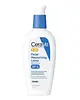
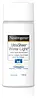
CeraVe AM Facial Moisturising Lotion SPF30 Versus Neutrogena Ultra Sheer Water-Light Daily Face Sunscreen SPF 60

What's inside
What's inside
 Key Ingredients
Benefits
Concerns
Ingredients Side-by-side
Homosalate 10%
Skin Conditioning

Menthyl Anthranilate 5%
UV Absorber
Ethylhexyl Methoxycinnamate 5%
UV Absorber
Octocrylene 2%
UV Absorber
Zinc Oxide 6.3%
Cosmetic Colorant
Water
Skin ConditioningNiacinamide
Smoothing










Glycerin
Humectant
Cetearyl Alcohol
Emollient




Behentrimonium Methosulfate
Surfactant
Dimethicone
Emollient
BHT
Antioxidant
Ceramide NP
Skin Conditioning
Ceramide AP
Skin Conditioning
Ceramide EOP
Skin Conditioning
Carbomer
Emulsion StabilisingTriethoxycaprylylsilane
Methylparaben
Preservative

Sodium Lauroyl Lactylate
EmulsifyingCholesterol
Emollient
Aluminum Starch Octenylsuccinate
Absorbent
Disodium EDTA
Propylparaben
Preservative
Hydroxyethylcellulose
Emulsion StabilisingHydrolyzed Hyaluronic Acid
Humectant
Phytosphingosine
Skin Conditioning
Xanthan Gum
EmulsifyingHomosalate 10%, Menthyl Anthranilate 5%, Ethylhexyl Methoxycinnamate 5%, Octocrylene 2%, Zinc Oxide 6.3%, Water, Niacinamide, Glycerin, Cetearyl Alcohol, Behentrimonium Methosulfate, Dimethicone, BHT, Ceramide NP, Ceramide AP, Ceramide EOP, Carbomer, Triethoxycaprylylsilane, Methylparaben, Sodium Lauroyl Lactylate, Cholesterol, Aluminum Starch Octenylsuccinate, Disodium EDTA, Propylparaben, Hydroxyethylcellulose, Hydrolyzed Hyaluronic Acid, Phytosphingosine, Xanthan Gum
Homosalate 10%
Skin Conditioning
Octocrylene 7.5%
UV Absorber
Ethylhexyl Salicylate 5%
UV Absorber
Benzophenone-3 5%
UV Absorber
Acrylates/Dimethicone Methacrylate Copolymer 3%
Emollient
Ascorbic Acid
Antioxidant
BHT
Antioxidant
Bisabolol
Antioxidant
Butylene Glycol
Humectant
C12-15 Alkyl Benzoate
AntimicrobialCamellia Oleifera Leaf Extract
AstringentCaprylyl Glycol
Emollient
Cetyl Dimethicone
Emollient
Chlorphenesin
Antimicrobial
Cyclopentasiloxane
Emollient
Diethylhexyl 2,6-Naphthalate
EmollientDisodium EDTA
Ethylhexylglycerin
Skin ConditioningMannan
Neopentyl Glycol Diheptanoate
EmollientPantothenic Acid
Skin ConditioningParfum
Masking

Pentylene Glycol
Skin Conditioning
Phenoxyethanol
Preservative
Polyester-7
Skin ConditioningPolymethyl Methacrylate
Portulaca Oleracea Extract
Skin Conditioning
Retinyl Palmitate
Skin Conditioning
Silica
Abrasive
Steareth-100
Gel FormingSteareth-2
EmulsifyingStyrene/Acrylates Copolymer
Tocopheryl Acetate
Antioxidant
Water
Skin ConditioningXanthan Gum
EmulsifyingHomosalate 10%, Octocrylene 7.5%, Ethylhexyl Salicylate 5%, Benzophenone-3 5%, Acrylates/Dimethicone Methacrylate Copolymer 3%, Ascorbic Acid, BHT, Bisabolol, Butylene Glycol, C12-15 Alkyl Benzoate, Camellia Oleifera Leaf Extract, Caprylyl Glycol, Cetyl Dimethicone, Chlorphenesin, Cyclopentasiloxane, Diethylhexyl 2,6-Naphthalate, Disodium EDTA, Ethylhexylglycerin, Mannan, Neopentyl Glycol Diheptanoate, Pantothenic Acid, Parfum, Pentylene Glycol, Phenoxyethanol, Polyester-7, Polymethyl Methacrylate, Portulaca Oleracea Extract, Retinyl Palmitate, Silica, Steareth-100, Steareth-2, Styrene/Acrylates Copolymer, Tocopheryl Acetate, Water, Xanthan Gum
Reviews
Ingredients Explained
These ingredients are found in both products.
Ingredients higher up in an ingredient list are typically present in a larger amount.
BHT is a synthetic antioxidant and preservative.
As an antioxidant, it helps your body fight off free-radicals. Free-radicals are molecules that may damage your skin cells.
As a preservative, it is used to stabilize products and prevent them from degrading. Specifically, BHT prevents degradation from oxidation.
The concerns related to BHT come from oral studies; this ingredient is currently allowed for use by both the FDA and EU.
However, it was recently restricted for use in the UK as of April 2024.
Learn more about BHTDisodium EDTA is a chelating agent. It grabs onto and deactivates metal ions that sneak into your products from water, packaging, or air.
This ingredient mainly works behind the scenes and helps with:
On top of that, this ingredient can counteract the effects of hard water by binding to the minerals in it.
One thing worth knowing is that Disodium EDTA has been shown to be a mild penetration enhancer. It can help other ingredients absorb into skin more effectively which can be a double-edged sword (great for actives, but can also make the active too strong if you have sensitive skin).
Clinical patch testing showed no significant skin irritation at typical use concentrations and minimal dermal absorption.
You'll most likely see this ingredient near the end of an ingredient list. It's typically found in concentrations less than 1%.
Learn more about Disodium EDTAHomosalate is a chemical sunscreen filter that provides protection in the UV-B range (280nm - 320 nm), with a peak protection at 306 nm. It is internationally approved for use in sunscreens.
Homosalate is not photo-stable, meaning it's strength as a UV filter degrades over time with exposure to the sun. Because of this, it's often used in combination with other chemical sunscreen filters as avobenzone (which protects from the UV-A range). Homosalate also helps act as a solvent for harder-to-dissolve UV filters.
(Part of the reason that sunscreens need to be frequently re-applied is due to the photo instability of many chemical sunscreen filters)
Currently, homosalate is approved in concentrations up to 10% in the EU and 15% in the US. The FDA is currently doing further research on the effects of homosalate, and it is possible that these approved concentrations will change in the future.
Learn more about HomosalateOctocrylene protects skin from sun damage. It absorbs UV-B with peak absorption of 304 nm. It is a common sunscreen ingredient and often paired with avobenzone, a UVA filter. This is because octocrylene stabilizes other sunscreen ingredients by protecting them from degradation when exposed to sunlight. Octocrylene is a photostable ingredient and loses about 10% of SPF in 95 minutes.
Octocrylene also acts as an emollient, meaning it helps skin retain moisture and softens skin. It is oil-soluble and hydrophobic, enhancing water-resistant properties in a product.
Those who are using ketoprofen, a topical anti-inflammatory drug, may experience an allergic reaction when using octocrylene. It is best to speak with a healthcare professional about using sunscreens with octocrylene.
The EU allows a maximum of these concentrations:
Learn more about OctocryleneWater. It's the most common cosmetic ingredient of all. You'll usually see it at the top of ingredient lists, meaning that it makes up the largest part of the product.
So why is it so popular? Water most often acts as a solvent - this means that it helps dissolve other ingredients into the formulation.
You'll also recognize water as that liquid we all need to stay alive. If you see this, drink a glass of water. Remember to stay hydrated!
Learn more about WaterXanthan gum is used as a stabilizer and thickener within cosmetic products. It helps give products a sticky, thick feeling - preventing them from being too runny.
On the technical side of things, xanthan gum is a polysaccharide - a combination consisting of multiple sugar molecules bonded together.
Xanthan gum is a pretty common and great ingredient. It is a natural, non-toxic, non-irritating ingredient that is also commonly used in food products.
Learn more about Xanthan Gum
