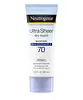
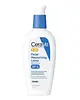
Neutrogena Ultra Sheer Dry-Touch Sunscreen Broad Spectrum SPF 70 Versus CeraVe AM Facial Moisturising Lotion SPF30

What's inside
What's inside
 Key Ingredients
Benefits
Concerns
Ingredients Side-by-side
Butyl Methoxydibenzoylmethane 3%
UV Absorber
Homosalate 15%
Skin Conditioning
Ethylhexyl Salicylate 5%
UV Absorber
Octocrylene 10%
UV Absorber

Water
Skin ConditioningButyloctyl Salicylate
Skin Conditioning
Styrene/Acrylates Copolymer
Silica
Abrasive


Dimethicone
Emollient

Potassium Cetyl Phosphate
EmulsifyingBenzyl Alcohol
Perfuming



Beeswax
Emulsion Stabilising


Caprylyl Methicone
Skin Conditioning
Aluminum Starch Octenylsuccinate
Absorbent
Glyceryl Stearate
Emollient
PEG-100 Stearate
Surfactant
Cetyl Dimethicone
Emollient
Caprylyl Glycol
Emollient
Ethylhexylglycerin
Skin ConditioningBehenyl Alcohol
Emollient
Acrylates/Dimethicone Copolymer
Skin Conditioning
Xanthan Gum
EmulsifyingChlorphenesin
Antimicrobial
Dimethicone/PEG-10/15 Crosspolymer
Sodium Polyacrylate
Absorbent
Hydrolyzed Jojoba Esters
Skin Conditioning
Parfum
Masking

Disodium EDTA
Ethylhexyl Stearate
Emollient
Tocopheryl Acetate
Antioxidant


BHT
Antioxidant
Jojoba Esters
Emollient
Trideceth-6
EmulsifyingButyl Methoxydibenzoylmethane 3%, Homosalate 15%, Ethylhexyl Salicylate 5%, Octocrylene 10%, Water, Butyloctyl Salicylate, Styrene/Acrylates Copolymer, Silica, Dimethicone, Potassium Cetyl Phosphate, Benzyl Alcohol, Beeswax, Caprylyl Methicone, Aluminum Starch Octenylsuccinate, Glyceryl Stearate, PEG-100 Stearate, Cetyl Dimethicone, Caprylyl Glycol, Ethylhexylglycerin, Behenyl Alcohol, Acrylates/Dimethicone Copolymer, Xanthan Gum, Chlorphenesin, Dimethicone/PEG-10/15 Crosspolymer, Sodium Polyacrylate, Hydrolyzed Jojoba Esters, Parfum, Disodium EDTA, Ethylhexyl Stearate, Tocopheryl Acetate, BHT, Jojoba Esters, Trideceth-6
Homosalate 10%
Skin Conditioning
Menthyl Anthranilate 5%
UV Absorber
Ethylhexyl Methoxycinnamate 5%
UV Absorber
Octocrylene 2%
UV Absorber
Zinc Oxide 6.3%
Cosmetic Colorant
Water
Skin ConditioningNiacinamide
Smoothing






Glycerin
Humectant
Cetearyl Alcohol
Emollient
Behentrimonium Methosulfate
Surfactant
Dimethicone
Emollient
BHT
Antioxidant
Ceramide NP
Skin Conditioning
Ceramide AP
Skin Conditioning
Ceramide EOP
Skin Conditioning
Carbomer
Emulsion StabilisingTriethoxycaprylylsilane
Methylparaben
Preservative
Sodium Lauroyl Lactylate
EmulsifyingCholesterol
Emollient
Aluminum Starch Octenylsuccinate
Absorbent
Disodium EDTA
Propylparaben
Preservative
Hydroxyethylcellulose
Emulsion StabilisingHydrolyzed Hyaluronic Acid
Humectant
Phytosphingosine
Skin Conditioning
Xanthan Gum
EmulsifyingHomosalate 10%, Menthyl Anthranilate 5%, Ethylhexyl Methoxycinnamate 5%, Octocrylene 2%, Zinc Oxide 6.3%, Water, Niacinamide, Glycerin, Cetearyl Alcohol, Behentrimonium Methosulfate, Dimethicone, BHT, Ceramide NP, Ceramide AP, Ceramide EOP, Carbomer, Triethoxycaprylylsilane, Methylparaben, Sodium Lauroyl Lactylate, Cholesterol, Aluminum Starch Octenylsuccinate, Disodium EDTA, Propylparaben, Hydroxyethylcellulose, Hydrolyzed Hyaluronic Acid, Phytosphingosine, Xanthan Gum
Reviews
Ingredients Explained
These ingredients are found in both products.
Ingredients higher up in an ingredient list are typically present in a larger amount.
Aluminum Starch Octenylsuccinate is a synthetic powder used as an absorbent, thickener, and anti-caking agent.
As an absorbent, it is great at mattifying skin by soaking up the oil. This is why you'll find it in a range of products from makeup to moisturizers.
This ingredient is considered a modified starch. Starch can also be found naturally in plants.
One study from 1991 found that 5% of this ingredient enhanced titanium dioxide SPF by as much as 40%. The study found 1% titanium dioxide had a 5.6 SPF and adding 5% of aluminum starch octenylsuccinate boosted it to an SPF of 8.1
Although “aluminum” in an ingredient name can raise red flags for some consumers, the form and usage context matter significantly. For typical topical applications, there is no substantial evidence of health risks - such as cancer, neurotoxicity, or systemic “aluminum overload.”
Learn more about Aluminum Starch OctenylsuccinateBHT is a synthetic antioxidant and preservative.
As an antioxidant, it helps your body fight off free-radicals. Free-radicals are molecules that may damage your skin cells.
As a preservative, it is used to stabilize products and prevent them from degrading. Specifically, BHT prevents degradation from oxidation.
The concerns related to BHT come from oral studies; this ingredient is currently allowed for use by both the FDA and EU.
However, it was recently restricted for use in the UK as of April 2024.
Learn more about BHTDimethicone is a type of synthetic silicone created from natural materials such as quartz. It is also known as polydimethylsiloxane.
What it does:
Dimethicone comes in different viscosities:
Depending on the viscosity, dimethicone has different properties.
Ingredients lists don't always show which type is used, so we recommend reaching out to the brand if you have questions about the viscosity.
This ingredient is unlikely to cause irritation because it does not get absorbed into skin. However, people with silicone allergies should be careful about using this ingredient.
Note: Dimethicone may contribute to pilling. This is because it is not oil or water soluble, so pilling may occur when layered with products. When mixed with heavy oils in a formula, the outcome is also quite greasy.
Learn more about DimethiconeDisodium EDTA is a chelating agent. It grabs onto and deactivates metal ions that sneak into your products from water, packaging, or air.
This ingredient mainly works behind the scenes and helps with:
On top of that, this ingredient can counteract the effects of hard water by binding to the minerals in it.
One thing worth knowing is that Disodium EDTA has been shown to be a mild penetration enhancer. It can help other ingredients absorb into skin more effectively which can be a double-edged sword (great for actives, but can also make the active too strong if you have sensitive skin).
Clinical patch testing showed no significant skin irritation at typical use concentrations and minimal dermal absorption.
You'll most likely see this ingredient near the end of an ingredient list. It's typically found in concentrations less than 1%.
Learn more about Disodium EDTAHomosalate is an oil-soluble organic UVB filter that has been a sunscreen staple for decades. Its job is to absorb UVB rays (280-315 nm) and protect your skin against sunburn,
This is one of the more photostable organic UV filters; it holds up pretty well under UV and a 2022 quantum-chemistry study found it stays stable in sunlight.
It's actually so reliable that formulators often pair it with shakier ingredients like oxybenzone and avobenzone. Formulators also use it to help dissolve the other UV filters into the oil phase.
One thing to keep in mind: "stable" isn't the same as "strong". On its own, homosalate is actually a pretty weak UV filter so it's better off as a helpful team player that helps boost overall SPF protection.
The safety picture is a bit nuanced but not scary.
This ingredient has a long track record of being gentle and regulators agree it isn't an irritant; EU's Scientific Committee on Consumer Safety found that homosalate is not considered a skin irritant and doesn't raise eye-irritation flags either.
There's talk about homosalate because your skin absorbs a little bit of it into your bloodstream. A 2020 FDA-backed study found homosalate showed up in people's blood levels at the level where the FDA decides to double check.
The EU's Scientific Committee on Consumer Safety (SCCS) also found small amounts in blood and breast milk. They estimated that about 5% of what you apply gets absorbed through the skin.
Due to the debate about whether it might mess with hormones, the SCCS recommended a maximum limit of 0.5% in most products of 7.3% in face creams/pump sprays.
One important thing to keep in mind: in the US, Homosalate is currently labeled "non-GRASE" by the FDA. This sounds alarming but really just means the FDA wants more data to confirm it's safe. It's not confidently saying this ingredient is harmful.
As of now, homosalate is still completely legal and widely used while that research gets done.
The current maximum limits are:
Learn more about HomosalateOctocrylene is an oil-soluble organic UV filter that mainly absorbs UVB and short wave UVA II light.
Its real superpower is teamwork: octocrylene is remarkably photostable and is most famous for stabilizing avobenzone (the workhorse UVA filter).
This ingredient is commonly used to enhance both UVB and UVA protection due to its unique property in stabilizing avobenzone. It also pulls double duty by boosting water resistance and giving formulas a smooth, spreadable feel.
The EU's Scientific Committee on Consumer Safety (SCCS) has deemed octocrylene to be safe as a UV-filter at concentrations up to 10% (capped at 9% in propellant sprays). The US also permits it up to 10%.
Two things worth knowing:
You'll usually see this ingredient used in concentrations between 2-10% (higher amounts when used as a stabilizer for avobenzone).
Learn more about OctocryleneWater. It's the most common cosmetic ingredient of all. You'll usually see it at the top of ingredient lists, meaning that it makes up the largest part of the product.
So why is it so popular? Water most often acts as a solvent - this means that it helps dissolve other ingredients into the formulation.
You'll also recognize water as that liquid we all need to stay alive. If you see this, drink a glass of water. Remember to stay hydrated!
Learn more about WaterXanthan gum is used as a stabilizer and thickener within cosmetic products. It helps give products a sticky, thick feeling - preventing them from being too runny.
On the technical side of things, xanthan gum is a polysaccharide - a combination consisting of multiple sugar molecules bonded together.
Xanthan gum is a pretty common and great ingredient. It is a natural, non-toxic, non-irritating ingredient that is also commonly used in food products.
Learn more about Xanthan Gum
