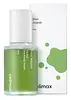
This anti-aging ampoule is formulated around Morinda Citrifolia Fruit Extract and Ceramide NP to soften the look of wrinkles and hydrate skin.
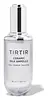
This hydrating ampoule is formulated around Oryza Sativa Bran Oil and Ceramide NP to hydrate skin and strengthen the skin barrier.

What's inside
What's inside
 Key Ingredients
Benefits
Concerns
Ingredients Side-by-side
Morinda Citrifolia Fruit Extract 71.77%
Skin Conditioning


Butylene Glycol
Humectant

Propanediol
Solvent
Glycerin
Humectant
1,2-Hexanediol
Skin Conditioning
Diethoxyethyl Succinate
SolventGlyceryl Acrylate/Acrylic Acid Copolymer
HumectantMorinda Citrifolia Seed Oil
Skin Conditioning


Ceramide NP
Skin Conditioning


Olea Europaea Fruit Oil
Masking
Butyrospermum Parkii Butter
Skin Conditioning


Squalane
Emollient
Rosmarinus Officinalis Leaf Oil
Masking
Melia Azadirachta Leaf Extract
Skin ConditioningMelia Azadirachta Flower Extract
Skin ConditioningTheobroma Cacao Extract
Skin ConditioningDextrin
AbsorbentPhytosphingosine
Skin Conditioning
Cholesterol
Emollient
Sodium Hyaluronate
Humectant
Hydrogenated Lecithin
Emulsifying
C12-13 Pareth-9
EmulsifyingSodium Polyacryloyldimethyl Taurate
Emulsion StabilisingCaprylic/Capric Triglyceride
Masking
Water
Skin ConditioningAllantoin
Skin Conditioning
Adenosine
Skin Conditioning
Disodium EDTA
Chlorphenesin
Antimicrobial
Morinda Citrifolia Fruit Extract 71.77%, Butylene Glycol, Propanediol, Glycerin, 1,2-Hexanediol, Diethoxyethyl Succinate, Glyceryl Acrylate/Acrylic Acid Copolymer, Morinda Citrifolia Seed Oil, Ceramide NP, Olea Europaea Fruit Oil, Butyrospermum Parkii Butter, Squalane, Rosmarinus Officinalis Leaf Oil, Melia Azadirachta Leaf Extract, Melia Azadirachta Flower Extract, Theobroma Cacao Extract, Dextrin, Phytosphingosine, Cholesterol, Sodium Hyaluronate, Hydrogenated Lecithin, C12-13 Pareth-9, Sodium Polyacryloyldimethyl Taurate, Caprylic/Capric Triglyceride, Water, Allantoin, Adenosine, Disodium EDTA, Chlorphenesin
Lactobacillus/Soymilk Ferment Filtrate
Skin ConditioningIsopropyl Myristate
Emollient
Polyglyceryl-2 Dipolyhydroxystearate
Skin Conditioning
Oryza Sativa Bran Oil
Emollient
Polyglyceryl-4 Isostearate
Emulsifying
Polyglyceryl-3 Ricinoleate
Emulsifying
Glycerin
Humectant
Butylene Glycol
Humectant
Caprylic/Capric Triglyceride
Masking
Niacinamide
Smoothing




Dimer Dilinoleyl Dimer Dilinoleate
Emollient1,2-Hexanediol
Skin Conditioning
Benzyl Glycol
SolventPrunus Amygdalus Dulcis Seed Extract
Skin ConditioningOryza Sativa Extract
Absorbent
Avena Sativa Meal Extract
SoothingPersea Gratissima Fruit Extract
EmollientMaltodextrin
Absorbent
Water
Skin ConditioningAdenosine
Skin Conditioning
Ethylhexylglycerin
Skin ConditioningSaccharomyces/Viscum Album Ferment Extract
Skin Conditioning
Lactobacillus/Soybean Ferment Extract
Skin ConditioningSqualane
Emollient
Chamomilla Recutita Flower Extract
Masking
Saccharomyces/Imperata Cylindrica Root Ferment Extract
Emollient
Moringa Oleifera Seed Extract
Skin Conditioning
Hydrogenated Lecithin
Emulsifying
Collagen
Moisturising
Cetearyl Alcohol
Emollient
Theobroma Cacao Extract
Skin ConditioningPyrus Malus Leaf Extract
Skin ConditioningVanilla Planifolia Fruit Extract
Skin Conditioning
Leuconostoc/Radish Root Ferment Filtrate
Antimicrobial
Stearic Acid
Cleansing
Fragaria Chiloensis Fruit Extract
Skin Conditioning
Musa Sapientum Fruit Extract
Skin ConditioningPrunus Persica Fruit Extract
Abrasive
Propanediol
Solvent
Cocos Nucifera Oil
Masking
Prunus Domestica Fruit Extract
MoisturisingCeramide NP
Skin Conditioning
Cholesterol
Emollient
Phytosphingosine
Skin Conditioning
Ceramide Ng
Skin Conditioning
Ceramide Ns
Skin Conditioning
Ceramide As
Skin Conditioning
Ceramide AP
Skin Conditioning
Glycine
Buffering
Glutamic Acid
Humectant
Leucine
Skin ConditioningMethionine
Skin ConditioningValine
MaskingSerine
Masking
Aspartic Acid
Masking
Alanine
Masking
Arginine
Masking
Isoleucine
Skin ConditioningPhenylalanine
Masking
Proline
Skin Conditioning
Histidine
Humectant
Taurine
BufferingOrnithine
Skin ConditioningCeramide EOP
Skin Conditioning
Lactobacillus/Soymilk Ferment Filtrate, Isopropyl Myristate, Polyglyceryl-2 Dipolyhydroxystearate, Oryza Sativa Bran Oil, Polyglyceryl-4 Isostearate, Polyglyceryl-3 Ricinoleate, Glycerin, Butylene Glycol, Caprylic/Capric Triglyceride, Niacinamide, Dimer Dilinoleyl Dimer Dilinoleate, 1,2-Hexanediol, Benzyl Glycol, Prunus Amygdalus Dulcis Seed Extract, Oryza Sativa Extract, Avena Sativa Meal Extract, Persea Gratissima Fruit Extract, Maltodextrin, Water, Adenosine, Ethylhexylglycerin, Saccharomyces/Viscum Album Ferment Extract, Lactobacillus/Soybean Ferment Extract, Squalane, Chamomilla Recutita Flower Extract, Saccharomyces/Imperata Cylindrica Root Ferment Extract, Moringa Oleifera Seed Extract, Hydrogenated Lecithin, Collagen, Cetearyl Alcohol, Theobroma Cacao Extract, Pyrus Malus Leaf Extract, Vanilla Planifolia Fruit Extract, Leuconostoc/Radish Root Ferment Filtrate, Stearic Acid, Fragaria Chiloensis Fruit Extract, Musa Sapientum Fruit Extract, Prunus Persica Fruit Extract, Propanediol, Cocos Nucifera Oil, Prunus Domestica Fruit Extract, Ceramide NP, Cholesterol, Phytosphingosine, Ceramide Ng, Ceramide Ns, Ceramide As, Ceramide AP, Glycine, Glutamic Acid, Leucine, Methionine, Valine, Serine, Aspartic Acid, Alanine, Arginine, Isoleucine, Phenylalanine, Proline, Histidine, Taurine, Ornithine, Ceramide EOP
Reviews
Ingredients Explained
These ingredients are found in both products.
Ingredients higher up in an ingredient list are typically present in a larger amount.
1,2-Hexanediol is a synthetic liquid and another multi-functional powerhouse.
It is a:
- Humectant, drawing moisture into the skin
- Emollient, helping to soften skin
- Solvent, dispersing and stabilizing formulas
- Preservative booster, enhancing the antimicrobial activity of other preservatives
Adenosine is a purine nucleoside that your body already makes in every cell. In skincare, it acts mainly as a skin conditioning and anti-aging agent.
The way it works is fairly well mapped out:
Your skin has cells called fibroblasts that build collagen (the stuff that keeps skin firm and smooth). Adenosine basically flips a switch on these cells that tells them to get to work making more collagen and other proteins. These cells slow down on their own as skin ages, so Adenosine helps give them a little nudge to keep going.
The clinical backing is pretty solid too.
A blind, randomized, placebo-controlled trial of 126 women aged 45-65 tested a 0.1% cream twice daily and found real improvements in crow's feet and frown lines using a precise 3D skin-mapping technique; these changes showed up by week 3 and held at 2 months.
A later study using Adenosine-loaded dissolving microneedle patches reported gains in wrinkle depth, dermal density, elasticity, and hydration.
On concentrations, South Korea's Ministry of Food and Drug Safety has set 0.04% as the approved functional anti-wrinkle level. You'll typically see this ingredient used somewhere in the 0.04-0.1% range since it works at low doses.
This ingredient has been found safe for cosmetics with the data showing no irritation or sensitization.
Overall, this is a great ingredient for any anti-aging routine and has no photosensitizing effect, so it suits both AM and PM use.
Learn more about AdenosineButylene Glycol (or BG) is used within cosmetic products for a few different reasons:
Overall, Butylene Glycol is a safe and well-rounded ingredient that works well with other ingredients.
Though this ingredient works well with most skin types, some people with sensitive skin may experience a reaction such as allergic rashes, closed comedones, or itchiness.
Learn more about Butylene GlycolCaprylic/Capric Triglyceride (aka MCT Oil) is a lightweight emollient, solvent, and texture enhancer. It is considered a skin-softener by helping to prevent moisture loss.
Though it behaves like an oil, it is not technically one due to its chemical composition. One perk of this ingredient is that it is very stable, resistant to oxidation, and unlikely to go rancid.
In practice, that translates to a long shelf life and a consistently elegant skin feel.
While there is an assumption Caprylic Triglyceride can clog pores due to it being derived from coconut oil, there is no research supporting this. Just patch test if you have concerns.
Fractionated coconut oil and MCT Oil are both listed as Caprylic/Capric Triglyceride according to INCI. This is because INCI names are based on the ingredient’s final chemical composition and not its marketing name or source.
This ingredient is treated as the gold standard fungal acne safe oil. Even though it is coconut derived, the problematic lauric acid is stripped out.
This leaves just caprylic (C8) and capric (C10) acid. These chain lengths actually trend antifungal; a 2020 study found caprylic acid was enough to disrupt Malassezia furfur cell membrane, with a caprylic acid derivative damaging membrane structures at concentrations as low as 0.2%.
Learn more about Caprylic/Capric TriglycerideCeramide NP (formerly known as Ceramide 3) is one of the skin's naturally occurring lipids.
Since ceramides are the major lipid components of the skin, they are crucial for maintaining skin barrier and hydration. Ceramide NP most closely mirrors the dominant kind in human skin amongst ceramide subtypes.
This ceramide works by slotting into gaps within the stratum corneum's lipid matrix to limit trans-epidermal water loss (TEWL) and shield the skin against external irritants.
A study with 312 patients found that using a ceramide-containing routine for 4 weeks reduced the severity of atopic dermatitis by over 61%.
Another clinical study in subjects aged 60 and older found that a ceramide body wash and moisturizer improved skin dryness and itchy skin in 15 days.
Overall, ceramides are considered non-irritating and safety tests have found little to no observable adverse effects from using this ingredient.
Ceramide NP is usually sourced from plants (like soybean or rice bran), or produced synthetically.
Learn more about Ceramide NPCholesterol is a lipid that is naturally found in human skin and is one of the three key components of your skin barrier. In skincare, it is an emollient and barrier-repairing ingredient.
It works by fitting directly into the lipid layers of skin to help restore structure and reduce transepidermal water loss (TEWL).
This is a great ingredient for dry, compromised, or aging skin; our skin starts to produce less cholesterol with age.
Research shows cholesterol works best in combination with ceramides and fatty acids, the other two major components in your skin barrier.
Cholesterol is also a well-establish penetration enhancer and can help other actives absorb more effectively.
Cosmetic-grade cholesterol is usually derived from lanolin but plant and synthetic options also exist. We recommend reaching out to the brand if you have questions about their source of cholesterol.
Learn more about CholesterolGlycerin (or glycerol) is a compound naturally found in your skin. It's a powerhouse humectant that pulls water into the stratum corneum.
Topically, glycerin does several things at once:
Your skin makes glycerin on its own (mostly from sebaceous oil breakdown) and shuttles it to your outermost layer of skin, or your epidermis, via aquaporin-3.
Aquaporin-3 is a transporter that is essential for normal skin hydration, elasticity, and repair. Interestingly, mice lacking in AQP3 have dry and less elastic skin that can be fully corrected with glycerin.
This ingredient is non-irritating, plays well with almost every ingredient, and works across all skin types. Typical use is anywhere between 3-10% but can go up to 79% in some leave-on products.
Just know very high concentrations (>40%) can feel tacky in low humidity.
Glycerin is the name for this ingredient in American English. British English uses Glycerol/Glycerine.
Learn more about GlycerinHydrogenated Lecithin is a more stable version of lecithin.
It's made by taking lecithin (a phospholipid commonly found in soybeans and egg yolks) and hydrogenating it. This just means the unsaturated fatty acids are turned into saturated ones so they don't go bad as easily.
This ingredient is an emollient, emulsifier, and penetration enhancer. As an emollient, it helps soften and hydrate skin by trapping moisture within. As an emulsifier, it prevents oil and water ingredients from separating.
Hydrogenated Lecithin can form tiny spherical structures made of phospholipid bilayers called liposomes. These liposomes are able to capture compounds inside their structure and deliver them through the skin barrier.
Because phospholipids are a natural component of our cell membranes, this ingredient is inherently compatible with skin.
A 2021 study found lecithin-based surfactants were less harsh and more tolerable comared to Sodium Lauryl Sulfate (SLS).
Learn more about Hydrogenated LecithinPhytosphingosine is a phospholipid naturally found in our skin as a building block for ceramides.. It helps moisturize, soothe, and protect skin.
Phytosphingosine contributes to your skin's natural moisturizing factor (NMF). The NMF is responsible for hydration, a strong barrier, and plasticity. Our NMF decreases with age. Increasing NMF leads to more healthy and hydrated skin.
Studies show products formulated with NMF ingredients help strengthen our skin's barrier. Having a healthy skin barrier reduces irritation and increases hydration. Our skin barrier is responsible for having plump and firm skin. It also helps protect our skin against infection, allergies, and inflammation.
Fun fact: Phytosphingosine is abundant in plants and fungi.
More ingredients that help boost collagen in skin:
Learn more about PhytosphingosinePropanediol is an all-star ingredient. It softens, hydrates, and smooths the skin.
It’s often used to:
Propanediol is not likely to cause sensitivity and considered safe to use. It is derived from corn or petroleum with a clear color and no scent.
Learn more about PropanediolSqualane is the hydrogenated and shelf-stable form of squalene (a lipid that naturally occurs in human sebum).
It is an emollient and skin conditioning agent that is able to integrate seamlessly into the skin's lipid barrier without clogging pores.
This is due to how structurally similar it is to what your skin already produces.
Though it is mostly an emollient that helps soften and hydrate skin, it also has some humectant and occlusive action. Humectants help the skin retain moisture while occlusives seal it in, making squalane a triple-threat moisturizer.
Research shows it has antioxidant capabilities that help protect against stressors like UV exposure, specifically UVA induced oxidative stress. This study also found that it supports collagen biosynthesis in human dermal fibroblasts.
No clinical study has reported significant adverse effects and irritation reactions are very rare from this ingredient (even at 100% concentration).
Overall, it's a fantastic ingredient for hydration and is suitable for all skin types.
This depends on the source. Squalane can be derived from both plants and animals. Most squalane used in skincare comes from plants.
Please note: the source of squalane is only known if disclosed by the brand. We recommend reaching out to the brand if you have any questions about their squalane.
Read more about squalene with an "e".
Though squalane is often called an oil, it’s technically not one. It is a hydrocarbon, meaning it is only made of carbon and hydrogen. True oils are triglycerides and made of fatty acids and glycerol.
The term “oil-free” isn’t regulated so companies can define it however they want. Some exclude all oils, while others just avoid mineral oil or comedogenic oils.
Squalane has a comedogenic rating of 1 from the original 1972 study that tested raw ingredients under occlusion on rabbit ears. This system is not standardized or peer-reviewed, and using the raw ingredients is very different from how diluted cosmetic formulations are used on human skin.
A comedogenic rating of 1 means it is "unlikely to clog pores" according to the original rating system.
The overall formula of a product matters more than the individual ingredients on whether or not it will cause clogged pores.
Learn more about SqualaneThis ingredient is extracted from the seeds of the cocoa tree.
Cacao seeds contain antioxidants known as polyphenols. These include flavonoids, procyanidins, and epicatechins.
Studies show these polyphenols help improve skin health.
The more famous ingredient from cocoa tree is cocoa butter.
Learn more about Theobroma Cacao ExtractWater. It's the most common cosmetic ingredient of all. You'll usually see it at the top of ingredient lists, meaning that it makes up the largest part of the product.
So why is it so popular? Water most often acts as a solvent - this means that it helps dissolve other ingredients into the formulation.
You'll also recognize water as that liquid we all need to stay alive. If you see this, drink a glass of water. Remember to stay hydrated!
Learn more about Water

