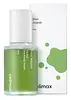
This anti-aging ampoule is formulated around Morinda Citrifolia Fruit Extract and Ceramide NP to soften the look of wrinkles and hydrate skin.
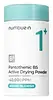
This oil-control treatment is formulated around Niacinamide to balance excess oil and clear breakouts.

What's inside
What's inside
 Key Ingredients
Benefits
Concerns
No concerns
Ingredients Side-by-side
Morinda Citrifolia Fruit Extract 71.77%
Skin Conditioning


Butylene Glycol
Humectant

Propanediol
Solvent
Glycerin
Humectant
1,2-Hexanediol
Skin Conditioning
Diethoxyethyl Succinate
SolventGlyceryl Acrylate/Acrylic Acid Copolymer
HumectantMorinda Citrifolia Seed Oil
Skin Conditioning


Ceramide NP
Skin Conditioning


Olea Europaea Fruit Oil
Masking


Butyrospermum Parkii Butter
Skin Conditioning
Squalane
Emollient
Rosmarinus Officinalis Leaf Oil
Masking
Melia Azadirachta Leaf Extract
Skin ConditioningMelia Azadirachta Flower Extract
Skin ConditioningTheobroma Cacao Extract
Skin ConditioningDextrin
AbsorbentPhytosphingosine
Skin Conditioning
Cholesterol
Emollient
Sodium Hyaluronate
Humectant
Hydrogenated Lecithin
Emulsifying
C12-13 Pareth-9
EmulsifyingSodium Polyacryloyldimethyl Taurate
Emulsion StabilisingCaprylic/Capric Triglyceride
Masking
Water
Skin ConditioningAllantoin
Skin Conditioning
Adenosine
Skin Conditioning
Disodium EDTA
ChelatingChlorphenesin
Antimicrobial
Morinda Citrifolia Fruit Extract 71.77%, Butylene Glycol, Propanediol, Glycerin, 1,2-Hexanediol, Diethoxyethyl Succinate, Glyceryl Acrylate/Acrylic Acid Copolymer, Morinda Citrifolia Seed Oil, Ceramide NP, Olea Europaea Fruit Oil, Butyrospermum Parkii Butter, Squalane, Rosmarinus Officinalis Leaf Oil, Melia Azadirachta Leaf Extract, Melia Azadirachta Flower Extract, Theobroma Cacao Extract, Dextrin, Phytosphingosine, Cholesterol, Sodium Hyaluronate, Hydrogenated Lecithin, C12-13 Pareth-9, Sodium Polyacryloyldimethyl Taurate, Caprylic/Capric Triglyceride, Water, Allantoin, Adenosine, Disodium EDTA, Chlorphenesin
Distarch Phosphate
AbsorbentSilica
Abrasive


Zinc Oxide
Cosmetic Colorant

Niacinamide
Smoothing


Pantothenic Acid
Skin ConditioningMaltodextrin
Absorbent
Allantoin
Skin Conditioning
Pueraria Lobata Root Extract
HumectantDipotassium Glycyrrhizate
Humectant
Piper Methysticum Root Extract
Skin ConditioningMadecassoside
Antioxidant
Asiaticoside
Antioxidant
Hydroxypropyl Cyclodextrin
MaskingSalix Alba Bark Extract
Astringent
Punica Granatum Pericarp Extract
Skin ConditioningWater
Skin ConditioningDextrin
AbsorbentDistarch Phosphate, Silica, Zinc Oxide, Niacinamide, Pantothenic Acid, Maltodextrin, Allantoin, Pueraria Lobata Root Extract, Dipotassium Glycyrrhizate, Piper Methysticum Root Extract, Madecassoside, Asiaticoside, Hydroxypropyl Cyclodextrin, Salix Alba Bark Extract, Punica Granatum Pericarp Extract, Water, Dextrin
Reviews
Ingredients Explained
These ingredients are found in both products.
Ingredients higher up in an ingredient list are typically present in a larger amount.
Allantoin is a soothing ingredient known for its protective and moisturizing properties; it's basically a quiet workhorse ingredient you can find in a huge range of cosmetics.
Though it can be derived from the comfrey plant, allantoin is produced synthetically for cosmetic products to ensure purity.
Research shows it can encourage your skin cells to turn over and renew by stimulating keratinocyte and fibroblast proliferation.
It also has mild keratolytic properties to help loosen and shed dead skin cells without being harsh.
Studies also suggest allantoin can help calm inflammation by dialing down some of the chemical signals your skin sends out when it is irritated.
This ingredient is typically used in the 0.1-0.5% range, and the FDA recognizes it as a skin protectant in OTC products up to 2%.
Overall, allantoin is a wonderful addition to most routines; it is stable across a wide pH range (~4-8), works well with other ingredients, and is considered non-sensitizing/non-irritating.
Fun fact: Allantoin is naturally occurring in comfrey root, beets, chamomile, and wheat sprouts. Our bodies even produce it as a byproduct of uric acid metabolism.
Learn more about AllantoinDextrin is a starch-derived polysaccharide. It's made by partially breaking down corn, potato, or other plant starches.
Think of it as "half-processed" starch; it's less complex than the original but not fully broken down into sugar like maltodextrin.
In cosmetics, it mainly functions as a bulking agent, viscosity controller, binder, and absorbent. It helps thicken products, stabilize powders, and get certain textures a less "wet" feel.
This ingredient has a pretty solid safety profile; it's recognized as a safe food additive and its large molecular size means it doesn't meaningfully penetrate skin.
Human repeat insult patch tests using a rinse-off facial product containing 42.69% dextrin found no skin irritation or sensitization in 54 subjects.
Typical real-world usage is much lower: usually under 1% as a texture modifier and up to 40% in masks (rinse off products use less).
Learn more about DextrinWater. It's the most common cosmetic ingredient of all. You'll usually see it at the top of ingredient lists, meaning that it makes up the largest part of the product.
So why is it so popular? Water most often acts as a solvent - this means that it helps dissolve other ingredients into the formulation.
You'll also recognize water as that liquid we all need to stay alive. If you see this, drink a glass of water. Remember to stay hydrated!
Learn more about Water

