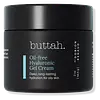
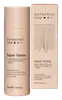
Buttah Skin Oil Free Gel-Cream Moisturizer Versus Authentic Ego Super Sensa Barrier Repair Moisturizer With Ectoin & Panthenol + PDRN
This oil-control moisturizer is formulated around Aloe Barbadensis Leaf Juice and Sodium Hyaluronate to balance excess oil and hydrate skin.

What's inside
What's inside
 Key Ingredients
Benefits
Concerns
No concerns
Ingredients Side-by-side
Water
Skin ConditioningAloe Barbadensis Leaf Juice
Skin Conditioning


Cyclopentasiloxane
Emollient
Dimethiconol
Emollient
Sodium Acrylate/Sodium Acryloyldimethyl Taurate Copolymer
Emulsion StabilisingPropanediol
Solvent
Propylene Glycol
Humectant

Cetyl Stearate
Emollient
Isostearyl Isostearate
Emollient

Cetyl Alcohol
Emollient

Potassium Cetyl Phosphate
EmulsifyingStearic Acid
Cleansing
Butylene Glycol
Humectant
Hexylene Glycol
EmulsifyingPolysorbate 20
Emulsifying
Glycerin
Humectant
Pentylene Glycol
Skin Conditioning
Sodium Hyaluronate
Humectant

Avena Sativa Kernel Meal
Abrasive
Niacinamide
Smoothing






Alteromonas Ferment Filtrate
HumectantPhenoxyethanol
Preservative
Ethylhexylglycerin
Skin ConditioningXylitylglucoside
Humectant
Anhydroxylitol
Humectant
Xylitol
Humectant
Citric Acid
Buffering
Lactic Acid
Buffering
Malic Acid
Buffering
Gluconic Acid
Chelating
Ascorbic Acid
Antioxidant

Glycolic Acid
Buffering
Salicylic Acid
Masking

Tartaric Acid
Buffering
Panthenol
Skin Conditioning
Leuconostoc/Radish Root Ferment Filtrate
Antimicrobial
Allantoin
Skin Conditioning
Tetrahexyldecyl Ascorbate
Antioxidant
Tocopheryl Acetate
Antioxidant
Vitis Vinifera Seed Extract
Antimicrobial
Algae Extract
Emollient
Disodium EDTA
ChelatingWater, Aloe Barbadensis Leaf Juice, Cyclopentasiloxane, Dimethiconol, Sodium Acrylate/Sodium Acryloyldimethyl Taurate Copolymer, Propanediol, Propylene Glycol, Cetyl Stearate, Isostearyl Isostearate, Cetyl Alcohol, Potassium Cetyl Phosphate, Stearic Acid, Butylene Glycol, Hexylene Glycol, Polysorbate 20, Glycerin, Pentylene Glycol, Sodium Hyaluronate, Avena Sativa Kernel Meal, Niacinamide, Alteromonas Ferment Filtrate, Phenoxyethanol, Ethylhexylglycerin, Xylitylglucoside, Anhydroxylitol, Xylitol, Citric Acid, Lactic Acid, Malic Acid, Gluconic Acid, Ascorbic Acid, Glycolic Acid, Salicylic Acid, Tartaric Acid, Panthenol, Leuconostoc/Radish Root Ferment Filtrate, Allantoin, Tetrahexyldecyl Ascorbate, Tocopheryl Acetate, Vitis Vinifera Seed Extract, Algae Extract, Disodium EDTA
Water
Skin ConditioningPanthenol
Skin Conditioning
Squalane
Emollient
Propanediol
Solvent
Ectoin
Skin Conditioning
Glyceryl Glucoside
Humectant
Betaine
Humectant
Ammonium Polyacryloyldimethyl Taurate
Emulsion StabilisingCaprylhydroxamic Acid
Chelating1,2-Hexanediol
Skin Conditioning
Acetyl Tetrapeptide-40
Skin Conditioning
Acetyl Heptapeptide-4
Humectant
Sodium DNA
Skin Conditioning
Inulin
Skin Conditioning
Alpha-Glucan Oligosaccharide
Cleansing
Cyclopentasiloxane
Emollient
Trehalose
Humectant
Tremella Fuciformis Sporocarp Extract
Antioxidant
Polyglutamic Acid
Skin Conditioning
Tocopherol
Antioxidant
Tetrasodium Glutamate Diacetate
ChelatingDimethylmethoxy Chromanol
Antioxidant
Water, Panthenol, Squalane, Propanediol, Ectoin, Glyceryl Glucoside, Betaine, Ammonium Polyacryloyldimethyl Taurate, Caprylhydroxamic Acid, 1,2-Hexanediol, Acetyl Tetrapeptide-40, Acetyl Heptapeptide-4, Sodium DNA, Inulin, Alpha-Glucan Oligosaccharide, Cyclopentasiloxane, Trehalose, Tremella Fuciformis Sporocarp Extract, Polyglutamic Acid, Tocopherol, Tetrasodium Glutamate Diacetate, Dimethylmethoxy Chromanol
Reviews
Ingredients Explained
These ingredients are found in both products.
Ingredients higher up in an ingredient list are typically present in a larger amount.
Cyclopentasiloxane (D5) is a lightweight silicone that mostly acts as an emollient and solvent in cosmetics. Its the reason your products feel silky, fast-spreading, and non-greasy.
Since D5 is volatile, it does its thing and then evaporates off the skin quickly.
The safety profile of this ingredient is reassuring; the US CIR Expert Panel concluded D5 is safe as used in cosmetics and Health Canada concluded that D5 is not harmful to human health or the environment as currently used in cosmetics
There's a study that people mention about D5 in a rat study showing tumors. This study is related to long-term inhalation of high D5 levels.
Regulatory bodies have judged this study to be not applicable in topical skincare since skin absorption of D5 is very low and we're not really inhaling huge amounts of D5.
The only restriction for this ingredient is environmental. The European Chemicals Agency (ECHA) restricted D5 in wash-off cosmetics at or above 0.1% due to their persistence in water.
Learn more about CyclopentasiloxanePanthenol is a common ingredient that helps hydrate and soothe the skin. It is found naturally in our skin and hair.
There are two forms of panthenol: D and L.
D-panthenol is also known as dexpanthenol. Most cosmetics use dexpanthenol or a mixture of D and L-panthenol.
Panthenol is famous due to its ability to go deeper into the skin's layers. Using this ingredient has numerous pros (and no cons):
Like hyaluronic acid, panthenol is a humectant. Humectants are able to bind and hold large amounts of water to keep skin hydrated.
This ingredient works well for wound healing. It works by increasing tissue in the wound and helps close open wounds.
Once oxidized, panthenol converts to pantothenic acid. Panthothenic acid is found in all living cells.
This ingredient is also referred to as pro-vitamin B5.
Learn more about PanthenolPropanediol is an all-star ingredient. It softens, hydrates, and smooths the skin.
It’s often used to:
Propanediol is not likely to cause sensitivity and considered safe to use. It is derived from corn or petroleum with a clear color and no scent.
Learn more about PropanediolWater. It's the most common cosmetic ingredient of all. You'll usually see it at the top of ingredient lists, meaning that it makes up the largest part of the product.
So why is it so popular? Water most often acts as a solvent - this means that it helps dissolve other ingredients into the formulation.
You'll also recognize water as that liquid we all need to stay alive. If you see this, drink a glass of water. Remember to stay hydrated!
Learn more about Water

