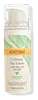
This calming day moisturizer is formulated around Helianthus Annuus Seed Oil and Oryza Sativa Extract to calm redness and hydrate skin.
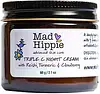
This brightening night moisturizer is formulated around Tetrahexyldecyl Ascorbate and Magnesium Ascorbyl Phosphate to brighten dull-looking skin.

What's inside
What's inside
 Key Ingredients
Benefits
Concerns
Ingredients Side-by-side
Water
Skin ConditioningHelianthus Annuus Seed Oil
Emollient



Glycerin
Humectant

Cetyl Alcohol
Emollient

CI 77947
Zea Mays Starch
Absorbent
Gossypium Herbaceum Flower Extract
HumectantOryza Sativa Extract
Absorbent


Beta Vulgaris Root Extract
Skin ConditioningArtemisia Umbelliformis Extract
Skin ConditioningEuphrasia Officinalis Extract
AntimicrobialButyrospermum Parkii Butter
Skin Conditioning


Saccharum Officinarum Extract
MoisturisingAloe Barbadensis Leaf Juice
Skin Conditioning
Jojoba Esters
Emollient
Hydrolyzed Jojoba Esters
Skin Conditioning
Kaolin
Abrasive


Lecithin
Emollient
Sucrose
Humectant
Fructose
Humectant
Glucose
Humectant
Inositol
Humectant
Citric Acid
Buffering

Benzoic Acid
Masking
Trehalose
Humectant
Xanthan Gum
EmulsifyingGlyceryl Laurate
Emollient
Potassium Sorbate
Preservative
Sucrose Stearate
EmollientSucrose Polystearate
EmollientSodium Benzoate
Masking
Sodium Stearoyl Lactylate
EmulsifyingSodium PCA
Humectant
Alcohol Denat.
Antimicrobial


Phenoxyethanol
Preservative
Water, Helianthus Annuus Seed Oil, Glycerin, Cetyl Alcohol, CI 77947, Zea Mays Starch, Gossypium Herbaceum Flower Extract, Oryza Sativa Extract, Beta Vulgaris Root Extract, Artemisia Umbelliformis Extract, Euphrasia Officinalis Extract, Butyrospermum Parkii Butter, Saccharum Officinarum Extract, Aloe Barbadensis Leaf Juice, Jojoba Esters, Hydrolyzed Jojoba Esters, Kaolin, Lecithin, Sucrose, Fructose, Glucose, Inositol, Citric Acid, Benzoic Acid, Trehalose, Xanthan Gum, Glyceryl Laurate, Potassium Sorbate, Sucrose Stearate, Sucrose Polystearate, Sodium Benzoate, Sodium Stearoyl Lactylate, Sodium PCA, Alcohol Denat., Phenoxyethanol
Water
Skin ConditioningCarthamus Tinctorius Seed Oil
Masking
Isopropyl Palmitate
Emollient
Tetrahexyldecyl Ascorbate
Antioxidant


Magnesium Ascorbyl Phosphate
Antioxidant
Ascorbyl Glucoside
Antioxidant
Cetyl Alcohol
Emollient
Glycerin
Humectant
Polyglyceryl-2 Stearate
Emulsifying
Glyceryl Stearate
Emollient
Stearyl Alcohol
Emollient
Stearic Acid
Cleansing
Inonotus Obliquus Extract
Skin ConditioningGanoderma Lucidum Extract
Skin Protecting
Butyrospermum Parkii Butter
Skin Conditioning
Phenethyl Alcohol
MaskingCaprylyl Glycol
Emollient
Ethylhexylglycerin
Skin ConditioningCalendula Officinalis Flower Extract
Masking
Rubus Chamaemorus Fruit Extract
Antioxidant
Ribes Nigrum Seed Oil
Emollient
Squalane
Emollient
Sodium PCA
Humectant
Xanthan Gum
EmulsifyingCitrus Aurantium Dulcis Peel Oil
Masking
Hyaluronic Acid
Humectant
Tocotrienols
Skin Conditioning
Curcuma Longa Root Extract
Antioxidant
Chlorella Pyrenoidosa Extract
Skin ConditioningAllantoin
Skin Conditioning
Ceramide NP
Skin Conditioning
Riboflavin
Cosmetic ColorantWater, Carthamus Tinctorius Seed Oil, Isopropyl Palmitate, Tetrahexyldecyl Ascorbate, Magnesium Ascorbyl Phosphate, Ascorbyl Glucoside, Cetyl Alcohol, Glycerin, Polyglyceryl-2 Stearate, Glyceryl Stearate, Stearyl Alcohol, Stearic Acid, Inonotus Obliquus Extract, Ganoderma Lucidum Extract, Butyrospermum Parkii Butter, Phenethyl Alcohol, Caprylyl Glycol, Ethylhexylglycerin, Calendula Officinalis Flower Extract, Rubus Chamaemorus Fruit Extract, Ribes Nigrum Seed Oil, Squalane, Sodium PCA, Xanthan Gum, Citrus Aurantium Dulcis Peel Oil, Hyaluronic Acid, Tocotrienols, Curcuma Longa Root Extract, Chlorella Pyrenoidosa Extract, Allantoin, Ceramide NP, Riboflavin
Reviews
Ingredients Explained
These ingredients are found in both products.
Ingredients higher up in an ingredient list are typically present in a larger amount.
This ingredient is also known as shea butter. It is a plant-derived extract from the nuts of the Africa shea tree and one of the most well-studied emollients.
Because it has a high concentration of fatty acids (primarily oleic, stearic, and linoleic) it is able to form a protective barrier on the skin's surface. This helps seal in moisture and prevents transepidermal water loss (TEWL).
In vitro research found an increase in skin hydration by 58% and a decrease in TEWL by 37.8% after 24 hours of applying this ingredient (pretty impressive for a single ingredient!).
Besides hydration, shea butter also contains triterpenes that have anti-inflammatory potential. In particule, lupeol cinnamate has shown the highest anti-inflammatory activity in vivo.
Shea butter also contains vitamins A and E which may contribute to antioxidant activity.
While Shea Butter has an SPF rating of about 3-4, it is not a sunscreen replacement.
This ingredient may not be fungal acne safe because its fatty acids fall within the C11-C24 range that the Malassezia yeast can metabolize.
This ingredient shows up on a lot of "pore-clogging" lists but there's no real evidence behind that. It doesn't even have a comedogenic rating from an actual study; the numbers you'll find online come from blogs citing other blogs.
Ratings for other ingredients mostly come from a 1980s rabbit ear test. This test doesn't translate well to human skin or to real products because the ingredient sits at a much lower percentage.
Some people still find it breaks them out. So if that's you, definitely trust your skin. Just know this one's based on experience and not evidence.
Learn more about Butyrospermum Parkii ButterCetyl Alcohol is a fatty alcohol. Fatty Alcohols are most often used as an emollient or to thicken a product.
Its main roles are:
Though it has "alcohol" in the name, it is not related to denatured alcohol or ethyl alcohol.
The FDA allows products labeled "alcohol-free" to have fatty alcohols.
This ingredient may not be fungal acne safe. It is a primary fatty alcohol with a chain length above 12 carbons. A study from 2019 show Malassezia can feed on fatty alcohols in this range, so it may trigger fungal acne in those prone to it.
Learn more about Cetyl AlcoholGlycerin (or glycerol) is a compound naturally found in your skin. It's a powerhouse humectant that pulls water into the stratum corneum.
Topically, glycerin does several things at once:
Your skin makes glycerin on its own (mostly from sebaceous oil breakdown) and shuttles it to your outermost layer of skin, or your epidermis, via aquaporin-3.
Aquaporin-3 is a transporter that is essential for normal skin hydration, elasticity, and repair. Interestingly, mice lacking in AQP3 have dry and less elastic skin that can be fully corrected with glycerin.
This ingredient is non-irritating, plays well with almost every ingredient, and works across all skin types. Typical use is anywhere between 3-10% but can go up to 79% in some leave-on products.
Just know very high concentrations (>40%) can feel tacky in low humidity.
Glycerin is the name for this ingredient in American English. British English uses Glycerol/Glycerine.
Learn more about GlycerinSodium PCA (the salt of PCA) is one of the most well-established humectants in skincare.
Why is it so special? Your skin already makes it naturally; it's a natural component of your skin's Natural Moisturizing Factor (NMF), or the mix of water-binding compounds inside your skin cells that keeps things soft and hydrated.
As a cosmetic ingredient, it grabs water and holds it in the upper layers of skin to smooth roughness and ease dehydration.
There's some clinical support for the NMF approach with a study showing that a cream built to mimic the skin's NMF significantly boosted hydration.
Safety-wise, this ingredient non-irritating, non-comedogenic, and non-phototoxic in testing, with minimal skin absorption.
It also works really well with other hydrators like glycerin or hyaluronic acid, and typical usage is somewhere between 0.2-4%.
Learn more about Sodium PCAWater. It's the most common cosmetic ingredient of all. You'll usually see it at the top of ingredient lists, meaning that it makes up the largest part of the product.
So why is it so popular? Water most often acts as a solvent - this means that it helps dissolve other ingredients into the formulation.
You'll also recognize water as that liquid we all need to stay alive. If you see this, drink a glass of water. Remember to stay hydrated!
Learn more about WaterXanthan gum is used as a stabilizer and thickener within cosmetic products. It helps give products a sticky, thick feeling - preventing them from being too runny.
On the technical side of things, xanthan gum is a polysaccharide - a combination consisting of multiple sugar molecules bonded together.
Xanthan gum is a pretty common and great ingredient. It is a natural, non-toxic, non-irritating ingredient that is also commonly used in food products.
Learn more about Xanthan Gum

