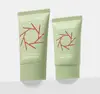
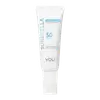
Blocks Red Calming Essence Sunscreen SPF50+ PA++++ Versus Y.O.U Sunbrella Intensive Care Aqua Sunscreen SPF50+ PA++++
This chemical sunscreen covers the full UV range and blocks ~98% of UVB at SPF 50.
This chemical sunscreen covers most of the UV range, lighter on the deep UVA that drives aging.


What's inside
What's inside
 Key Ingredients
Benefits
Concerns
Ingredients Side-by-side
Water
Skin ConditioningDibutyl Adipate
EmollientEthylhexyl Salicylate
UV Absorber

Propanediol
Solvent

Dipropylene Glycol
HumectantEthylhexyl Triazone
UV Absorber
Silica
Abrasive


Bis-Ethylhexyloxyphenol Methoxyphenyl Triazine
UV Absorber
Butylene Glycol
Humectant
Diisopropyl Sebacate
EmollientNiacinamide
Smoothing








Terephthalylidene Dicamphor Sulfonic Acid
UV Absorber
Sphingomonas Ferment Extract
Skin Conditioning

Aloe Barbadensis Leaf Juice
Skin Conditioning
Centella Asiatica Extract
Cleansing
Tromethamine
BufferingVinyldimethicone

1,2-Hexanediol
Skin Conditioning
Pentylene Glycol
Skin Conditioning
Palmitic Acid
Emollient


Cetearyl Olivate
Stearic Acid
Cleansing
Caprylyl Methicone
Skin Conditioning
Lauryl Lactate
EmollientSorbitan Olivate
Emulsifying
Glyceryl Stearate
Emollient
C20-22 Alkyl Phosphate
EmulsifyingMicrocrystalline Cellulose
AbsorbentHydroxyacetophenone
Antioxidant
Methylpropanediol
SolventPolyether-1
Sodium Stearoyl Glutamate
CleansingAdenosine
Skin Conditioning
Cellulose Gum
Emulsion StabilisingTotarol
Antioxidant
Panthenol
Skin Conditioning
Caprylic/Capric Triglyceride
Masking
Solanum Lycopersicum Fruit Extract
Antioxidant
Pentaerythrityl Tetra-Di-T-Butyl Hydroxyhydrocinnamate
Antioxidant
Ethylhexylglycerin
Skin ConditioningCetearyl Alcohol
Emollient
C20-22 Alcohols
Emulsion Stabilising
Disodium EDTA
ChelatingWater, Dibutyl Adipate, Ethylhexyl Salicylate, Propanediol, Dipropylene Glycol, Ethylhexyl Triazone, Silica, Bis-Ethylhexyloxyphenol Methoxyphenyl Triazine, Butylene Glycol, Diisopropyl Sebacate, Niacinamide, Terephthalylidene Dicamphor Sulfonic Acid, Sphingomonas Ferment Extract, Aloe Barbadensis Leaf Juice, Centella Asiatica Extract, Tromethamine, Vinyldimethicone, 1,2-Hexanediol, Pentylene Glycol, Palmitic Acid, Cetearyl Olivate, Stearic Acid, Caprylyl Methicone, Lauryl Lactate, Sorbitan Olivate, Glyceryl Stearate, C20-22 Alkyl Phosphate, Microcrystalline Cellulose, Hydroxyacetophenone, Methylpropanediol, Polyether-1, Sodium Stearoyl Glutamate, Adenosine, Cellulose Gum, Totarol, Panthenol, Caprylic/Capric Triglyceride, Solanum Lycopersicum Fruit Extract, Pentaerythrityl Tetra-Di-T-Butyl Hydroxyhydrocinnamate, Ethylhexylglycerin, Cetearyl Alcohol, C20-22 Alcohols, Disodium EDTA
Water
Skin ConditioningGlycerin
Humectant
Propylene Glycol
Humectant
Polymethyl Methacrylate
PPG-24-Glycereth-24
EmulsifyingButyl Methoxydibenzoylmethane
UV Absorber
Ethylhexyl Triazone
UV Absorber
Acrylates/C10-30 Alkyl Acrylate Crosspolymer
Emulsion StabilisingAminomethyl Propanol
BufferingPhenoxyethanol
Preservative
Hydroxyacetophenone
Antioxidant
Allantoin
Skin Conditioning
Butylene Glycol
Humectant
Xanthan Gum
EmulsifyingDisodium EDTA
ChelatingPentylene Glycol
Skin Conditioning
Sodium Hyaluronate
Humectant
Gentiana Scabra Root Extract
Skin ConditioningPropanediol
Solvent
Ectoin
Skin Conditioning
Armillaria Matsutake Extract
Zea Mays Starch
Absorbent
Hydrogenated Lecithin
Emulsifying
Hydrolyzed Corn Starch
HumectantHydrolyzed Corn Starch Octenylsuccinate
AbsorbentLimonia Acidissima Extract
Skin ConditioningButyrospermum Parkii Butter
Skin Conditioning
Cocamidopropyl Dimethylamine
Emulsifying
Buddleja Officinalis Flower Extract
UV FilterPhenylethyl Resorcinol
Antioxidant
Moringa Oleifera Seed Extract
Skin Conditioning
Ceramide NP
Skin Conditioning
Lactic Acid
Buffering

1,2-Hexanediol
Skin Conditioning
Hydrated Silica
Abrasive
Palmitoyl Tripeptide-5
Skin Conditioning
Ceramide As
Skin Conditioning
Ceramide Ns
Skin Conditioning
Ceramide Ng
Skin Conditioning
Ethylhexylglycerin
Skin ConditioningErgothioneine
Antioxidant
Ceramide EOP
Skin Conditioning
Ceramide AP
Skin Conditioning
Water, Glycerin, Propylene Glycol, Polymethyl Methacrylate, PPG-24-Glycereth-24, Butyl Methoxydibenzoylmethane, Ethylhexyl Triazone, Acrylates/C10-30 Alkyl Acrylate Crosspolymer, Aminomethyl Propanol, Phenoxyethanol, Hydroxyacetophenone, Allantoin, Butylene Glycol, Xanthan Gum, Disodium EDTA, Pentylene Glycol, Sodium Hyaluronate, Gentiana Scabra Root Extract, Propanediol, Ectoin, Armillaria Matsutake Extract, Zea Mays Starch, Hydrogenated Lecithin, Hydrolyzed Corn Starch, Hydrolyzed Corn Starch Octenylsuccinate, Limonia Acidissima Extract, Butyrospermum Parkii Butter, Cocamidopropyl Dimethylamine, Buddleja Officinalis Flower Extract, Phenylethyl Resorcinol, Moringa Oleifera Seed Extract, Ceramide NP, Lactic Acid, 1,2-Hexanediol, Hydrated Silica, Palmitoyl Tripeptide-5, Ceramide As, Ceramide Ns, Ceramide Ng, Ethylhexylglycerin, Ergothioneine, Ceramide EOP, Ceramide AP
Reviews
Ingredients Explained
These ingredients are found in both products.
Ingredients higher up in an ingredient list are typically present in a larger amount.
1,2-Hexanediol is a synthetic liquid and another multi-functional powerhouse.
It is a:
- Humectant, drawing moisture into the skin
- Emollient, helping to soften skin
- Solvent, dispersing and stabilizing formulas
- Preservative booster, enhancing the antimicrobial activity of other preservatives
Butylene Glycol (or BG) is used within cosmetic products for a few different reasons:
Overall, Butylene Glycol is a safe and well-rounded ingredient that works well with other ingredients.
Though this ingredient works well with most skin types, some people with sensitive skin may experience a reaction such as allergic rashes, closed comedones, or itchiness.
Learn more about Butylene GlycolDisodium EDTA is a chelating agent. It grabs onto and deactivates metal ions that sneak into your products from water, packaging, or air.
This ingredient mainly works behind the scenes and helps with:
On top of that, this ingredient can counteract the effects of hard water by binding to the minerals in it.
One thing worth knowing is that Disodium EDTA has been shown to be a mild penetration enhancer. It can help other ingredients absorb into skin more effectively which can be a double-edged sword (great for actives, but can also make the active too strong if you have sensitive skin).
Clinical patch testing showed no significant skin irritation at typical use concentrations and minimal dermal absorption.
You'll most likely see this ingredient near the end of an ingredient list. It's typically found in concentrations less than 1%.
Learn more about Disodium EDTAEthylhexyl Triazone (aka Octyl Triazone) is an oil-soluble organic UVB filter. It has peak absorption around 314 nm, right in the middle of the UVB range.
This ingredient is described as one of the most effective UVB filters available and small concentrations are enough to deliver a high SPF thanks to its strong UV absorbing power.
Formulators love it for its stability; its ability to filter UV stays practically unchanged even under intense radiation and it can also help boost the photostability of less stable filters like avobenzone.
It's also a great pick for water resistant products because it's insoluble in water and has a good affinity for keratin.
Because it's a big, heavy molecule, the European Scientific Committee has found to to have very low dermal penetration and negative results for allergenicity.
In vitro testing also showed a low absorption rate and clean results on irritation.
Typical use levels are 1-5% with 5% being the maximum in the EU, Japan, and other markets that allow it. However, this ingredient is not approved yet in the US or Canada.
Learn more about Ethylhexyl TriazoneEthylhexylglycerin is created from glycerin. It is a multitasker ingredient that:
The CIR Expert Panel found minimal skin absorption or sensitization of any kind in a safety assessment. Though this ingredient is considered well-tolerated, a small number of cases of allergic dermatitis have been published since 2002. Just be sure to patch test if you are unsure.
Industry-reported use ranges from 8% in rinse-off products and 2% in leave-on formulations.
Learn more about EthylhexylglycerinHydroxyacetophenone is a small phenolic molecule that earns its place in a formulas as an antioxidant and preservative booster.
As a phenol, it is able to neutralize free radicals to protect both the product and the skin from oxidative stress.
Though it can't kill microbes on its own, it works as a good supporting agent when combined with other preservatives like Phenoxyethanol or 1,2-Hexanediol.
This ingredient naturally occurs as piceol in Norwegian spruce needles (~0.4-1.1% dry weight and in cloudberries). Though the cosmetic-grade material is synthesized for purity and consistency.
You'll usually see it used at low levels and suppliers recommend up to 1% added to a water phase.
Safety testing was done at concentrations like 0.05% in SPF products and 0.5% in a Human Repeated Insult Patch Test. The safety evidence is assuring; this ingredient is safe for cosmetics in current use and also holds safety status as a food flavoring as well.
An honest caveat: the "soothing" and "anti-inflammatory" claims come mostly from supplier marketing rather than published clinical trials. The Cosmetic Ingredient Review's own literature search found no useful efficacy studies on this ingredient.
So the antioxidant and preservative-boosting roles are the well supported ones while the calming benefit is plausible but thinly evidenced.
Overall, this is a well-tolerated, low-irritation multitasker that quietly helps a formula stay fresh and stable.
Learn more about HydroxyacetophenonePentylene Glycol (1,2-pentanediol) is a multitasking little diol with three main roles in a formula:
Research on alkanediols (the family pentylene glycol belongs to) show they work by disrupting microbial cell membranes. This disruption helps the primary preservative system in a product work more effectively at lower doses.
On the safety side, the Cosmetic Ingredient Review Expert Panel has concluded this ingredient to be safe as used in current cosmetic practices + concentrations.
Typical use levels in a formula run about 1-5%.
Learn more about Pentylene GlycolPropanediol is an all-star ingredient. It softens, hydrates, and smooths the skin.
It’s often used to:
Propanediol is not likely to cause sensitivity and considered safe to use. It is derived from corn or petroleum with a clear color and no scent.
Learn more about PropanediolWater. It's the most common cosmetic ingredient of all. You'll usually see it at the top of ingredient lists, meaning that it makes up the largest part of the product.
So why is it so popular? Water most often acts as a solvent - this means that it helps dissolve other ingredients into the formulation.
You'll also recognize water as that liquid we all need to stay alive. If you see this, drink a glass of water. Remember to stay hydrated!
Learn more about Water

