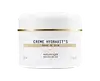
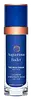
Biologique Recherche Crème Hydravit’s Moisturizing Face Cream Versus Augustinus Bader The Rich Cream
This barrier-repair moisturizer is formulated around Niacinamide and Hippophae Rhamnoides Fruit Oil to strengthen the skin barrier and hydrate skin.
This barrier-repair moisturizer is formulated around Squalane and Argania Spinosa Kernel Oil to strengthen the skin barrier and hydrate skin.


What's inside
What's inside
 Key Ingredients
Benefits
Concerns
Ingredients Side-by-side
Water
Skin ConditioningPropylene Glycol
Humectant


Caprylic/Capric Triglyceride
Masking

Glycerin
Humectant
Cetyl Alcohol
Emollient

Sucrose Polystearate
EmollientJojoba Esters
Emollient
Niacinamide
Smoothing









Hippophae Rhamnoides Fruit Oil
Skin Protecting
Helianthus Annuus Seed Oil
Emollient
Betula Alba Bark Extract
Masking
Equisetum Arvense Extract
AstringentHedera Helix Leaf/Stem Extract
AntimicrobialLaminaria Ochroleuca Extract
Skin Conditioning
Fucus Vesiculosus Extract
Emollient
Mimosa Tenuiflora Bark Extract
Skin ProtectingCentella Asiatica Extract
Cleansing
Rosmarinus Officinalis Leaf Extract
AntimicrobialYeast Extract
Skin ConditioningRhizobian Gum
Ascorbyl Glucoside
Antioxidant

Sodium Hyaluronate
Humectant
Glyceryl Caprate
EmollientAcacia Decurrens Flower Wax
Emollient
Tocopherol
Antioxidant
Sodium Stearoyl Glutamate
CleansingAmmonium Acryloyldimethyltaurate/Vp Copolymer
Hydrogenated Polyisobutene
EmollientPolyglycerin-3
Humectant
Phenethyl Alcohol
MaskingPhenoxyethanol
Preservative
Chlorphenesin
Antimicrobial
Sorbic Acid
Preservative
Water, Propylene Glycol, Caprylic/Capric Triglyceride, Glycerin, Cetyl Alcohol, Sucrose Polystearate, Jojoba Esters, Niacinamide, Hippophae Rhamnoides Fruit Oil, Helianthus Annuus Seed Oil, Betula Alba Bark Extract, Equisetum Arvense Extract, Hedera Helix Leaf/Stem Extract, Laminaria Ochroleuca Extract, Fucus Vesiculosus Extract, Mimosa Tenuiflora Bark Extract, Centella Asiatica Extract, Rosmarinus Officinalis Leaf Extract, Yeast Extract, Rhizobian Gum, Ascorbyl Glucoside, Sodium Hyaluronate, Glyceryl Caprate, Acacia Decurrens Flower Wax, Tocopherol, Sodium Stearoyl Glutamate, Ammonium Acryloyldimethyltaurate/Vp Copolymer, Hydrogenated Polyisobutene, Polyglycerin-3, Phenethyl Alcohol, Phenoxyethanol, Chlorphenesin, Sorbic Acid
Water
Skin ConditioningCoco-Caprylate/Caprate
Emollient
Helianthus Annuus Seed Oil
Emollient
Squalane
Emollient
Glycerin
Humectant
Argania Spinosa Kernel Oil
Emollient
Ethyl Oleate
Emollient
Persea Gratissima Oil
Skin Conditioning
Polyglyceryl-4 Oleate
Emulsifying
Magnesium Sulfate
Oenothera Biennis Oil
Emollient
Panthenol
Skin Conditioning
Polyglyceryl-6 Oleate
Emulsifying
Zinc PCA
Humectant
Polyhydroxystearic Acid
Emulsifying
Butylene Glycol
Humectant
Butyrospermum Parkii Butter
Skin Conditioning
Potassium Sorbate
Preservative
Sodium Benzoate
Masking
Tocopherol
Antioxidant
Sodium Hyaluronate
Humectant
Hydrolyzed Rice Protein
Skin ConditioningMaltodextrin
Absorbent
Citric Acid
Buffering
Camellia Sinensis Leaf Extract
Antimicrobial
Hydrogenated Lecithin
Emulsifying
Tocopheryl Acetate
Antioxidant
Xanthan Gum
EmulsifyingAlanyl Glutamine
HumectantArginine
Masking
Oligopeptide-177

Phenylalanine
Masking
Sisymbrium Irio Seed Oil
Masking
Sodium Chloride
MaskingDextran
Palmitoyl Tripeptide-8
Skin Conditioning
Water, Coco-Caprylate/Caprate, Helianthus Annuus Seed Oil, Squalane, Glycerin, Argania Spinosa Kernel Oil, Ethyl Oleate, Persea Gratissima Oil, Polyglyceryl-4 Oleate, Magnesium Sulfate, Oenothera Biennis Oil, Panthenol, Polyglyceryl-6 Oleate, Zinc PCA, Polyhydroxystearic Acid, Butylene Glycol, Butyrospermum Parkii Butter, Potassium Sorbate, Sodium Benzoate, Tocopherol, Sodium Hyaluronate, Hydrolyzed Rice Protein, Maltodextrin, Citric Acid, Camellia Sinensis Leaf Extract, Hydrogenated Lecithin, Tocopheryl Acetate, Xanthan Gum, Alanyl Glutamine, Arginine, Oligopeptide-177, Phenylalanine, Sisymbrium Irio Seed Oil, Sodium Chloride, Dextran, Palmitoyl Tripeptide-8
Reviews
Ingredients Explained
These ingredients are found in both products.
Ingredients higher up in an ingredient list are typically present in a larger amount.
Glycerin (or glycerol) is a compound naturally found in your skin. It's a powerhouse humectant that pulls water into the stratum corneum.
Topically, glycerin does several things at once:
Your skin makes glycerin on its own (mostly from sebaceous oil breakdown) and shuttles it to your outermost layer of skin, or your epidermis, via aquaporin-3.
Aquaporin-3 is a transporter that is essential for normal skin hydration, elasticity, and repair. Interestingly, mice lacking in AQP3 have dry and less elastic skin that can be fully corrected with glycerin.
This ingredient is non-irritating, plays well with almost every ingredient, and works across all skin types. Typical use is anywhere between 3-10% but can go up to 79% in some leave-on products.
Just know very high concentrations (>40%) can feel tacky in low humidity.
Glycerin is the name for this ingredient in American English. British English uses Glycerol/Glycerine.
Learn more about GlycerinHelianthus Annuus Seed Oil is a plant oil derived from the seeds of a sunflower.
It is rich in fatty acids, primarily linoleic acid and oleic acid. This gives it emollient and skin conditioning properties.
The reason this ingredient is so effective is because it forms a thin film on the skin that reduces transepidermal water loss (TEWL) while supplying linoleic acid to the stratum corneum to improve barrier strength.
The high linoleic acid content is particularly noteworthy for acne-prone skin.
Research suggests that acne-prone skin tends to be deficient in linoleic acid in sebum. Topical application may help replenish this to support a healthier follicular environment and less comedone-promoting sebum.
One randomized study found sunflower seed oil preserved skin barrier integrity in adult volunteers with and without atopic dermatitis (outperforming olive oil).
This ingredient is well-studied, gentle, and an effective emollient suitable for most skin types.
On fungal acne: This ingredient may not be Fungal acne (Malassezia folliculitis) safe. This is because it contains fatty acids with carbon chain lengths in the C11-C24 range.
Learn more about Helianthus Annuus Seed OilSodium Hyaluronate is the salt form of hyaluronic acid. It is a long sugar chain that is naturally found in your skin, joints, and connective tissue that maintains hydration and elasticity.
In skincare, it works as a humectant. It pulls water from the environment and deeper layers of skin and binds it to the surface.
Interestingly, the size of the molecule affects its behavior:
Some clinical evidence links low molecular weight versions to improved wrinkle depth, elasticity, anti-inflammatory effects, and barrier repair.
Many serums use a blend of both weights so you can get surface hydration plus longer-lasting and deeper effects.
You'll typically see concentrations between 0.1-2% for this ingredient.
Learn more about Sodium HyaluronateTocopherol is a fat-soluble antioxidant known as Vitamin E.
You'll find this ingredient in the vast majority of skincare (for good reason). It works to neutralize free radicals, or unstable molecules generated by UV exposure, pollution, and other environmental stressors, before they can cause oxidative damage to your skin cells.
Topically applied tocopherol has been shown to protect against UV damage by ramping up the skin's own natural defense enzymes.
It also acts as a skin conditioning agent; some studies show that regular topical use can improve the skin's water-binding capacity over 2-4 weeks.
This ingredient is especially loved for being a team player. When combined with Vitamin C, the photoprotective effect of both ingredients roughly doubles and the combo also helps reduce UV-induced DNA damage.
This ingredient has some brightening potential but it's more of a prevention ingredient than spot-fader. Cell studies show it can slow down melanin production but it's worth noting that it's not the most powerful brightener out there.
In formulations, it also serves as a stabilizer that helps protect other oxidation-prone ingredients from degrading.
Concentrations usually range from 0.1-1% in most leave-on products.
Learn more about TocopherolWater. It's the most common cosmetic ingredient of all. You'll usually see it at the top of ingredient lists, meaning that it makes up the largest part of the product.
So why is it so popular? Water most often acts as a solvent - this means that it helps dissolve other ingredients into the formulation.
You'll also recognize water as that liquid we all need to stay alive. If you see this, drink a glass of water. Remember to stay hydrated!
Learn more about Water

