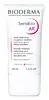
This calming moisturizer is formulated around Laminaria Ochroleuca Extract and Glycyrrhetinic Acid to calm redness and hydrate skin.
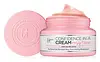
This brightening moisturizer is formulated around Squalane and Capryloyl Salicylic Acid to brighten dull-looking skin and hydrate skin.


What's inside
What's inside
 Key Ingredients
Benefits
Concerns
Ingredients Side-by-side
Water
Skin ConditioningParaffinum Liquidum
Emollient


Glycerin
Humectant


Tridecyl Trimellitate
EmollientGlycol Palmitate
Emulsifying

Caprylic/Capric Triglyceride
Masking
Canola Oil
Emollient

Triceteareth-4 Phosphate
EmulsifyingFructooligosaccharides
Humectant
Mannitol
Humectant
Xylitol
Humectant
Rhamnose
HumectantLaminaria Ochroleuca Extract
Skin Conditioning

Glycyrrhetinic Acid
Skin Conditioning
Glycine Soja Germ Extract
EmollientAllantoin
Skin Conditioning
Ginkgo Biloba Leaf Extract
Skin Conditioning
Camellia Sinensis Leaf Extract
Antimicrobial




Propylene Glycol
Humectant
Pentylene Glycol
Skin Conditioning
Caprylyl Glycol
Emollient
Glycol Stearate
Emollient
PEG-2 Stearate
Emulsifying
Acrylates/C10-30 Alkyl Acrylate Crosspolymer
Emulsion Stabilising1,2-Hexanediol
Skin Conditioning
Citric Acid
Buffering
Xanthan Gum
EmulsifyingDisodium EDTA
ChelatingSodium Hydroxide
BufferingWater, Paraffinum Liquidum, Glycerin, Tridecyl Trimellitate, Glycol Palmitate, Caprylic/Capric Triglyceride, Canola Oil, Triceteareth-4 Phosphate, Fructooligosaccharides, Mannitol, Xylitol, Rhamnose, Laminaria Ochroleuca Extract, Glycyrrhetinic Acid, Glycine Soja Germ Extract, Allantoin, Ginkgo Biloba Leaf Extract, Camellia Sinensis Leaf Extract, Propylene Glycol, Pentylene Glycol, Caprylyl Glycol, Glycol Stearate, PEG-2 Stearate, Acrylates/C10-30 Alkyl Acrylate Crosspolymer, 1,2-Hexanediol, Citric Acid, Xanthan Gum, Disodium EDTA, Sodium Hydroxide
Water
Skin ConditioningSqualane
Emollient
Cyclohexasiloxane
Emollient
Glycerin
Humectant
Cetyl Alcohol
Emollient
Glyceryl Stearate
Emollient
PEG-40 Stearate
Emulsifying
Myristyl Myristate
Emollient
Pentaerythrityl Tetraethylhexanoate
Emollient
Octyldodecanol
Emollient
Sorbitan Tristearate
EmulsifyingButylene Glycol
Humectant
Phenoxyethanol
Preservative
Acrylamide/Sodium Acryloyldimethyltaurate Copolymer
Emulsion StabilisingSynthetic Fluorphlogopite
CI 77891
Cosmetic ColorantIsohexadecane
EmollientSilica
Abrasive
Capryloyl Salicylic Acid
Exfoliating

Ascorbyl Glucoside
Antioxidant
Chlorphenesin
Antimicrobial
Mica
Cosmetic ColorantPolysorbate 80
Emulsifying
Parfum
Masking

Paeonia Albiflora Root Extract
Skin ConditioningDisodium EDTA
ChelatingCI 77163
Cosmetic Colorant
CI 77491
Cosmetic ColorantHydrolyzed Cicer Seed Extract
Skin ProtectingTocopherol
Antioxidant
Niacinamide
Smoothing

Sodium Hyaluronate
Humectant
Aloe Barbadensis Leaf Juice
Skin Conditioning
Caprylic/Capric Triglyceride
Masking
Sorbitan Oleate
Emulsifying
Sodium Hydroxide
BufferingIris Florentina Root Extract
MaskingVigna Aconitifolia Seed Extract
Skin ConditioningPropylene Glycol
Humectant
Sodium Cocoyl Glutamate
Cleansing
Hexyl Cinnamal
Perfuming
Tin Oxide
Abrasive
Limonene
Perfuming
Glucose
Humectant
Chamomilla Recutita Flower Extract
Masking
Chamomilla Recutita Extract
Skin Conditioning
Ceteareth-25
CleansingSoluble Collagen
Humectant
Sodium Benzoate
Masking
Citric Acid
Buffering
Urtica Dioica Extract
AstringentEquisetum Arvense Extract
AstringentBetula Alba Leaf Extract
AstringentPotassium Sorbate
Preservative
Camellia Sinensis Leaf Extract
Antimicrobial
Rose Extract
Skin ConditioningDipeptide Diaminobutyroyl Benzylamide Diacetate
Skin Conditioning
Ceramide NP
Skin Conditioning
Behenic Acid
Cleansing
Cholesterol
Emollient
Trisodium EDTA
ChelatingCeramide Ns
Skin Conditioning
Ethylhexylglycerin
Skin ConditioningCeramide AP
Skin Conditioning
Ceramide EOP
Skin Conditioning
Ceramide Eos
Skin Conditioning
Caprooyl Phytosphingosine
Skin Conditioning
Caprooyl Sphingosine
Skin ConditioningAscorbyl Palmitate
Antioxidant
Water, Squalane, Cyclohexasiloxane, Glycerin, Cetyl Alcohol, Glyceryl Stearate, PEG-40 Stearate, Myristyl Myristate, Pentaerythrityl Tetraethylhexanoate, Octyldodecanol, Sorbitan Tristearate, Butylene Glycol, Phenoxyethanol, Acrylamide/Sodium Acryloyldimethyltaurate Copolymer, Synthetic Fluorphlogopite, CI 77891, Isohexadecane, Silica, Capryloyl Salicylic Acid, Ascorbyl Glucoside, Chlorphenesin, Mica, Polysorbate 80, Parfum, Paeonia Albiflora Root Extract, Disodium EDTA, CI 77163, CI 77491, Hydrolyzed Cicer Seed Extract, Tocopherol, Niacinamide, Sodium Hyaluronate, Aloe Barbadensis Leaf Juice, Caprylic/Capric Triglyceride, Sorbitan Oleate, Sodium Hydroxide, Iris Florentina Root Extract, Vigna Aconitifolia Seed Extract, Propylene Glycol, Sodium Cocoyl Glutamate, Hexyl Cinnamal, Tin Oxide, Limonene, Glucose, Chamomilla Recutita Flower Extract, Chamomilla Recutita Extract, Ceteareth-25, Soluble Collagen, Sodium Benzoate, Citric Acid, Urtica Dioica Extract, Equisetum Arvense Extract, Betula Alba Leaf Extract, Potassium Sorbate, Camellia Sinensis Leaf Extract, Rose Extract, Dipeptide Diaminobutyroyl Benzylamide Diacetate, Ceramide NP, Behenic Acid, Cholesterol, Trisodium EDTA, Ceramide Ns, Ethylhexylglycerin, Ceramide AP, Ceramide EOP, Ceramide Eos, Caprooyl Phytosphingosine, Caprooyl Sphingosine, Ascorbyl Palmitate
Reviews
Ingredients Explained
These ingredients are found in both products.
Ingredients higher up in an ingredient list are typically present in a larger amount.
Camellia Sinensis Leaf Extract (tea extract) is one of the most well-researched plant extracts in skincare with an impressive resume.
Black tea, green tea, and oolong tea are all harvested from the Camellia Sinensis plant.
Studies show green tea extract and its catechins (like epigallocatechin gallate (EGCG)) help your skin cells product energy more efficiently and reducing the number of free-radicals that can damage your skin from the inside.
In lab-grown skin models, this translated to younger, healthier, and stronger skin.
There's also good sun protection data; researchers saw less DNA damage and redness on human skin when green tea was applied before UVB exposure. And the more they applied, the better the protection.
Needless to say, this ingredient shouldn't replace your sunscreen. But it is a great supportive ingredient that you can already find in many sunscreens and antioxidant serums.
A 2009 study found a 2% green tea lotion was effective for mild-to-moderate acne thanks to its anti-inflammatory and mild antimicrobial activity.
The quality of the extract matters a lot here:
Good extracts contain 50-90% catechins while lower quality ones are mostly there for marketing. We recommend reaching out to the brand if you have questions about the quality or source of their ingredients.
Human Repeated Insult Patch Testing showed no irritation or sensitization at use concentrations (0.86% in leave-on products and up to 30% as leaf water).
Learn more about Camellia Sinensis Leaf ExtractCaprylic/Capric Triglyceride (aka MCT Oil) is a lightweight emollient, solvent, and texture enhancer. It is considered a skin-softener by helping to prevent moisture loss.
Though it behaves like an oil, it is not technically one due to its chemical composition. One perk of this ingredient is that it is very stable, resistant to oxidation, and unlikely to go rancid.
In practice, that translates to a long shelf life and a consistently elegant skin feel.
While there is an assumption Caprylic Triglyceride can clog pores due to it being derived from coconut oil, there is no research supporting this. Just patch test if you have concerns.
Fractionated coconut oil and MCT Oil are both listed as Caprylic/Capric Triglyceride according to INCI. This is because INCI names are based on the ingredient’s final chemical composition and not its marketing name or source.
This ingredient is treated as the gold standard fungal acne safe oil. Even though it is coconut derived, the problematic lauric acid is stripped out.
This leaves just caprylic (C8) and capric (C10) acid. These chain lengths actually trend antifungal; a 2020 study found caprylic acid was enough to disrupt Malassezia furfur cell membrane, with a caprylic acid derivative damaging membrane structures at concentrations as low as 0.2%.
Learn more about Caprylic/Capric TriglycerideCitric Acid is an alpha hydroxy acid (AHA) naturally found in citrus fruits like oranges, lemons, and limes.
Like other AHAs, citric acid can exfoliate skin by breaking down the bonds that hold dead skin cells together. This helps reveal smoother and brighter skin underneath.
However, this exfoliating effect only happens at high concentrations (20%) which can be hard to find in cosmetic products.
Due to this, citric acid is usually included in small amounts as a pH adjuster. This helps keep products slightly more acidic and compatible with skin's natural pH.
In skincare formulas, citric acid can:
While it can provide some skin benefits, research shows lactic acid and glycolic acid are generally more effective and less irritating exfoliants.
Most citric acid used in skincare today is made by fermenting sugars (usually from molasses). This synthetic version is identical to the natural citrus form but easier to stabilize and use in formulations.
Rosacea skin has a lower threshold for acids generally, with 62.5% of rosacea subjects in one study reacting to lactic acid in a sting test. This is why we mark citric acid as a potential rosacea trigger.
However, this ingredient shows up as a pH adjuster or chelator at roughly 0.1-1% in many products. These low levels are unlikely to be an issue for rosacea skin and becomes a potential trigger at exfoliating concentrations (20%). Because everybody's skin is unique, we recommend a patch test if you are unsure.
Learn more about Citric AcidDisodium EDTA is a chelating agent. It grabs onto and deactivates metal ions that sneak into your products from water, packaging, or air.
This ingredient mainly works behind the scenes and helps with:
On top of that, this ingredient can counteract the effects of hard water by binding to the minerals in it.
One thing worth knowing is that Disodium EDTA has been shown to be a mild penetration enhancer. It can help other ingredients absorb into skin more effectively which can be a double-edged sword (great for actives, but can also make the active too strong if you have sensitive skin).
Clinical patch testing showed no significant skin irritation at typical use concentrations and minimal dermal absorption.
You'll most likely see this ingredient near the end of an ingredient list. It's typically found in concentrations less than 1%.
Learn more about Disodium EDTAGlycerin (or glycerol) is a compound naturally found in your skin. It's a powerhouse humectant that pulls water into the stratum corneum.
Topically, glycerin does several things at once:
Your skin makes glycerin on its own (mostly from sebaceous oil breakdown) and shuttles it to your outermost layer of skin, or your epidermis, via aquaporin-3.
Aquaporin-3 is a transporter that is essential for normal skin hydration, elasticity, and repair. Interestingly, mice lacking in AQP3 have dry and less elastic skin that can be fully corrected with glycerin.
This ingredient is non-irritating, plays well with almost every ingredient, and works across all skin types. Typical use is anywhere between 3-10% but can go up to 79% in some leave-on products.
Just know very high concentrations (>40%) can feel tacky in low humidity.
Glycerin is the name for this ingredient in American English. British English uses Glycerol/Glycerine.
Learn more about GlycerinPropylene Glycol is a synthetic, colorless, odorless liquid that has been a staple in cosmetics for decades. It is a skin conditioning agent, humectant, and solvent.
As a humectant, it draw water to the skin to reduce flaking and restore suppleness. It's also a solvent that helps dissolve other actives and keeps formulas stable across temperature changes.
The CIR Expert Panel has confirmed this ingredient to be nontoxic and clinical studies show no sensitization at cosmetic use concentrations.
True allergic reactions are quite rare: a 15-year retrospective study of 6,751 patients found only 0.31% had a positive reaction (and less than half were considered clinically relevant).
It seemed that when sensitization does occur, it's most commonly linked to topical medication (like corticosteroids) and not cosmetics. Allergic contact dermatitis also appears largely limited to individuals with underlying skin conditions.
Overall, propylene glycol is a well-studied ingredient that most people can tolerate without issue.
Learn more about Propylene GlycolSodium Hydroxide is also known as lye or caustic soda. It is used to adjust the pH of products; many ingredients require a specific pH to be effective.
In small amounts, sodium hydroxide is considered safe to use. However, large amounts may cause chemical burns due to its high alkaline.
Your skin has a natural pH and acid mantle. This acid mantle helps prevent harmful bacteria from breaking through. The acid mantle also helps keep your skin hydrated.
"Alkaline" refers to a high pH level. A low pH level would be considered acidic.
Learn more about Sodium HydroxideWater. It's the most common cosmetic ingredient of all. You'll usually see it at the top of ingredient lists, meaning that it makes up the largest part of the product.
So why is it so popular? Water most often acts as a solvent - this means that it helps dissolve other ingredients into the formulation.
You'll also recognize water as that liquid we all need to stay alive. If you see this, drink a glass of water. Remember to stay hydrated!
Learn more about Water

