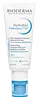
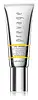
Bioderma Hydrabio Perfecteur Cream SPF 30 Versus Elizabeth Arden Prevage City Smart Broad Spectrum SPF 50 PA++++
This brightening day moisturizer is formulated around Niacinamide and Salicylic Acid to brighten dull-looking skin.
This mineral sunscreen covers the full UV range and blocks ~98% of UVB at SPF 50.


What's inside
What's inside
 Key Ingredients
Benefits
Concerns
Ingredients Side-by-side
Water
Skin ConditioningGlycerin
Humectant


Octocrylene
UV Absorber



Ethylhexyl Salicylate
UV Absorber
Cyclopentasiloxane
Emollient
Dimethicone
Emollient
Dipropylene Glycol
HumectantButyl Methoxydibenzoylmethane
UV Absorber
Cetyl Alcohol
Emollient



Polymethylsilsesquioxane
Niacinamide
Smoothing









Phenylbenzimidazole Sulfonic Acid
UV Absorber
Styrene/Acrylates Copolymer
Arachidyl Alcohol
Emollient
Hdi/Trimethylol Hexyllactone Crosspolymer
Arginine
Masking
Cyclohexasiloxane
Emollient
Behenyl Alcohol
Emollient
C30-45 Alkyl Cetearyl Dimethicone Crosspolymer
Emollient
Mica
Cosmetic ColorantHydroxyethyl Acrylate/Sodium Acryloyldimethyl Taurate Copolymer
Emulsion StabilisingPentylene Glycol
Skin Conditioning
Tocopheryl Acetate
Antioxidant

Arachidyl Glucoside
EmulsifyingCI 77891
Cosmetic ColorantDisodium EDTA
PEG-8 Laurate
Emulsifying
Salicylic Acid
Masking


Mannitol
Humectant
Xylitol
Humectant
Hexyldecanol
Emollient
Sodium Hydroxide
BufferingRhamnose
HumectantPolysorbate 60
Emulsifying
Sorbitan Isostearate
Emulsifying
Pyrus Malus Seed Extract
Skin ConditioningBrassica Campestris Sterols
EmollientCI 17200
Cosmetic ColorantTocopherol
Antioxidant
Parfum
Masking

Water, Glycerin, Octocrylene, Ethylhexyl Salicylate, Cyclopentasiloxane, Dimethicone, Dipropylene Glycol, Butyl Methoxydibenzoylmethane, Cetyl Alcohol, Polymethylsilsesquioxane, Niacinamide, Phenylbenzimidazole Sulfonic Acid, Styrene/Acrylates Copolymer, Arachidyl Alcohol, Hdi/Trimethylol Hexyllactone Crosspolymer, Arginine, Cyclohexasiloxane, Behenyl Alcohol, C30-45 Alkyl Cetearyl Dimethicone Crosspolymer, Mica, Hydroxyethyl Acrylate/Sodium Acryloyldimethyl Taurate Copolymer, Pentylene Glycol, Tocopheryl Acetate, Arachidyl Glucoside, CI 77891, Disodium EDTA, PEG-8 Laurate, Salicylic Acid, Mannitol, Xylitol, Hexyldecanol, Sodium Hydroxide, Rhamnose, Polysorbate 60, Sorbitan Isostearate, Pyrus Malus Seed Extract, Brassica Campestris Sterols, CI 17200, Tocopherol, Parfum
Cyclopentasiloxane
Emollient
Water
Skin ConditioningIsododecane
EmollientDimethicone
Emollient
Titanium Dioxide
Cosmetic Colorant
Zinc Oxide
Cosmetic Colorant
C12-15 Alkyl Benzoate
AntimicrobialIsopropyl Myristate
Emollient

Pentylene Glycol
Skin Conditioning
Butylene Glycol
Humectant
Silica Dimethyl Silylate
EmollientCaprylyl Methicone
Skin Conditioning
Polyglyceryl-3 Polydimethylsiloxyethyl Dimethicone
Skin Conditioning
Acrylates/Polytrimethylsiloxymethacrylate Copolymer
Skin ConditioningGlycerin
Humectant
Aluminum Hydroxide
EmollientStearic Acid
Cleansing
PEG-9 Polydimethylsiloxyethyl Dimethicone
Emulsifying
Carnosine
Skin Conditioning
Acrylates/Ethylhexyl Acrylate/Dimethicone Methacrylate Copolymer
Skin Conditioning
Arabidopsis Thaliana Extract
Antioxidant
Camellia Sinensis Leaf Extract
Antimicrobial
Caprylyl Glycol
Emollient
Disodium EDTA
ChelatingErgothioneine
Antioxidant
Ferulic Acid
Antimicrobial
Hydrogen Dimethicone
Hydroxydecyl Ubiquinoyl Dipalmitoyl Glycerate
Skin ConditioningLecithin
Emollient
Mica
Cosmetic ColorantMicrococcus Lysate
Skin ConditioningParfum
Masking
PEG/PPG-18/18 Dimethicone
Emulsifying
Plankton Extract
Skin ConditioningSodium PCA
Humectant
Tin Oxide
Abrasive
Tocopheryl Acetate
Antioxidant
Triethoxycaprylylsilane
Alpha-Isomethyl Ionone
Perfuming
Linalool
Perfuming
Chlorphenesin
Antimicrobial
Phenoxyethanol
Preservative
Iron Oxides
CI 77891
Cosmetic ColorantCyclopentasiloxane, Water, Isododecane, Dimethicone, Titanium Dioxide, Zinc Oxide, C12-15 Alkyl Benzoate, Isopropyl Myristate, Pentylene Glycol, Butylene Glycol, Silica Dimethyl Silylate, Caprylyl Methicone, Polyglyceryl-3 Polydimethylsiloxyethyl Dimethicone, Acrylates/Polytrimethylsiloxymethacrylate Copolymer, Glycerin, Aluminum Hydroxide, Stearic Acid, PEG-9 Polydimethylsiloxyethyl Dimethicone, Carnosine, Acrylates/Ethylhexyl Acrylate/Dimethicone Methacrylate Copolymer, Arabidopsis Thaliana Extract, Camellia Sinensis Leaf Extract, Caprylyl Glycol, Disodium EDTA, Ergothioneine, Ferulic Acid, Hydrogen Dimethicone, Hydroxydecyl Ubiquinoyl Dipalmitoyl Glycerate, Lecithin, Mica, Micrococcus Lysate, Parfum, PEG/PPG-18/18 Dimethicone, Plankton Extract, Sodium PCA, Tin Oxide, Tocopheryl Acetate, Triethoxycaprylylsilane, Alpha-Isomethyl Ionone, Linalool, Chlorphenesin, Phenoxyethanol, Iron Oxides, CI 77891
Reviews
Ingredients Explained
These ingredients are found in both products.
Ingredients higher up in an ingredient list are typically present in a larger amount.
Ci 77891 is a white pigment from Titanium dioxide. It is naturally found in minerals such as rutile and ilmenite.
It's main function is to add a white color to cosmetics. It can also be mixed with other colors to create different shades.
Ci 77891 is commonly found in sunscreens due to its ability to block UV rays.
Learn more about CI 77891Cyclopentasiloxane (D5) is a lightweight silicone that mostly acts as an emollient and solvent in cosmetics. Its the reason your products feel silky, fast-spreading, and non-greasy.
Since D5 is volatile, it does its thing and then evaporates off the skin quickly.
The safety profile of this ingredient is reassuring; the US CIR Expert Panel concluded D5 is safe as used in cosmetics and Health Canada concluded that D5 is not harmful to human health or the environment as currently used in cosmetics
There's a study that people mention about D5 in a rat study showing tumors. This study is related to long-term inhalation of high D5 levels.
Regulatory bodies have judged this study to be not applicable in topical skincare since skin absorption of D5 is very low and we're not really inhaling huge amounts of D5.
The only restriction for this ingredient is environmental. The European Chemicals Agency (ECHA) restricted D5 in wash-off cosmetics at or above 0.1% due to their persistence in water.
Learn more about CyclopentasiloxaneDimethicone is a type of synthetic silicone created from natural materials such as quartz. It is also known as polydimethylsiloxane.
What it does:
Dimethicone comes in different viscosities:
Depending on the viscosity, dimethicone has different properties.
Ingredients lists don't always show which type is used, so we recommend reaching out to the brand if you have questions about the viscosity.
This ingredient is unlikely to cause irritation because it does not get absorbed into skin. However, people with silicone allergies should be careful about using this ingredient.
Note: Dimethicone may contribute to pilling. This is because it is not oil or water soluble, so pilling may occur when layered with products. When mixed with heavy oils in a formula, the outcome is also quite greasy.
Learn more about DimethiconeDisodium EDTA is a chelating agent. It grabs onto and deactivates metal ions that sneak into your products from water, packaging, or air.
This ingredient mainly works behind the scenes and helps with:
On top of that, this ingredient can counteract the effects of hard water by binding to the minerals in it.
One thing worth knowing is that Disodium EDTA has been shown to be a mild penetration enhancer. It can help other ingredients absorb into skin more effectively which can be a double-edged sword (great for actives, but can also make the active too strong if you have sensitive skin).
Clinical patch testing showed no significant skin irritation at typical use concentrations and minimal dermal absorption.
You'll most likely see this ingredient near the end of an ingredient list. It's typically found in concentrations less than 1%.
Learn more about Disodium EDTAGlycerin (or glycerol) is a compound naturally found in your skin. It's a powerhouse humectant that pulls water into the stratum corneum.
Topically, glycerin does several things at once:
Your skin makes glycerin on its own (mostly from sebaceous oil breakdown) and shuttles it to your outermost layer of skin, or your epidermis, via aquaporin-3.
Aquaporin-3 is a transporter that is essential for normal skin hydration, elasticity, and repair. Interestingly, mice lacking in AQP3 have dry and less elastic skin that can be fully corrected with glycerin.
This ingredient is non-irritating, plays well with almost every ingredient, and works across all skin types. Typical use is anywhere between 3-10% but can go up to 79% in some leave-on products.
Just know very high concentrations (>40%) can feel tacky in low humidity.
Glycerin is the name for this ingredient in American English. British English uses Glycerol/Glycerine.
Learn more about GlycerinMica is a naturally occurring mineral used to add shimmer and color in cosmetics. It can also help improve the texture of a product or give it an opaque, white/silver color.
Serecite is the name for very fine but ragged grains of mica.
This ingredient is often coated with metal oxides like titanium dioxide. Trace amounts of heavy metals may be found in mica, but these metals are not harmful in our personal products.
Mica has been used since prehistoric times throughout the world. Ancient Egyptian, Indian, Greek, Roman, Aztec, and Chinese civilizations have used mica.
Learn more about MicaParfum is a catch-all term for an ingredient or more that is used to give a scent to products.
Also called "fragrance", this ingredient can be a blend of hundreds of chemicals or plant oils. This means every product with "fragrance" or "parfum" in the ingredients list is a different mixture.
For instance, Habanolide is a proprietary trade name for a specific aroma chemical. When used as a fragrance ingredient in cosmetics, most aroma chemicals fall under the broad labeling category of “FRAGRANCE” or “PARFUM” according to EU and US regulations.
The term 'parfum' or 'fragrance' is not regulated in many countries. In many cases, it is up to the brand to define this term.
For instance, many brands choose to label themselves as "fragrance-free" because they are not using synthetic fragrances. However, their products may still contain ingredients such as essential oils that are considered a fragrance by INCI standards.
One example is Calendula flower extract. Calendula is an essential oil that still imparts a scent or 'fragrance'.
Depending on the blend, the ingredients in the mixture can cause allergies and sensitivities on the skin. Some ingredients that are known EU allergens include linalool and citronellol.
Parfum can also be used to mask or cover an unpleasant scent.
The bottom line is: not all fragrances/parfum/ingredients are created equally. If you are worried about fragrances, we recommend taking a closer look at an ingredient. And of course, we always recommend speaking with a professional.
Learn more about ParfumPentylene Glycol (1,2-pentanediol) is a multitasking little diol with three main roles in a formula:
Research on alkanediols (the family pentylene glycol belongs to) show they work by disrupting microbial cell membranes. This disruption helps the primary preservative system in a product work more effectively at lower doses.
On the safety side, the Cosmetic Ingredient Review Expert Panel has concluded this ingredient to be safe as used in current cosmetic practices + concentrations.
Typical use levels in a formula run about 1-5%.
Learn more about Pentylene GlycolTocopheryl Acetate is a stable, shelf-friendly form of vitamin E.
Formulators love it because plain vitamin E oxidizes quickly once it hits air. This acetate version stays stable and resists going off, helping to extend a product's shelf life.
It's actually inactive on its own and works like a slow-release "storage" form; the enzymes in your skin called esterases gradually convert it into active vitamin E over time.
One in vivo study showed 5% of the acetate in the living layer of the epidermis converted to vitamin E after 5 days of application. This study also found the skin gained protection against UV damage even though the conversion was slow and small.
Once converted, vitamin E acts as a skin's main fat-soluble antioxidant that fights free radicals to protect skin from damage.
Topical vitamin E generally boosts the skin's photoprotection, and it reduced UV-damage in animal models.
This ingredient has some brightening potential but it's more of a prevention ingredient than spot-fader. Cell studies show it can slow down melanin production but it's worth noting that it's not the most powerful brightener out there.
Overall, it has a pretty solid safety profile and has been found to be non-irritating and non-comedogenic. Allergic reactions may happen but stay rare due to how widely the ingredient gets used.
The concentration will vary depending on the formula; industry data shows 0.1% in baby lotions, 3% in lipsticks, and 5% in foot powders. You can also find this ingredient at 100% in a pure vitamin E oil.
Most leave-on skincare keeps it at the lower end, often between 0.5-1%.
Learn more about Tocopheryl AcetateWater. It's the most common cosmetic ingredient of all. You'll usually see it at the top of ingredient lists, meaning that it makes up the largest part of the product.
So why is it so popular? Water most often acts as a solvent - this means that it helps dissolve other ingredients into the formulation.
You'll also recognize water as that liquid we all need to stay alive. If you see this, drink a glass of water. Remember to stay hydrated!
Learn more about Water

