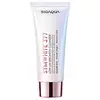
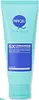
Bioaqua Symwhite377 Low pH Brightening Cleanser Versus Pipiqiu 5x Ceramide Low pH Gentle Face Cleanser
This mild cream cleanser is mild enough to cleanse without leaving skin feeling tight or stripped.


What's inside
What's inside
 Key Ingredients
Benefits
Concerns
Ingredients Side-by-side
Water
Skin ConditioningSodium Lauroyl Isethionate
CleansingCocamidopropyl Betaine
Cleansing



Sodium Lauroyl Sarcosinate
CleansingNiacinamide
Smoothing











Glycol Distearate
Emollient
Acrylates Copolymer
Cocamide DEA
Emulsifying
Sodium Chloride
MaskingPhenylethyl Resorcinol
Antioxidant
Disodium EDTA
ChelatingHydroxyacetophenone
Antioxidant
Centella Asiatica Extract
Cleansing
Caprylhydroxamic Acid
ChelatingEthylhexylglycerin
Skin ConditioningPotassium Hydroxide
BufferingGlyceryl Caprylate
EmollientCeramide Ns
Skin Conditioning

Ceramide NP
Skin Conditioning
Ceramide Ng
Skin Conditioning
Ceramide Eos
Skin Conditioning
Ceramide EOP
Skin Conditioning
Ceramide As
Skin Conditioning
Ceramide AP
Skin Conditioning
Tranexamic Acid
Astringent
Bifida Ferment Filtrate
Skin Conditioning
Hydrolyzed Rhodophyceae Extract
Dextran
Sophora Flavescens Root Extract
Antioxidant
Portulaca Oleracea Extract
Skin Conditioning
Hexapeptide-8
Skin Conditioning
Mica
Cosmetic ColorantOligopeptide-1
Skin Conditioning
Carnosine
Skin Conditioning
Hydrolyzed Hyaluronic Acid
Humectant
Hyaluronic Acid
Humectant
Sodium Hyaluronate
Humectant
Water, Sodium Lauroyl Isethionate, Cocamidopropyl Betaine, Sodium Lauroyl Sarcosinate, Niacinamide, Glycol Distearate, Acrylates Copolymer, Cocamide DEA, Sodium Chloride, Phenylethyl Resorcinol, Disodium EDTA, Hydroxyacetophenone, Centella Asiatica Extract, Caprylhydroxamic Acid, Ethylhexylglycerin, Potassium Hydroxide, Glyceryl Caprylate, Ceramide Ns, Ceramide NP, Ceramide Ng, Ceramide Eos, Ceramide EOP, Ceramide As, Ceramide AP, Tranexamic Acid, Bifida Ferment Filtrate, Hydrolyzed Rhodophyceae Extract, Dextran, Sophora Flavescens Root Extract, Portulaca Oleracea Extract, Hexapeptide-8, Mica, Oligopeptide-1, Carnosine, Hydrolyzed Hyaluronic Acid, Hyaluronic Acid, Sodium Hyaluronate
Water
Skin ConditioningCocamidopropyl Betaine
Cleansing
Potassium Cocoate
Emulsifying
Glycerin
Humectant
PEG-7 Glyceryl Cocoate
Emulsifying
Potassium Cocoyl Glycinate
Surfactant
Niacinamide
Smoothing
Calendula Officinalis Flower Extract
Masking
Centella Asiatica Extract
Cleansing
Ceramide NP
Skin Conditioning
Sodium Hyaluronate Crosspolymer
Humectant
Sodium Hyaluronate
Humectant
Sodium Acetylated Hyaluronate
Humectant
Hyaluronic Acid
Humectant
Hydrolyzed Glycosaminoglycans
HumectantHydrolyzed Sodium Hyaluronate
Skin Conditioning
Ceramide AP
Skin Conditioning
Ceramide As
Skin Conditioning
Ceramide Ns
Skin Conditioning
Hydrolyzed Hyaluronic Acid
Humectant
Ceramide EOP
Skin Conditioning
Lactobacillus/Leuconostoc/Blueberry Fruit Extract Ferment Filtrate
HumectantLactobacillus
Skin ConditioningLactobacillus/Leuconostoc/Coconut Fruit Extract Ferment Filtrate
Humectant
Lactobacillus/Leuconostoc/Orange Fruit Extract Ferment Filtrate
HumectantLactobacillus/Leuconostoc/Tomato Fruit Extract Ferment Filtrate
HumectantHydrogenated Lecithin
Emulsifying
Cholesterol
Emollient
Phenoxyethanol
Preservative
Acrylates/C10-30 Alkyl Acrylate Crosspolymer
Emulsion StabilisingParfum
Masking
Sodium Benzoate
Masking
Disodium EDTA
ChelatingButylene Glycol
Humectant
1,2-Hexanediol
Skin Conditioning
2,3-Butanediol
HumectantGlyceryl Stearate
Emollient
Water, Cocamidopropyl Betaine, Potassium Cocoate, Glycerin, PEG-7 Glyceryl Cocoate, Potassium Cocoyl Glycinate, Niacinamide, Calendula Officinalis Flower Extract, Centella Asiatica Extract, Ceramide NP, Sodium Hyaluronate Crosspolymer, Sodium Hyaluronate, Sodium Acetylated Hyaluronate, Hyaluronic Acid, Hydrolyzed Glycosaminoglycans, Hydrolyzed Sodium Hyaluronate, Ceramide AP, Ceramide As, Ceramide Ns, Hydrolyzed Hyaluronic Acid, Ceramide EOP, Lactobacillus/Leuconostoc/Blueberry Fruit Extract Ferment Filtrate, Lactobacillus, Lactobacillus/Leuconostoc/Coconut Fruit Extract Ferment Filtrate, Lactobacillus/Leuconostoc/Orange Fruit Extract Ferment Filtrate, Lactobacillus/Leuconostoc/Tomato Fruit Extract Ferment Filtrate, Hydrogenated Lecithin, Cholesterol, Phenoxyethanol, Acrylates/C10-30 Alkyl Acrylate Crosspolymer, Parfum, Sodium Benzoate, Disodium EDTA, Butylene Glycol, 1,2-Hexanediol, 2,3-Butanediol, Glyceryl Stearate
Ingredients Explained
These ingredients are found in both products.
Ingredients higher up in an ingredient list are typically present in a larger amount.
Centella Asiatica Extract (Centella) is one of the most researched botanical extracts in skincare with decades of studies backing its effects on inflammation, collagen, and the skin barrier.
That research keeps pointing back to the same four triterpenoid saponins: Asiaticoside, Madecassoside, Asiatic Acid, and Madecassic Acid.
These compounds allow centella to dial back inflammation, encourage the skin to build and hold onto collagen, support the barrier and hydration, and bring solid antioxidant activity to protect against signs of aging.
Centella also carries a nice supporting cast of Vitamin A, vitamin C, several B vitamins, and amino acids. Put it all together and you get an ingredient that soothes, hydrates, and protects, all at once.
Most of centella's magic comes from the four big compounds (Asiaticoside, Madecassoside, Asiatic Acid, and Madecassic Acid). These are the actives doing the heavy lifting in almost every centella study.
Here is the short version of what they do in the skin:
So it is not just soothing for the sake of soothing. Centella calms the skin AND helps it rebuild.
Just FYI, not all centella on an ingredient list is the same. What you are getting actually depends on the extract:
Fun fact on the ratios: the leaves tend to be richest in Madecassoside and Asiaticoside, and lower in the two acids. The exact amounts shift with where the plant is grown and how it is processed. This means purity really does vary brand to brand.
Centella is one of the most easygoing actives out there.
It layers well with basically everything: niacinamide, hyaluronic acid, peptides, and vitamin C, and also pairs nicely with stronger actives like retinoids and exfoliating acids where it can help take the edge off irritation.
On the safety side, centella and its triterpenes are classified as weak sensitizers, meaning allergic reactions are possible but uncommon.
Patch tests at 1% and 5% came back negative in test panels, and creams at typical use levels did not cause allergic reactions across large groups of people.
But as with any new active, a patch test is still a smart move for very reactive skin.
Centella is widely used because it is effective at low percentages. For context, human safety testing found no meaningful irritation from creams containing centella extract at everyday use levels (the tested amounts were well under 1%).
The irritancy threshold in animal testing was also above 30% (so real-world formulas sit far below anything concerning).
In collagen lab studies, higher concentrations drove more collagen synthesis, so serums built around centella tend to feature it more prominently.
Bottom line: you will find centella working nicely anywhere from a fraction of a percent up to hero-ingredient levels depending on whether it is a supporting soother or the main event.
Fun fact: Centella has been used as a medicine and in food for many centuries. As a medicine, it is used to treat burns, scratches, and wounds.
Learn more about Centella Asiatica ExtractCeramide AP is is a skin-identical lipid that mimics what your skin already makes naturally. Ceramides help maintain epidermal integrity and barrier function.
You'll often see this ingredient paired with other ceramides (like ceramide NP), cholesterol, or fatty acids because this combination best mimics the natural lipid mix your skin already has.
The skin's ability to produce ceramides gets disrupted in skin conditions like eczema. This in turn weakens the skin barrier and applying ceramides topically has been shown to replenish what's been lost to restore barrier function.
Most of the studies with Ceramide AP test it as part of a multi-ceramide complex; studies reinforce ceramide AP's role in rebalancing ceramides in skin and improving skin hydration.
Learn more about Ceramide APCeramide AS is formally known as Ceramides 4 and 5.
Ceramides are intercellular lipids naturally found in our skin that bonds dead skin cells together to create a barrier. They are known for their ability to hold water and thus are a great ingredient for dry skin.
Ceramide EOP is formally known as Ceramide 1.
It is naturally found in skin and part of the intercellular "mortar" holding everything together in your outermost layer.
EOP stands for a linked Ester fatty acid, a linked Omega hydroxy fatty acid, and the Phytosphingosine base.
What makes Ceramide EOP special is its ultra-long fatty acid chain; this unique structure allows it to bridge the lipid layers in your skin barrier to prevent water loss (something no other ceramide can do).
Low levels of Ceramide EOP have been found in people with eczema and psoriasis.
Using it together with other ceramides, cholesterol, and linoleic acid have been shown to meaningfully improve hydration and reduce water loss.
In one clinical study, a regimen using Ceramide EOP, NP, and AP led to significant symptom improvements in patients with eczema, psoriasis, and dry skin in just 4 weeks.
You'll usually see concentrations between 0.1-0.5% in formulations. Overall, this is a well-tolerated and safe ingredient for cosmetic use.
Learn more about Ceramide EOPCeramide NP (formerly known as Ceramide 3) is one of the skin's naturally occurring lipids.
Since ceramides are the major lipid components of the skin, they are crucial for maintaining skin barrier and hydration. Ceramide NP most closely mirrors the dominant kind in human skin amongst ceramide subtypes.
This ceramide works by slotting into gaps within the stratum corneum's lipid matrix to limit trans-epidermal water loss (TEWL) and shield the skin against external irritants.
A study with 312 patients found that using a ceramide-containing routine for 4 weeks reduced the severity of atopic dermatitis by over 61%.
Another clinical study in subjects aged 60 and older found that a ceramide body wash and moisturizer improved skin dryness and itchy skin in 15 days.
Overall, ceramides are considered non-irritating and safety tests have found little to no observable adverse effects from using this ingredient.
Ceramide NP is usually sourced from plants (like soybean or rice bran), or produced synthetically.
Learn more about Ceramide NPCeramide NS is formally known as Ceramide 2. It is one of the major ceramides in the stratum corneum (outermost layer of skin) plays a role in forming a protective barrier.
Due to its structure, skin lipids can be packed tightly and in turn, this strengthens the barrier and reduces water loss.
Studies show conditions like atopic dermatitis can worsen when ceramide NS levels are low.
Learn more about Ceramide NsCocamidopropyl Betaine is a fatty acid created by mixing similar compounds in coconut oil and dimethylaminopropylamine, a compound with two amino groups.
This ingredient is a surfactant and cleanser. It helps gather the dirt, pollutants, and other impurities in your skin to be washed away. It also helps thicken a product and make the texture more creamy.
Being created from coconut oil means Cocamidopropyl Betaine is hydrating for the skin.
While Cocamidopropyl Betaine was believed to be an allergen, a study from 2012 disproved this. It found two compounds in unpure Cocamidopropyl Betaine to be the irritants: aminoamide and 3-dimethylaminopropylamine. High-grade and pure Cocamidopropyl Betaine did not induce allergic reactions during this study.
Learn more about Cocamidopropyl BetaineDisodium EDTA is a chelating agent. It grabs onto and deactivates metal ions that sneak into your products from water, packaging, or air.
This ingredient mainly works behind the scenes and helps with:
On top of that, this ingredient can counteract the effects of hard water by binding to the minerals in it.
One thing worth knowing is that Disodium EDTA has been shown to be a mild penetration enhancer. It can help other ingredients absorb into skin more effectively which can be a double-edged sword (great for actives, but can also make the active too strong if you have sensitive skin).
Clinical patch testing showed no significant skin irritation at typical use concentrations and minimal dermal absorption.
You'll most likely see this ingredient near the end of an ingredient list. It's typically found in concentrations less than 1%.
Learn more about Disodium EDTAHyaluronic acid (HA) is a glycosaminoglycan (basically a long sugar chain) that your skin already makes on its own. In your skin, HA lives in the extracellular matrix and acts as the body's moisture reservoir.
Topically, HA is a humectant that binds water and helps skin look more plump, smooth, and hydrated.
The only catch is that HA isn't a single thing; it actually comes in a wide range of molecular weights (~50 - 2,000+ kDA) and size matters.
Some clinical evidence links low molecular weight versions to improved wrinkle depth, elasticity, anti-inflammatory effects, and barrier repair.
This is why the best HA serums blend the two sizes together so you get the best of both worlds.
The majority of cosmetic HA is produced by bacterial fermentation, typically using Streptococcus or Bacillus strains. Typical use levels in skincare sit around 0.1-2%.
A clinical study using a 0.2% low-molecular weight HA gel showed improvement in facial seborrheic dermatitis with excellent tolerance.
These are some other common types of Hyaluronic Acid:
Learn more about Hyaluronic AcidHydrolyzed Hyaluronic Acid is hyaluronic acid (HA) that is broken down into lower molecular weight fragments.
It's a humectant that pulls and holds water in the skin to help with hydration, plumpness, and reduce transepidermal water loss.
Because hydrolyzed hyaluronic acid is smaller in size, it can slip past your outermost layer of skin more easily than full-sized HA.
Most formulations will combine all sizes to get the best of both worlds.
Typical usage levels range from 0.01-1%. Any percentage higher than 2% might become goopy and tacky.
Learn more about Hydrolyzed Hyaluronic AcidNiacinamide is a multitasking form of vitamin B3 that strengthens the skin barrier, reduces pores and dark spots, regulates oil, and improves signs of aging.
And the best part? It's gentle and well-tolerated by most skin types, including sensitive and reactive skin.
You might have heard of "niacin flush", or the reddening of skin that causes itchiness. Niacinamide has not been found to cause this.
In very rare cases, some individuals may not be able to tolerate niacinamide at all or experience an allergic reaction to it.
If you are experiencing flaking, irritation, and dryness with this ingredient, be sure to double check all your products as this ingredient can be found in all categories of skincare.
When incorporating niacinamide into your routine, look out for concentration amounts. Typically, 5% niacinamide provides benefits such as fading dark spots. However, if you have sensitive skin, it is better to begin with a smaller concentration.
When you apply niacinamide to your skin, your body converts it into nicotinamide adenine dinucleotide (NAD). NAD is an essential coenzyme that is already found in your cells as "fuel" and powers countless biological processes.
In your skin, NAD helps repair cell damage, produce new healthy cells, support collagen production, strengthen the skin barrier, and fight environmental stressors (like UV and pollution).
Our natural NAD levels start to decline with age, leading to slower skin repair, visible aging, and a weaker skin barrier. By providing your skin niacinamide, you're recharging your skin's NAD levels. This leads to stronger, healthier, and younger looking skin.
Another name for vitamin B3 is nicotinamide. This vitamin is water-soluble and our bodies don't store it. We obtain Vitamin B3 from either food or skincare. Meat, fish, wheat, yeast, and leafy greens contain vitamin B3.
The type of niacinamide used in skincare is synthetically created.
Learn more about NiacinamideSodium Hyaluronate is the salt form of hyaluronic acid. It is a long sugar chain that is naturally found in your skin, joints, and connective tissue that maintains hydration and elasticity.
In skincare, it works as a humectant. It pulls water from the environment and deeper layers of skin and binds it to the surface.
Interestingly, the size of the molecule affects its behavior:
Some clinical evidence links low molecular weight versions to improved wrinkle depth, elasticity, anti-inflammatory effects, and barrier repair.
Many serums use a blend of both weights so you can get surface hydration plus longer-lasting and deeper effects.
You'll typically see concentrations between 0.1-2% for this ingredient.
Learn more about Sodium HyaluronateWater. It's the most common cosmetic ingredient of all. You'll usually see it at the top of ingredient lists, meaning that it makes up the largest part of the product.
So why is it so popular? Water most often acts as a solvent - this means that it helps dissolve other ingredients into the formulation.
You'll also recognize water as that liquid we all need to stay alive. If you see this, drink a glass of water. Remember to stay hydrated!
Learn more about Water

