

What's inside
What's inside
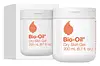 Key Ingredients
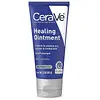
Benefits
Concerns
Ingredients Side-by-side
Paraffinum Liquidum
Emollient

Isopropyl Palmitate
Emollient

Triisononanoin
Skin ConditioningGlycerin
Humectant


Cetearyl Ethylhexanoate
Emollient
Isopropyl Myristate
Emollient
Water
Skin ConditioningCaprylic/Capric Triglyceride
Masking
Isostearyl Isostearate
Emollient
C26-28 Alkyl Dimethicone
Skin Conditioning
Butyrospermum Parkii Butter
Skin Conditioning
Sodium Lactate
Buffering
Urea
Buffering

Gluconolactone
Skin Conditioning





Sodium PCA
Humectant
Sodium Hyaluronate
Humectant

Octyldodecyl PCA
EmollientSucrose Laurate
Emollient
Sucrose Stearate
EmollientLactic Acid
Buffering



Lanolin
Emollient
Butylene Glycol
Humectant
Dimethicone/Vinyl Dimethicone Crosspolymer
Skin Conditioning
Bisabolol
Antioxidant
Helianthus Annuus Seed Oil
Emollient
Silica
Abrasive
Glycine Soja Oil
Emollient
Retinyl Palmitate
Skin Conditioning
Tocopheryl Acetate
Antioxidant
Niacinamide
Smoothing
Linoleic Acid
Cleansing
Linolenic Acid
Cleansing
Tocopherol
Antioxidant
Anthemis Nobilis Flower Oil
Masking
Calendula Officinalis Extract
Skin Conditioning
Rosmarinus Officinalis Leaf Oil
Masking
Lavandula Angustifolia Oil
Masking
Parfum
Masking
Farnesol
Perfuming
Limonene
Perfuming
Linalool
Perfuming
CI 17200
Cosmetic ColorantParaffinum Liquidum, Isopropyl Palmitate, Triisononanoin, Glycerin, Cetearyl Ethylhexanoate, Isopropyl Myristate, Water, Caprylic/Capric Triglyceride, Isostearyl Isostearate, C26-28 Alkyl Dimethicone, Butyrospermum Parkii Butter, Sodium Lactate, Urea, Gluconolactone, Sodium PCA, Sodium Hyaluronate, Octyldodecyl PCA, Sucrose Laurate, Sucrose Stearate, Lactic Acid, Lanolin, Butylene Glycol, Dimethicone/Vinyl Dimethicone Crosspolymer, Bisabolol, Helianthus Annuus Seed Oil, Silica, Glycine Soja Oil, Retinyl Palmitate, Tocopheryl Acetate, Niacinamide, Linoleic Acid, Linolenic Acid, Tocopherol, Anthemis Nobilis Flower Oil, Calendula Officinalis Extract, Rosmarinus Officinalis Leaf Oil, Lavandula Angustifolia Oil, Parfum, Farnesol, Limonene, Linalool, CI 17200
Petrolatum 49.5%
Emollient
Paraffinum Liquidum
Emollient
Microcrystalline Wax
Emulsion StabilisingGlycerin
Humectant
Paraffin
Skin ConditioningSynthetic Wax
Abrasive
Ceramide NP
Skin Conditioning
Ceramide AP
Skin Conditioning
Ceramide EOP
Skin Conditioning
Carbomer
Emulsion StabilisingWater
Skin ConditioningTriethyl Citrate
Masking
Sodium Lauroyl Lactylate
EmulsifyingSodium Hyaluronate
Humectant
Cholesterol
Emollient
Tocopheryl Acetate
Antioxidant
Tocopherol
Antioxidant
Caprylyl Glycol
Emollient
Panthenol
Skin Conditioning
Phytosphingosine
Skin Conditioning
Xanthan Gum
EmulsifyingBenzoic Acid
Masking
Petrolatum 49.5%, Paraffinum Liquidum, Microcrystalline Wax, Glycerin, Paraffin, Synthetic Wax, Ceramide NP, Ceramide AP, Ceramide EOP, Carbomer, Water, Triethyl Citrate, Sodium Lauroyl Lactylate, Sodium Hyaluronate, Cholesterol, Tocopheryl Acetate, Tocopherol, Caprylyl Glycol, Panthenol, Phytosphingosine, Xanthan Gum, Benzoic Acid
Reviews
Ingredients Explained
These ingredients are found in both products.
Ingredients higher up in an ingredient list are typically present in a larger amount.
Glycerin (or glycerol) is a compound naturally found in your skin. It's a powerhouse humectant that pulls water into the stratum corneum.
Topically, glycerin does several things at once:
Your skin makes glycerin on its own (mostly from sebaceous oil breakdown) and shuttles it to your outermost layer of skin, or your epidermis, via aquaporin-3.
Aquaporin-3 is a transporter that is essential for normal skin hydration, elasticity, and repair. Interestingly, mice lacking in AQP3 have dry and less elastic skin that can be fully corrected with glycerin.
This ingredient is non-irritating, plays well with almost every ingredient, and works across all skin types. Typical use is anywhere between 3-10% but can go up to 79% in some leave-on products.
Just know very high concentrations (>40%) can feel tacky in low humidity.
Glycerin is the name for this ingredient in American English. British English uses Glycerol/Glycerine.
Learn more about GlycerinParaffinum Liquidum is a highly-refined cosmetic-grade mineral oil. It is also known as liquid paraffin.
Despite its controversial reputation, the science is pretty clear: it's one of the most well-studied and effective moisturizing ingredients out there.
As an occlusive, it forms a protective layer on the skin that locks in moisture and prevents transepidermal water loss (TEWL). This makes it especially great for compromised skin barriers.
The "it clogs your pores" myth has been around for decades; a study found that industrial-grade mineral oil may be comedogenic but cosmetic-grade mineral oil is not (these two are very, very different).
A 2017 review concluded that cosmetic use of mineral oils and waxes does not present a risk to consumers due to absorption.
Mineral oil got a bad rap from the old rabbit ear studies. When tested on actual human skin, cosmetic-grade mineral oil showed no comedogenic activity. The rating of 0 is a correction of outdated science.
Mineral oil is an inert substance with no fatty acids so there's nothing to feed Malassezia. This ingredient is fungal acne safe.
Learn more about Paraffinum LiquidumSodium Hyaluronate is the salt form of hyaluronic acid. It is a long sugar chain that is naturally found in your skin, joints, and connective tissue that maintains hydration and elasticity.
In skincare, it works as a humectant. It pulls water from the environment and deeper layers of skin and binds it to the surface.
Interestingly, the size of the molecule affects its behavior:
Some clinical evidence links low molecular weight versions to improved wrinkle depth, elasticity, anti-inflammatory effects, and barrier repair.
Many serums use a blend of both weights so you can get surface hydration plus longer-lasting and deeper effects.
You'll typically see concentrations between 0.1-2% for this ingredient.
Learn more about Sodium HyaluronateTocopherol is a fat-soluble antioxidant known as Vitamin E.
You'll find this ingredient in the vast majority of skincare (for good reason). It works to neutralize free radicals, or unstable molecules generated by UV exposure, pollution, and other environmental stressors, before they can cause oxidative damage to your skin cells.
Topically applied tocopherol has been shown to protect against UV damage by ramping up the skin's own natural defense enzymes.
It also acts as a skin conditioning agent; some studies show that regular topical use can improve the skin's water-binding capacity over 2-4 weeks.
This ingredient is especially loved for being a team player. When combined with Vitamin C, the photoprotective effect of both ingredients roughly doubles and the combo also helps reduce UV-induced DNA damage.
This ingredient has some brightening potential but it's more of a prevention ingredient than spot-fader. Cell studies show it can slow down melanin production but it's worth noting that it's not the most powerful brightener out there.
In formulations, it also serves as a stabilizer that helps protect other oxidation-prone ingredients from degrading.
Concentrations usually range from 0.1-1% in most leave-on products.
Learn more about TocopherolTocopheryl Acetate is AKA Vitamin E. It is an antioxidant and protects your skin from free radicals. Free radicals damage the skin by breaking down collagen.
One study found using Tocopheryl Acetate with Vitamin C decreased the number of sunburned cells.
Tocopheryl Acetate is commonly found in both skincare and dietary supplements.
Learn more about Tocopheryl AcetateWater. It's the most common cosmetic ingredient of all. You'll usually see it at the top of ingredient lists, meaning that it makes up the largest part of the product.
So why is it so popular? Water most often acts as a solvent - this means that it helps dissolve other ingredients into the formulation.
You'll also recognize water as that liquid we all need to stay alive. If you see this, drink a glass of water. Remember to stay hydrated!
Learn more about Water
