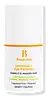
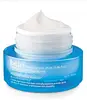
BeautyStat C Eye Perfector Dark Circle Reducing Vitamin C Eye Cream Versus Belif Moisturizing Eye Bomb
This brightening eye moisturizer is formulated around Ascorbic Acid and Camellia Sinensis Leaf Extract to fade the look of dark spots and soften the look of wrinkles.


What's inside
What's inside
 Key Ingredients
Benefits
Concerns
Ingredients Side-by-side
Cyclopentasiloxane
Emollient
Dimethicone
Emollient
Polysilicone-11

Ascorbic Acid
Antioxidant





Mica
Cosmetic ColorantButyrospermum Parkii Butter
Skin Conditioning






Silica
Abrasive

CI 77891
Cosmetic ColorantCannabis Sativa Seed Oil
Emollient
Cannabis Sativa Flower/Leaf/Stem Extract
Antioxidant
Camellia Sinensis Leaf Extract
Antimicrobial

Tartaric Acid
Buffering

Linoleic Acid
Cleansing
Hydroxyapatite
Abrasive
Cholesterol
Emollient
Squalane
Emollient
Creatine
Skin ConditioningCaffeine
Skin Conditioning
Magnolia Grandiflora Bark Extract
Antimicrobial
Sodium Hyaluronate
Humectant
Glabridin
BleachingOrmenis Multicaulis Oil
Masking
Pentaerythrityl Tetraisostearate
Emollient
Salvia Sclarea Oil
Masking
Hordeum Vulgare Extract
EmollientCI 77491
Cosmetic ColorantTriticum Vulgare Germ Oil
Emollient
Cyclopentasiloxane, Dimethicone, Polysilicone-11, Ascorbic Acid, Mica, Butyrospermum Parkii Butter, Silica, CI 77891, Cannabis Sativa Seed Oil, Cannabis Sativa Flower/Leaf/Stem Extract, Camellia Sinensis Leaf Extract, Tartaric Acid, Linoleic Acid, Hydroxyapatite, Cholesterol, Squalane, Creatine, Caffeine, Magnolia Grandiflora Bark Extract, Sodium Hyaluronate, Glabridin, Ormenis Multicaulis Oil, Pentaerythrityl Tetraisostearate, Salvia Sclarea Oil, Hordeum Vulgare Extract, CI 77491, Triticum Vulgare Germ Oil
Water
Skin ConditioningDipropylene Glycol
HumectantButylene Glycol
Humectant
Glycerin
Humectant
Squalane
Emollient
Cyclopentasiloxane
Emollient
Caprylyl Trimethicone
Skin Conditioning
Dimethicone
Emollient
Hdi/Trimethylol Hexyllactone Crosspolymer
1,2-Hexanediol
Skin Conditioning
Sucrose Polystearate
EmollientGlyceryl Stearate
Emollient
Panthenol
Skin Conditioning
PCA Dimethicone
Skin Conditioning
Triethylhexanoin
MaskingDimethicone/Vinyl Dimethicone Crosspolymer
Skin Conditioning
PEG-100 Stearate
Surfactant
C14-22 Alcohols
Emulsion Stabilising
Silica
Abrasive
Ceramide NP
Skin Conditioning
Hydrogenated Lecithin
Emulsifying
Cedrol
EmollientHydrogenated Polyisobutene
EmollientHydroxyethyl Acrylate/Sodium Acryloyldimethyl Taurate Copolymer
Emulsion StabilisingPEG-10 Rapeseed Sterol
CleansingCarbomer
Emulsion StabilisingC12-20 Alkyl Glucoside
EmulsifyingTromethamine
BufferingPolysorbate 60
Emulsifying
Glycereth-20
HumectantCellulose
Absorbent
Trisodium EDTA
ChelatingSorbitan Isostearate
Emulsifying
Bakuchiol
Antimicrobial
Caffeine
Skin Conditioning
Centella Asiatica Leaf Extract
Skin Conditioning
Calendula Officinalis Flower Extract
Masking
Avena Sativa Kernel Extract
Abrasive
Nepeta Cataria Extract
TonicRubus Idaeus Leaf Extract
Skin ConditioningBaptisia Tinctoria Root Extract
Skin ConditioningStellaria Media Extract
Skin ConditioningAlchemilla Vulgaris Leaf Extract
Antioxidant
Althaea Officinalis Root Extract
Skin Conditioning
Rosa Damascena Flower Extract
Masking
Spiraea Ulmaria Flower Extract
Skin ConditioningViola Tricolor Extract
EmollientAchillea Millefolium Flower Extract
Antioxidant
Symphytum Officinale Leaf Extract
Skin ConditioningTrifolium Pratense Flower Extract
AstringentMenyanthes Trifoliata Leaf Extract
Skin ConditioningSalix Alba Bark Extract
Astringent
Sodium Lactate
Buffering
Polysorbate 20
Emulsifying
Caprylyl Glycol
Emollient
Palmitoyl Tripeptide-1
Skin Conditioning
Acetyl Hexapeptide-8
Humectant
Palmitoyl Tetrapeptide-7
Skin Conditioning
Citrus Aurantium Dulcis Peel Oil
Masking
Citrus Aurantifolia Oil
Cleansing
Pelargonium Graveolens Flower Oil
Masking
Rosmarinus Officinalis Leaf Oil
Masking
Limonene
Perfuming
Citronellol
Perfuming
Geraniol
Perfuming
Citral
Perfuming
Linalool
Perfuming
Water, Dipropylene Glycol, Butylene Glycol, Glycerin, Squalane, Cyclopentasiloxane, Caprylyl Trimethicone, Dimethicone, Hdi/Trimethylol Hexyllactone Crosspolymer, 1,2-Hexanediol, Sucrose Polystearate, Glyceryl Stearate, Panthenol, PCA Dimethicone, Triethylhexanoin, Dimethicone/Vinyl Dimethicone Crosspolymer, PEG-100 Stearate, C14-22 Alcohols, Silica, Ceramide NP, Hydrogenated Lecithin, Cedrol, Hydrogenated Polyisobutene, Hydroxyethyl Acrylate/Sodium Acryloyldimethyl Taurate Copolymer, PEG-10 Rapeseed Sterol, Carbomer, C12-20 Alkyl Glucoside, Tromethamine, Polysorbate 60, Glycereth-20, Cellulose, Trisodium EDTA, Sorbitan Isostearate, Bakuchiol, Caffeine, Centella Asiatica Leaf Extract, Calendula Officinalis Flower Extract, Avena Sativa Kernel Extract, Nepeta Cataria Extract, Rubus Idaeus Leaf Extract, Baptisia Tinctoria Root Extract, Stellaria Media Extract, Alchemilla Vulgaris Leaf Extract, Althaea Officinalis Root Extract, Rosa Damascena Flower Extract, Spiraea Ulmaria Flower Extract, Viola Tricolor Extract, Achillea Millefolium Flower Extract, Symphytum Officinale Leaf Extract, Trifolium Pratense Flower Extract, Menyanthes Trifoliata Leaf Extract, Salix Alba Bark Extract, Sodium Lactate, Polysorbate 20, Caprylyl Glycol, Palmitoyl Tripeptide-1, Acetyl Hexapeptide-8, Palmitoyl Tetrapeptide-7, Citrus Aurantium Dulcis Peel Oil, Citrus Aurantifolia Oil, Pelargonium Graveolens Flower Oil, Rosmarinus Officinalis Leaf Oil, Limonene, Citronellol, Geraniol, Citral, Linalool
Reviews
Ingredients Explained
These ingredients are found in both products.
Ingredients higher up in an ingredient list are typically present in a larger amount.
Caffeine is a naturally occurring plant compound found in coffee beans, tea leaves, cocoa pods, and guarana.
As an antioxidant, caffeine protects your skin from free radical damage caused by UV exposure and envionrmnetal stressors.
Early research also shows that caffeine can help calm redness, soothe irritated skin, and support hair growth by stimulating microcirculation in the scalp.
You might have seen eye creams marketing caffeine as a depuffing ingredient. This is because it is a vasoconstrictor meaning it can temporarily constrict blood vessels, though clinical evidence for this specific use is still limited.
Most skincare products contain this ingredient at concentrations between 1-6%. It is able to penetrate skin easily regardless of skin type or thickness.
Just so you know, a very small number of case reports describe caffeine-induced allergy. This ingredient is generally well-tolerated, non-irritating, and non-sensitizing for the majority of people.
Learn more about CaffeineCyclopentasiloxane (D5) is a lightweight silicone that mostly acts as an emollient and solvent in cosmetics. Its the reason your products feel silky, fast-spreading, and non-greasy.
Since D5 is volatile, it does its thing and then evaporates off the skin quickly.
The safety profile of this ingredient is reassuring; the US CIR Expert Panel concluded D5 is safe as used in cosmetics and Health Canada concluded that D5 is not harmful to human health or the environment as currently used in cosmetics
There's a study that people mention about D5 in a rat study showing tumors. This study is related to long-term inhalation of high D5 levels.
Regulatory bodies have judged this study to be not applicable in topical skincare since skin absorption of D5 is very low and we're not really inhaling huge amounts of D5.
The only restriction for this ingredient is environmental. The European Chemicals Agency (ECHA) restricted D5 in wash-off cosmetics at or above 0.1% due to their persistence in water.
Learn more about CyclopentasiloxaneDimethicone is a type of synthetic silicone created from natural materials such as quartz. It is also known as polydimethylsiloxane.
What it does:
Dimethicone comes in different viscosities:
Depending on the viscosity, dimethicone has different properties.
Ingredients lists don't always show which type is used, so we recommend reaching out to the brand if you have questions about the viscosity.
This ingredient is unlikely to cause irritation because it does not get absorbed into skin. However, people with silicone allergies should be careful about using this ingredient.
Note: Dimethicone may contribute to pilling. This is because it is not oil or water soluble, so pilling may occur when layered with products. When mixed with heavy oils in a formula, the outcome is also quite greasy.
Learn more about DimethiconeSilica, also known as silicon dioxide, is a naturally occurring mineral. It is used as a fine, spherical, and porous powder in cosmetics.
Though it has exfoliant properties, the function of silica varies depending on the product.
The unique structure of silica enhances the spreadability and adds smoothness, making it a great texture enhancer.
It is also used as an active carrier, emulsifier, and mattifier due to its ability to absorb excess oil.
In some products, tiny microneedles called spicules are made from silica or hydrolyzed sponge. When you rub them in, they lightly polish away dead skin layers and enhance the penetration of active ingredients.
Learn more about SilicaSqualane is the hydrogenated and shelf-stable form of squalene (a lipid that naturally occurs in human sebum).
It is an emollient and skin conditioning agent that is able to integrate seamlessly into the skin's lipid barrier without clogging pores.
This is due to how structurally similar it is to what your skin already produces.
Though it is mostly an emollient that helps soften and hydrate skin, it also has some humectant and occlusive action. Humectants help the skin retain moisture while occlusives seal it in, making squalane a triple-threat moisturizer.
Research shows it has antioxidant capabilities that help protect against stressors like UV exposure, specifically UVA induced oxidative stress. This study also found that it supports collagen biosynthesis in human dermal fibroblasts.
No clinical study has reported significant adverse effects and irritation reactions are very rare from this ingredient (even at 100% concentration).
Overall, it's a fantastic ingredient for hydration and is suitable for all skin types.
This depends on the source. Squalane can be derived from both plants and animals. Most squalane used in skincare comes from plants.
Please note: the source of squalane is only known if disclosed by the brand. We recommend reaching out to the brand if you have any questions about their squalane.
Read more about squalene with an "e".
Though squalane is often called an oil, it’s technically not one. It is a hydrocarbon, meaning it is only made of carbon and hydrogen. True oils are triglycerides and made of fatty acids and glycerol.
The term “oil-free” isn’t regulated so companies can define it however they want. Some exclude all oils, while others just avoid mineral oil or comedogenic oils.
Squalane has a comedogenic rating of 1 from the original 1972 study that tested raw ingredients under occlusion on rabbit ears. This system is not standardized or peer-reviewed, and using the raw ingredients is very different from how diluted cosmetic formulations are used on human skin.
A comedogenic rating of 1 means it is "unlikely to clog pores" according to the original rating system.
The overall formula of a product matters more than the individual ingredients on whether or not it will cause clogged pores.
Learn more about Squalane

