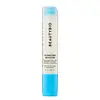
This hydrating serum is formulated around Pyrus Malus Fruit Extract and Ectoin to hydrate skin and strengthen the skin barrier.
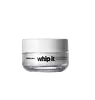
This barrier-repair moisturizer is formulated around Ectoin and Ceramide NP to strengthen the skin barrier and hydrate skin.

What's inside
What's inside
 Key Ingredients
Benefits
Concerns
No concerns
Ingredients Side-by-side
Water
Skin ConditioningButylene Glycol
Humectant

Pyrus Malus Fruit Extract
Skin Conditioning
Glycerin
Humectant
Ectoin
Skin Conditioning



Ceramide NP
Skin Conditioning
Ceramide AP
Skin Conditioning
Ceramide EOP
Skin Conditioning
Sodium Lactate
Buffering
Sodium PCA
Humectant
PCA
Humectant
Plankton Extract
Skin ConditioningPhytosphingosine
Skin Conditioning
Cholesterol
Emollient
Glutamic Acid
Humectant
Serine
Masking
Alanine
Masking
Glycine
Buffering
Lysine Hcl
Skin Conditioning
Threonine
Arginine
Masking
Proline
Skin Conditioning
Sodium Ascorbate
Antioxidant




Tocopherol
Antioxidant

Sclerotium Gum
Emulsion StabilisingLecithin
Emollient
Pullulan
Betaine
Humectant
Sodium Lauroyl Lactylate
EmulsifyingTetrasodium Glutamate Diacetate
ChelatingEthylhexylglycerin
Skin ConditioningPhenoxyethanol
Preservative
Xanthan Gum
EmulsifyingCarbomer
Emulsion StabilisingSodium Benzoate
Masking
Silica
Abrasive

Water, Butylene Glycol, Pyrus Malus Fruit Extract, Glycerin, Ectoin, Ceramide NP, Ceramide AP, Ceramide EOP, Sodium Lactate, Sodium PCA, PCA, Plankton Extract, Phytosphingosine, Cholesterol, Glutamic Acid, Serine, Alanine, Glycine, Lysine Hcl, Threonine, Arginine, Proline, Sodium Ascorbate, Tocopherol, Sclerotium Gum, Lecithin, Pullulan, Betaine, Sodium Lauroyl Lactylate, Tetrasodium Glutamate Diacetate, Ethylhexylglycerin, Phenoxyethanol, Xanthan Gum, Carbomer, Sodium Benzoate, Silica
Water
Skin ConditioningGlycerin
Humectant
Palmitic Acid
Emollient




Butylene Glycol
Humectant
Stearic Acid
Cleansing
Propylene Glycol Dibenzoate
Skin ConditioningCetyl Ethylhexanoate
EmollientPentaerythrityl Tetraethylhexanoate
Emollient
Helianthus Annuus Seed Oil
Emollient
1,2-Hexanediol
Skin Conditioning
Vinyldimethicone

Ectoin
Skin Conditioning
Butyrospermum Parkii Butter
Skin Conditioning
Ceramide AP
Skin Conditioning
Ceramide NP
Skin Conditioning
Ceramide EOP
Skin Conditioning
Ceramide Ns
Skin Conditioning
Lactobacillus/Rice Ferment
Skin Conditioning
Lactobacillus
Skin ConditioningSaccharomyces/Coix Lacryma-Jobi Ma-Yuen Seed Ferment Filtrate
Skin Conditioning
Saccharomyces/Potato Extract Ferment Filtrate
Humectant
Resveratrol
Antioxidant
Saccharide Isomerate
Humectant
Salix Alba Extract
Skin ConditioningHydrogenated Lecithin
Emulsifying
Sodium Hyaluronate Crosspolymer
Humectant
Polyglutamic Acid
Skin Conditioning
Beta-Glucan
Skin Conditioning
Tocopherol
Antioxidant
Glucose
Humectant
C14-22 Alcohols
Emulsion Stabilising
Propanediol
Solvent
Caprylic/Capric Triglyceride
Masking
Carbomer
Emulsion StabilisingArginine
Masking
C12-20 Alkyl Glucoside
EmulsifyingAcrylates/C10-30 Alkyl Acrylate Crosspolymer
Emulsion StabilisingInulin
Skin Conditioning
Ethylhexylglycerin
Skin ConditioningAlpha-Glucan Oligosaccharide
Cleansing
Ethoxydiglycol
HumectantPolyglyceryl-10 Stearate
Skin Conditioning
Poloxamer 338
EmulsifyingCitric Acid
Buffering
Sodium Citrate
BufferingTrisodium Ethylenediamine Disuccinate
ChelatingXylose
HumectantFructan
Skin ConditioningWater, Glycerin, Palmitic Acid, Butylene Glycol, Stearic Acid, Propylene Glycol Dibenzoate, Cetyl Ethylhexanoate, Pentaerythrityl Tetraethylhexanoate, Helianthus Annuus Seed Oil, 1,2-Hexanediol, Vinyldimethicone, Ectoin, Butyrospermum Parkii Butter, Ceramide AP, Ceramide NP, Ceramide EOP, Ceramide Ns, Lactobacillus/Rice Ferment, Lactobacillus, Saccharomyces/Coix Lacryma-Jobi Ma-Yuen Seed Ferment Filtrate, Saccharomyces/Potato Extract Ferment Filtrate, Resveratrol, Saccharide Isomerate, Salix Alba Extract, Hydrogenated Lecithin, Sodium Hyaluronate Crosspolymer, Polyglutamic Acid, Beta-Glucan, Tocopherol, Glucose, C14-22 Alcohols, Propanediol, Caprylic/Capric Triglyceride, Carbomer, Arginine, C12-20 Alkyl Glucoside, Acrylates/C10-30 Alkyl Acrylate Crosspolymer, Inulin, Ethylhexylglycerin, Alpha-Glucan Oligosaccharide, Ethoxydiglycol, Polyglyceryl-10 Stearate, Poloxamer 338, Citric Acid, Sodium Citrate, Trisodium Ethylenediamine Disuccinate, Xylose, Fructan
Ingredients Explained
These ingredients are found in both products.
Ingredients higher up in an ingredient list are typically present in a larger amount.
Arginine is a semi-essential amino acid. This just means our bodies can product a bit on its own, but sometimes needs a little boost from food sources.
It is a part of your skin's natural moisturizing factor (NMF), or the water-loving molecules in your outermost layer of skin (stratum corneum) that keeps everything hydrated and happy.
Here's an interesting thing about Arginine: your skin converts it into urea through the Krebs-Henseleit urea cycle. Urea is one of the most effective humectants your skin naturally produces.
A clinical study showed applying 2.5% arginine hydrochloride to atopic dermatitis skin showed significant urea levels in the stratum corneum and improved moisture in just four weeks.
Arginine is also a precursor to nitric oxide; nitric oxide improves microcirculation and supports wound healing and collagen synthesis.
One study found that an amino acid complex containing Arginine reduced skin irritation, improved hydration, and accelerated skin repair in clinical / in-vivo studies.
Arginine itself is an amino acid and not a fatty acid, oil, or ester. On its own, it's not a direct food source for Malassezia, or the yeast that causes fungal acne.
Learn more about ArginineButylene Glycol (or BG) is used within cosmetic products for a few different reasons:
Overall, Butylene Glycol is a safe and well-rounded ingredient that works well with other ingredients.
Though this ingredient works well with most skin types, some people with sensitive skin may experience a reaction such as allergic rashes, closed comedones, or itchiness.
Learn more about Butylene GlycolCarbomer is a synthetic thickening and gelling agent. It's basically the ingredient that gives a lot of serums, gels, creams, and sunscreens their smooth, non-sticky texture.
Although legally permitted at very high levels, carbomers are normally used at concentrations below 1%.
It also needs to be neutralized to actually thicken, and because it is a large molecule, it doesn't really penetrate the skin barrier.
Allergy-wise, the risk is very low. Clinical studies show carbomers have low potential for skin irritation/sensitization even at concentrations up to 100%.
A 2024 UK study patch-tested 1,302 patients and found true allergy to the parent group of carbomer to be rare with no confirmed relevant reactions.
Learn more about CarbomerCeramide AP is is a skin-identical lipid that mimics what your skin already makes naturally. Ceramides help maintain epidermal integrity and barrier function.
You'll often see this ingredient paired with other ceramides (like ceramide NP), cholesterol, or fatty acids because this combination best mimics the natural lipid mix your skin already has.
The skin's ability to produce ceramides gets disrupted in skin conditions like eczema. This in turn weakens the skin barrier and applying ceramides topically has been shown to replenish what's been lost to restore barrier function.
Most of the studies with Ceramide AP test it as part of a multi-ceramide complex; studies reinforce ceramide AP's role in rebalancing ceramides in skin and improving skin hydration.
Learn more about Ceramide APCeramide EOP is formally known as Ceramide 1.
It is naturally found in skin and part of the intercellular "mortar" holding everything together in your outermost layer.
EOP stands for a linked Ester fatty acid, a linked Omega hydroxy fatty acid, and the Phytosphingosine base.
What makes Ceramide EOP special is its ultra-long fatty acid chain; this unique structure allows it to bridge the lipid layers in your skin barrier to prevent water loss (something no other ceramide can do).
Low levels of Ceramide EOP have been found in people with eczema and psoriasis.
Using it together with other ceramides, cholesterol, and linoleic acid have been shown to meaningfully improve hydration and reduce water loss.
In one clinical study, a regimen using Ceramide EOP, NP, and AP led to significant symptom improvements in patients with eczema, psoriasis, and dry skin in just 4 weeks.
You'll usually see concentrations between 0.1-0.5% in formulations. Overall, this is a well-tolerated and safe ingredient for cosmetic use.
Learn more about Ceramide EOPCeramide NP (formerly known as Ceramide 3) is one of the skin's naturally occurring lipids.
Since ceramides are the major lipid components of the skin, they are crucial for maintaining skin barrier and hydration. Ceramide NP most closely mirrors the dominant kind in human skin amongst ceramide subtypes.
This ceramide works by slotting into gaps within the stratum corneum's lipid matrix to limit trans-epidermal water loss (TEWL) and shield the skin against external irritants.
A study with 312 patients found that using a ceramide-containing routine for 4 weeks reduced the severity of atopic dermatitis by over 61%.
Another clinical study in subjects aged 60 and older found that a ceramide body wash and moisturizer improved skin dryness and itchy skin in 15 days.
Overall, ceramides are considered non-irritating and safety tests have found little to no observable adverse effects from using this ingredient.
Ceramide NP is usually sourced from plants (like soybean or rice bran), or produced synthetically.
Learn more about Ceramide NPEctoin is a compound found naturally in some species of bacteria. It can be synthetically created for skincare use.
This ingredient is an osmolyte; Osmolytes help organisms survive osmotic shock (it protects them from extreme conditions). It does this by influencing the properties of biological fluids within cells.
When applied to the skin, ectoin helps bind water molecules to protect our skin. The water forms a sort of armor for the parts of our skin cells, enzymes, proteins, and more.
Besides this, ectoin has many uses in skincare:
A study from 2004 found ectoin to counteract the damage from UV-A exposure at different cell levels. It has also been shown to protect skin against both UV-A, UV-B rays, infrared light, and visible light.
Studies show ectoin to have dual-action pollution protection: first, it protects our skin from further pollution damage. Second, it helps repair damage from pollution.
In fact, ectoin has been shown to help with:
Fun fact: In the EU, ectoin is used in inhalation medication as an anti-pollution ingredient.
Ectoin is a highly stable ingredient. It has a wide pH range of 1-9. Light, oxygen, and temperature do not affect this ingredient.
The chemical name for this ingredient is Tetrahydromethylpyrimidine Carboxylic Acid.
Learn more about EctoinEthylhexylglycerin is created from glycerin. It is a multitasker ingredient that:
The CIR Expert Panel found minimal skin absorption or sensitization of any kind in a safety assessment. Though this ingredient is considered well-tolerated, a small number of cases of allergic dermatitis have been published since 2002. Just be sure to patch test if you are unsure.
Industry-reported use ranges from 8% in rinse-off products and 2% in leave-on formulations.
Learn more about EthylhexylglycerinGlycerin (or glycerol) is a compound naturally found in your skin. It's a powerhouse humectant that pulls water into the stratum corneum.
Topically, glycerin does several things at once:
Your skin makes glycerin on its own (mostly from sebaceous oil breakdown) and shuttles it to your outermost layer of skin, or your epidermis, via aquaporin-3.
Aquaporin-3 is a transporter that is essential for normal skin hydration, elasticity, and repair. Interestingly, mice lacking in AQP3 have dry and less elastic skin that can be fully corrected with glycerin.
This ingredient is non-irritating, plays well with almost every ingredient, and works across all skin types. Typical use is anywhere between 3-10% but can go up to 79% in some leave-on products.
Just know very high concentrations (>40%) can feel tacky in low humidity.
Glycerin is the name for this ingredient in American English. British English uses Glycerol/Glycerine.
Learn more about GlycerinTocopherol is a fat-soluble antioxidant known as Vitamin E.
You'll find this ingredient in the vast majority of skincare (for good reason). It works to neutralize free radicals, or unstable molecules generated by UV exposure, pollution, and other environmental stressors, before they can cause oxidative damage to your skin cells.
Topically applied tocopherol has been shown to protect against UV damage by ramping up the skin's own natural defense enzymes.
It also acts as a skin conditioning agent; some studies show that regular topical use can improve the skin's water-binding capacity over 2-4 weeks.
This ingredient is especially loved for being a team player. When combined with Vitamin C, the photoprotective effect of both ingredients roughly doubles and the combo also helps reduce UV-induced DNA damage.
This ingredient has some brightening potential but it's more of a prevention ingredient than spot-fader. Cell studies show it can slow down melanin production but it's worth noting that it's not the most powerful brightener out there.
In formulations, it also serves as a stabilizer that helps protect other oxidation-prone ingredients from degrading.
Concentrations usually range from 0.1-1% in most leave-on products.
Learn more about TocopherolWater. It's the most common cosmetic ingredient of all. You'll usually see it at the top of ingredient lists, meaning that it makes up the largest part of the product.
So why is it so popular? Water most often acts as a solvent - this means that it helps dissolve other ingredients into the formulation.
You'll also recognize water as that liquid we all need to stay alive. If you see this, drink a glass of water. Remember to stay hydrated!
Learn more about Water

