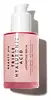
This hydrating serum is formulated around Hydrolyzed Hyaluronic Acid and Acetyl Dipeptide-1 Cetyl Ester to hydrate skin and soften the look of wrinkles.
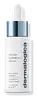
This hydrating serum is formulated around Panthenol and Hyaluronic Acid to hydrate skin and strengthen the skin barrier.

What's inside
What's inside
 Key Ingredients
Benefits
Concerns
Ingredients Side-by-side
Water
Skin ConditioningMethylpropanediol
SolventDimethylsilanol Hyaluronate
Humectant
Glycerin
Humectant


Butylene Glycol
Humectant
Xylitylglucoside
Humectant
Anhydroxylitol
Humectant
1,2-Hexanediol
Skin Conditioning
Phenoxyethanol
Preservative
Xylitol
Humectant
Prunus Amygdalus Dulcis Seed Extract
Skin ConditioningHydroxyethyl Acrylate/Sodium Acryloyldimethyl Taurate Copolymer
Emulsion StabilisingHydrolyzed Hyaluronic Acid
Humectant
Sorbitan Laurate
Emulsifying

Sodium Hyaluronate
Humectant
Xanthan Gum
EmulsifyingHydroxyethylcellulose
Emulsion StabilisingCaprylyl Glycol
Emollient
Ethylhexylglycerin
Skin ConditioningTetrasodium Glutamate Diacetate
Acetyl Dipeptide-1 Cetyl Ester
Skin Conditioning

Alteromonas Ferment Extract
Skin Conditioning
Phenethyl Alcohol
MaskingHyaluronic Acid
Humectant
Silanetriol
Citric Acid
Buffering

Sorbic Acid
Preservative
Glucose
Humectant
Sodium Hydroxide
BufferingChondrus Crispus Extract
Skin Conditioning
Water, Methylpropanediol, Dimethylsilanol Hyaluronate, Glycerin, Butylene Glycol, Xylitylglucoside, Anhydroxylitol, 1,2-Hexanediol, Phenoxyethanol, Xylitol, Prunus Amygdalus Dulcis Seed Extract, Hydroxyethyl Acrylate/Sodium Acryloyldimethyl Taurate Copolymer, Hydrolyzed Hyaluronic Acid, Sorbitan Laurate, Sodium Hyaluronate, Xanthan Gum, Hydroxyethylcellulose, Caprylyl Glycol, Ethylhexylglycerin, Tetrasodium Glutamate Diacetate, Acetyl Dipeptide-1 Cetyl Ester, Alteromonas Ferment Extract, Phenethyl Alcohol, Hyaluronic Acid, Silanetriol, Citric Acid, Sorbic Acid, Glucose, Sodium Hydroxide, Chondrus Crispus Extract
Water
Skin ConditioningPEG-8
HumectantGlycerin
Humectant
Methylpropanediol
SolventPropanediol
Solvent
PPG-24-Glycereth-24
Emulsifying1,2-Hexanediol
Skin Conditioning
Xylitylglucoside
Humectant
Butylene Glycol
Humectant
Hydroxyethyl Urea
Humectant
Panthenol
Skin Conditioning
Hydroxyacetophenone
Antioxidant
Lactic Acid
Buffering





Hyaluronic Acid
Humectant
Sodium Hyaluronate
Humectant
Dunaliella Salina Extract
Skin ConditioningAvena Sativa Kernel Extract
Abrasive
Citrus Aurantium Bergamia Fruit Oil
Masking


Citrus Paradisi Peel Oil
Masking
Citrus Limon Peel Oil
Masking
Santalum Album Oil
Masking
Laminaria Digitata Extract
Skin Protecting
Jasminum Sambac Flower Extract
Masking
Chondrus Crispus Extract
Skin Conditioning
Gigartina Stellata Extract
Skin Protecting
Macrocystis Pyrifera Extract
Skin Conditioning
Prunus Amygdalus Dulcis Oil
Skin Conditioning
Lithothamnion Calcareum Extract
Skin ConditioningCitrus Aurantium Dulcis Oil
Masking
Cupressus Sempervirens Oil
Masking
Cistus Ladaniferus Leaf/Stem Extract
MaskingJuniperus Virginiana Oil
Masking
Rosmarinus Officinalis Flower/Leaf/Stem Extract
MaskingTagetes Minuta Flower Oil
Masking
Rosa Damascena Flower
Skin ConditioningHydrolyzed Rice Protein
Skin ConditioningPentylene Glycol
Skin Conditioning
Sodium PCA
Humectant
Anhydroxylitol
Humectant
Xylitol
Humectant
Polyglutamic Acid
Skin Conditioning
Lactobacillus Ferment
Skin Conditioning
Lysine Hcl
Skin Conditioning
Betaine
Humectant
Sclerotium Gum
Emulsion StabilisingSodium Lactate
Buffering
PCA
Humectant
Glucose
Humectant
Serine
Masking
Alanine
Masking
Glycine
Buffering
Silanetriol
Pantolactone
Humectant
Glutamic Acid
Humectant
Threonine
Arginine
Masking
Proline
Skin Conditioning
Xanthan Gum
EmulsifyingTetrasodium Glutamate Diacetate
Polysorbate 20
Emulsifying
Sorbitan Isostearate
Emulsifying
Citric Acid
Buffering
Sodium Hydroxide
BufferingHydroxyethyl Acrylate/Sodium Acryloyldimethyl Taurate Copolymer
Emulsion StabilisingAmylopectin
Hydroxyethylcellulose
Emulsion StabilisingSodium Benzoate
Masking
Potassium Sorbate
Preservative
Limonene
Perfuming
Linalool
Perfuming
Water, PEG-8, Glycerin, Methylpropanediol, Propanediol, PPG-24-Glycereth-24, 1,2-Hexanediol, Xylitylglucoside, Butylene Glycol, Hydroxyethyl Urea, Panthenol, Hydroxyacetophenone, Lactic Acid, Hyaluronic Acid, Sodium Hyaluronate, Dunaliella Salina Extract, Avena Sativa Kernel Extract, Citrus Aurantium Bergamia Fruit Oil, Citrus Paradisi Peel Oil, Citrus Limon Peel Oil, Santalum Album Oil, Laminaria Digitata Extract, Jasminum Sambac Flower Extract, Chondrus Crispus Extract, Gigartina Stellata Extract, Macrocystis Pyrifera Extract, Prunus Amygdalus Dulcis Oil, Lithothamnion Calcareum Extract, Citrus Aurantium Dulcis Oil, Cupressus Sempervirens Oil, Cistus Ladaniferus Leaf/Stem Extract, Juniperus Virginiana Oil, Rosmarinus Officinalis Flower/Leaf/Stem Extract, Tagetes Minuta Flower Oil, Rosa Damascena Flower, Hydrolyzed Rice Protein, Pentylene Glycol, Sodium PCA, Anhydroxylitol, Xylitol, Polyglutamic Acid, Lactobacillus Ferment, Lysine Hcl, Betaine, Sclerotium Gum, Sodium Lactate, PCA, Glucose, Serine, Alanine, Glycine, Silanetriol, Pantolactone, Glutamic Acid, Threonine, Arginine, Proline, Xanthan Gum, Tetrasodium Glutamate Diacetate, Polysorbate 20, Sorbitan Isostearate, Citric Acid, Sodium Hydroxide, Hydroxyethyl Acrylate/Sodium Acryloyldimethyl Taurate Copolymer, Amylopectin, Hydroxyethylcellulose, Sodium Benzoate, Potassium Sorbate, Limonene, Linalool
Reviews
Ingredients Explained
These ingredients are found in both products.
Ingredients higher up in an ingredient list are typically present in a larger amount.
1,2-Hexanediol is a synthetic liquid and another multi-functional powerhouse.
It is a:
- Humectant, drawing moisture into the skin
- Emollient, helping to soften skin
- Solvent, dispersing and stabilizing formulas
- Preservative booster, enhancing the antimicrobial activity of other preservatives
This ingredient is created from dehydrating xylitol in acidic conditions. Xylitol is a famous sugar and humectant.
Much like its predecessor, anhydroxylitol is a humectant. Humectants attract and hold water to moisturize the skin.
This ingredient is most commonly found in a popular trio called Aquaxyl. Aquaxyl is made up of anhydroxylitol (24 - 34%), xylitylglucoside (35 - 50%), and xylitol (5 - 15%).
According to a manufacturer, Aquaxyl is known for a 3-D hydration concept and an anti-dehydration shield to reinforce the outer layer of skin.
This ingredient is often derived from plants such as wood and sugarcane.
Learn more about AnhydroxylitolButylene Glycol (or BG) is used within cosmetic products for a few different reasons:
Overall, Butylene Glycol is a safe and well-rounded ingredient that works well with other ingredients.
Though this ingredient works well with most skin types, some people with sensitive skin may experience a reaction such as allergic rashes, closed comedones, or itchiness.
Learn more about Butylene GlycolChondrus Crispus Extract comes from a red algae native to the northern Atlantic coasts of Europe and North America. It helps hydrate the skin and is rich in antioxidants.
The antioxidants in chondrus crispus include lutein and zeaxanthin. Lutein has the ability to filter blue light from screens.
Other contents of chondrus crispus include polysaccharides, peptides, and amino acids. These help hydrate the skin.
What's the difference between algae and seaweed?
Algae is a broad term that includes seaweed. Not all algae is seaweed.
Citric Acid is an alpha hydroxy acid (AHA) naturally found in citrus fruits like oranges, lemons, and limes.
Like other AHAs, citric acid can exfoliate skin by breaking down the bonds that hold dead skin cells together. This helps reveal smoother and brighter skin underneath.
However, this exfoliating effect only happens at high concentrations (20%) which can be hard to find in cosmetic products.
Due to this, citric acid is usually included in small amounts as a pH adjuster. This helps keep products slightly more acidic and compatible with skin's natural pH.
In skincare formulas, citric acid can:
While it can provide some skin benefits, research shows lactic acid and glycolic acid are generally more effective and less irritating exfoliants.
Most citric acid used in skincare today is made by fermenting sugars (usually from molasses). This synthetic version is identical to the natural citrus form but easier to stabilize and use in formulations.
Rosacea skin has a lower threshold for acids generally, with 62.5% of rosacea subjects in one study reacting to lactic acid in a sting test. This is why we mark citric acid as a potential rosacea trigger.
However, this ingredient shows up as a pH adjuster or chelator at roughly 0.1-1% in many products. These low levels are unlikely to be an issue for rosacea skin and becomes a potential trigger at exfoliating concentrations (20%). Because everybody's skin is unique, we recommend a patch test if you are unsure.
Learn more about Citric AcidGlucose is a simple sugar (a monosaccharide). In skincare, it is mostly a humectant and skin conditioning agent.
Mechanistically, it has multiple hydroxyl groups that hydrogen-bond to water. This pulls moisture into the upper layers of skin to keep the surface soft and hydrated.
It's worth knowing sugars are already a natural component of the skin's NMF (natural moisturizing factor) so it's a molecule that your stratum corneum is well-acquainted with.
Just so you know, glucose is hydrophilic (water-loving) and the stratum corneum is a strong barrier to hydrophilic compounds. This just means penetration is slow and most of the action is happening on the surface.
Gram-to-gram, glucose is not as efficient as a humectant as glycerin. This is why you'll likely see glycose paired with stronger humectants for a bigger hydration payoff.
In skincare, glucose is typically derived from corn or other starch sources.
Learn more about GlucoseGlycerin (or glycerol) is a compound naturally found in your skin. It's a powerhouse humectant that pulls water into the stratum corneum.
Topically, glycerin does several things at once:
Your skin makes glycerin on its own (mostly from sebaceous oil breakdown) and shuttles it to your outermost layer of skin, or your epidermis, via aquaporin-3.
Aquaporin-3 is a transporter that is essential for normal skin hydration, elasticity, and repair. Interestingly, mice lacking in AQP3 have dry and less elastic skin that can be fully corrected with glycerin.
This ingredient is non-irritating, plays well with almost every ingredient, and works across all skin types. Typical use is anywhere between 3-10% but can go up to 79% in some leave-on products.
Just know very high concentrations (>40%) can feel tacky in low humidity.
Glycerin is the name for this ingredient in American English. British English uses Glycerol/Glycerine.
Learn more about GlycerinHyaluronic acid (HA) is a glycosaminoglycan (basically a long sugar chain) that your skin already makes on its own. In your skin, HA lives in the extracellular matrix and acts as the body's moisture reservoir.
Topically, HA is a humectant that binds water and helps skin look more plump, smooth, and hydrated.
The only catch is that HA isn't a single thing; it actually comes in a wide range of molecular weights (~50 - 2,000+ kDA) and size matters.
Some clinical evidence links low molecular weight versions to improved wrinkle depth, elasticity, anti-inflammatory effects, and barrier repair.
This is why the best HA serums blend the two sizes together so you get the best of both worlds.
The majority of cosmetic HA is produced by bacterial fermentation, typically using Streptococcus or Bacillus strains. Typical use levels in skincare sit around 0.1-2%.
A clinical study using a 0.2% low-molecular weight HA gel showed improvement in facial seborrheic dermatitis with excellent tolerance.
These are some other common types of Hyaluronic Acid:
Learn more about Hyaluronic AcidThis is a synthetic polymer. It helps improve the texture of products by adding thickness and gel-like feel.
It is also an emulsifer, meaning it prevents ingredients such as oil and water from separating. It also helps evenly disperse other ingredients.
Hydroxyethylcellulose is used to improve the texture of products. It is created from a chemical reaction involving ethylene oxide and alkali-cellulose. Cellulose is a sugar found in plant cell walls and help give plants structure.
This ingredient helps stabilize products by preventing ingredients from separating. It can also help thicken the texture of a product.
This ingredient can also be found in pill medicines to help our bodies digest other ingredients.
Learn more about HydroxyethylcelluloseMethylpropanediol is a synthetic solvent and humectant.
As a solvent, it helps dissolve other ingredients, helping to evenly distribute ingredients throughout the product. This ingredient has also been shown to have antimicrobial properties which makes it a preservative booster.
Methylpropanediol is able to add a bit of moisture to the skin. It also helps other ingredients be better absorbed into the skin, such as salicylic acid.
Learn more about MethylpropanediolWe don't have a description for Silanetriol yet.
Sodium Hyaluronate is the salt form of hyaluronic acid. It is a long sugar chain that is naturally found in your skin, joints, and connective tissue that maintains hydration and elasticity.
In skincare, it works as a humectant. It pulls water from the environment and deeper layers of skin and binds it to the surface.
Interestingly, the size of the molecule affects its behavior:
Some clinical evidence links low molecular weight versions to improved wrinkle depth, elasticity, anti-inflammatory effects, and barrier repair.
Many serums use a blend of both weights so you can get surface hydration plus longer-lasting and deeper effects.
You'll typically see concentrations between 0.1-2% for this ingredient.
Learn more about Sodium HyaluronateSodium Hydroxide is also known as lye or caustic soda. It is used to adjust the pH of products; many ingredients require a specific pH to be effective.
In small amounts, sodium hydroxide is considered safe to use. However, large amounts may cause chemical burns due to its high alkaline.
Your skin has a natural pH and acid mantle. This acid mantle helps prevent harmful bacteria from breaking through. The acid mantle also helps keep your skin hydrated.
"Alkaline" refers to a high pH level. A low pH level would be considered acidic.
Learn more about Sodium HydroxideTetrasodium Glutamate Diacetate is a chelating agent. Chelating agents help prevent metal ions from binding to other ingredients. This helps prevent unwanted effects and reactions from a product. These metal ions may come from water and are found in miniscule amounts.
Tetrasodium Glutamate Diacetate can also help other preservatives be more effective.
Water. It's the most common cosmetic ingredient of all. You'll usually see it at the top of ingredient lists, meaning that it makes up the largest part of the product.
So why is it so popular? Water most often acts as a solvent - this means that it helps dissolve other ingredients into the formulation.
You'll also recognize water as that liquid we all need to stay alive. If you see this, drink a glass of water. Remember to stay hydrated!
Learn more about WaterXanthan gum is used as a stabilizer and thickener within cosmetic products. It helps give products a sticky, thick feeling - preventing them from being too runny.
On the technical side of things, xanthan gum is a polysaccharide - a combination consisting of multiple sugar molecules bonded together.
Xanthan gum is a pretty common and great ingredient. It is a natural, non-toxic, non-irritating ingredient that is also commonly used in food products.
Learn more about Xanthan GumXylitol is a humectant and prebiotic. It can help with dry skin.
In studies, xylitol has been shown to improve dry skin. It decreased transepidermal water loss, or when water passes through the skin and evaporates. Xylitol also showed to help improve the biomechanical properties of the skin barrier.
The prebiotic property of xylitol may also help reinforce our skin's natural microbiome. Having a healthy microbiome prevents infection by bad bacteria and helps with hydration.
As a humectant, Xylitol helps draw moisture from both the air and from deeper skin layers. This helps keep skin hydrated.
Xylitol is a sugar alcohol and commonly used as a sugar substitute. It is naturally occurring in plants such as strawberries and pumpkin.
Learn more about XylitolXylitylglucoside is created from xylitol and glucose, two humectants.
Not surprisingly, this ingredient is also a humectant. It attracts and holds water in your skin, helping to maintain hydration.
This ingredient is most commonly found in a popular trio called Aquaxyl. Aquaxyl is made up of anhydroxylitol(24 - 34%), xylitylglucoside (35 - 50%), and xylitol (5 - 15%).
According to a manufacturer, Aquaxyl is known for a 3-D hydration concept and an anti-dehydration shield to reinforce the outer layer of skin.
Learn more about Xylitylglucoside

