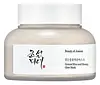
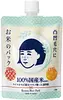
This wash off mask is made with Oryza Sativa Bran Oil and Oryza Sativa Bran Extract for a rinse-off hydration boost.


What's inside
What's inside
 Key Ingredients
Benefits
Concerns
Ingredients Side-by-side
Water
Skin ConditioningKaolin
Abrasive



Honey
Humectant
Glycerin
Humectant

Propanediol
Solvent
Dipropylene Glycol
HumectantOryza Sativa Hull Powder
Abrasive
Isononyl Isononanoate
Emollient1,2-Hexanediol
Skin Conditioning
Cetyl Alcohol
Emollient



Caprylic/Capric Triglyceride
Masking
Polyglyceryl-3 Methylglucose Distearate
Emulsifying
Glyceryl Stearate
Emollient
Butylene Glycol
Humectant
Oryza Sativa Bran
Abrasive
Oryza Sativa Lees Extract
Skin ConditioningOryza Sativa Extract
Absorbent


Honey Extract
Humectant
Bentonite
Absorbent
Palmitic Acid
Emollient


Stearic Acid
Cleansing
Behenyl Alcohol
Emollient
Cellulose
Absorbent
Zea Mays Starch
Absorbent
Xanthan Gum
EmulsifyingHydroxyacetophenone
Antioxidant
Potassium Cetyl Phosphate
EmulsifyingEthylhexylglycerin
Skin ConditioningPolyacrylate-13
Hydrogenated Polyisobutene
EmollientSodium Phytate
ChelatingPolyglyceryl-10 Laurate
Skin Conditioning
Ethylhexyl Palmitate
Emollient
Sorbitan Isostearate
Emulsifying
Menthyl Lactate
Masking
Water, Kaolin, Honey, Glycerin, Propanediol, Dipropylene Glycol, Oryza Sativa Hull Powder, Isononyl Isononanoate, 1,2-Hexanediol, Cetyl Alcohol, Caprylic/Capric Triglyceride, Polyglyceryl-3 Methylglucose Distearate, Glyceryl Stearate, Butylene Glycol, Oryza Sativa Bran, Oryza Sativa Lees Extract, Oryza Sativa Extract, Honey Extract, Bentonite, Palmitic Acid, Stearic Acid, Behenyl Alcohol, Cellulose, Zea Mays Starch, Xanthan Gum, Hydroxyacetophenone, Potassium Cetyl Phosphate, Ethylhexylglycerin, Polyacrylate-13, Hydrogenated Polyisobutene, Sodium Phytate, Polyglyceryl-10 Laurate, Ethylhexyl Palmitate, Sorbitan Isostearate, Menthyl Lactate
Water
Skin ConditioningButylene Glycol
Humectant
Oryza Sativa Bran Oil
Emollient

Glycerin
Humectant
Ethylhexyl Palmitate
Emollient
Polysorbate 60
Emulsifying
Glyceryl Stearate
Emollient
Cetearyl Alcohol
Emollient
Cyclopentasiloxane
Emollient
Rice Ferment Lees
HumectantOryza Sativa Bran Extract
Skin Conditioning
Rice Bran Acid
CleansingGlycosphingolipids
EmollientHouttuynia Cordata Extract
Skin Conditioning
Butyrospermum Parkii Butter
Skin Conditioning
Behenyl Alcohol
Emollient
Petrolatum
Emollient
Hydrogenated Lecithin
Emulsifying
Lysolecithin
EmulsifyingCarbomer
Emulsion StabilisingTocopherol
Antioxidant

Sodium Polyacrylate Starch
AbsorbentPotassium Hydroxide
BufferingSodium Hydroxide
BufferingEtidronic Acid
ChelatingMethylparaben
Preservative


Propylparaben
Preservative
Water, Butylene Glycol, Oryza Sativa Bran Oil, Glycerin, Ethylhexyl Palmitate, Polysorbate 60, Glyceryl Stearate, Cetearyl Alcohol, Cyclopentasiloxane, Rice Ferment Lees, Oryza Sativa Bran Extract, Rice Bran Acid, Glycosphingolipids, Houttuynia Cordata Extract, Butyrospermum Parkii Butter, Behenyl Alcohol, Petrolatum, Hydrogenated Lecithin, Lysolecithin, Carbomer, Tocopherol, Sodium Polyacrylate Starch, Potassium Hydroxide, Sodium Hydroxide, Etidronic Acid, Methylparaben, Propylparaben
Reviews
Ingredients Explained
These ingredients are found in both products.
Ingredients higher up in an ingredient list are typically present in a larger amount.
Behenyl Alcohol is a type of fatty alcohol (these are different from the drying, solvent alcohols).
Fatty Alcohols have hydrating properties and are most often used as an emollient or to thicken a product. They are usually derived from natural fats and oils; behenyl alcohol is derived from the fats of vegetable oils.
Emollients help keep your skin soft and hydrated by creating a film that traps moisture in.
In 2000, Behenyl Alcohol was approved by the US as medicine to reduce the duration of cold sores.
Learn more about Behenyl AlcoholButylene Glycol (or BG) is used within cosmetic products for a few different reasons:
Overall, Butylene Glycol is a safe and well-rounded ingredient that works well with other ingredients.
Though this ingredient works well with most skin types, some people with sensitive skin may experience a reaction such as allergic rashes, closed comedones, or itchiness.
Learn more about Butylene GlycolEthylhexyl Palmitate, also known as octyl palmitate, is created from 2-ethylhexyl alcohol and palmitic acid.
In cosmetics, it plays many roles:
One thing worth noting: a controlled study found this ingredient applied under occlusion to acne-prone subjects increased microcomedones. Just keep in mind this was under occlusive conditions and don't reflect how most products are used day-to-day.
For most people, this is a well-tolerated and lightweight ingredient.
This ingredient may not be fungal acne safe because it is an ester of palmitic acid, a C16 fatty acid that falls within the C11-24 range that Malassezia can metabolize.
You'll see this one rated 4 comedogenic all over the internet. That number isn't from a single study, and the actual research is more interesting.
The original rating comes from 1980s rabbit ear tests (which are a shaky basis for anything). But Ethylhexyl Palmitate is one of the few ingredients with real human data behind it. A 2021 controlled trial found this ingredient increased microcomedones by an average of 365% over four weeks.
Just know that test used the pure ingredient under an occlusive pad on back skin; most products use it at much lower levels alongside other ingredients and plenty of people use those with no issue.
Learn more about Ethylhexyl PalmitateGlycerin (or glycerol) is a compound naturally found in your skin. It's a powerhouse humectant that pulls water into the stratum corneum.
Topically, glycerin does several things at once:
Your skin makes glycerin on its own (mostly from sebaceous oil breakdown) and shuttles it to your outermost layer of skin, or your epidermis, via aquaporin-3.
Aquaporin-3 is a transporter that is essential for normal skin hydration, elasticity, and repair. Interestingly, mice lacking in AQP3 have dry and less elastic skin that can be fully corrected with glycerin.
This ingredient is non-irritating, plays well with almost every ingredient, and works across all skin types. Typical use is anywhere between 3-10% but can go up to 79% in some leave-on products.
Just know very high concentrations (>40%) can feel tacky in low humidity.
Glycerin is the name for this ingredient in American English. British English uses Glycerol/Glycerine.
Learn more about GlycerinGlyceryl Stearate is made by reacting glycerin with stearic acid (typically sourced from plant oils like palm or coconut). It's an emulsifier, emollient, and mild occlusive.
Emulsifiers help ingredients like oil and water stay mixed so your formula stays nicely blended and uniform in texture.
This ingredient is typically used in concentrations between 1-10%. Studies have found it to be non-sensitizing, non-phototoxic, and non-photoallergenic.
A close cousin of this ingredient is Glyceryl Stearate SE ("self-emulsifying"). This just has a small amount of sodium or potassium stearate added so it can emulsify without a co-emulsifier.
Since this ingredient is an ester of a C18 fatty acid, it may not be fungal acne safe. The Malassezia yeast can potentially metabolize within the C11-C24 range.
Fun fact: The human body also creates Glyceryl Stearate naturally.
Learn more about Glyceryl StearateWater. It's the most common cosmetic ingredient of all. You'll usually see it at the top of ingredient lists, meaning that it makes up the largest part of the product.
So why is it so popular? Water most often acts as a solvent - this means that it helps dissolve other ingredients into the formulation.
You'll also recognize water as that liquid we all need to stay alive. If you see this, drink a glass of water. Remember to stay hydrated!
Learn more about Water

