Beauty of Joseon Dayscreen Moisturizer SPF 30 Versus innisfree Daily UV Invisible Barrier Sun Serum SPF 50+ PA++++
This chemical sunscreen covers most of the UV range, lighter on the deep UVA that drives aging.
This chemical sunscreen covers the full UV range and blocks ~98% of UVB at SPF 50.

What's inside
What's inside
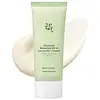 Key Ingredients
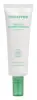
Benefits
Concerns
Ingredients Side-by-side
Water
Skin ConditioningHomosalate
Skin Conditioning

Ethylhexyl Salicylate
UV Absorber
Octocrylene
UV Absorber

Propanediol
Solvent

Butyloctyl Salicylate
Skin Conditioning
Butyl Methoxydibenzoylmethane
UV Absorber
Polymethylsilsesquioxane

Polyglyceryl-6 Stearate
Emollient

1,2-Hexanediol
Skin Conditioning
Pentylene Glycol
Skin Conditioning
Methyl Trimethicone
Skin Conditioning
Caprylyl Methicone
Skin Conditioning
Glyceryl Stearate
Emollient
Tromethamine
BufferingAcrylates/C10-30 Alkyl Acrylate Crosspolymer
Emulsion StabilisingPolyacrylate Crosspolymer-6
Emulsion StabilisingPolyglyceryl-6 Behenate
Emulsion Stabilising
Hippophae Rhamnoides Fruit Oil
Skin Protecting

Ethylhexylglycerin
Skin ConditioningAmmonium Acryloyldimethyltaurate/Vp Copolymer
Xanthan Gum
EmulsifyingSodium Stearoyl Glutamate
CleansingCamellia Sinensis Leaf Water
Masking
Sodium Hyaluronate
Humectant


Macadamia Ternifolia Seed Oil
Emollient
Ceramide NP
Skin Conditioning
Tocopherol
Antioxidant



Glycolipids
Skin ConditioningWater, Homosalate, Ethylhexyl Salicylate, Octocrylene, Propanediol, Butyloctyl Salicylate, Butyl Methoxydibenzoylmethane, Polymethylsilsesquioxane, Polyglyceryl-6 Stearate, 1,2-Hexanediol, Pentylene Glycol, Methyl Trimethicone, Caprylyl Methicone, Glyceryl Stearate, Tromethamine, Acrylates/C10-30 Alkyl Acrylate Crosspolymer, Polyacrylate Crosspolymer-6, Polyglyceryl-6 Behenate, Hippophae Rhamnoides Fruit Oil, Ethylhexylglycerin, Ammonium Acryloyldimethyltaurate/Vp Copolymer, Xanthan Gum, Sodium Stearoyl Glutamate, Camellia Sinensis Leaf Water, Sodium Hyaluronate, Macadamia Ternifolia Seed Oil, Ceramide NP, Tocopherol, Glycolipids
Water
Skin ConditioningPropanediol
Solvent
Dibutyl Adipate
EmollientGlycerin
Humectant
C12-15 Alkyl Benzoate
AntimicrobialEthylhexyl Triazone
UV Absorber
Diethylamino Hydroxybenzoyl Hexyl Benzoate
UV Filter
Coco-Caprylate/Caprate
Emollient
Caprylyl Methicone
Skin Conditioning
Diethylhexyl Butamido Triazone
UV Absorber
Methylene Bis-Benzotriazolyl Tetramethylbutylphenol
UV Filter
Polyglyceryl-3 Methylglucose Distearate
Emulsifying
1,2-Hexanediol
Skin Conditioning
Behenyl Alcohol
Emollient
Silica
Abrasive


Decyl Glucoside
Cleansing
Ammonium Polyacryloyldimethyl Taurate
Emulsion StabilisingVp/Eicosene Copolymer
Caprylyl Glycol
Emollient
Tromethamine
BufferingCarbomer
Emulsion StabilisingEthylhexylglycerin
Skin ConditioningAcrylates/C10-30 Alkyl Acrylate Crosspolymer
Emulsion StabilisingTrihydroxystearin
Skin Conditioning
Triethyl Citrate
Masking
Limonene
Perfuming
Sodium Hyaluronate
Humectant
Allantoin
Skin Conditioning
Sodium Metaphosphate
BufferingCitrus Limon Peel Oil
Masking

Sodium Methyl Stearoyl Taurate
CleansingXanthan Gum
EmulsifyingIlex Paraguariensis Leaf Extract
Perfuming
Camellia Sinensis Leaf Extract
Antimicrobial
Citral
Perfuming
Hyaluronic Acid
Humectant
Ceramide NP
Skin Conditioning
Elettaria Cardamomum Seed Oil
Masking
Mentha Viridis Leaf Oil
Astringent
Butylene Glycol
Humectant
Cymbopogon Nardus Oil
Masking
Ferula Galbaniflua Resin Oil
Antimicrobial
Propylene Glycol
Humectant
Glyceryl Oleate
Emollient
Tocopherol
Antioxidant
Lecithin
Emollient
Lauryl Glucoside
CleansingHydrolyzed Hyaluronic Acid
Humectant
Polyglyceryl-6 Laurate
Emulsifying
Myristyl Glucoside
CleansingSodium Hyaluronate Crosspolymer
Humectant
Glyceryl Caprylate
EmollientSodium Trimetaphosphate
BufferingSodium Acetylated Hyaluronate
Humectant
Water, Propanediol, Dibutyl Adipate, Glycerin, C12-15 Alkyl Benzoate, Ethylhexyl Triazone, Diethylamino Hydroxybenzoyl Hexyl Benzoate, Coco-Caprylate/Caprate, Caprylyl Methicone, Diethylhexyl Butamido Triazone, Methylene Bis-Benzotriazolyl Tetramethylbutylphenol, Polyglyceryl-3 Methylglucose Distearate, 1,2-Hexanediol, Behenyl Alcohol, Silica, Decyl Glucoside, Ammonium Polyacryloyldimethyl Taurate, Vp/Eicosene Copolymer, Caprylyl Glycol, Tromethamine, Carbomer, Ethylhexylglycerin, Acrylates/C10-30 Alkyl Acrylate Crosspolymer, Trihydroxystearin, Triethyl Citrate, Limonene, Sodium Hyaluronate, Allantoin, Sodium Metaphosphate, Citrus Limon Peel Oil, Sodium Methyl Stearoyl Taurate, Xanthan Gum, Ilex Paraguariensis Leaf Extract, Camellia Sinensis Leaf Extract, Citral, Hyaluronic Acid, Ceramide NP, Elettaria Cardamomum Seed Oil, Mentha Viridis Leaf Oil, Butylene Glycol, Cymbopogon Nardus Oil, Ferula Galbaniflua Resin Oil, Propylene Glycol, Glyceryl Oleate, Tocopherol, Lecithin, Lauryl Glucoside, Hydrolyzed Hyaluronic Acid, Polyglyceryl-6 Laurate, Myristyl Glucoside, Sodium Hyaluronate Crosspolymer, Glyceryl Caprylate, Sodium Trimetaphosphate, Sodium Acetylated Hyaluronate
Reviews
Ingredients Explained
These ingredients are found in both products.
Ingredients higher up in an ingredient list are typically present in a larger amount.
1,2-Hexanediol is a synthetic liquid and another multi-functional powerhouse.
It is a:
- Humectant, drawing moisture into the skin
- Emollient, helping to soften skin
- Solvent, dispersing and stabilizing formulas
- Preservative booster, enhancing the antimicrobial activity of other preservatives
Acrylates/C10-30 Alkyl Acrylate Crosspolymer is a synthetic polymer. It is used to thicken, emulsify, and improve the texture of products.
As an emulsifier, it helps stabilize oil-in-water emulsions to give products an elegant feel when applied.
It can also form a thin protective film on skin. One study found that a formula using this polymer helped slow down how quickly other ingredients (like DEET) were absorbed through skin.
A 2024 study of over 1,300 patients confirmed that sensitization to this ingredient is rare. It is also non-mutagenic and has a clean track record.
Learn more about Acrylates/C10-30 Alkyl Acrylate CrosspolymerCaprylyl Methicone is a synthetic and lightweight silicone fluid. It gives products a silky, dry-touch finish without the heaviness of pure oils.
Though the EU CosIng Database lists this ingredient as a skin conditioner, it is also used for sensory reasons. It spreads easily, cuts greasiness, and reduces tackiness.
This ingredient is volatile which means it will mostly evaporate (but it evaporates slower than older cyclomethicones, like Cyclotetrasiloxane).
Typical concentration ranges from 1-30% depending on if it's being used to tweak the feel of a product or acting as the main emollient.
Learn more about Caprylyl MethiconeCeramide NP (formerly known as Ceramide 3) is one of the skin's naturally occurring lipids.
Since ceramides are the major lipid components of the skin, they are crucial for maintaining skin barrier and hydration. Ceramide NP most closely mirrors the dominant kind in human skin amongst ceramide subtypes.
This ceramide works by slotting into gaps within the stratum corneum's lipid matrix to limit trans-epidermal water loss (TEWL) and shield the skin against external irritants.
A study with 312 patients found that using a ceramide-containing routine for 4 weeks reduced the severity of atopic dermatitis by over 61%.
Another clinical study in subjects aged 60 and older found that a ceramide body wash and moisturizer improved skin dryness and itchy skin in 15 days.
Overall, ceramides are considered non-irritating and safety tests have found little to no observable adverse effects from using this ingredient.
Ceramide NP is usually sourced from plants (like soybean or rice bran), or produced synthetically.
Learn more about Ceramide NPEthylhexylglycerin is created from glycerin. It is a multitasker ingredient that:
The CIR Expert Panel found minimal skin absorption or sensitization of any kind in a safety assessment. Though this ingredient is considered well-tolerated, a small number of cases of allergic dermatitis have been published since 2002. Just be sure to patch test if you are unsure.
Industry-reported use ranges from 8% in rinse-off products and 2% in leave-on formulations.
Learn more about EthylhexylglycerinPropanediol is an all-star ingredient. It softens, hydrates, and smooths the skin.
It’s often used to:
Propanediol is not likely to cause sensitivity and considered safe to use. It is derived from corn or petroleum with a clear color and no scent.
Learn more about PropanediolSodium Hyaluronate is the salt form of hyaluronic acid. It is a long sugar chain that is naturally found in your skin, joints, and connective tissue that maintains hydration and elasticity.
In skincare, it works as a humectant. It pulls water from the environment and deeper layers of skin and binds it to the surface.
Interestingly, the size of the molecule affects its behavior:
Some clinical evidence links low molecular weight versions to improved wrinkle depth, elasticity, anti-inflammatory effects, and barrier repair.
Many serums use a blend of both weights so you can get surface hydration plus longer-lasting and deeper effects.
You'll typically see concentrations between 0.1-2% for this ingredient.
Learn more about Sodium HyaluronateTocopherol is a fat-soluble antioxidant known as Vitamin E.
You'll find this ingredient in the vast majority of skincare (for good reason). It works to neutralize free radicals, or unstable molecules generated by UV exposure, pollution, and other environmental stressors, before they can cause oxidative damage to your skin cells.
Topically applied tocopherol has been shown to protect against UV damage by ramping up the skin's own natural defense enzymes.
It also acts as a skin conditioning agent; some studies show that regular topical use can improve the skin's water-binding capacity over 2-4 weeks.
This ingredient is especially loved for being a team player. When combined with Vitamin C, the photoprotective effect of both ingredients roughly doubles and the combo also helps reduce UV-induced DNA damage.
This ingredient has some brightening potential but it's more of a prevention ingredient than spot-fader. Cell studies show it can slow down melanin production but it's worth noting that it's not the most powerful brightener out there.
In formulations, it also serves as a stabilizer that helps protect other oxidation-prone ingredients from degrading.
Concentrations usually range from 0.1-1% in most leave-on products.
Learn more about TocopherolTromethamine (aka THAM) is a synthetic amino acid that shows up in skincare as a helper ingredient.
It functions as a pH adjuster to help neutralize acidic ingredients and set a formula's pH to the right spot.
This matters a lot because a lot of actives (like vitamin C) needs a specific pH to work well and feel comfortable on skin.
Concentration use ranges from 0.1-1.0% depending on the formula.
Learn more about TromethamineWater. It's the most common cosmetic ingredient of all. You'll usually see it at the top of ingredient lists, meaning that it makes up the largest part of the product.
So why is it so popular? Water most often acts as a solvent - this means that it helps dissolve other ingredients into the formulation.
You'll also recognize water as that liquid we all need to stay alive. If you see this, drink a glass of water. Remember to stay hydrated!
Learn more about WaterXanthan gum is used as a stabilizer and thickener within cosmetic products. It helps give products a sticky, thick feeling - preventing them from being too runny.
On the technical side of things, xanthan gum is a polysaccharide - a combination consisting of multiple sugar molecules bonded together.
Xanthan gum is a pretty common and great ingredient. It is a natural, non-toxic, non-irritating ingredient that is also commonly used in food products.
Learn more about Xanthan Gum

