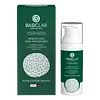
This calming moisturizer is formulated around Inulin and Madecassoside to calm redness and strengthen the skin barrier.
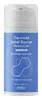
This barrier-repair moisturizer is formulated around Ceramide NP and Allantoin to strengthen the skin barrier and calm redness.


What's inside
What's inside
 Key Ingredients
Benefits
Concerns
Ingredients Side-by-side
Water
Skin ConditioningTripelargonin
EmollientDicaprylyl Ether
Emollient
Cetearyl Glucoside
Emulsifying

Inulin
Skin Conditioning
Glyceryl Stearate
Emollient
Propanediol
Solvent
Shea Butter Ethyl Esters
Emollient
Pentylene Glycol
Skin Conditioning
Sorbitan Olivate
Emulsifying
Trehalose
Humectant
Jojoba Oil/Macadamia Seed Oil Esters
Skin Conditioning
Alpha-Glucan Oligosaccharide
Cleansing
Madecassoside
Antioxidant




Asiaticoside
Antioxidant
Phytosphingosine
Skin Conditioning
Ceramide NP
Skin Conditioning
Ceramide AP
Skin Conditioning
Linolenic Acid
Cleansing


Linoleic Acid
Cleansing
Oleic Acid
Emollient


Palmitic Acid
Emollient
Centella Asiatica Leaf Extract
Skin Conditioning
Ectoin
Skin Conditioning
Resveratrol
Antioxidant
Phytosteryl Macadamiate
Skin Conditioning
Stearic Acid
Cleansing
Hydrolyzed Hyaluronic Acid
Humectant
Phytosterols
Skin Conditioning
Tocopherol
Antioxidant
Cetearyl Alcohol
Emollient

Potassium Cetyl Phosphate
EmulsifyingHelianthus Annuus Seed Oil
Emollient
Squalene
Emollient
Carrageenan
Hydroxyacetophenone
Antioxidant
Citric Acid
Buffering
Water, Tripelargonin, Dicaprylyl Ether, Cetearyl Glucoside, Inulin, Glyceryl Stearate, Propanediol, Shea Butter Ethyl Esters, Pentylene Glycol, Sorbitan Olivate, Trehalose, Jojoba Oil/Macadamia Seed Oil Esters, Alpha-Glucan Oligosaccharide, Madecassoside, Asiaticoside, Phytosphingosine, Ceramide NP, Ceramide AP, Linolenic Acid, Linoleic Acid, Oleic Acid, Palmitic Acid, Centella Asiatica Leaf Extract, Ectoin, Resveratrol, Phytosteryl Macadamiate, Stearic Acid, Hydrolyzed Hyaluronic Acid, Phytosterols, Tocopherol, Cetearyl Alcohol, Potassium Cetyl Phosphate, Helianthus Annuus Seed Oil, Squalene, Carrageenan, Hydroxyacetophenone, Citric Acid
Water
Skin ConditioningPropanediol
Solvent
Glycerin
Humectant
Caprylic/Capric Triglyceride
Masking
Hydrogenated Poly(C6-14 Olefin)
EmollientBehenyl Alcohol
Emollient
Limnanthes Alba Seed Oil
Skin Conditioning
Polyglyceryl-6 Stearate
Emollient
1,2-Hexanediol
Skin Conditioning
Cetyl Alcohol
Emollient
Candida/Garcinia Cambogia Ferment
Ceramide NP
Skin Conditioning
Glyceryl Stearate
Emollient
Ammonium Acryloyldimethyltaurate/Vp Copolymer
Polyglyceryl-6 Behenate
Emulsion Stabilising
Allantoin
Skin Conditioning
Squalane
Emollient
Caprylyl Glycol
Emollient
Panthenol
Skin Conditioning
Macadamia Ternifolia Seed Oil
Emollient
Xanthan Gum
EmulsifyingButyrospermum Parkii Butter
Skin Conditioning
Ethylhexylglycerin
Skin ConditioningDisodium EDTA
ChelatingDipropylene Glycol
HumectantHydrogenated Lecithin
Emulsifying
Ceramide Ns
Skin Conditioning
Ceramide As
Skin Conditioning
Ceramide AP
Skin Conditioning
Cholesterol
Emollient
Ceramide EOP
Skin Conditioning
Water, Propanediol, Glycerin, Caprylic/Capric Triglyceride, Hydrogenated Poly(C6-14 Olefin), Behenyl Alcohol, Limnanthes Alba Seed Oil, Polyglyceryl-6 Stearate, 1,2-Hexanediol, Cetyl Alcohol, Candida/Garcinia Cambogia Ferment, Ceramide NP, Glyceryl Stearate, Ammonium Acryloyldimethyltaurate/Vp Copolymer, Polyglyceryl-6 Behenate, Allantoin, Squalane, Caprylyl Glycol, Panthenol, Macadamia Ternifolia Seed Oil, Xanthan Gum, Butyrospermum Parkii Butter, Ethylhexylglycerin, Disodium EDTA, Dipropylene Glycol, Hydrogenated Lecithin, Ceramide Ns, Ceramide As, Ceramide AP, Cholesterol, Ceramide EOP
Reviews
Ingredients Explained
These ingredients are found in both products.
Ingredients higher up in an ingredient list are typically present in a larger amount.
Ceramide AP is is a skin-identical lipid that mimics what your skin already makes naturally. Ceramides help maintain epidermal integrity and barrier function.
You'll often see this ingredient paired with other ceramides (like ceramide NP), cholesterol, or fatty acids because this combination best mimics the natural lipid mix your skin already has.
The skin's ability to produce ceramides gets disrupted in skin conditions like eczema. This in turn weakens the skin barrier and applying ceramides topically has been shown to replenish what's been lost to restore barrier function.
Most of the studies with Ceramide AP test it as part of a multi-ceramide complex; studies reinforce ceramide AP's role in rebalancing ceramides in skin and improving skin hydration.
Learn more about Ceramide APCeramide NP (formerly known as Ceramide 3) is one of the skin's naturally occurring lipids.
Since ceramides are the major lipid components of the skin, they are crucial for maintaining skin barrier and hydration. Ceramide NP most closely mirrors the dominant kind in human skin amongst ceramide subtypes.
This ceramide works by slotting into gaps within the stratum corneum's lipid matrix to limit trans-epidermal water loss (TEWL) and shield the skin against external irritants.
A study with 312 patients found that using a ceramide-containing routine for 4 weeks reduced the severity of atopic dermatitis by over 61%.
Another clinical study in subjects aged 60 and older found that a ceramide body wash and moisturizer improved skin dryness and itchy skin in 15 days.
Overall, ceramides are considered non-irritating and safety tests have found little to no observable adverse effects from using this ingredient.
Ceramide NP is usually sourced from plants (like soybean or rice bran), or produced synthetically.
Learn more about Ceramide NPGlyceryl Stearate is made by reacting glycerin with stearic acid (typically sourced from plant oils like palm or coconut). It's an emulsifier, emollient, and mild occlusive.
Emulsifiers help ingredients like oil and water stay mixed so your formula stays nicely blended and uniform in texture.
This ingredient is typically used in concentrations between 1-10%. Studies have found it to be non-sensitizing, non-phototoxic, and non-photoallergenic.
A close cousin of this ingredient is Glyceryl Stearate SE ("self-emulsifying"). This just has a small amount of sodium or potassium stearate added so it can emulsify without a co-emulsifier.
Since this ingredient is an ester of a C18 fatty acid, it may not be fungal acne safe. The Malassezia yeast can potentially metabolize within the C11-C24 range.
Fun fact: The human body also creates Glyceryl Stearate naturally.
Learn more about Glyceryl StearatePropanediol is an all-star ingredient. It softens, hydrates, and smooths the skin.
It’s often used to:
Propanediol is not likely to cause sensitivity and considered safe to use. It is derived from corn or petroleum with a clear color and no scent.
Learn more about PropanediolWater. It's the most common cosmetic ingredient of all. You'll usually see it at the top of ingredient lists, meaning that it makes up the largest part of the product.
So why is it so popular? Water most often acts as a solvent - this means that it helps dissolve other ingredients into the formulation.
You'll also recognize water as that liquid we all need to stay alive. If you see this, drink a glass of water. Remember to stay hydrated!
Learn more about Water

