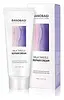
This barrier-repair moisturizer is formulated around Arctium Lappa Root Extract and Niacinamide to strengthen the skin barrier and calm redness.
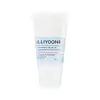
This barrier-repair moisturizer is formulated around Hydroxypropyl Bispalmitamide Mea and Panax Ginseng Root Water to strengthen the skin barrier and hydrate skin.

What's inside
What's inside
 Key Ingredients
Benefits
Concerns
Ingredients Side-by-side
Arctium Lappa Root Extract
Skin Conditioning
Caprylic/Capric Triglyceride
Masking


Glycerin
Humectant
1,2-Hexanediol
Skin Conditioning
Hydrogenated Polydecene
EmollientCaprylyl Methicone
Skin Conditioning
Vinyldimethicone
Dipropylene Glycol
HumectantCetyl Ethylhexanoate
EmollientCetearyl Alcohol
Emollient





Niacinamide
Smoothing








Silybum Marianum Seed Extract
Skin ConditioningCetearyl Olivate
Glyceryl Stearate
Emollient
Sorbitan Olivate
Emulsifying
Squalane
Emollient
Panthenol
Skin Conditioning
Stearic Acid
Cleansing
Ammonium Acryloyldimethyltaurate/Vp Copolymer
Polyglyceryl-2 Stearate
Emulsifying
Hydroxyacetophenone
Antioxidant
Octyldodecanol
Emollient
Stearyl Alcohol
Emollient
Sodium Polyacryloyldimethyl Taurate
Emulsion StabilisingDimethiconol
Emollient
Hydrogenated Lecithin
Emulsifying
Caprylyl/Capryl Glucoside
CleansingXanthan Gum
EmulsifyingDisodium EDTA
Echium Plantagineum Seed Oil
Skin Conditioning
Adenosine
Skin Conditioning
Glyceryl Acrylate/Acrylic Acid Copolymer
HumectantHexylglycerin
HumectantHelianthus Annuus Seed Oil Unsaponifiables
Emollient
Sodium Hyaluronate
Humectant
Cardiospermum Halicacabum Flower/Leaf/Vine Extract
Skin ConditioningCopper Tripeptide-1
Skin Conditioning
Madecassoside
Antioxidant
Tocopherol
Antioxidant
Arctium Lappa Root Extract, Caprylic/Capric Triglyceride, Glycerin, 1,2-Hexanediol, Hydrogenated Polydecene, Caprylyl Methicone, Vinyldimethicone, Dipropylene Glycol, Cetyl Ethylhexanoate, Cetearyl Alcohol, Niacinamide, Silybum Marianum Seed Extract, Cetearyl Olivate, Glyceryl Stearate, Sorbitan Olivate, Squalane, Panthenol, Stearic Acid, Ammonium Acryloyldimethyltaurate/Vp Copolymer, Polyglyceryl-2 Stearate, Hydroxyacetophenone, Octyldodecanol, Stearyl Alcohol, Sodium Polyacryloyldimethyl Taurate, Dimethiconol, Hydrogenated Lecithin, Caprylyl/Capryl Glucoside, Xanthan Gum, Disodium EDTA, Echium Plantagineum Seed Oil, Adenosine, Glyceryl Acrylate/Acrylic Acid Copolymer, Hexylglycerin, Helianthus Annuus Seed Oil Unsaponifiables, Sodium Hyaluronate, Cardiospermum Halicacabum Flower/Leaf/Vine Extract, Copper Tripeptide-1, Madecassoside, Tocopherol
Water
Skin ConditioningButylene Glycol
Humectant
Glycerin
Humectant
Dimethicone
Emollient
Pentaerythrityl Tetraisostearate
Emollient
Hydrogenated Poly(C6-14 Olefin)
EmollientStearic Acid
Cleansing
Behenyl Alcohol
Emollient
Palmitic Acid
Emollient
Cetyl Ethylhexanoate
Emollient1,2-Hexanediol
Skin Conditioning
Arachidyl Alcohol
Emollient
C14-22 Alcohols
Emulsion Stabilising
Hydroxypropyl Bispalmitamide Mea
Emollient
Polyacrylate-13
Arachidyl Glucoside
EmulsifyingMannitol
Humectant
C12-20 Alkyl Glucoside
EmulsifyingPolyisobutene
Glyceryl Caprylate
EmollientPanax Ginseng Root Water
Masking
Ethylhexylglycerin
Skin ConditioningAcrylates/Ammonium Methacrylate Copolymer
Polysorbate 20
Emulsifying
Sorbitan Isostearate
Emulsifying
Carbomer
Emulsion StabilisingPerilla Ocymoides Seed Extract
Antioxidant
Myristic Acid
Cleansing
Arachidic Acid
Cleansing
Cholesterol
Emollient
Bupleurum Falcatum Root Extract
Skin ConditioningAngelica Acutiloba Root Extract
Skin ConditioningOphiopogon Japonicus Root Extract
Skin ConditioningGlucose
Humectant
Silica
Abrasive
Glycine Max Oil
Emollient
Ceramide NP
Skin Conditioning
Phytosphingosine
Skin Conditioning
Hydrogenated Lecithin
Emulsifying
Tocopherol
Antioxidant
Canola Oil
Emollient
Rosmarinus Officinalis Leaf Extract
AntimicrobialWater, Butylene Glycol, Glycerin, Dimethicone, Pentaerythrityl Tetraisostearate, Hydrogenated Poly(C6-14 Olefin), Stearic Acid, Behenyl Alcohol, Palmitic Acid, Cetyl Ethylhexanoate, 1,2-Hexanediol, Arachidyl Alcohol, C14-22 Alcohols, Hydroxypropyl Bispalmitamide Mea, Polyacrylate-13, Arachidyl Glucoside, Mannitol, C12-20 Alkyl Glucoside, Polyisobutene, Glyceryl Caprylate, Panax Ginseng Root Water, Ethylhexylglycerin, Acrylates/Ammonium Methacrylate Copolymer, Polysorbate 20, Sorbitan Isostearate, Carbomer, Perilla Ocymoides Seed Extract, Myristic Acid, Arachidic Acid, Cholesterol, Bupleurum Falcatum Root Extract, Angelica Acutiloba Root Extract, Ophiopogon Japonicus Root Extract, Glucose, Silica, Glycine Max Oil, Ceramide NP, Phytosphingosine, Hydrogenated Lecithin, Tocopherol, Canola Oil, Rosmarinus Officinalis Leaf Extract
Reviews
Ingredients Explained
These ingredients are found in both products.
Ingredients higher up in an ingredient list are typically present in a larger amount.
1,2-Hexanediol is a synthetic liquid and another multi-functional powerhouse.
It is a:
- Humectant, drawing moisture into the skin
- Emollient, helping to soften skin
- Solvent, dispersing and stabilizing formulas
- Preservative booster, enhancing the antimicrobial activity of other preservatives
Cetyl Ethylhexanoate is an emollient ester. It comes from cetearyl alcohol and 2-ethylhexanoic acid.
Cetyl Ethylhexanoate is an emollient that adds a velvety feel to skin without being greasy or oily. Emollients help trap moisture into your skin, keeping your skin soft and hydrated.
Glycerin (or glycerol) is a compound naturally found in your skin. It's a powerhouse humectant that pulls water into the stratum corneum.
Topically, glycerin does several things at once:
Your skin makes glycerin on its own (mostly from sebaceous oil breakdown) and shuttles it to your outermost layer of skin, or your epidermis, via aquaporin-3.
Aquaporin-3 is a transporter that is essential for normal skin hydration, elasticity, and repair. Interestingly, mice lacking in AQP3 have dry and less elastic skin that can be fully corrected with glycerin.
This ingredient is non-irritating, plays well with almost every ingredient, and works across all skin types. Typical use is anywhere between 3-10% but can go up to 79% in some leave-on products.
Just know very high concentrations (>40%) can feel tacky in low humidity.
Glycerin is the name for this ingredient in American English. British English uses Glycerol/Glycerine.
Learn more about GlycerinHydrogenated Lecithin is a more stable version of lecithin.
It's made by taking lecithin (a phospholipid commonly found in soybeans and egg yolks) and hydrogenating it. This just means the unsaturated fatty acids are turned into saturated ones so they don't go bad as easily.
This ingredient is an emollient, emulsifier, and penetration enhancer. As an emollient, it helps soften and hydrate skin by trapping moisture within. As an emulsifier, it prevents oil and water ingredients from separating.
Hydrogenated Lecithin can form tiny spherical structures made of phospholipid bilayers called liposomes. These liposomes are able to capture compounds inside their structure and deliver them through the skin barrier.
Because phospholipids are a natural component of our cell membranes, this ingredient is inherently compatible with skin.
A 2021 study found lecithin-based surfactants were less harsh and more tolerable comared to Sodium Lauryl Sulfate (SLS).
Learn more about Hydrogenated LecithinStearic Acid is a fatty acid that is already found in your skin. It's one of the free fatty acids that works alongside ceramides and cholesterols to maintain your barrier.
In cosmetics, it is a multitasker:
Safety-wise, the CIR Expert Panel has concluded it to be safe in cosmetics when formulated to be non-irritating and non-sensitizing.
Free stearic acid is a C18 fatty acid that the Malassezia yeast can substrate, so this ingredient may not be fungal acne safe.
Learn more about Stearic AcidTocopherol is a fat-soluble antioxidant known as Vitamin E.
You'll find this ingredient in the vast majority of skincare (for good reason). It works to neutralize free radicals, or unstable molecules generated by UV exposure, pollution, and other environmental stressors, before they can cause oxidative damage to your skin cells.
Topically applied tocopherol has been shown to protect against UV damage by ramping up the skin's own natural defense enzymes.
It also acts as a skin conditioning agent; some studies show that regular topical use can improve the skin's water-binding capacity over 2-4 weeks.
This ingredient is especially loved for being a team player. When combined with Vitamin C, the photoprotective effect of both ingredients roughly doubles and the combo also helps reduce UV-induced DNA damage.
This ingredient has some brightening potential but it's more of a prevention ingredient than spot-fader. Cell studies show it can slow down melanin production but it's worth noting that it's not the most powerful brightener out there.
In formulations, it also serves as a stabilizer that helps protect other oxidation-prone ingredients from degrading.
Concentrations usually range from 0.1-1% in most leave-on products.
Learn more about Tocopherol

