This oil-based makeup remover is made to dissolve makeup, sunscreen, and daily buildup.
This oil-based makeup remover is made to dissolve makeup, sunscreen, and daily buildup.


What's inside
What's inside
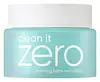 Key Ingredients
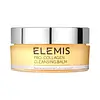
Benefits
Concerns
Ingredients Side-by-side
Cetyl Ethylhexanoate
EmollientPEG-20 Glyceryl Triisostearate
Emollient

PEG-10 Isostearate
Emulsifying
Synthetic Wax
Abrasive

Phenoxyethanol
Preservative
Butylene Glycol
Humectant

Parfum
Masking



Vitis Vinifera Seed Oil
Emollient

Olea Europaea Fruit Oil
Masking
Tocopheryl Acetate
Antioxidant


Water
Skin ConditioningEthylhexylglycerin
Skin ConditioningThuja Orientalis Leaf Extract
Antioxidant
Propanediol
Solvent
Zanthoxylum Piperitum Fruit Extract
Skin ConditioningCarthamus Tinctorius Flower Extract
Skin ConditioningDextrin
AbsorbentGardenia Florida Fruit Extract
Skin ConditioningVitis Vinifera Root Extract
Skin ConditioningVitis Vinifera Vine Extract
Skin Conditioning1,2-Hexanediol
Skin Conditioning
Bambusa Vulgaris Leaf/Stem Extract
HumectantAspalathus Linearis Extract
Skin ConditioningAngelica Archangelica Root Extract
Masking
Malpighia Glabra Fruit Extract
Skin ConditioningResveratrol
Antioxidant

Polydiethyleneglycol Adipate/Ipdi Copolymer
Acrylates/Ammonium Methacrylate Copolymer
Acrylates/Methoxy PEG-15 Methacrylate Copolymer
Cetyl Ethylhexanoate, PEG-20 Glyceryl Triisostearate, PEG-10 Isostearate, Synthetic Wax, Phenoxyethanol, Butylene Glycol, Parfum, Vitis Vinifera Seed Oil, Olea Europaea Fruit Oil, Tocopheryl Acetate, Water, Ethylhexylglycerin, Thuja Orientalis Leaf Extract, Propanediol, Zanthoxylum Piperitum Fruit Extract, Carthamus Tinctorius Flower Extract, Dextrin, Gardenia Florida Fruit Extract, Vitis Vinifera Root Extract, Vitis Vinifera Vine Extract, 1,2-Hexanediol, Bambusa Vulgaris Leaf/Stem Extract, Aspalathus Linearis Extract, Angelica Archangelica Root Extract, Malpighia Glabra Fruit Extract, Resveratrol, Polydiethyleneglycol Adipate/Ipdi Copolymer, Acrylates/Ammonium Methacrylate Copolymer, Acrylates/Methoxy PEG-15 Methacrylate Copolymer
Prunus Amygdalus Dulcis Oil
Skin Conditioning
Caprylic/Capric Triglyceride
Masking
PEG-6 Caprylic/Capric Glycerides
EmulsifyingPEG-8 Beeswax
Emulsifying
Cetearyl Alcohol
Emollient
Sorbitan Stearate
Emulsifying
Sambucus Nigra Oil
Masking
PEG-60 Almond Glycerides
Emulsifying
Silica
Abrasive

Avena Sativa Kernel Oil
Skin Conditioning
Triticum Vulgare Germ Oil
Emollient
Butyrospermum Parkii Butter
Skin Conditioning
Citrus Aurantium Dulcis Peel Wax
Skin ConditioningGlycerin
Humectant
Lecithin
Emollient
Borago Officinalis Seed Oil
Emollient
Lavandula Angustifolia Oil
Masking

Phenoxyethanol
Preservative
Cocos Nucifera Oil
Masking
Linalool
Perfuming
Lavandula Hybrida Oil
Emollient
Pelargonium Graveolens Flower Oil
Masking
Eucalyptus Globulus Leaf Oil
Perfuming
Geraniol
Perfuming
Acacia Decurrens Flower Wax
Emollient
Rosa Multiflora Flower Wax
Skin ConditioningTocopherol
Antioxidant
Anthemis Nobilis Flower Oil
Masking
Cocoyl Hydrolyzed Collagen
Cleansing
Limonene
Perfuming
Mentha Arvensis Leaf Oil
Masking
Simmondsia Chinensis Seed Oil
Emollient
Citrus Aurantium Dulcis Oil
Masking
Parfum
Masking
Vitis Vinifera Seed Oil
Emollient
Menthol
Masking
Eugenia Caryophyllus Leaf Oil
Masking
Citral
Perfuming
Padina Pavonica Thallus Extract
Skin ConditioningPrunus Amygdalus Dulcis Oil, Caprylic/Capric Triglyceride, PEG-6 Caprylic/Capric Glycerides, PEG-8 Beeswax, Cetearyl Alcohol, Sorbitan Stearate, Sambucus Nigra Oil, PEG-60 Almond Glycerides, Silica, Avena Sativa Kernel Oil, Triticum Vulgare Germ Oil, Butyrospermum Parkii Butter, Citrus Aurantium Dulcis Peel Wax, Glycerin, Lecithin, Borago Officinalis Seed Oil, Lavandula Angustifolia Oil, Phenoxyethanol, Cocos Nucifera Oil, Linalool, Lavandula Hybrida Oil, Pelargonium Graveolens Flower Oil, Eucalyptus Globulus Leaf Oil, Geraniol, Acacia Decurrens Flower Wax, Rosa Multiflora Flower Wax, Tocopherol, Anthemis Nobilis Flower Oil, Cocoyl Hydrolyzed Collagen, Limonene, Mentha Arvensis Leaf Oil, Simmondsia Chinensis Seed Oil, Citrus Aurantium Dulcis Oil, Parfum, Vitis Vinifera Seed Oil, Menthol, Eugenia Caryophyllus Leaf Oil, Citral, Padina Pavonica Thallus Extract
Reviews
Ingredients Explained
These ingredients are found in both products.
Ingredients higher up in an ingredient list are typically present in a larger amount.
Parfum is a catch-all term for an ingredient or more that is used to give a scent to products.
Also called "fragrance", this ingredient can be a blend of hundreds of chemicals or plant oils. This means every product with "fragrance" or "parfum" in the ingredients list is a different mixture.
For instance, Habanolide is a proprietary trade name for a specific aroma chemical. When used as a fragrance ingredient in cosmetics, most aroma chemicals fall under the broad labeling category of “FRAGRANCE” or “PARFUM” according to EU and US regulations.
The term 'parfum' or 'fragrance' is not regulated in many countries. In many cases, it is up to the brand to define this term.
For instance, many brands choose to label themselves as "fragrance-free" because they are not using synthetic fragrances. However, their products may still contain ingredients such as essential oils that are considered a fragrance by INCI standards.
One example is Calendula flower extract. Calendula is an essential oil that still imparts a scent or 'fragrance'.
Depending on the blend, the ingredients in the mixture can cause allergies and sensitivities on the skin. Some ingredients that are known EU allergens include linalool and citronellol.
Parfum can also be used to mask or cover an unpleasant scent.
The bottom line is: not all fragrances/parfum/ingredients are created equally. If you are worried about fragrances, we recommend taking a closer look at an ingredient. And of course, we always recommend speaking with a professional.
Learn more about ParfumPhenoxyethanol is one of the most widely used preservatives in skincare (and for good reason!).
It has a large spectrum of antimicrobial activity and especially effective bacteria, yeast, and mold while only having a weak effect on your skin's natural microbiome.
On a cellular level, it disrupts the cell membranes of microbes by poking holes that make the cell leak. This shuts down the chemical reactions the microbe needs to make energy so it can no longer survive.
Another perk of this ingredient is that it stays functional across a wide pH range (3-10).
You'll often see it paired with boosters like Ethylhexylglycerin; one study showed that a 1:9 ratio of Ethylhexylglycerin to Phenoxyethanol damages bacterial membranes as effectively as doubling the Phenoxyethanol concentration on its own.
Typical use concentrations range from 0.3-1% depending on the formula, and this ingredient is capped at 1% int the EU.
Safety-wise, the fear mongering does not hold up to the evidence. The EU's Scientific Committee on Consumer Safety and FDA consider it safe as a preservative at up to 1%, including for children of all ages.
Adverse systemic effects only showed up in animal studies at exposures roughly 200x higher than what people get from cosmetics. And despite its very widespread use, this ingredient is a rare sensitizer and allergic reactions are uncommon.
Learn more about PhenoxyethanolVitis Vinifera Seed Oil comes from the grape vine. Grape seeds are a byproduct of creating grape juice or wine.
The components of grape seeds have many skin benefits. Research has found it to be antimicrobial and anti-inflammatory. It also contains many potent antioxidants such as Vitamin E , Vitamin C, proanthocyanidins, polyphenols, flavonoids, and anthocyanins. Proanthocyanidin has been shown to help even out skin tone.
Antioxidants help fight free-radical molecules. Free-radical molecules are capable of damaging our cells and other genetic material. Antioxidants help stabilize free-radicals by donating extra electrons. Grape seed extract may help reduce the signs of aging.
The antimicrobial properties of grape seed may help treat acne. However, more research is needed to support this claim.
Grape seed has also been found to help absorb UV rays. Grape seed extract should not replace your sunscreen.
The fatty acids of grape seed oil give it emollient properties. Emollients help soothe and soften your skin by creating a film. This film traps moisture within, keeping your skin hydrated.
Learn more about Vitis Vinifera Seed Oil

