Balea Beauty Expert Calming Serum Versus Dr. Dennis Gross Skincare Stress Rescue Super Serum with Niacinamide
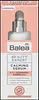
This calming serum is formulated around Linoleic Acid and Phospholipids to calm redness and strengthen the skin barrier.
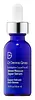
This calming serum is formulated around Niacinamide and Squalane to calm redness and strengthen the skin barrier.


What's inside
What's inside
 Key Ingredients
Benefits
Concerns
Ingredients Side-by-side
Water
Skin ConditioningDicaprylyl Carbonate
EmollientLinoleic Acid
Cleansing






Glycerin
Humectant
Polyglyceryl-6 Stearate
Emollient
Prunus Amygdalus Dulcis Oil
Skin Conditioning


Inulin
Skin Conditioning
Phenoxyethanol
Preservative
Sclerotium Gum
Emulsion StabilisingAlpha-Glucan Oligosaccharide
Cleansing
Stearyl Alcohol
Emollient
Phospholipids
Skin Conditioning
Sodium Benzoate
Masking
Xanthan Gum
EmulsifyingPotassium Cetyl Phosphate
EmulsifyingCeramide NP
Skin Conditioning


Polyglyceryl-6 Behenate
Emulsion Stabilising
Cetearyl Alcohol
Emollient

Linolenic Acid
Cleansing

Ethylhexylglycerin
Skin ConditioningCeramide Ng
Skin Conditioning
Citric Acid
Buffering

Tocopherol
Antioxidant

Water, Dicaprylyl Carbonate, Linoleic Acid, Glycerin, Polyglyceryl-6 Stearate, Prunus Amygdalus Dulcis Oil, Inulin, Phenoxyethanol, Sclerotium Gum, Alpha-Glucan Oligosaccharide, Stearyl Alcohol, Phospholipids, Sodium Benzoate, Xanthan Gum, Potassium Cetyl Phosphate, Ceramide NP, Polyglyceryl-6 Behenate, Cetearyl Alcohol, Linolenic Acid, Ethylhexylglycerin, Ceramide Ng, Citric Acid, Tocopherol
Water
Skin ConditioningPropanediol
Solvent
Ethylhexyl Palmitate
Emollient
Niacinamide
Smoothing




Squalane
Emollient
Prunus Amygdalus Dulcis Oil
Skin Conditioning
Glycerin
Humectant
Grifola Frondosa Extract
Skin ConditioningLepidium Meyenii Root Extract
Skin ConditioningLycium Barbarum Fruit Extract
Astringent
Theobroma Cacao Extract
Skin ConditioningEuterpe Oleracea Sterols
Skin ConditioningCurcuma Longa Root Oil
Perfuming

Cordyceps Sinensis Extract
Antioxidant
Persea Gratissima Fruit Extract
EmollientPerilla Frutescens Extract
Skin ConditioningAsparagus Racemosus Root Extract
AntimicrobialWithania Somnifera Root Extract
Skin Conditioning
Rhodiola Rosea Root Extract
EmollientInonotus Obliquus Extract
Skin ConditioningGlycyrrhiza Glabra Root Extract
Bleaching
Helianthus Annuus Seed Oil
Emollient
Zingiber Officinale Root Oil
Masking
Cymbopogon Schoenanthus Oil
Masking
Linoleic Acid
Cleansing
Oleic Acid
Emollient
Linolenic Acid
Cleansing
Lecithin
Emollient
Lysolecithin
EmulsifyingHydrogenated Phosphatidylcholine
Emulsifying
Beta-Sitosterol
Emulsion Stabilising
Hydrolyzed Sodium Hyaluronate
Skin Conditioning
Phospholipids
Skin Conditioning
Sphingolipids
Emollient
Adenosine
Skin Conditioning
Lactic Acid
Buffering
Tocopherol
Antioxidant
Palmitoyl Tripeptide-28
Skin Conditioning
Ethylhexylglycerin
Skin ConditioningSodium Acrylates Copolymer
Phytic Acid
Chelating
Citric Acid
Buffering
Cyclodextrin
AbsorbentMaltodextrin
Absorbent
Phenoxyethanol
Preservative
Sodium Benzoate
Masking
Potassium Sorbate
Preservative
Water, Propanediol, Ethylhexyl Palmitate, Niacinamide, Squalane, Prunus Amygdalus Dulcis Oil, Glycerin, Grifola Frondosa Extract, Lepidium Meyenii Root Extract, Lycium Barbarum Fruit Extract, Theobroma Cacao Extract, Euterpe Oleracea Sterols, Curcuma Longa Root Oil, Cordyceps Sinensis Extract, Persea Gratissima Fruit Extract, Perilla Frutescens Extract, Asparagus Racemosus Root Extract, Withania Somnifera Root Extract, Rhodiola Rosea Root Extract, Inonotus Obliquus Extract, Glycyrrhiza Glabra Root Extract, Helianthus Annuus Seed Oil, Zingiber Officinale Root Oil, Cymbopogon Schoenanthus Oil, Linoleic Acid, Oleic Acid, Linolenic Acid, Lecithin, Lysolecithin, Hydrogenated Phosphatidylcholine, Beta-Sitosterol, Hydrolyzed Sodium Hyaluronate, Phospholipids, Sphingolipids, Adenosine, Lactic Acid, Tocopherol, Palmitoyl Tripeptide-28, Ethylhexylglycerin, Sodium Acrylates Copolymer, Phytic Acid, Citric Acid, Cyclodextrin, Maltodextrin, Phenoxyethanol, Sodium Benzoate, Potassium Sorbate
Reviews
Ingredients Explained
These ingredients are found in both products.
Ingredients higher up in an ingredient list are typically present in a larger amount.
Citric Acid is an alpha hydroxy acid (AHA) naturally found in citrus fruits like oranges, lemons, and limes.
Like other AHAs, citric acid can exfoliate skin by breaking down the bonds that hold dead skin cells together. This helps reveal smoother and brighter skin underneath.
However, this exfoliating effect only happens at high concentrations (20%) which can be hard to find in cosmetic products.
Due to this, citric acid is usually included in small amounts as a pH adjuster. This helps keep products slightly more acidic and compatible with skin's natural pH.
In skincare formulas, citric acid can:
While it can provide some skin benefits, research shows lactic acid and glycolic acid are generally more effective and less irritating exfoliants.
Most citric acid used in skincare today is made by fermenting sugars (usually from molasses). This synthetic version is identical to the natural citrus form but easier to stabilize and use in formulations.
Rosacea skin has a lower threshold for acids generally, with 62.5% of rosacea subjects in one study reacting to lactic acid in a sting test. This is why we mark citric acid as a potential rosacea trigger.
However, this ingredient shows up as a pH adjuster or chelator at roughly 0.1-1% in many products. These low levels are unlikely to be an issue for rosacea skin and becomes a potential trigger at exfoliating concentrations (20%). Because everybody's skin is unique, we recommend a patch test if you are unsure.
Learn more about Citric AcidEthylhexylglycerin is created from glycerin. It is a multitasker ingredient that:
The CIR Expert Panel found minimal skin absorption or sensitization of any kind in a safety assessment. Though this ingredient is considered well-tolerated, a small number of cases of allergic dermatitis have been published since 2002. Just be sure to patch test if you are unsure.
Industry-reported use ranges from 8% in rinse-off products and 2% in leave-on formulations.
Learn more about EthylhexylglycerinGlycerin (or glycerol) is a compound naturally found in your skin. It's a powerhouse humectant that pulls water into the stratum corneum.
Topically, glycerin does several things at once:
Your skin makes glycerin on its own (mostly from sebaceous oil breakdown) and shuttles it to your outermost layer of skin, or your epidermis, via aquaporin-3.
Aquaporin-3 is a transporter that is essential for normal skin hydration, elasticity, and repair. Interestingly, mice lacking in AQP3 have dry and less elastic skin that can be fully corrected with glycerin.
This ingredient is non-irritating, plays well with almost every ingredient, and works across all skin types. Typical use is anywhere between 3-10% but can go up to 79% in some leave-on products.
Just know very high concentrations (>40%) can feel tacky in low humidity.
Glycerin is the name for this ingredient in American English. British English uses Glycerol/Glycerine.
Learn more about GlycerinLinoleic Acid is also known as Vitamin F. It is a fatty acid with emollient and skin conditioning properties.
Our top layer of skin, or epidermis, naturally contains high amounts of linoleic acid.
Your body uses linoleic acid to build ceramides and prostaglandins. Ceramides keep your skin's barrier hydrated and strong while prosaglandins help control inflammation and healing.
Needless to say, linoleic acid is crucial for having a strong skin barrier.
One study found applying linoleic acid rich sunflower oil to be more effective at repairing the skin barrier than olive oil.
This ingredient can also help treat acne by softening sebum to prevent clogged pores. Another study found using 2.5% linoleic acid gel for 4 weeks showed a 25% reduction in small comedones.
Studies show it can also help lighten hyperpigmentation or sun spots by disrupting the melanin production process. It also helps your skin shed melanin pigment from your skin caused by UV exposure.
Due to its role in the production of the fatty acid prostaglandin, linoleic acid can also help reduce inflammation and support wound healing.
Fun fact: Linoleic acid is an essential fatty acid. This means our bodies cannot create it on its own and we need to get it through foods such as nuts and vegetable oils.
Just know this ingredient is not always fungal-acne safe because it is a long-chain fatty acid (with 18 carbon atoms) that directly feeds the Malassezia yeast responsible for fungal acne.
Learn more about Linoleic AcidLinolenic Acid is also known as "ALA" or alpha-linolenic acid. It is a key fatty acid.
Our skin uses this ingredient for maintaining a healthy skin barrier, regulating inflammation, and supporting keratinocyte function.
ALA is a great skin hydrator because it has the ability to restore lipids in our stratum corneum, or outermost layer of our skin; it also helps prevent transepidermal water loss.
This ingredient also helps soothe irritated skin by downregulating inflammation.
Chia seed oil is one of the highest natural sources of ALA. Research shows topical chia seed oil significantly improves skin hydration, reduces itch, and strengthens the barrier in both healthy and extremely dry skin.
Additionally, in-vivo and in-vitro studies show ALA exhibits antioxidant properties, reduces UV-induced inflammation, and supports wound healing.
Early research showed a fatty-acid deficiency in animals leads to abnormal skin barrier function. It is believed a deficiency in linolenic acid may be linked to skin disorders like eczema.
Fun fact: This ingredient is considered an essential fatty acid for humans. This means our bodies cannot naturally produce it and we must get it from food. Some foods rich in linolenic acid include walnuts, fish oils, soy, and canola.
Learn more about Linolenic AcidPhenoxyethanol is one of the most widely used preservatives in skincare (and for good reason!).
It has a large spectrum of antimicrobial activity and especially effective bacteria, yeast, and mold while only having a weak effect on your skin's natural microbiome.
On a cellular level, it disrupts the cell membranes of microbes by poking holes that make the cell leak. This shuts down the chemical reactions the microbe needs to make energy so it can no longer survive.
Another perk of this ingredient is that it stays functional across a wide pH range (3-10).
You'll often see it paired with boosters like Ethylhexylglycerin; one study showed that a 1:9 ratio of Ethylhexylglycerin to Phenoxyethanol damages bacterial membranes as effectively as doubling the Phenoxyethanol concentration on its own.
Typical use concentrations range from 0.3-1% depending on the formula, and this ingredient is capped at 1% int the EU.
Safety-wise, the fear mongering does not hold up to the evidence. The EU's Scientific Committee on Consumer Safety and FDA consider it safe as a preservative at up to 1%, including for children of all ages.
Adverse systemic effects only showed up in animal studies at exposures roughly 200x higher than what people get from cosmetics. And despite its very widespread use, this ingredient is a rare sensitizer and allergic reactions are uncommon.
Learn more about PhenoxyethanolPhospholipids are a family of skin-identical lipids that makeup the structural backbone of every cell membrane in your body.
In cosmetics, they function as skin conditioning agents with emulsifier and surfactant properties. They're typically sourced from soybean or sunflower lecithin (or sometimes egg yolk or marine sources).
Because they mirror the lipids naturally found in the deeper layers of your skin, topical phospholipids help reinforce the lipid matrix, reduce transepidermal water loss, and leave skin feeling conditioned.
They're also used to form liposomes, or tiny self-assembling vesible used to stabilize actives like vitamin c or retinol. This helps these ingredients integrate into the upper layers of skin more easily.
Phospholipids are compatible with everything and the CIR Expert Panel has concluded them to be safe at current use levels.
Some types of phospholipids include:
Learn more about PhospholipidsThis ingredient is also known as sweet almond oil. It is a lightweight, cold-pressed oil from the ripe seeds of the sweet almond tree.
Sweet almond oil is rich in skin-nourishing fatty acids such as oleic acid (55-86%) and linolenic acid (7-35%).
As an emollient, it softens and hydrates skin by forming a thin barrier that locks in moisture.
Clinical studies have found it to be non-irritating and non-sensitizing. The CIR Expert Panel has evaluated the available safety data and concluded it is safe for topical use.
Because of the oleic acid content, this ingredient may not be fungal acne safe.
This ingredient does have a comedogenic rating of 3, but this doesn't mean a formula with this ingredient will clog pores.
Human testing has proved that any finished product with a comedogenic ingredient won't automatically make you break out; it really comes down to concentration, formula, and your skin.
Learn more about Prunus Amygdalus Dulcis OilSodium Benzoate is a preservative. It's used in both cosmetic and food products to inhibit the growth of mold and bacteria. It is typically produced synthetically.
Both the US FDA and EU Health Committee have approved the use of sodium benzoate. In the US, levels of 0.1% (of the total product) are allowed.
Sodium benzoate works as a preservative by inhibiting the growth of bacteria inside of cells. It prevents the cell from fermenting a type of sugar using an enzyme called phosphofructokinase.
It is the salt of benzoic acid. Foods containing sodium benzoate include soda, salad dressings, condiments, fruit juices, wines, and snack foods.
Studies for using ascorbic acid and sodium benzoate in cosmetics are lacking, especially in skincare routines with multiple steps.
We always recommend speaking with a professional, such as a dermatologist, if you have any concerns.
Learn more about Sodium BenzoateTocopherol is a fat-soluble antioxidant known as Vitamin E.
You'll find this ingredient in the vast majority of skincare (for good reason). It works to neutralize free radicals, or unstable molecules generated by UV exposure, pollution, and other environmental stressors, before they can cause oxidative damage to your skin cells.
Topically applied tocopherol has been shown to protect against UV damage by ramping up the skin's own natural defense enzymes.
It also acts as a skin conditioning agent; some studies show that regular topical use can improve the skin's water-binding capacity over 2-4 weeks.
This ingredient is especially loved for being a team player. When combined with Vitamin C, the photoprotective effect of both ingredients roughly doubles and the combo also helps reduce UV-induced DNA damage.
This ingredient has some brightening potential but it's more of a prevention ingredient than spot-fader. Cell studies show it can slow down melanin production but it's worth noting that it's not the most powerful brightener out there.
In formulations, it also serves as a stabilizer that helps protect other oxidation-prone ingredients from degrading.
Concentrations usually range from 0.1-1% in most leave-on products.
Learn more about TocopherolWater. It's the most common cosmetic ingredient of all. You'll usually see it at the top of ingredient lists, meaning that it makes up the largest part of the product.
So why is it so popular? Water most often acts as a solvent - this means that it helps dissolve other ingredients into the formulation.
You'll also recognize water as that liquid we all need to stay alive. If you see this, drink a glass of water. Remember to stay hydrated!
Learn more about Water

