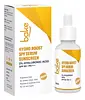
This mineral sunscreen covers the full UV range and blocks ~98% of UVB at SPF 50.
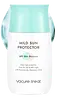
This sunscreen offers SPF 50 protection with a matte finish that helps control shine.


What's inside
What's inside
 Key Ingredients
Benefits
Concerns
No concerns
Ingredients Side-by-side


Water
Skin ConditioningCaprylyl Methicone
Skin Conditioning
Cyclopentasiloxane
Emollient
CI 77947
Methylpropanediol
SolventCI 77891
Cosmetic ColorantPolyglyceryl-3 Polydimethylsiloxyethyl Dimethicone
Skin Conditioning
Dibutyl Adipate
EmollientPolypropylsilsesquioxane
1,2-Hexanediol
Skin Conditioning
Niacinamide
Smoothing











Dimethicone/Vinyl Dimethicone Crosspolymer
Skin Conditioning
Maris Sal
Skin ConditioningDimethicone/Methicone Copolymer
Quaternium-18 Hectorite
Sorbitan Sesquioleate
Emulsifying

Aluminum Hydroxide
EmollientStearic Acid
Cleansing
Hydroxyacetophenone
Antioxidant
Sodium Methyl Stearoyl Taurate
CleansingParfum
Masking



Hydrogenated Macadamia Seed Oil
Skin Conditioning
Limnanthes Alba Seed Oil
Skin Conditioning
Hydrogenated Pistachio Seed Oil
Skin Conditioning
Simmondsia Chinensis Seed Wax
Skin Conditioning
Ethylhexylglycerin
Skin ConditioningBehenyl Alcohol
Emollient
Sodium Polyacryloyldimethyl Taurate
Emulsion StabilisingDisodium EDTA
Tocopherol
Antioxidant
Glycerin
Humectant
Hydrogenated Polydecene
EmollientDimethicone
Emollient
Butylene Glycol
Humectant
CI 77491
Cosmetic ColorantMagnesium Aspartate
Skin ConditioningZinc Gluconate
Skin Conditioning
Stearyl Alcohol
Emollient
Arachidyl Alcohol
Emollient
Caprylic/Capric Glycerides
EmollientPolyglyceryl-10 Myristate
Skin Conditioning
Caprylyl/Capryl Glucoside
CleansingHydrogenated Lecithin
Emulsifying
Phenoxyethanol
Preservative
Hydrogenated Phosphatidylcholine
Emulsifying
Sodium Hyaluronate
Humectant
Centella Asiatica Extract
Cleansing
Sucrose Stearate
EmollientCopper Gluconate
Skin Conditioning
Ceramide EOP
Skin Conditioning
Cetearyl Alcohol
Emollient

Triethoxycaprylylsilane
Sodium Hyaluronate Crosspolymer
Humectant
Potassium Hyaluronate
Skin ConditioningHydroxypropyltrimonium Hyaluronate
Hydrolyzed Sodium Hyaluronate
Skin Conditioning
Hydrolyzed Hyaluronic Acid
Humectant
Hyaluronic Acid
Humectant
Arginine
Masking
Carbomer
Emulsion StabilisingMadecassoside
Antioxidant
Madecassic Acid
Skin Conditioning
Asiaticoside
Antioxidant
Asiatic Acid
Skin Conditioning
Pentylene Glycol
Skin Conditioning
Sodium Acetylated Hyaluronate
Humectant
Water, Caprylyl Methicone, Cyclopentasiloxane, CI 77947, Methylpropanediol, CI 77891, Polyglyceryl-3 Polydimethylsiloxyethyl Dimethicone, Dibutyl Adipate, Polypropylsilsesquioxane, 1,2-Hexanediol, Niacinamide, Dimethicone/Vinyl Dimethicone Crosspolymer, Maris Sal, Dimethicone/Methicone Copolymer, Quaternium-18 Hectorite, Sorbitan Sesquioleate, Aluminum Hydroxide, Stearic Acid, Hydroxyacetophenone, Sodium Methyl Stearoyl Taurate, Parfum, Hydrogenated Macadamia Seed Oil, Limnanthes Alba Seed Oil, Hydrogenated Pistachio Seed Oil, Simmondsia Chinensis Seed Wax, Ethylhexylglycerin, Behenyl Alcohol, Sodium Polyacryloyldimethyl Taurate, Disodium EDTA, Tocopherol, Glycerin, Hydrogenated Polydecene, Dimethicone, Butylene Glycol, CI 77491, Magnesium Aspartate, Zinc Gluconate, Stearyl Alcohol, Arachidyl Alcohol, Caprylic/Capric Glycerides, Polyglyceryl-10 Myristate, Caprylyl/Capryl Glucoside, Hydrogenated Lecithin, Phenoxyethanol, Hydrogenated Phosphatidylcholine, Sodium Hyaluronate, Centella Asiatica Extract, Sucrose Stearate, Copper Gluconate, Ceramide EOP, Cetearyl Alcohol, Triethoxycaprylylsilane, Sodium Hyaluronate Crosspolymer, Potassium Hyaluronate, Hydroxypropyltrimonium Hyaluronate, Hydrolyzed Sodium Hyaluronate, Hydrolyzed Hyaluronic Acid, Hyaluronic Acid, Arginine, Carbomer, Madecassoside, Madecassic Acid, Asiaticoside, Asiatic Acid, Pentylene Glycol, Sodium Acetylated Hyaluronate
Reviews
Ingredients Explained
These ingredients are found in both products.
Ingredients higher up in an ingredient list are typically present in a larger amount.
Hyaluronic acid (HA) is a glycosaminoglycan (basically a long sugar chain) that your skin already makes on its own. In your skin, HA lives in the extracellular matrix and acts as the body's moisture reservoir.
Topically, HA is a humectant that binds water and helps skin look more plump, smooth, and hydrated.
The only catch is that HA isn't a single thing; it actually comes in a wide range of molecular weights (~50 - 2,000+ kDA) and size matters.
Some clinical evidence links low molecular weight versions to improved wrinkle depth, elasticity, anti-inflammatory effects, and barrier repair.
This is why the best HA serums blend the two sizes together so you get the best of both worlds.
The majority of cosmetic HA is produced by bacterial fermentation, typically using Streptococcus or Bacillus strains. Typical use levels in skincare sit around 0.1-2%.
A clinical study using a 0.2% low-molecular weight HA gel showed improvement in facial seborrheic dermatitis with excellent tolerance.
These are some other common types of Hyaluronic Acid:
Learn more about Hyaluronic AcidNiacinamide is a multitasking form of vitamin B3 that strengthens the skin barrier, reduces pores and dark spots, regulates oil, and improves signs of aging.
And the best part? It's gentle and well-tolerated by most skin types, including sensitive and reactive skin.
You might have heard of "niacin flush", or the reddening of skin that causes itchiness. Niacinamide has not been found to cause this.
In very rare cases, some individuals may not be able to tolerate niacinamide at all or experience an allergic reaction to it.
If you are experiencing flaking, irritation, and dryness with this ingredient, be sure to double check all your products as this ingredient can be found in all categories of skincare.
When incorporating niacinamide into your routine, look out for concentration amounts. Typically, 5% niacinamide provides benefits such as fading dark spots. However, if you have sensitive skin, it is better to begin with a smaller concentration.
When you apply niacinamide to your skin, your body converts it into nicotinamide adenine dinucleotide (NAD). NAD is an essential coenzyme that is already found in your cells as "fuel" and powers countless biological processes.
In your skin, NAD helps repair cell damage, produce new healthy cells, support collagen production, strengthen the skin barrier, and fight environmental stressors (like UV and pollution).
Our natural NAD levels start to decline with age, leading to slower skin repair, visible aging, and a weaker skin barrier. By providing your skin niacinamide, you're recharging your skin's NAD levels. This leads to stronger, healthier, and younger looking skin.
Another name for vitamin B3 is nicotinamide. This vitamin is water-soluble and our bodies don't store it. We obtain Vitamin B3 from either food or skincare. Meat, fish, wheat, yeast, and leafy greens contain vitamin B3.
The type of niacinamide used in skincare is synthetically created.
Learn more about Niacinamide

