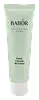
This barrier-repair moisturizer is formulated around Helianthus Annuus Seed Oil and Butyrospermum Parkii Butter to strengthen the skin barrier and hydrate skin.
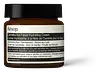
This calming moisturizer is formulated around Camellia Japonica Seed Oil and Aloe Barbadensis Leaf Juice to calm redness and hydrate skin.


What's inside
What's inside
 Key Ingredients
Benefits
Concerns
Ingredients Side-by-side
Water
Skin ConditioningHelianthus Annuus Seed Oil
Emollient



Glycerin
Humectant

Butyrospermum Parkii Butter
Skin Conditioning


Glyceryl Stearate Citrate
Emollient
Sesamum Indicum Seed Oil
Emollient
Coco-Caprylate/Caprate
Emollient
Aloe Barbadensis Leaf Juice
Skin Conditioning

Cetearyl Ethylhexanoate
Emollient
Hydrogenated Ethylhexyl Olivate
EmollientCetearyl Alcohol
Emollient
Glycine Soja Oil
Emollient
Hydrogenated Vegetable Glycerides
EmollientMacadamia Integrifolia Seed Oil
Skin Conditioning
Simmondsia Chinensis Seed Oil
Emollient
Tocopheryl Acetate
Antioxidant


Panthenol
Skin Conditioning
Hydrogenated Olive Oil Unsaponifiables
Emollient
Stearyl Stearate
Emollient
Cistus Monspeliensis Extract
MaskingFarnesol
Perfuming


Allantoin
Skin Conditioning
Phytosphingosine
Skin Conditioning
Saccharomyces Ferment Lysate Filtrate
Skin Conditioning
Copernicia Cerifera Cera
Emollient
Rhus Verniciflua Peel Wax
Equisetum Arvense Extract
AstringentXanthan Gum
EmulsifyingIsopropyl Myristate
Emollient
Microcrystalline Cellulose
AbsorbentButylene Glycol
Humectant
Parfum
Masking
Tocopherol
Antioxidant
Phenoxyethanol
Preservative
Maltodextrin
Absorbent
Cellulose Gum
Emulsion StabilisingCitric Acid
Buffering
Hexyl Cinnamal
Perfuming
Benzyl Alcohol
Perfuming
Ethylhexylglycerin
Skin ConditioningBenzyl Salicylate
Perfuming
Melaleuca Alternifolia Leaf Oil
Antioxidant


Pantolactone
Humectant
Sodium Benzoate
Masking
Potassium Sorbate
Preservative
Citronellol
Perfuming
Limonene
Perfuming
Water, Helianthus Annuus Seed Oil, Glycerin, Butyrospermum Parkii Butter, Glyceryl Stearate Citrate, Sesamum Indicum Seed Oil, Coco-Caprylate/Caprate, Aloe Barbadensis Leaf Juice, Cetearyl Ethylhexanoate, Hydrogenated Ethylhexyl Olivate, Cetearyl Alcohol, Glycine Soja Oil, Hydrogenated Vegetable Glycerides, Macadamia Integrifolia Seed Oil, Simmondsia Chinensis Seed Oil, Tocopheryl Acetate, Panthenol, Hydrogenated Olive Oil Unsaponifiables, Stearyl Stearate, Cistus Monspeliensis Extract, Farnesol, Allantoin, Phytosphingosine, Saccharomyces Ferment Lysate Filtrate, Copernicia Cerifera Cera, Rhus Verniciflua Peel Wax, Equisetum Arvense Extract, Xanthan Gum, Isopropyl Myristate, Microcrystalline Cellulose, Butylene Glycol, Parfum, Tocopherol, Phenoxyethanol, Maltodextrin, Cellulose Gum, Citric Acid, Hexyl Cinnamal, Benzyl Alcohol, Ethylhexylglycerin, Benzyl Salicylate, Melaleuca Alternifolia Leaf Oil, Pantolactone, Sodium Benzoate, Potassium Sorbate, Citronellol, Limonene
Water
Skin ConditioningGlycerin
Humectant
Camellia Japonica Seed Oil
Emollient
Aloe Barbadensis Leaf Juice
Skin Conditioning
Cetearyl Alcohol
Emollient
Glyceryl Behenate
Emollient
Rosa Canina Seed Extract
EmollientC12-16 Alcohols
EmollientCoco-Caprylate/Caprate
Emollient
Macadamia Integrifolia Seed Oil
Skin Conditioning
Theobroma Cacao Seed Butter
Emollient
Cocos Nucifera Oil
Masking
Microcrystalline Cellulose
AbsorbentPalmitic Acid
Emollient
Glycine Soja Oil
Emollient
Helianthus Annuus Seed Wax
Skin Conditioning
Hydrogenated Lecithin
Emulsifying
Hydroxyacetophenone
Antioxidant
Triticum Vulgare Germ Oil
Emollient
Xanthan Gum
EmulsifyingFusanus Spicatus Wood Oil
Masking
Olea Europaea Fruit Oil
Masking
Benzyl Alcohol
Perfuming
Cellulose Gum
Emulsion StabilisingSodium Dehydroacetate
Preservative
Tocopherol
Antioxidant
Citric Acid
Buffering
Lavandula Angustifolia Oil
Masking
Rosmarinus Officinalis Leaf Oil
Masking
Ormenis Multicaulis Oil
Masking
Rhus Succedanea Fruit Wax
Shorea Robusta Resin
TonicSodium Gluconate
ChelatingBeta-Carotene
Skin ConditioningDaucus Carota Sativa Root Extract
Skin Conditioning
Farnesol
Perfuming
Linalool
Perfuming
Limonene
Perfuming
Water, Glycerin, Camellia Japonica Seed Oil, Aloe Barbadensis Leaf Juice, Cetearyl Alcohol, Glyceryl Behenate, Rosa Canina Seed Extract, C12-16 Alcohols, Coco-Caprylate/Caprate, Macadamia Integrifolia Seed Oil, Theobroma Cacao Seed Butter, Cocos Nucifera Oil, Microcrystalline Cellulose, Palmitic Acid, Glycine Soja Oil, Helianthus Annuus Seed Wax, Hydrogenated Lecithin, Hydroxyacetophenone, Triticum Vulgare Germ Oil, Xanthan Gum, Fusanus Spicatus Wood Oil, Olea Europaea Fruit Oil, Benzyl Alcohol, Cellulose Gum, Sodium Dehydroacetate, Tocopherol, Citric Acid, Lavandula Angustifolia Oil, Rosmarinus Officinalis Leaf Oil, Ormenis Multicaulis Oil, Rhus Succedanea Fruit Wax, Shorea Robusta Resin, Sodium Gluconate, Beta-Carotene, Daucus Carota Sativa Root Extract, Farnesol, Linalool, Limonene
Reviews
Ingredients Explained
These ingredients are found in both products.
Ingredients higher up in an ingredient list are typically present in a larger amount.
Aloe Barbadensis Leaf Juice is the filtered, stabilized liquid pressed from the inner gel of the aloe vera leaf.
In cosmetics, it shows up as either soothing active or a water-replacement base. It is roughly 98-99% water and the last 1-2% is an interesting mix of polysaccharides, amino acids, vitamins, minerals, and enzymes.
The polysaccharides do most of the work: they bind water at the skin surface for a light, non-greasy hydration boost. And one of the polysaccharides, glycomannan, is linked to fibroblast stimulation + collagen synthesis. This is also why aloe has such a long track record in wound and burn healing.
This ingredient is also calming with anti-inflammatory and mild antimicrobial activity, making it a great pick for sensitive, irritated, or post-sun skin.
Realistic expectations matter though; the solid evidence is mostly limited to hydration, soothing, and wound support. Deeper claims about anti-aging or sun protection are not well backed, and science reviews note it does not prevent radiation-induced skin injury.
Because it plays well with almost everything, it's commonly used as a base alongside other actives like niacinamide or vitamin C.
Typical usage concentrations range from 0.5% (where hydration benefits already show up) all the way to 90%+ (where it replaces water as the main base).
The safety for this ingredient is well-establish as well. Overall, this is a great supporting ingredient for those who want a boost in hydration.
Learn more about Aloe Barbadensis Leaf JuiceBenzyl Alcohol is an aromatic alcohol with several roles: it's a preservative, solvent, and mild fragrance component with a floral scent.
This ingredient has been deemed safe for use in cosmetic formulations at concentrations up to 5%, and up to 10% in hair dyes. You'll typically see 0.5-2% in most rinse-off or leave-on products.
As a preservative, it works by disrupting the membrane of microbial proteins. This helps keep bacteria and fungi from growing in your products.
The sensitization picture is actually quite assuring as well:of nearly 71,000 patients patch tested with benzyl alcohol, only 0.21% showed a positive reaction with most of them being weakly positive.
This led researchers to conclude that benzyl alcohol cannot be regarded as a significant contact allergen.
It is worth noting this ingredient is classified as one of the EU's regulated fragrance allergens and restricted to 1% in finished products.
Labels must also declare it in concentrations above 0.001% in leave-on products and 0.01% in rinse-off products.
At concentrations around 5%, localized redness and itching can appear as a direct irritant response and not as a true allergic reaction.
Learn more about Benzyl AlcoholCellulose Gum is a water-soluble polymer that comes from cellulose. It is used to change the texture of a product and to help stabilize emulsions.
As an emulsifier, cellulose gum specifically thicken the texture of water-based products.
This ingredient is considered hypoallergenic and non-toxic. Cellulose Gum can be found in cosmetics, food, and other household goods such as paper products.
Learn more about Cellulose GumCetearyl alcohol is a waxy mixture of two fatty alcohols: cetyl alcohol and stearyl alcohol. It is an emollient and emulsifier.
Despite having "alcohol" in its name, it has nothing to do with drying solvent alcohols; the FDA also allows "alcohol-free" products to contain fatty alcohols like this ingredient.
It plays several roles in a formula:
Typical use levels for this ingredient sit around 1-10% and the Cosmetic Ingredient Review Expert Panel has affirmed safety at concentrations up to 25% in leave-on products.
Multiple assessments have found it to be non-irritating and non-sensitizing to most people.
However, there have been some cases of allergic contact dermatitis in patients with chronically compromised skin barriers.
Cetearyl alcohol has a comedogenic rating of 2 and irritancy rating of 1. Both of these numbers come from the 1989 study that used rabbit ears; a "2" means mildly comedogenic and a "1" means low irritancy.
Here's the catch: rabbit skin is more sensitive than human skin and throws a lot of false positives. A 1996 reappraisal found that ingredients rated 1-2 in the rabbit ear tests are generally safe for humans.
Remember comedogenic ratings are unable to assess the entire formula of a product or how it will react on your skin. Just be sure to patch test if you are unsure about certain ingredients.
This ingredient is not fungal acne safe. Cetearyl alcohol is a fatty alcohol with chain lengths that fall within the range that Malassezia can metabolize.
A 2019 study has also observed Malassezia growth in the presence of this ingredient, confirming it to be not-fungal acne safe.
Learn more about Cetearyl AlcoholCitric Acid is an alpha hydroxy acid (AHA) naturally found in citrus fruits like oranges, lemons, and limes.
Like other AHAs, citric acid can exfoliate skin by breaking down the bonds that hold dead skin cells together. This helps reveal smoother and brighter skin underneath.
However, this exfoliating effect only happens at high concentrations (20%) which can be hard to find in cosmetic products.
Due to this, citric acid is usually included in small amounts as a pH adjuster. This helps keep products slightly more acidic and compatible with skin's natural pH.
In skincare formulas, citric acid can:
While it can provide some skin benefits, research shows lactic acid and glycolic acid are generally more effective and less irritating exfoliants.
Most citric acid used in skincare today is made by fermenting sugars (usually from molasses). This synthetic version is identical to the natural citrus form but easier to stabilize and use in formulations.
Rosacea skin has a lower threshold for acids generally, with 62.5% of rosacea subjects in one study reacting to lactic acid in a sting test. This is why we mark citric acid as a potential rosacea trigger.
However, this ingredient shows up as a pH adjuster or chelator at roughly 0.1-1% in many products. These low levels are unlikely to be an issue for rosacea skin and becomes a potential trigger at exfoliating concentrations (20%). Because everybody's skin is unique, we recommend a patch test if you are unsure.
Learn more about Citric AcidCoco-Caprylate/Caprate is a lightweight ester created from coconut oil fatty acids, caprylic acid, and capric acid.
It is an emollient that helps soften skin and reduce transepidermal water loss (TEWL). What sets it apart from heavier emollients is its ultralight, non-greasy feel.
Once applied, this ingredient dries down quickly and leaves a dry, silky finish behind. This also helps improve spreadability and texture.
This ingredient has an excellent safety-record and is non-irritating.
Typical concentrations for cosmetics range from 0.5-62%.
Research on Malassezia growth found no growth on fatty acid esters with chain lengths shorter than 12 carbons (it prefers C11-24).
Since Coco-Caprylate/Caprate is built on C8 and C10 fatty acids, it is out of the range that Malassezia metabolizes, and therefore safe for fungal acne.
Learn more about Coco-Caprylate/CaprateFarnesol is a compound extracted from essential oils such as lemongrass, rose, and more. It is used as a fragrance in products to help boost floral scents.
Farnesol is a known EU allergen and causes contact dermatitis.
This ingredient is hydrophobic, meaning it is not soluble in water.
Learn more about FarnesolGlycerin (or glycerol) is a compound naturally found in your skin. It's a powerhouse humectant that pulls water into the stratum corneum.
Topically, glycerin does several things at once:
Your skin makes glycerin on its own (mostly from sebaceous oil breakdown) and shuttles it to your outermost layer of skin, or your epidermis, via aquaporin-3.
Aquaporin-3 is a transporter that is essential for normal skin hydration, elasticity, and repair. Interestingly, mice lacking in AQP3 have dry and less elastic skin that can be fully corrected with glycerin.
This ingredient is non-irritating, plays well with almost every ingredient, and works across all skin types. Typical use is anywhere between 3-10% but can go up to 79% in some leave-on products.
Just know very high concentrations (>40%) can feel tacky in low humidity.
Glycerin is the name for this ingredient in American English. British English uses Glycerol/Glycerine.
Learn more about GlycerinGlycine Soja Oil is a plant-derived oil from soybean seeds. Like other oils, it is rich in essential fatty acids (mostly linoleic and oleic) that support skin hydration and barrier function.
The fatty acids are able to integrate into the lipid matrix of the stratum corneum to help soften skin and reduce water loss.
On top of that, soybean oil is rich in vitamins like vitamin E, a potent antioxidant.
Research on soybean's active components also point to anti-inflammatory, collagen-stimulating, antioxidant activity, and protection against UV-induced oxidative damage.
Most of this research applies to the broader soybean plant and not just the oil fraction alone.
This ingredient does carry a comedogenic rating of 3 from the old rabbit-ear assay. Just remember testing finished products in humans showed that formulas built with "comedogenic" ingredients are not necessarily comedogenic themselves. It's worth patch testing if you're breakout prone, and always listen to your skin.
Because this ingredient is a saturated triglyceride, it may not be fungal acne safe. This is because Malassezia breaks down sebum triglycerides into fatty acids it can consume, making this ingredient a possible source for the yeast.
Learn more about Glycine Soja OilLimonene is the compound that gives citrus peel its smell.
In skincare, it shows up as a standalone fragrance ingredient or as a natural compound of citrus and other essential oils.
You'll typically see this ingredient used in very small amounts; anything above 0.001% in a leave-on product or 0.01% in a rinse-off has to be named on the label in the EU. The citrus oils that carry it sit around 0.5-1% in a finished formula.
Fresh limonene is a weak allergen; the real issue is that it slowly reacts with air and then breaks down from oxidation to create hydroperoxides (which are strong sensitizers). This is why suppliers are required to keep the peroxide value below 20 mmol.
Positive reactions in people being investigated for eczema vary:
It's worth skipping if you have a known fragrance allergy or a compromised barrier, but the risk is low for most people.
Older or long-opened products are also more likely to bother you than fresh ones due to oxidation.
Learn more about LimoneneThis ingredient is also known as Macadamia Seed Oil. It's an emollient with a fatty acid profile that closely mirrors the skin's own lipid makeup.
The palmitoleic acid content is especially notable as it's somewhat rare in plant oils. Palmitoleic acid is something your skin already makes naturally. It helps keep cell membranes structured and plays a role in fighting off harmful microbes.
This palmitoleic content is also part of why macademia seed oil absorbs quickly and doesn't leave much of a greasy residue.
It also contains oleic acid, linoleic acid, and phytosterols that can help reduce redness.
In vitro research has shown the oil to have meaningful antioxidant activity, protect fats in the skin from oxidative damage, and slow down the enzyme that breaks down hyaluronic acid.
A 2024 clinical study found it effective at improving skin hydratino and reducing wrinkle appearance when formulated into nanoemulsions.
Because it carries oleic acid (C18) and palmitic acid (C16), this ingredient may not be fungal acne safe. This is because the Malassezia yeast metabolizes in the C11-24 chain length range.
You'll also see this ingredient listed as: Macadamia Ternifolia Seed Oil.
This is the same ingredient; M. ternifolia is an older INCI naming convention for the edible macadamia nut, while M. integrifolia is the species actually cultivated for oil production. Both names refer to the same oil.
Learn more about Macadamia Integrifolia Seed OilMicrocrystalline Cellulose is another name for refined wood pulp. It is used as an emulsifier and mattifying ingredient. As an emulsifier, it helps keep ingredients together.
Tocopherol is a fat-soluble antioxidant known as Vitamin E.
You'll find this ingredient in the vast majority of skincare (for good reason). It works to neutralize free radicals, or unstable molecules generated by UV exposure, pollution, and other environmental stressors, before they can cause oxidative damage to your skin cells.
Topically applied tocopherol has been shown to protect against UV damage by ramping up the skin's own natural defense enzymes.
It also acts as a skin conditioning agent; some studies show that regular topical use can improve the skin's water-binding capacity over 2-4 weeks.
This ingredient is especially loved for being a team player. When combined with Vitamin C, the photoprotective effect of both ingredients roughly doubles and the combo also helps reduce UV-induced DNA damage.
This ingredient has some brightening potential but it's more of a prevention ingredient than spot-fader. Cell studies show it can slow down melanin production but it's worth noting that it's not the most powerful brightener out there.
In formulations, it also serves as a stabilizer that helps protect other oxidation-prone ingredients from degrading.
Concentrations usually range from 0.1-1% in most leave-on products.
Learn more about TocopherolWater. It's the most common cosmetic ingredient of all. You'll usually see it at the top of ingredient lists, meaning that it makes up the largest part of the product.
So why is it so popular? Water most often acts as a solvent - this means that it helps dissolve other ingredients into the formulation.
You'll also recognize water as that liquid we all need to stay alive. If you see this, drink a glass of water. Remember to stay hydrated!
Learn more about WaterXanthan gum is used as a stabilizer and thickener within cosmetic products. It helps give products a sticky, thick feeling - preventing them from being too runny.
On the technical side of things, xanthan gum is a polysaccharide - a combination consisting of multiple sugar molecules bonded together.
Xanthan gum is a pretty common and great ingredient. It is a natural, non-toxic, non-irritating ingredient that is also commonly used in food products.
Learn more about Xanthan Gum

