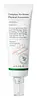
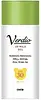
AXIS - Y Complete No-Stress Physical Sunscreen SPF 50+ Versus The OMI Brotherhood Verdio UV Mild Gel N SPF 30 PA+++
This mineral sunscreen covers the full UV range and blocks ~98% of UVB at SPF 50.
This mineral sunscreen covers the full UV range and blocks ~97% of UVB at SPF 30.


What's inside
What's inside
 Key Ingredients
Benefits
Concerns
Ingredients Side-by-side
Water
Skin ConditioningCyclohexasiloxane
Emollient
Zinc Oxide
Cosmetic Colorant


CI 77891
Cosmetic ColorantPropanediol
Solvent

Polyglyceryl-3 Polydimethylsiloxyethyl Dimethicone
Skin Conditioning
Dibutyl Adipate
EmollientNiacinamide
Smoothing









Caprylyl Methicone
Skin Conditioning
1,2-Hexanediol
Skin Conditioning
Disteardimonium Hectorite
StabilisingBetaine
Humectant
Magnesium Sulfate
Hydrogen Dimethicone
Inositol
Humectant
Aluminum Hydroxide
EmollientC30-45 Alkyl Cetearyl Dimethicone Crosspolymer
Emollient
Polyglyceryl-2 Dipolyhydroxystearate
Skin Conditioning

Styrene/Acrylates Copolymer
Stearic Acid
Cleansing
Butylene Glycol
Humectant
Pentylene Glycol
Skin Conditioning
Ethylhexylglycerin
Skin ConditioningOctyldodecanol
Emollient
Adenosine
Skin Conditioning
Glycerin
Humectant
Squalane
Emollient
Allantoin
Skin Conditioning
Anthemis Nobilis Flower Water
Masking
Echium Plantagineum Seed Oil
Skin Conditioning
Artemisia Capillaris Extract 0.005%
Vitis Vinifera Seed Extract
Antimicrobial
Calendula Officinalis Flower Extract
Masking
Camellia Sinensis Leaf Extract
Antimicrobial
Cardiospermum Halicacabum Flower/Leaf/Vine Extract
Skin ConditioningHelianthus Annuus Seed Oil Unsaponifiables
Emollient
Leuconostoc/Radish Root Ferment Filtrate
Antimicrobial
Dicaprylyl Carbonate
EmollientSorbitan Sesquioleate
Emulsifying

Palmitoyl Tripeptide-5
Skin Conditioning
Tocopherol
Antioxidant
Water, Cyclohexasiloxane, Zinc Oxide, CI 77891, Propanediol, Polyglyceryl-3 Polydimethylsiloxyethyl Dimethicone, Dibutyl Adipate, Niacinamide, Caprylyl Methicone, 1,2-Hexanediol, Disteardimonium Hectorite, Betaine, Magnesium Sulfate, Hydrogen Dimethicone, Inositol, Aluminum Hydroxide, C30-45 Alkyl Cetearyl Dimethicone Crosspolymer, Polyglyceryl-2 Dipolyhydroxystearate, Styrene/Acrylates Copolymer, Stearic Acid, Butylene Glycol, Pentylene Glycol, Ethylhexylglycerin, Octyldodecanol, Adenosine, Glycerin, Squalane, Allantoin, Anthemis Nobilis Flower Water, Echium Plantagineum Seed Oil, Artemisia Capillaris Extract 0.005%, Vitis Vinifera Seed Extract, Calendula Officinalis Flower Extract, Camellia Sinensis Leaf Extract, Cardiospermum Halicacabum Flower/Leaf/Vine Extract, Helianthus Annuus Seed Oil Unsaponifiables, Leuconostoc/Radish Root Ferment Filtrate, Dicaprylyl Carbonate, Sorbitan Sesquioleate, Palmitoyl Tripeptide-5, Tocopherol
Water
Skin ConditioningButylene Glycol
Humectant
Titanium Dioxide
Cosmetic Colorant
Hydrogenated Polyisobutene
EmollientCetyl Ethylhexanoate
EmollientPEG-12 Dimethicone
Skin Conditioning
Dimethicone
Emollient
Cyclopentasiloxane
Emollient
Triethoxycaprylylsilane
Aluminum Hydroxide
EmollientSolanum Lycopersicum Seed Extract
Skin ConditioningCamellia Sinensis Leaf Extract
Antimicrobial
Allium Cepa Root Extract
Antioxidant
Abies Alba Seed Extract
Antimicrobial
Aloe Barbadensis Leaf Extract
Emollient
Glycerin
Humectant
Hydroxyapatite
Abrasive
Behenyl Alcohol
Emollient
Sodium Acrylate/Sodium Acryloyldimethyl Taurate Copolymer
Emulsion StabilisingSilica
Abrasive
Polyglyceryl-10 Pentastearate
Skin Conditioning
Isohexadecane
EmollientTocopheryl Acetate
Antioxidant
Xanthan Gum
EmulsifyingSodium Stearoyl Lactylate
EmulsifyingCeteth-10
EmulsifyingPolysorbate 80
Emulsifying
Sorbitan Oleate
Emulsifying
Tocopherol
Antioxidant
Sodium Phosphate
BufferingCitric Acid
Buffering
BHT
Antioxidant
Phenoxyethanol
Preservative
Water, Butylene Glycol, Titanium Dioxide, Hydrogenated Polyisobutene, Cetyl Ethylhexanoate, PEG-12 Dimethicone, Dimethicone, Cyclopentasiloxane, Triethoxycaprylylsilane, Aluminum Hydroxide, Solanum Lycopersicum Seed Extract, Camellia Sinensis Leaf Extract, Allium Cepa Root Extract, Abies Alba Seed Extract, Aloe Barbadensis Leaf Extract, Glycerin, Hydroxyapatite, Behenyl Alcohol, Sodium Acrylate/Sodium Acryloyldimethyl Taurate Copolymer, Silica, Polyglyceryl-10 Pentastearate, Isohexadecane, Tocopheryl Acetate, Xanthan Gum, Sodium Stearoyl Lactylate, Ceteth-10, Polysorbate 80, Sorbitan Oleate, Tocopherol, Sodium Phosphate, Citric Acid, BHT, Phenoxyethanol
Reviews
Ingredients Explained
These ingredients are found in both products.
Ingredients higher up in an ingredient list are typically present in a larger amount.
Aluminum Hydroxide is a form of aluminum. It can be naturally found in nature as the mineral gibbsite. In cosmetics, Aluminum Hydroxide is used as a colorant, pH adjuster, and absorbent.
As a colorant, Aluminum Hydroxide may add opacity, or reduce the transparency. Aluminum hydroxide is contains both basic and acidic properties.
According to manufacturers, this ingredient is an emollient and humectant. This means it helps hydrate the skin.
In medicine, this ingredient is used to help relieve heartburn and help heal ulcers.
There is currently no credible scientific evidence linking aluminum hydroxide in cosmetics to increased cancer risk.
Major health organizations allow the use of aluminum hydroxide in personal care products and have not flagged it as a carcinogenic risk at typical usage levels.
Learn more about Aluminum HydroxideButylene Glycol (or BG) is used within cosmetic products for a few different reasons:
Overall, Butylene Glycol is a safe and well-rounded ingredient that works well with other ingredients.
Though this ingredient works well with most skin types, some people with sensitive skin may experience a reaction such as allergic rashes, closed comedones, or itchiness.
Learn more about Butylene GlycolCamellia Sinensis Leaf Extract (tea extract) is one of the most well-researched plant extracts in skincare with an impressive resume.
Black tea, green tea, and oolong tea are all harvested from the Camellia Sinensis plant.
Studies show green tea extract and its catechins (like epigallocatechin gallate (EGCG)) help your skin cells product energy more efficiently and reducing the number of free-radicals that can damage your skin from the inside.
In lab-grown skin models, this translated to younger, healthier, and stronger skin.
There's also good sun protection data; researchers saw less DNA damage and redness on human skin when green tea was applied before UVB exposure. And the more they applied, the better the protection.
Needless to say, this ingredient shouldn't replace your sunscreen. But it is a great supportive ingredient that you can already find in many sunscreens and antioxidant serums.
A 2009 study found a 2% green tea lotion was effective for mild-to-moderate acne thanks to its anti-inflammatory and mild antimicrobial activity.
The quality of the extract matters a lot here:
Good extracts contain 50-90% catechins while lower quality ones are mostly there for marketing. We recommend reaching out to the brand if you have questions about the quality or source of their ingredients.
Human Repeated Insult Patch Testing showed no irritation or sensitization at use concentrations (0.86% in leave-on products and up to 30% as leaf water).
Learn more about Camellia Sinensis Leaf ExtractGlycerin (or glycerol) is a compound naturally found in your skin. It's a powerhouse humectant that pulls water into the stratum corneum.
Topically, glycerin does several things at once:
Your skin makes glycerin on its own (mostly from sebaceous oil breakdown) and shuttles it to your outermost layer of skin, or your epidermis, via aquaporin-3.
Aquaporin-3 is a transporter that is essential for normal skin hydration, elasticity, and repair. Interestingly, mice lacking in AQP3 have dry and less elastic skin that can be fully corrected with glycerin.
This ingredient is non-irritating, plays well with almost every ingredient, and works across all skin types. Typical use is anywhere between 3-10% but can go up to 79% in some leave-on products.
Just know very high concentrations (>40%) can feel tacky in low humidity.
Glycerin is the name for this ingredient in American English. British English uses Glycerol/Glycerine.
Learn more about GlycerinTocopherol is a fat-soluble antioxidant known as Vitamin E.
You'll find this ingredient in the vast majority of skincare (for good reason). It works to neutralize free radicals, or unstable molecules generated by UV exposure, pollution, and other environmental stressors, before they can cause oxidative damage to your skin cells.
Topically applied tocopherol has been shown to protect against UV damage by ramping up the skin's own natural defense enzymes.
It also acts as a skin conditioning agent; some studies show that regular topical use can improve the skin's water-binding capacity over 2-4 weeks.
This ingredient is especially loved for being a team player. When combined with Vitamin C, the photoprotective effect of both ingredients roughly doubles and the combo also helps reduce UV-induced DNA damage.
This ingredient has some brightening potential but it's more of a prevention ingredient than spot-fader. Cell studies show it can slow down melanin production but it's worth noting that it's not the most powerful brightener out there.
In formulations, it also serves as a stabilizer that helps protect other oxidation-prone ingredients from degrading.
Concentrations usually range from 0.1-1% in most leave-on products.
Learn more about TocopherolWater. It's the most common cosmetic ingredient of all. You'll usually see it at the top of ingredient lists, meaning that it makes up the largest part of the product.
So why is it so popular? Water most often acts as a solvent - this means that it helps dissolve other ingredients into the formulation.
You'll also recognize water as that liquid we all need to stay alive. If you see this, drink a glass of water. Remember to stay hydrated!
Learn more about Water

