This barrier-repair moisturizer is formulated around Squalane and Pseudoalteromonas Ferment Extract to strengthen the skin barrier and hydrate skin.

What's inside
What's inside
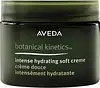 Key Ingredients
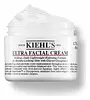
Benefits
Concerns
Ingredients Side-by-side
Water
Skin ConditioningHeptyl Undecylenate
EmollientGlycerin
Humectant


Propanediol
Solvent
Theobroma Grandiflorum Seed Butter
Skin Conditioning

Caprylic/Capric Triglyceride
Masking
Stearic Acid
Cleansing
Elaeis Guineensis Oil
Emollient


Algae Extract
Emollient
Chlorella Vulgaris Extract
Skin ConditioningSalicornia Herbacea Extract
Skin ConditioningCaffeine
Skin Conditioning

Maris Sal
Skin ConditioningLauroyl Lysine
Skin Conditioning
Salicylic Acid
Masking







Hydrolyzed Algin
Sodium Hyaluronate
Humectant

Tocopherol
Antioxidant


Dimethicone
Emollient
Polyglyceryl-10 Pentastearate
Skin Conditioning
Cetyl Alcohol
Emollient
Hydrogenated Lecithin
Emulsifying
Glyceryl Stearate
Emollient
Sodium PCA
Humectant
PEG-100 Stearate
Surfactant
Sodium Stearoyl Lactylate
EmulsifyingBehenyl Alcohol
Emollient
Xanthan Gum
EmulsifyingCaprylyl Glycol
Emollient
Sodium Hydroxide
BufferingParfum
Masking

Farnesol
Perfuming
Linalool
Perfuming
Citronellol
Perfuming
Citral
Perfuming
Limonene
Perfuming
Benzyl Benzoate
Antimicrobial
Geraniol
Perfuming
Sodium Citrate
BufferingPhenoxyethanol
Preservative
Water, Heptyl Undecylenate, Glycerin, Propanediol, Theobroma Grandiflorum Seed Butter, Caprylic/Capric Triglyceride, Stearic Acid, Elaeis Guineensis Oil, Algae Extract, Chlorella Vulgaris Extract, Salicornia Herbacea Extract, Caffeine, Maris Sal, Lauroyl Lysine, Salicylic Acid, Hydrolyzed Algin, Sodium Hyaluronate, Tocopherol, Dimethicone, Polyglyceryl-10 Pentastearate, Cetyl Alcohol, Hydrogenated Lecithin, Glyceryl Stearate, Sodium PCA, PEG-100 Stearate, Sodium Stearoyl Lactylate, Behenyl Alcohol, Xanthan Gum, Caprylyl Glycol, Sodium Hydroxide, Parfum, Farnesol, Linalool, Citronellol, Citral, Limonene, Benzyl Benzoate, Geraniol, Sodium Citrate, Phenoxyethanol
Water
Skin ConditioningGlycerin
Humectant
Cyclohexasiloxane
Emollient
Squalane
Emollient
Bis-PEG-18 Methyl Ether Dimethyl Silane
EmollientSucrose Stearate
EmollientStearyl Alcohol
Emollient
PEG-8 Stearate
Emulsifying
Myristyl Myristate
Emollient
Pentaerythrityl Tetraethylhexanoate
Emollient
Prunus Armeniaca Kernel Oil
Masking
Phenoxyethanol
Preservative
Persea Gratissima Oil
Skin Conditioning
Glyceryl Stearate
Emollient
Cetyl Alcohol
Emollient
Oryza Sativa Bran Oil
Emollient
Olea Europaea Fruit Oil
Masking
Chlorphenesin
Antimicrobial
Stearic Acid
Cleansing
Palmitic Acid
Emollient
Disodium EDTA
Acrylates/C10-30 Alkyl Acrylate Crosspolymer
Emulsion StabilisingCarbomer
Emulsion StabilisingPrunus Amygdalus Dulcis Oil
Skin Conditioning
Xanthan Gum
EmulsifyingEthylhexylglycerin
Skin ConditioningSodium Hydroxide
BufferingTocopherol
Antioxidant
Glycine Soja Oil
Emollient
Pseudoalteromonas Ferment Extract
Humectant
Myristic Acid
Cleansing
Hydroxypalmitoyl Sphinganine
Skin Conditioning
BHT
Antioxidant
Salicylic Acid
Masking
Citric Acid
Buffering
Water, Glycerin, Cyclohexasiloxane, Squalane, Bis-PEG-18 Methyl Ether Dimethyl Silane, Sucrose Stearate, Stearyl Alcohol, PEG-8 Stearate, Myristyl Myristate, Pentaerythrityl Tetraethylhexanoate, Prunus Armeniaca Kernel Oil, Phenoxyethanol, Persea Gratissima Oil, Glyceryl Stearate, Cetyl Alcohol, Oryza Sativa Bran Oil, Olea Europaea Fruit Oil, Chlorphenesin, Stearic Acid, Palmitic Acid, Disodium EDTA, Acrylates/C10-30 Alkyl Acrylate Crosspolymer, Carbomer, Prunus Amygdalus Dulcis Oil, Xanthan Gum, Ethylhexylglycerin, Sodium Hydroxide, Tocopherol, Glycine Soja Oil, Pseudoalteromonas Ferment Extract, Myristic Acid, Hydroxypalmitoyl Sphinganine, BHT, Salicylic Acid, Citric Acid
Reviews
Ingredients Explained
These ingredients are found in both products.
Ingredients higher up in an ingredient list are typically present in a larger amount.
Cetyl Alcohol is a fatty alcohol. Fatty Alcohols are most often used as an emollient or to thicken a product.
Its main roles are:
Though it has "alcohol" in the name, it is not related to denatured alcohol or ethyl alcohol.
The FDA allows products labeled "alcohol-free" to have fatty alcohols.
This ingredient may not be fungal acne safe. It is a primary fatty alcohol with a chain length above 12 carbons. A study from 2019 show Malassezia can feed on fatty alcohols in this range, so it may trigger fungal acne in those prone to it.
Learn more about Cetyl AlcoholGlycerin (or glycerol) is a compound naturally found in your skin. It's a powerhouse humectant that pulls water into the stratum corneum.
Topically, glycerin does several things at once:
Your skin makes glycerin on its own (mostly from sebaceous oil breakdown) and shuttles it to your outermost layer of skin, or your epidermis, via aquaporin-3.
Aquaporin-3 is a transporter that is essential for normal skin hydration, elasticity, and repair. Interestingly, mice lacking in AQP3 have dry and less elastic skin that can be fully corrected with glycerin.
This ingredient is non-irritating, plays well with almost every ingredient, and works across all skin types. Typical use is anywhere between 3-10% but can go up to 79% in some leave-on products.
Just know very high concentrations (>40%) can feel tacky in low humidity.
Glycerin is the name for this ingredient in American English. British English uses Glycerol/Glycerine.
Learn more about GlycerinGlyceryl Stearate is made by reacting glycerin with stearic acid (typically sourced from plant oils like palm or coconut). It's an emulsifier, emollient, and mild occlusive.
Emulsifiers help ingredients like oil and water stay mixed so your formula stays nicely blended and uniform in texture.
This ingredient is typically used in concentrations between 1-10%. Studies have found it to be non-sensitizing, non-phototoxic, and non-photoallergenic.
A close cousin of this ingredient is Glyceryl Stearate SE ("self-emulsifying"). This just has a small amount of sodium or potassium stearate added so it can emulsify without a co-emulsifier.
Since this ingredient is an ester of a C18 fatty acid, it may not be fungal acne safe. The Malassezia yeast can potentially metabolize within the C11-C24 range.
Fun fact: The human body also creates Glyceryl Stearate naturally.
Learn more about Glyceryl StearatePhenoxyethanol is one of the most widely used preservatives in skincare (and for good reason!).
It has a large spectrum of antimicrobial activity and especially effective bacteria, yeast, and mold while only having a weak effect on your skin's natural microbiome.
On a cellular level, it disrupts the cell membranes of microbes by poking holes that make the cell leak. This shuts down the chemical reactions the microbe needs to make energy so it can no longer survive.
Another perk of this ingredient is that it stays functional across a wide pH range (3-10).
You'll often see it paired with boosters like Ethylhexylglycerin; one study showed that a 1:9 ratio of Ethylhexylglycerin to Phenoxyethanol damages bacterial membranes as effectively as doubling the Phenoxyethanol concentration on its own.
Typical use concentrations range from 0.3-1% depending on the formula, and this ingredient is capped at 1% int the EU.
Safety-wise, the fear mongering does not hold up to the evidence. The EU's Scientific Committee on Consumer Safety and FDA consider it safe as a preservative at up to 1%, including for children of all ages.
Adverse systemic effects only showed up in animal studies at exposures roughly 200x higher than what people get from cosmetics. And despite its very widespread use, this ingredient is a rare sensitizer and allergic reactions are uncommon.
Learn more about PhenoxyethanolSalicylic Acid (also known as beta hydroxy acid or BHA) is a well-known ingredient for treating skin that struggles with acne and clogged pores. It exfoliates both the skin's surface and deep within the pores to help clear out buildup, control oil, and reduce inflammation.
Unlike AHAs (alpha hydroxy acids), salicylic acid is oil-soluble. This allows it to penetrate into pores which makes it especially effective for treating blackheads and preventing future breakouts.
Salicylic acid is also known for its soothing properties. It has a similar structure to aspirin and can calm inflamed or irritated skin, making it a good option for acne-prone skin that is also sensitive.
Concentrations of 0.5-2% are recognized by the U.S. FDA as an over-the-counter topical acne product.
It can cause irritation and/or dryness if one's skin already has a compromised moisture barrier, so it's best to focus on repairing that before introducing this ingredient into your routine.
While salicylic acid does not increase sun sensitivity, it’s still important to wear sunscreen daily to protect your skin.
If you are looking for the ingredient called BHA or Butylated Hydroxyanisole, click here.
Learn more about Salicylic AcidSodium Hydroxide is also known as lye or caustic soda. It is used to adjust the pH of products; many ingredients require a specific pH to be effective.
In small amounts, sodium hydroxide is considered safe to use. However, large amounts may cause chemical burns due to its high alkaline.
Your skin has a natural pH and acid mantle. This acid mantle helps prevent harmful bacteria from breaking through. The acid mantle also helps keep your skin hydrated.
"Alkaline" refers to a high pH level. A low pH level would be considered acidic.
Learn more about Sodium HydroxideStearic Acid is a fatty acid that is already found in your skin. It's one of the free fatty acids that works alongside ceramides and cholesterols to maintain your barrier.
In cosmetics, it is a multitasker:
Safety-wise, the CIR Expert Panel has concluded it to be safe in cosmetics when formulated to be non-irritating and non-sensitizing.
Free stearic acid is a C18 fatty acid that the Malassezia yeast can substrate, so this ingredient may not be fungal acne safe.
Learn more about Stearic AcidTocopherol is a fat-soluble antioxidant known as Vitamin E.
You'll find this ingredient in the vast majority of skincare (for good reason). It works to neutralize free radicals, or unstable molecules generated by UV exposure, pollution, and other environmental stressors, before they can cause oxidative damage to your skin cells.
Topically applied tocopherol has been shown to protect against UV damage by ramping up the skin's own natural defense enzymes.
It also acts as a skin conditioning agent; some studies show that regular topical use can improve the skin's water-binding capacity over 2-4 weeks.
This ingredient is especially loved for being a team player. When combined with Vitamin C, the photoprotective effect of both ingredients roughly doubles and the combo also helps reduce UV-induced DNA damage.
This ingredient has some brightening potential but it's more of a prevention ingredient than spot-fader. Cell studies show it can slow down melanin production but it's worth noting that it's not the most powerful brightener out there.
In formulations, it also serves as a stabilizer that helps protect other oxidation-prone ingredients from degrading.
Concentrations usually range from 0.1-1% in most leave-on products.
Learn more about TocopherolWater. It's the most common cosmetic ingredient of all. You'll usually see it at the top of ingredient lists, meaning that it makes up the largest part of the product.
So why is it so popular? Water most often acts as a solvent - this means that it helps dissolve other ingredients into the formulation.
You'll also recognize water as that liquid we all need to stay alive. If you see this, drink a glass of water. Remember to stay hydrated!
Learn more about WaterXanthan gum is used as a stabilizer and thickener within cosmetic products. It helps give products a sticky, thick feeling - preventing them from being too runny.
On the technical side of things, xanthan gum is a polysaccharide - a combination consisting of multiple sugar molecules bonded together.
Xanthan gum is a pretty common and great ingredient. It is a natural, non-toxic, non-irritating ingredient that is also commonly used in food products.
Learn more about Xanthan Gum

