Asterwood Naturals Dark Spot Corrector Serum Versus Naturium Multi-Bright Tranexamic Acid Treatment 5%
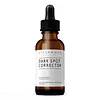
This brightening serum is formulated around Niacinamide and Acetyl Glucosamine to fade the look of dark spots and brighten dull-looking skin.
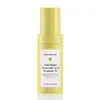
This brightening emulsion is formulated around Tranexamic Acid and Kojic Acid to fade the look of dark spots and brighten dull-looking skin.

What's inside
What's inside
 Key Ingredients
Benefits
Concerns
Ingredients Side-by-side
Water
Skin ConditioningNiacinamide
Smoothing











Sodium Hyaluronate
Humectant

Propanediol
Solvent
Acetyl Glucosamine
Skin Conditioning
Tranexamic Acid
Astringent
Gluconolactone
Chelating
Sodium Benzoate
Masking
Sodium Hydroxide
BufferingKojic Acid
Antioxidant

Glycolic Acid
Buffering



Hydroxyphenoxy Propionic Acid
Skin ConditioningCurcuma Longa Root Extract
Antioxidant
Glycerin
Humectant
Xanthan Gum
EmulsifyingSalicylic Acid
Masking


Tetrasodium Glutamate Diacetate
ChelatingWater
Skin ConditioningButylene Glycol
Humectant
C12-15 Alkyl Benzoate
AntimicrobialTranexamic Acid
Astringent
Caprylic/Capric Triglyceride
Masking
Propanediol
Solvent
Kaolin
Abrasive
Cetearyl Alcohol
Emollient



Glycerin
Humectant
Isostearyl Alcohol
Emollient
C13-15 Alkane
SolventMyrica Cerifera Fruit Wax
EmollientEthylhexyl Olivate
Skin Conditioning
Butylene Glycol Cocoate
Emulsifying
Kojic Acid
Antioxidant
Alpha-Arbutin
Antioxidant
Acetyl Glucosamine
Skin Conditioning
Allantoin
Skin Conditioning
Coco-Caprylate/Caprate
Emollient
Squalane
Emollient
Evodia Rutaecarpa Fruit Extract
Skin ConditioningTriheptanoin
Skin ConditioningCitric Acid
Buffering
Hydroxyacetophenone
Antioxidant
Carbomer
Emulsion StabilisingCaprylyl Glycol
Emollient
1,2-Hexanediol
Skin Conditioning
C9-12 Alkane
SolventDilinoleic Acid/Butanediol Copolymer
Tremella Fuciformis Sporocarp Extract
Antioxidant
Helianthus Annuus Seed Oil
Emollient
Rosmarinus Officinalis Leaf Extract
AntimicrobialXanthan Gum
EmulsifyingBetaine
Humectant
Sorbitol
Humectant
Ethylcellulose
Lecithin
Emollient
Rubus Idaeus Fruit Extract
AstringentSodium Hydroxide
BufferingSodium Phytate
ChelatingEctoin
Skin Conditioning
Phenoxyethanol
Preservative
Castor Oil/Ipdi Copolymer
Potassium Sorbate
Preservative
Glyceryl Caprylate
EmollientWater, Butylene Glycol, C12-15 Alkyl Benzoate, Tranexamic Acid, Caprylic/Capric Triglyceride, Propanediol, Kaolin, Cetearyl Alcohol, Glycerin, Isostearyl Alcohol, C13-15 Alkane, Myrica Cerifera Fruit Wax, Ethylhexyl Olivate, Butylene Glycol Cocoate, Kojic Acid, Alpha-Arbutin, Acetyl Glucosamine, Allantoin, Coco-Caprylate/Caprate, Squalane, Evodia Rutaecarpa Fruit Extract, Triheptanoin, Citric Acid, Hydroxyacetophenone, Carbomer, Caprylyl Glycol, 1,2-Hexanediol, C9-12 Alkane, Dilinoleic Acid/Butanediol Copolymer, Tremella Fuciformis Sporocarp Extract, Helianthus Annuus Seed Oil, Rosmarinus Officinalis Leaf Extract, Xanthan Gum, Betaine, Sorbitol, Ethylcellulose, Lecithin, Rubus Idaeus Fruit Extract, Sodium Hydroxide, Sodium Phytate, Ectoin, Phenoxyethanol, Castor Oil/Ipdi Copolymer, Potassium Sorbate, Glyceryl Caprylate
Reviews
Ingredients Explained
These ingredients are found in both products.
Ingredients higher up in an ingredient list are typically present in a larger amount.
Acetyl Glucosamine is an antioxidant and humectant. It is an amino acid sugar and is naturally found in our skin.
The cool thing about this ingredient? It helps the skin produce hyaluronic acid and boost hydration. It also has antioxidant benefits to protect skin cells.
When paired with niacinamide, Acetyl Glucosamine has been shown to be effective at reducing discoloration.
Learn more about Acetyl GlucosamineGlycerin (or glycerol) is a compound naturally found in your skin. It's a powerhouse humectant that pulls water into the stratum corneum.
Topically, glycerin does several things at once:
Your skin makes glycerin on its own (mostly from sebaceous oil breakdown) and shuttles it to your outermost layer of skin, or your epidermis, via aquaporin-3.
Aquaporin-3 is a transporter that is essential for normal skin hydration, elasticity, and repair. Interestingly, mice lacking in AQP3 have dry and less elastic skin that can be fully corrected with glycerin.
This ingredient is non-irritating, plays well with almost every ingredient, and works across all skin types. Typical use is anywhere between 3-10% but can go up to 79% in some leave-on products.
Just know very high concentrations (>40%) can feel tacky in low humidity.
Glycerin is the name for this ingredient in American English. British English uses Glycerol/Glycerine.
Learn more about GlycerinKojic Acid is a naturally occurring organic acid that is produced during the fermentation of certain fungi. It is one of the most well-studied brightening ingredients (tyrosinase inhibitors) out there.
That's why you'll see Kojic Acid in products that target dark spots, hyperpigmentation, and general uneven skin tone. It also pairs well with other brightening actives like Alpha Arbutin, Glycolic Acid, and Vitamin C derivatives.
By latching onto the copper that the enzyme tyrosinase needs to function, Kojic Acid prevents less pigment from being made. It's so well-established that researchers regularly use it as the go-to benchmark when testing new brightening ingredients.
Some other perks include documented antioxidant and antimicrobial properties. The The CIR (Cosmetic Ingredient Review) Expert Panel concluded Kojic Acid is safe for use in cosmetic products at concentrations up to 1% and the EU's SCCS (Scientific Committee on Consumer Safety) considers it safe as a skin lightening agent at concentrations up to 0.7%.
One thing to know about Kojic Acid is that stability is its weak spot; it is sensitive to light, heat, and air exposure and will oxidize/turn brown in formulations. Its derivative, Kojic Dipalmitate, was developed as a stable alternative.
Some individuals have reported contact sensitization so be sure to patch test if you have reactive or sensitive skin.
Fun fact: It was first discovered in 1907 and naturally occurs in the production of sake, soy sauce, and miso.
Learn more about Kojic AcidPropanediol is an all-star ingredient. It softens, hydrates, and smooths the skin.
It’s often used to:
Propanediol is not likely to cause sensitivity and considered safe to use. It is derived from corn or petroleum with a clear color and no scent.
Learn more about PropanediolSodium Hydroxide is also known as lye or caustic soda. It is used to adjust the pH of products; many ingredients require a specific pH to be effective.
In small amounts, sodium hydroxide is considered safe to use. However, large amounts may cause chemical burns due to its high alkaline.
Your skin has a natural pH and acid mantle. This acid mantle helps prevent harmful bacteria from breaking through. The acid mantle also helps keep your skin hydrated.
"Alkaline" refers to a high pH level. A low pH level would be considered acidic.
Learn more about Sodium HydroxideTranexamic Acid (TXA) is a synthetic lysine derivative that is becoming one of the most exciting brightening ingredients in skincare.
Originally used in medicine as an anti-hemorrhagic agent, its skin brightening potential was discovered by accident; patients taking it orally started noticing their melasma was fading.
Unlike most brighteners that target tyrosinase (the enzyme that synthesizes melanin), TXA works further upstream. It basically blocks your cells from receiving the signal to produce pigment.
This makes it one of the rare actives that works on three pathways at once:
This makes it effective for treating melasma, post-inflammatory hyperpigmentation (PIH), and sun-induced dark spots.
The most effective cosmetic concentration sits between 2-5% and going higher doesn't boost results.
Side effects are generally mild; occasional irritation, flaking, or dryness have been reported at the start of use. Overall, this ingredient is pretty well tolerated, even by sensitive skin types.
Another perk of this ingredient is that it does not cause photosensitivity, so it's safe to use in the AM and PM.
"Does it actually penetrate?" is the part that gets argued about online and the honest answer from research + clinical trials at this time is "yes, but not easily."
TXA is a small molecule that loves water and carries both a positive and negative charge at the same time. Skin's outer layer is oily so a water-loving molecule like this has a hard time getting through it. Liu et al. 2021 showed that it doesn't really stick around well in the deeper layer where pigment-making cells actually live.
A 2025 paper puts it simply: penetration is poor and it depends heavily on how the product is formulated (Winn et al., J Cosmet Dermatol).
But "poor" isn't "none" and the research is fairly clear that topical TXA does something. A 2026 review that pooled results from multiple studies found it helped with moderate melasma but it didn't outperform hydroquinone. Some individual studies at 3% and 5% went head to head with hydroquinone and help up well.
So the fair takeaway is that it works, it's just slower and fussier about formulation than other actives (how the serum is built matters a lot).
There's real evidence here and it's not just clinic marketing. Reviews of microneedling plus TXA report less pigmentation, less melanin, and less redness (Zhang et al., Chinese Journal of Plastic and Reconstructive Surgery, 2024).
The most useful study compared 42 patients getting microneedling plus TXA against microneedling on its own; the group that got the acid saw much bigger improvement. This suggests the acid is pulling its weight and the needling isn't doing all the work.
Just two things worth flagging here:
Oral TXA also works well for melasma and gets used in clinics. However, it is a systemic drug with clotting-related risks and needs a prescription. Injections into the skin have also been studied with good results.
Neither is something a cosmetic product can do, but they help explain why so much attention goes into getting the topical version right.
Learn more about Tranexamic AcidWater. It's the most common cosmetic ingredient of all. You'll usually see it at the top of ingredient lists, meaning that it makes up the largest part of the product.
So why is it so popular? Water most often acts as a solvent - this means that it helps dissolve other ingredients into the formulation.
You'll also recognize water as that liquid we all need to stay alive. If you see this, drink a glass of water. Remember to stay hydrated!
Learn more about WaterXanthan gum is used as a stabilizer and thickener within cosmetic products. It helps give products a sticky, thick feeling - preventing them from being too runny.
On the technical side of things, xanthan gum is a polysaccharide - a combination consisting of multiple sugar molecules bonded together.
Xanthan gum is a pretty common and great ingredient. It is a natural, non-toxic, non-irritating ingredient that is also commonly used in food products.
Learn more about Xanthan Gum

