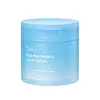
This calming toner pad uses a pre-saturated pad with Panthenol and Ectoin to calm redness and strengthen the skin barrier.
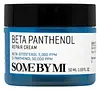
This barrier-repair moisturizer is formulated around Panthenol and Beta-Sitosterol to strengthen the skin barrier and calm redness.

What's inside
What's inside
 Key Ingredients
Benefits
Concerns
Ingredients Side-by-side
Water
Skin ConditioningButylene Glycol
Humectant

1,2-Hexanediol
Skin Conditioning
Betaine
Humectant
Panthenol
Skin Conditioning

Hydroxyethyl Acrylate/Sodium Acryloyldimethyl Taurate Copolymer
Emulsion StabilisingAllantoin
Skin Conditioning
Ectoin
Skin Conditioning

Centella Asiatica Extract
Cleansing
Ethylhexylglycerin
Skin ConditioningXanthan Gum
EmulsifyingDisodium EDTA
ChelatingSorbitan Isostearate
Emulsifying

Citric Acid
Buffering

Opuntia Ficus-Indica Stem Extract
Skin Conditioning
Water
Skin ConditioningPanthenol
Skin Conditioning
Dipropylene Glycol
HumectantPropanediol
Solvent
Methylpropanediol
SolventBetaine
Humectant
Octyldodecanol
Emollient
1,2-Hexanediol
Skin Conditioning
Candida Bombicola/Glucose/Methyl Rapeseedate Ferment
AntimicrobialPalmitic Acid
Emollient


Hydroxyethyl Acrylate/Sodium Acryloyldimethyl Taurate Copolymer
Emulsion StabilisingGlycerin
Humectant
Stearic Acid
Cleansing
Beta-Sitosterol 0.5%
Emulsion Stabilising
Squalane
Emollient
Vinyldimethicone

Ammonium Acryloyldimethyltaurate/Vp Copolymer
Jojoba Esters
Emollient
Glyceryl Stearate
Emollient
Stearyl Alcohol
Emollient
Cetyl Alcohol
Emollient
Polymethylsilsesquioxane
Phytosterols
Skin Conditioning
Helianthus Annuus Seed Wax
Skin Conditioning
Sodium Stearoyl Glutamate
CleansingEthylhexylglycerin
Skin ConditioningHelianthus Annuus Seed Oil
Emollient
Hydroxyethylcellulose
Emulsion StabilisingXanthan Gum
EmulsifyingDipotassium Glycyrrhizate
Humectant
Hydrogenated Lecithin
Emulsifying
Sorbitan Isostearate
Emulsifying
Sorbitan Olivate
Emulsifying
Adenosine
Skin Conditioning
Cetearyl Olivate
Citric Acid
Buffering
Musa Sapientum Fruit Extract
Skin ConditioningRosa Damascena Flower Water
Masking
Sodium Phytate
ChelatingPyrus Communis Fruit Extract
Skin ConditioningBiosaccharide Gum-1
Humectant
Prunus Domestica Fruit Extract
MoisturisingCucumis Melo Fruit Extract
Skin ConditioningCarthamus Tinctorius Seed Oil
Masking
Butyrospermum Parkii Butter
Skin Conditioning
Polyglycerin-3
Humectant
Butylene Glycol
Humectant
Hedera Helix Leaf/Stem Extract
AntimicrobialDisodium Phosphate
BufferingSodium Phosphate
BufferingTocopherol
Antioxidant


Lactococcus Ferment Lysate
Skin Conditioning
Bifida Ferment Lysate
Skin Conditioning
Acetyl Hexapeptide-8
Humectant
Lactobacillus Ferment Lysate
Skin Conditioning
Copper Tripeptide-1
Skin Conditioning
Palmitoyl Tripeptide-5
Skin Conditioning
Palmitoyl Tripeptide-1
Skin Conditioning
Palmitoyl Pentapeptide-4
Skin Conditioning
Nonapeptide-1
Skin Conditioning
Carnosine
Skin Conditioning
Acetyl Tetrapeptide-9
Skin Conditioning
Acetyl Tetrapeptide-5
Humectant
Acetyl Tetrapeptide-2
Skin Conditioning
Acetyl Octapeptide-3
Humectant
Acetyl Tetrapeptide-3
Skin Protecting
Water, Panthenol, Dipropylene Glycol, Propanediol, Methylpropanediol, Betaine, Octyldodecanol, 1,2-Hexanediol, Candida Bombicola/Glucose/Methyl Rapeseedate Ferment, Palmitic Acid, Hydroxyethyl Acrylate/Sodium Acryloyldimethyl Taurate Copolymer, Glycerin, Stearic Acid, Beta-Sitosterol 0.5%, Squalane, Vinyldimethicone, Ammonium Acryloyldimethyltaurate/Vp Copolymer, Jojoba Esters, Glyceryl Stearate, Stearyl Alcohol, Cetyl Alcohol, Polymethylsilsesquioxane, Phytosterols, Helianthus Annuus Seed Wax, Sodium Stearoyl Glutamate, Ethylhexylglycerin, Helianthus Annuus Seed Oil, Hydroxyethylcellulose, Xanthan Gum, Dipotassium Glycyrrhizate, Hydrogenated Lecithin, Sorbitan Isostearate, Sorbitan Olivate, Adenosine, Cetearyl Olivate, Citric Acid, Musa Sapientum Fruit Extract, Rosa Damascena Flower Water, Sodium Phytate, Pyrus Communis Fruit Extract, Biosaccharide Gum-1, Prunus Domestica Fruit Extract, Cucumis Melo Fruit Extract, Carthamus Tinctorius Seed Oil, Butyrospermum Parkii Butter, Polyglycerin-3, Butylene Glycol, Hedera Helix Leaf/Stem Extract, Disodium Phosphate, Sodium Phosphate, Tocopherol, Lactococcus Ferment Lysate, Bifida Ferment Lysate, Acetyl Hexapeptide-8, Lactobacillus Ferment Lysate, Copper Tripeptide-1, Palmitoyl Tripeptide-5, Palmitoyl Tripeptide-1, Palmitoyl Pentapeptide-4, Nonapeptide-1, Carnosine, Acetyl Tetrapeptide-9, Acetyl Tetrapeptide-5, Acetyl Tetrapeptide-2, Acetyl Octapeptide-3, Acetyl Tetrapeptide-3
Reviews
Ingredients Explained
These ingredients are found in both products.
Ingredients higher up in an ingredient list are typically present in a larger amount.
1,2-Hexanediol is a synthetic liquid and another multi-functional powerhouse.
It is a:
- Humectant, drawing moisture into the skin
- Emollient, helping to soften skin
- Solvent, dispersing and stabilizing formulas
- Preservative booster, enhancing the antimicrobial activity of other preservatives
Betaine is a humectant. Like hyaluronic acid, it helps attract and retain moisture in the skin. It’s known for being gentle and for helping the skin maintain balanced hydration.
Betaine is mainly used to improve hydration and support calmer skin. It helps skin cells regulate water balance because it functions as an osmolyte.
Some studies suggest betaine may support making skin tone more even.
Fun fact: Betaine naturally exists in the skin and the body. In cosmetic products, it can be either plant-derived (most commonly from sugar beets) or synthetically produced for consistency and stability.
Betaine is also known as trimethylglycine.
Learn more about BetaineButylene Glycol (or BG) is used within cosmetic products for a few different reasons:
Overall, Butylene Glycol is a safe and well-rounded ingredient that works well with other ingredients.
Though this ingredient works well with most skin types, some people with sensitive skin may experience a reaction such as allergic rashes, closed comedones, or itchiness.
Learn more about Butylene GlycolCitric Acid is an alpha hydroxy acid (AHA) naturally found in citrus fruits like oranges, lemons, and limes.
Like other AHAs, citric acid can exfoliate skin by breaking down the bonds that hold dead skin cells together. This helps reveal smoother and brighter skin underneath.
However, this exfoliating effect only happens at high concentrations (20%) which can be hard to find in cosmetic products.
Due to this, citric acid is usually included in small amounts as a pH adjuster. This helps keep products slightly more acidic and compatible with skin's natural pH.
In skincare formulas, citric acid can:
While it can provide some skin benefits, research shows lactic acid and glycolic acid are generally more effective and less irritating exfoliants.
Most citric acid used in skincare today is made by fermenting sugars (usually from molasses). This synthetic version is identical to the natural citrus form but easier to stabilize and use in formulations.
Rosacea skin has a lower threshold for acids generally, with 62.5% of rosacea subjects in one study reacting to lactic acid in a sting test. This is why we mark citric acid as a potential rosacea trigger.
However, this ingredient shows up as a pH adjuster or chelator at roughly 0.1-1% in many products. These low levels are unlikely to be an issue for rosacea skin and becomes a potential trigger at exfoliating concentrations (20%). Because everybody's skin is unique, we recommend a patch test if you are unsure.
Learn more about Citric AcidEthylhexylglycerin is created from glycerin. It is a multitasker ingredient that:
The CIR Expert Panel found minimal skin absorption or sensitization of any kind in a safety assessment. Though this ingredient is considered well-tolerated, a small number of cases of allergic dermatitis have been published since 2002. Just be sure to patch test if you are unsure.
Industry-reported use ranges from 8% in rinse-off products and 2% in leave-on formulations.
Learn more about EthylhexylglycerinThis is a synthetic polymer. It helps improve the texture of products by adding thickness and gel-like feel.
It is also an emulsifer, meaning it prevents ingredients such as oil and water from separating. It also helps evenly disperse other ingredients.
Panthenol is a common ingredient that helps hydrate and soothe the skin. It is found naturally in our skin and hair.
There are two forms of panthenol: D and L.
D-panthenol is also known as dexpanthenol. Most cosmetics use dexpanthenol or a mixture of D and L-panthenol.
Panthenol is famous due to its ability to go deeper into the skin's layers. Using this ingredient has numerous pros (and no cons):
Like hyaluronic acid, panthenol is a humectant. Humectants are able to bind and hold large amounts of water to keep skin hydrated.
This ingredient works well for wound healing. It works by increasing tissue in the wound and helps close open wounds.
Once oxidized, panthenol converts to pantothenic acid. Panthothenic acid is found in all living cells.
This ingredient is also referred to as pro-vitamin B5.
Learn more about PanthenolSorbitan Isostearate is an emulsifer. It is created from isostearic acid and sorbitol.
As an emulsifier, it keeps the water and oil ingredients from separating. This keeps formulas stable and smooth.
In a 24 hour occlusive patch test on 56 subjects, 10% sorbitan isostearate was completely non-irritating. Most formulas use less than 10%.
Because it's a fatty acid ester, it may not be fungal acne safe since the Malassezia yeast can utilize it as a nutrient source.
Learn more about Sorbitan IsostearateWater. It's the most common cosmetic ingredient of all. You'll usually see it at the top of ingredient lists, meaning that it makes up the largest part of the product.
So why is it so popular? Water most often acts as a solvent - this means that it helps dissolve other ingredients into the formulation.
You'll also recognize water as that liquid we all need to stay alive. If you see this, drink a glass of water. Remember to stay hydrated!
Learn more about WaterXanthan gum is used as a stabilizer and thickener within cosmetic products. It helps give products a sticky, thick feeling - preventing them from being too runny.
On the technical side of things, xanthan gum is a polysaccharide - a combination consisting of multiple sugar molecules bonded together.
Xanthan gum is a pretty common and great ingredient. It is a natural, non-toxic, non-irritating ingredient that is also commonly used in food products.
Learn more about Xanthan Gum

