
What's inside
What's inside
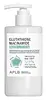 Key Ingredients
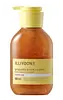
Benefits
Concerns
Ingredients Side-by-side
Water
Skin ConditioningCentella Asiatica Extract 12.3%
Cleansing





Glycerin
Humectant
Cetyl Ethylhexanoate
EmollientCetearyl Alcohol
Emollient






Glyceryl Stearate
Emollient
Glutathione


Niacinamide
Smoothing



Madecassic Acid
Skin Conditioning
Asiaticoside
Antioxidant
Asiatic Acid
Skin Conditioning
Solanum Melongena Fruit Extract
Skin ConditioningMelaleuca Alternifolia Leaf Extract
Perfuming
Hydrolyzed Collagen
Emollient
Beta-Glucan
Skin Conditioning
Hippophae Rhamnoides Fruit Extract
Skin Conditioning
Nelumbo Nucifera Extract
Skin ConditioningArtemisia Annua Extract
Masking
Oryza Sativa Extract
Absorbent
Saccharomyces Ferment
Skin Conditioning
Squalane
Emollient
Sodium Hyaluronate
Humectant
Dipropylene Glycol
HumectantButylene Glycol
Humectant
Hydrogenated Lecithin
Emulsifying
Cholesterol
Emollient
Xanthan Gum
EmulsifyingPotassium Hydroxide
BufferingDisodium EDTA
ChelatingCaprylic/Capric Triglyceride
Masking
Cyclopentasiloxane
Emollient
Cyclohexasiloxane
Emollient
Saccharide Hydrolysate
HumectantSorbitan Stearate
Emulsifying
Dimethicone
Emollient
PEG-100 Stearate
Surfactant
Stearic Acid
Cleansing
1,2-Hexanediol
Skin Conditioning
Chlorphenesin
Antimicrobial
Carbomer
Emulsion StabilisingCaprylyl Glycol
Emollient
Water, Centella Asiatica Extract 12.3%, Glycerin, Cetyl Ethylhexanoate, Cetearyl Alcohol, Glyceryl Stearate, Glutathione, Niacinamide, Madecassic Acid, Asiaticoside, Asiatic Acid, Solanum Melongena Fruit Extract, Melaleuca Alternifolia Leaf Extract, Hydrolyzed Collagen, Beta-Glucan, Hippophae Rhamnoides Fruit Extract, Nelumbo Nucifera Extract, Artemisia Annua Extract, Oryza Sativa Extract, Saccharomyces Ferment, Squalane, Sodium Hyaluronate, Dipropylene Glycol, Butylene Glycol, Hydrogenated Lecithin, Cholesterol, Xanthan Gum, Potassium Hydroxide, Disodium EDTA, Caprylic/Capric Triglyceride, Cyclopentasiloxane, Cyclohexasiloxane, Saccharide Hydrolysate, Sorbitan Stearate, Dimethicone, PEG-100 Stearate, Stearic Acid, 1,2-Hexanediol, Chlorphenesin, Carbomer, Caprylyl Glycol
Water
Skin ConditioningSodium Laureth Sulfate
Cleansing


Ammonium Lauryl Sulfate
Cleansing
Acrylates Copolymer
1,2-Hexanediol
Skin Conditioning
Cocamidopropyl Betaine
Cleansing
Phenoxyethanol
Preservative
Parfum
Masking
Juglans Regia Shell Powder
Abrasive
Potassium Hydroxide
BufferingSodium Benzoate
Masking
Limonene
Perfuming
Caprylyl Glycol
Emollient
Sodium Chloride
MaskingCitric Acid
Buffering
Vitis Vinifera Seed Powder
EmollientEthylhexylglycerin
Skin ConditioningDisodium EDTA
ChelatingLinalool
Perfuming
Hexyl Cinnamal
Perfuming
Butylene Glycol
Humectant
3-O-Ethyl Ascorbic Acid
Skin Conditioning
Caprylic/Capric Triglyceride
Masking
Citrus Junos Peel Extract
Skin ConditioningTocopherol
Antioxidant
Rosa Canina Flower Oil
Emollient
Citrus Aurantium Dulcis Oil
Masking
Lavandula Angustifolia Oil
Masking
Water, Sodium Laureth Sulfate, Ammonium Lauryl Sulfate, Acrylates Copolymer, 1,2-Hexanediol, Cocamidopropyl Betaine, Phenoxyethanol, Parfum, Juglans Regia Shell Powder, Potassium Hydroxide, Sodium Benzoate, Limonene, Caprylyl Glycol, Sodium Chloride, Citric Acid, Vitis Vinifera Seed Powder, Ethylhexylglycerin, Disodium EDTA, Linalool, Hexyl Cinnamal, Butylene Glycol, 3-O-Ethyl Ascorbic Acid, Caprylic/Capric Triglyceride, Citrus Junos Peel Extract, Tocopherol, Rosa Canina Flower Oil, Citrus Aurantium Dulcis Oil, Lavandula Angustifolia Oil
Reviews
Ingredients Explained
These ingredients are found in both products.
Ingredients higher up in an ingredient list are typically present in a larger amount.
1,2-Hexanediol is a synthetic liquid and another multi-functional powerhouse.
It is a:
- Humectant, drawing moisture into the skin
- Emollient, helping to soften skin
- Solvent, dispersing and stabilizing formulas
- Preservative booster, enhancing the antimicrobial activity of other preservatives
Butylene Glycol (or BG) is used within cosmetic products for a few different reasons:
Overall, Butylene Glycol is a safe and well-rounded ingredient that works well with other ingredients.
Though this ingredient works well with most skin types, some people with sensitive skin may experience a reaction such as allergic rashes, closed comedones, or itchiness.
Learn more about Butylene GlycolCaprylic/Capric Triglyceride (aka MCT Oil) is a lightweight emollient, solvent, and texture enhancer. It is considered a skin-softener by helping to prevent moisture loss.
Though it behaves like an oil, it is not technically one due to its chemical composition. One perk of this ingredient is that it is very stable, resistant to oxidation, and unlikely to go rancid.
In practice, that translates to a long shelf life and a consistently elegant skin feel.
While there is an assumption Caprylic Triglyceride can clog pores due to it being derived from coconut oil, there is no research supporting this. Just patch test if you have concerns.
Fractionated coconut oil and MCT Oil are both listed as Caprylic/Capric Triglyceride according to INCI. This is because INCI names are based on the ingredient’s final chemical composition and not its marketing name or source.
This ingredient is treated as the gold standard fungal acne safe oil. Even though it is coconut derived, the problematic lauric acid is stripped out.
This leaves just caprylic (C8) and capric (C10) acid. These chain lengths actually trend antifungal; a 2020 study found caprylic acid was enough to disrupt Malassezia furfur cell membrane, with a caprylic acid derivative damaging membrane structures at concentrations as low as 0.2%.
Learn more about Caprylic/Capric TriglycerideCaprylyl Glycol is a humectant, skin conditioner, emollient, and preservative booster derived from either caprylic acid or synthetically created.
Typical use levels vary from 0.3-1% as a preservative booster and go up to 2% to condition skin.
Because it is not a free-fatty acid, this ingredient is fungal acne safe (there's nothing for Malassezia to feed on).
Learn more about Caprylyl GlycolDisodium EDTA is a chelating agent. It grabs onto and deactivates metal ions that sneak into your products from water, packaging, or air.
This ingredient mainly works behind the scenes and helps with:
On top of that, this ingredient can counteract the effects of hard water by binding to the minerals in it.
One thing worth knowing is that Disodium EDTA has been shown to be a mild penetration enhancer. It can help other ingredients absorb into skin more effectively which can be a double-edged sword (great for actives, but can also make the active too strong if you have sensitive skin).
Clinical patch testing showed no significant skin irritation at typical use concentrations and minimal dermal absorption.
You'll most likely see this ingredient near the end of an ingredient list. It's typically found in concentrations less than 1%.
Learn more about Disodium EDTAPotassium Hydroxide (also known as potash) is a strong alkaline ingredient that does one job: it nudges a product's pH up so the whole formula lands in a skin-friendly range.
It's also the base that turns oils into liquid soap during the soap making process.
An expert safety panel reviewed it and found it safe when formulations are made to be non-irritating.
As a pH adjuster, it's typically used well under 1% though regulatory caps go much higher: 5% in nail cuticle removers and 2-4.5% in hair straighteners.
Though there is some concern for irritation from raw or high pH material, a well-balanced formula will be a non-issue for the vast majority of people.
Learn more about Potassium HydroxideWater. It's the most common cosmetic ingredient of all. You'll usually see it at the top of ingredient lists, meaning that it makes up the largest part of the product.
So why is it so popular? Water most often acts as a solvent - this means that it helps dissolve other ingredients into the formulation.
You'll also recognize water as that liquid we all need to stay alive. If you see this, drink a glass of water. Remember to stay hydrated!
Learn more about Water

