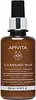
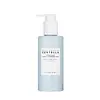
Apivita Natural Cosmetics 3 In 1 Cleansing Milk Face & Eyes Chamomile And Honey Versus SKIN1004 Madagascar Centella Hyalu-Cica Gentle Cleansing Milk
This mild cream cleanser is made to cleanse while calming and soothing your skin.
This mild cream makeup remover is made to dissolve makeup, sunscreen, and daily buildup.


What's inside
What's inside
 Key Ingredients
Benefits
Concerns
Ingredients Side-by-side
Water
Skin ConditioningGlycerin
Humectant


Cetearyl Alcohol
Emollient






Propanediol
Solvent
Olea Europaea Fruit Oil
Masking

Prunus Amygdalus Dulcis Oil
Skin Conditioning
Ethylhexyl Palmitate
Emollient
Olus Oil
Emollient
Cetyl Esters
Emollient
Propolis Extract
Skin Conditioning



Chamomilla Recutita Flower Extract
Masking
Lavandula Angustifolia Flower Extract
Cleansing

Rosa Canina Fruit Extract
Astringent
Magnolia Officinalis Bark Extract
Antimicrobial
Mel
EmollientPanthenol
Skin Conditioning
Helianthus Annuus Seed Oil
Emollient
Tocopherol
Antioxidant



Ethylhexylglycerin
Skin ConditioningCetyl Hydroxyethylcellulose
Emulsion StabilisingGlyceryl Oleate
Emollient
Lauryl Glucoside
CleansingTetrasodium Glutamate Diacetate
ChelatingHydroxyacetophenone
Antioxidant
Acrylates/C10-30 Alkyl Acrylate Crosspolymer
Emulsion StabilisingPolyglyceryl-2 Dipolyhydroxystearate
Skin Conditioning
Xanthan Gum
EmulsifyingDicaprylyl Carbonate
EmollientSodium Hydroxide
BufferingParfum
Masking
Benzyl Salicylate
Perfuming
Alpha-Isomethyl Ionone
Perfuming
Citronellol
Perfuming
Linalool
Perfuming
Hexyl Cinnamal
Perfuming
Rosa Canina Fruit
Astringent
Water, Glycerin, Cetearyl Alcohol, Propanediol, Olea Europaea Fruit Oil, Prunus Amygdalus Dulcis Oil, Ethylhexyl Palmitate, Olus Oil, Cetyl Esters, Propolis Extract, Chamomilla Recutita Flower Extract, Lavandula Angustifolia Flower Extract, Rosa Canina Fruit Extract, Magnolia Officinalis Bark Extract, Mel, Panthenol, Helianthus Annuus Seed Oil, Tocopherol, Ethylhexylglycerin, Cetyl Hydroxyethylcellulose, Glyceryl Oleate, Lauryl Glucoside, Tetrasodium Glutamate Diacetate, Hydroxyacetophenone, Acrylates/C10-30 Alkyl Acrylate Crosspolymer, Polyglyceryl-2 Dipolyhydroxystearate, Xanthan Gum, Dicaprylyl Carbonate, Sodium Hydroxide, Parfum, Benzyl Salicylate, Alpha-Isomethyl Ionone, Citronellol, Linalool, Hexyl Cinnamal, Rosa Canina Fruit
Water
Skin ConditioningEthylhexyl Stearate
Emollient
Ethylhexyl Palmitate
Emollient
Propanediol
Solvent
Dicaprylyl Ether
Emollient
Polyglyceryl-6 Stearate
Emollient
Glycerin
Humectant
Methylpropanediol
SolventPentylene Glycol
Skin Conditioning
1,2-Hexanediol
Skin Conditioning
Panthenol
Skin Conditioning
Polyacrylate Crosspolymer-6
Emulsion StabilisingAcrylates/C10-30 Alkyl Acrylate Crosspolymer
Emulsion StabilisingCentella Asiatica Extract
Cleansing
Polyglyceryl-6 Behenate
Emulsion Stabilising
Musa Sapientum Flower Extract
Skin ConditioningRosa Damascena Flower Water
Masking
Butylene Glycol
Humectant
Allantoin
Skin Conditioning
Ectoin
Skin Conditioning
Xanthan Gum
EmulsifyingPyrus Communis Fruit Extract
Skin ConditioningSodium Dilauramidoglutamide Lysine
HumectantPrunus Domestica Fruit Extract
MoisturisingTocopherol
Antioxidant
Ethylhexylglycerin
Skin ConditioningCucumis Melo Fruit Extract
Skin ConditioningAminomethyl Propanediol
BufferingCitric Acid
Buffering
Hedera Helix Leaf/Stem Extract
AntimicrobialSodium Phytate
ChelatingCandida Bombicola/Glucose/Methyl Rapeseedate Ferment
AntimicrobialCynanchum Atratum Extract
Skin ConditioningMacadamia Ternifolia Seed Oil
Emollient
Althaea Rosea Flower Extract
Skin ConditioningHydrolyzed Vegetable Protein
Skin ConditioningMaltodextrin
Absorbent
Sodium Cocoyl Apple Amino Acids
Foam Boosting
Hydrolyzed Sodium Hyaluronate
Skin Conditioning
Moringa Oleifera Seed Oil
Emollient
Beta-Glucan
Skin Conditioning
Hexylene Glycol
EmulsifyingCeramide NP
Skin Conditioning
Phytosphingosine
Skin Conditioning
Hydrogenated Lecithin
Emulsifying
Tetrasodium Glutamate Diacetate
ChelatingWater, Ethylhexyl Stearate, Ethylhexyl Palmitate, Propanediol, Dicaprylyl Ether, Polyglyceryl-6 Stearate, Glycerin, Methylpropanediol, Pentylene Glycol, 1,2-Hexanediol, Panthenol, Polyacrylate Crosspolymer-6, Acrylates/C10-30 Alkyl Acrylate Crosspolymer, Centella Asiatica Extract, Polyglyceryl-6 Behenate, Musa Sapientum Flower Extract, Rosa Damascena Flower Water, Butylene Glycol, Allantoin, Ectoin, Xanthan Gum, Pyrus Communis Fruit Extract, Sodium Dilauramidoglutamide Lysine, Prunus Domestica Fruit Extract, Tocopherol, Ethylhexylglycerin, Cucumis Melo Fruit Extract, Aminomethyl Propanediol, Citric Acid, Hedera Helix Leaf/Stem Extract, Sodium Phytate, Candida Bombicola/Glucose/Methyl Rapeseedate Ferment, Cynanchum Atratum Extract, Macadamia Ternifolia Seed Oil, Althaea Rosea Flower Extract, Hydrolyzed Vegetable Protein, Maltodextrin, Sodium Cocoyl Apple Amino Acids, Hydrolyzed Sodium Hyaluronate, Moringa Oleifera Seed Oil, Beta-Glucan, Hexylene Glycol, Ceramide NP, Phytosphingosine, Hydrogenated Lecithin, Tetrasodium Glutamate Diacetate
Reviews
Ingredients Explained
These ingredients are found in both products.
Ingredients higher up in an ingredient list are typically present in a larger amount.
Acrylates/C10-30 Alkyl Acrylate Crosspolymer is a synthetic polymer. It is used to thicken, emulsify, and improve the texture of products.
As an emulsifier, it helps stabilize oil-in-water emulsions to give products an elegant feel when applied.
It can also form a thin protective film on skin. One study found that a formula using this polymer helped slow down how quickly other ingredients (like DEET) were absorbed through skin.
A 2024 study of over 1,300 patients confirmed that sensitization to this ingredient is rare. It is also non-mutagenic and has a clean track record.
Learn more about Acrylates/C10-30 Alkyl Acrylate CrosspolymerEthylhexyl Palmitate, also known as octyl palmitate, is created from 2-ethylhexyl alcohol and palmitic acid.
In cosmetics, it plays many roles:
One thing worth noting: a controlled study found this ingredient applied under occlusion to acne-prone subjects increased microcomedones. Just keep in mind this was under occlusive conditions and don't reflect how most products are used day-to-day.
For most people, this is a well-tolerated and lightweight ingredient.
This ingredient may not be fungal acne safe because it is an ester of palmitic acid, a C16 fatty acid that falls within the C11-24 range that Malassezia can metabolize.
You'll see this one rated 4 comedogenic all over the internet. That number isn't from a single study, and the actual research is more interesting.
The original rating comes from 1980s rabbit ear tests (which are a shaky basis for anything). But Ethylhexyl Palmitate is one of the few ingredients with real human data behind it. A 2021 controlled trial found this ingredient increased microcomedones by an average of 365% over four weeks.
Just know that test used the pure ingredient under an occlusive pad on back skin; most products use it at much lower levels alongside other ingredients and plenty of people use those with no issue.
Learn more about Ethylhexyl PalmitateEthylhexylglycerin is created from glycerin. It is a multitasker ingredient that:
The CIR Expert Panel found minimal skin absorption or sensitization of any kind in a safety assessment. Though this ingredient is considered well-tolerated, a small number of cases of allergic dermatitis have been published since 2002. Just be sure to patch test if you are unsure.
Industry-reported use ranges from 8% in rinse-off products and 2% in leave-on formulations.
Learn more about EthylhexylglycerinGlycerin (or glycerol) is a compound naturally found in your skin. It's a powerhouse humectant that pulls water into the stratum corneum.
Topically, glycerin does several things at once:
Your skin makes glycerin on its own (mostly from sebaceous oil breakdown) and shuttles it to your outermost layer of skin, or your epidermis, via aquaporin-3.
Aquaporin-3 is a transporter that is essential for normal skin hydration, elasticity, and repair. Interestingly, mice lacking in AQP3 have dry and less elastic skin that can be fully corrected with glycerin.
This ingredient is non-irritating, plays well with almost every ingredient, and works across all skin types. Typical use is anywhere between 3-10% but can go up to 79% in some leave-on products.
Just know very high concentrations (>40%) can feel tacky in low humidity.
Glycerin is the name for this ingredient in American English. British English uses Glycerol/Glycerine.
Learn more about GlycerinPanthenol is a common ingredient that helps hydrate and soothe the skin. It is found naturally in our skin and hair.
There are two forms of panthenol: D and L.
D-panthenol is also known as dexpanthenol. Most cosmetics use dexpanthenol or a mixture of D and L-panthenol.
Panthenol is famous due to its ability to go deeper into the skin's layers. Using this ingredient has numerous pros (and no cons):
Like hyaluronic acid, panthenol is a humectant. Humectants are able to bind and hold large amounts of water to keep skin hydrated.
This ingredient works well for wound healing. It works by increasing tissue in the wound and helps close open wounds.
Once oxidized, panthenol converts to pantothenic acid. Panthothenic acid is found in all living cells.
This ingredient is also referred to as pro-vitamin B5.
Learn more about PanthenolPropanediol is an all-star ingredient. It softens, hydrates, and smooths the skin.
It’s often used to:
Propanediol is not likely to cause sensitivity and considered safe to use. It is derived from corn or petroleum with a clear color and no scent.
Learn more about PropanediolTetrasodium Glutamate Diacetate is a chelating agent. Chelating agents help prevent metal ions from binding to other ingredients. This helps prevent unwanted effects and reactions from a product. These metal ions may come from water and are found in miniscule amounts.
Tetrasodium Glutamate Diacetate can also help other preservatives be more effective.
Tocopherol is a fat-soluble antioxidant known as Vitamin E.
You'll find this ingredient in the vast majority of skincare (for good reason). It works to neutralize free radicals, or unstable molecules generated by UV exposure, pollution, and other environmental stressors, before they can cause oxidative damage to your skin cells.
Topically applied tocopherol has been shown to protect against UV damage by ramping up the skin's own natural defense enzymes.
It also acts as a skin conditioning agent; some studies show that regular topical use can improve the skin's water-binding capacity over 2-4 weeks.
This ingredient is especially loved for being a team player. When combined with Vitamin C, the photoprotective effect of both ingredients roughly doubles and the combo also helps reduce UV-induced DNA damage.
This ingredient has some brightening potential but it's more of a prevention ingredient than spot-fader. Cell studies show it can slow down melanin production but it's worth noting that it's not the most powerful brightener out there.
In formulations, it also serves as a stabilizer that helps protect other oxidation-prone ingredients from degrading.
Concentrations usually range from 0.1-1% in most leave-on products.
Learn more about TocopherolWater. It's the most common cosmetic ingredient of all. You'll usually see it at the top of ingredient lists, meaning that it makes up the largest part of the product.
So why is it so popular? Water most often acts as a solvent - this means that it helps dissolve other ingredients into the formulation.
You'll also recognize water as that liquid we all need to stay alive. If you see this, drink a glass of water. Remember to stay hydrated!
Learn more about WaterXanthan gum is used as a stabilizer and thickener within cosmetic products. It helps give products a sticky, thick feeling - preventing them from being too runny.
On the technical side of things, xanthan gum is a polysaccharide - a combination consisting of multiple sugar molecules bonded together.
Xanthan gum is a pretty common and great ingredient. It is a natural, non-toxic, non-irritating ingredient that is also commonly used in food products.
Learn more about Xanthan Gum

