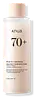
This brightening toner is formulated around Niacinamide and Oryza Sativa Extract to brighten dull-looking skin and hydrate skin.
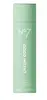
This barrier-repair moisturizer is formulated around Squalane and 3-O-Ethyl Ascorbic Acid to strengthen the skin barrier and hydrate skin.


What's inside
What's inside
 Key Ingredients
Benefits
Concerns
No concerns
Ingredients Side-by-side
Oryza Sativa Bran Water 71%
Masking
Butylene Glycol
Humectant

Glycerin
Humectant
Dipropylene Glycol
HumectantNiacinamide
Smoothing









Propanediol
Solvent
Water
Skin Conditioning1,2-Hexanediol
Skin Conditioning
Methyl Gluceth-20
Humectant
Panthenol
Skin Conditioning
Betaine
Humectant
Oryza Sativa Extract
Absorbent
Hydroxyacetophenone
Antioxidant
Diphenyl Dimethicone
Emollient
Triethylhexanoin
MaskingHydrogenated Lecithin
Emulsifying
Adenosine
Skin Conditioning
Ethylhexylglycerin
Skin ConditioningCarbomer
Emulsion StabilisingTromethamine
BufferingXanthan Gum
EmulsifyingGlyceryl Acrylate/Acrylic Acid Copolymer
HumectantTheobroma Cacao Seed Extract
Antioxidant
Sodium Hyaluronate
Humectant
Hydrolyzed Hyaluronic Acid
Humectant
Hyaluronic Acid
Humectant
Dextrin
AbsorbentHydrolyzed Rice Protein
Skin ConditioningOryza Sativa Seed Protein
Antioxidant
Ceramide NP
Skin Conditioning
Sodium Lauroyl Lactylate
EmulsifyingArbutin
Antioxidant
Ascorbic Acid
Antioxidant
Allantoin
Skin Conditioning
Ceramide AP
Skin Conditioning
Phytosphingosine
Skin Conditioning
Cholesterol
Emollient
Ceramide EOP
Skin Conditioning
Oryza Sativa Bran Water 71%, Butylene Glycol, Glycerin, Dipropylene Glycol, Niacinamide, Propanediol, Water, 1,2-Hexanediol, Methyl Gluceth-20, Panthenol, Betaine, Oryza Sativa Extract, Hydroxyacetophenone, Diphenyl Dimethicone, Triethylhexanoin, Hydrogenated Lecithin, Adenosine, Ethylhexylglycerin, Carbomer, Tromethamine, Xanthan Gum, Glyceryl Acrylate/Acrylic Acid Copolymer, Theobroma Cacao Seed Extract, Sodium Hyaluronate, Hydrolyzed Hyaluronic Acid, Hyaluronic Acid, Dextrin, Hydrolyzed Rice Protein, Oryza Sativa Seed Protein, Ceramide NP, Sodium Lauroyl Lactylate, Arbutin, Ascorbic Acid, Allantoin, Ceramide AP, Phytosphingosine, Cholesterol, Ceramide EOP
Water
Skin ConditioningPropanediol
Solvent
Glycerin
Humectant
Squalane
Emollient
Caprylic/Capric Triglyceride
Masking
Butylene Glycol
Humectant
Pentylene Glycol
Skin Conditioning
1,2-Hexanediol
Skin Conditioning
Hydroxyacetophenone
Antioxidant
PEG-100 Stearate
Surfactant

Isohexadecane
EmollientGlyceryl Stearate
Emollient
Bis-Diglyceryl Polyacyladipate-2
Emollient
Polyacrylate Crosspolymer-6
Emulsion StabilisingPotassium Cetyl Phosphate
EmulsifyingHydroxyethyl Acrylate/Sodium Acryloyldimethyl Taurate Copolymer
Emulsion StabilisingSimmondsia Chinensis Seed Oil
Emollient
Allantoin
Skin Conditioning
Ethylhexylglycerin
Skin Conditioning3-O-Ethyl Ascorbic Acid
Skin Conditioning
Tocopherol
Antioxidant
Centella Asiatica Extract
Cleansing
Sodium Hyaluronate
Humectant
Disodium EDTA
ChelatingSorbitan Isostearate
Emulsifying
Polysorbate 60
Emulsifying
Hydrolyzed Sodium Hyaluronate
Skin Conditioning
Linoleic Acid
Cleansing
Water, Propanediol, Glycerin, Squalane, Caprylic/Capric Triglyceride, Butylene Glycol, Pentylene Glycol, 1,2-Hexanediol, Hydroxyacetophenone, PEG-100 Stearate, Isohexadecane, Glyceryl Stearate, Bis-Diglyceryl Polyacyladipate-2, Polyacrylate Crosspolymer-6, Potassium Cetyl Phosphate, Hydroxyethyl Acrylate/Sodium Acryloyldimethyl Taurate Copolymer, Simmondsia Chinensis Seed Oil, Allantoin, Ethylhexylglycerin, 3-O-Ethyl Ascorbic Acid, Tocopherol, Centella Asiatica Extract, Sodium Hyaluronate, Disodium EDTA, Sorbitan Isostearate, Polysorbate 60, Hydrolyzed Sodium Hyaluronate, Linoleic Acid
Reviews
Ingredients Explained
These ingredients are found in both products.
Ingredients higher up in an ingredient list are typically present in a larger amount.
1,2-Hexanediol is a synthetic liquid and another multi-functional powerhouse.
It is a:
- Humectant, drawing moisture into the skin
- Emollient, helping to soften skin
- Solvent, dispersing and stabilizing formulas
- Preservative booster, enhancing the antimicrobial activity of other preservatives
Allantoin is a soothing ingredient known for its protective and moisturizing properties; it's basically a quiet workhorse ingredient you can find in a huge range of cosmetics.
Though it can be derived from the comfrey plant, allantoin is produced synthetically for cosmetic products to ensure purity.
Research shows it can encourage your skin cells to turn over and renew by stimulating keratinocyte and fibroblast proliferation.
It also has mild keratolytic properties to help loosen and shed dead skin cells without being harsh.
Studies also suggest allantoin can help calm inflammation by dialing down some of the chemical signals your skin sends out when it is irritated.
This ingredient is typically used in the 0.1-0.5% range, and the FDA recognizes it as a skin protectant in OTC products up to 2%.
Overall, allantoin is a wonderful addition to most routines; it is stable across a wide pH range (~4-8), works well with other ingredients, and is considered non-sensitizing/non-irritating.
Fun fact: Allantoin is naturally occurring in comfrey root, beets, chamomile, and wheat sprouts. Our bodies even produce it as a byproduct of uric acid metabolism.
Learn more about AllantoinButylene Glycol (or BG) is used within cosmetic products for a few different reasons:
Overall, Butylene Glycol is a safe and well-rounded ingredient that works well with other ingredients.
Though this ingredient works well with most skin types, some people with sensitive skin may experience a reaction such as allergic rashes, closed comedones, or itchiness.
Learn more about Butylene GlycolEthylhexylglycerin is created from glycerin. It is a multitasker ingredient that:
The CIR Expert Panel found minimal skin absorption or sensitization of any kind in a safety assessment. Though this ingredient is considered well-tolerated, a small number of cases of allergic dermatitis have been published since 2002. Just be sure to patch test if you are unsure.
Industry-reported use ranges from 8% in rinse-off products and 2% in leave-on formulations.
Learn more about EthylhexylglycerinGlycerin (or glycerol) is a compound naturally found in your skin. It's a powerhouse humectant that pulls water into the stratum corneum.
Topically, glycerin does several things at once:
Your skin makes glycerin on its own (mostly from sebaceous oil breakdown) and shuttles it to your outermost layer of skin, or your epidermis, via aquaporin-3.
Aquaporin-3 is a transporter that is essential for normal skin hydration, elasticity, and repair. Interestingly, mice lacking in AQP3 have dry and less elastic skin that can be fully corrected with glycerin.
This ingredient is non-irritating, plays well with almost every ingredient, and works across all skin types. Typical use is anywhere between 3-10% but can go up to 79% in some leave-on products.
Just know very high concentrations (>40%) can feel tacky in low humidity.
Glycerin is the name for this ingredient in American English. British English uses Glycerol/Glycerine.
Learn more about GlycerinHydroxyacetophenone is a small phenolic molecule that earns its place in a formulas as an antioxidant and preservative booster.
As a phenol, it is able to neutralize free radicals to protect both the product and the skin from oxidative stress.
Though it can't kill microbes on its own, it works as a good supporting agent when combined with other preservatives like Phenoxyethanol or 1,2-Hexanediol.
This ingredient naturally occurs as piceol in Norwegian spruce needles (~0.4-1.1% dry weight and in cloudberries). Though the cosmetic-grade material is synthesized for purity and consistency.
You'll usually see it used at low levels and suppliers recommend up to 1% added to a water phase.
Safety testing was done at concentrations like 0.05% in SPF products and 0.5% in a Human Repeated Insult Patch Test. The safety evidence is assuring; this ingredient is safe for cosmetics in current use and also holds safety status as a food flavoring as well.
An honest caveat: the "soothing" and "anti-inflammatory" claims come mostly from supplier marketing rather than published clinical trials. The Cosmetic Ingredient Review's own literature search found no useful efficacy studies on this ingredient.
So the antioxidant and preservative-boosting roles are the well supported ones while the calming benefit is plausible but thinly evidenced.
Overall, this is a well-tolerated, low-irritation multitasker that quietly helps a formula stay fresh and stable.
Learn more about HydroxyacetophenonePropanediol is an all-star ingredient. It softens, hydrates, and smooths the skin.
It’s often used to:
Propanediol is not likely to cause sensitivity and considered safe to use. It is derived from corn or petroleum with a clear color and no scent.
Learn more about PropanediolSodium Hyaluronate is the salt form of hyaluronic acid. It is a long sugar chain that is naturally found in your skin, joints, and connective tissue that maintains hydration and elasticity.
In skincare, it works as a humectant. It pulls water from the environment and deeper layers of skin and binds it to the surface.
Interestingly, the size of the molecule affects its behavior:
Some clinical evidence links low molecular weight versions to improved wrinkle depth, elasticity, anti-inflammatory effects, and barrier repair.
Many serums use a blend of both weights so you can get surface hydration plus longer-lasting and deeper effects.
You'll typically see concentrations between 0.1-2% for this ingredient.
Learn more about Sodium HyaluronateWater. It's the most common cosmetic ingredient of all. You'll usually see it at the top of ingredient lists, meaning that it makes up the largest part of the product.
So why is it so popular? Water most often acts as a solvent - this means that it helps dissolve other ingredients into the formulation.
You'll also recognize water as that liquid we all need to stay alive. If you see this, drink a glass of water. Remember to stay hydrated!
Learn more about Water

