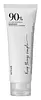
This salicylic acid cream cleanser is formulated around Salicylic Acid to clear breakouts and unclog pores.
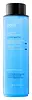
This hydrating toner is formulated around Panthenol and Avena Sativa Kernel Extract to hydrate skin and calm redness.

What's inside
What's inside
 Key Ingredients
Benefits
Concerns
Ingredients Side-by-side
Water
Skin ConditioningSodium Cocoyl Isethionate
Cleansing
Glycerin
Humectant


Glycol Distearate
Emollient

Sodium Methyl Cocoyl Taurate
Cleansing
Methylpropanediol
SolventPotassium Cocoate
Emulsifying

Houttuynia Cordata Extract
Skin Conditioning

Laminaria Japonica Extract
Skin Protecting
Eclipta Prostrata Leaf Extract
Skin ConditioningCentella Asiatica Extract
Cleansing

Ficus Carica Fruit Extract
Humectant
Ulmus Davidiana Root Extract
Skin Conditioning
Amaranthus Caudatus Seed Extract
Skin Conditioning
Citrus Aurantium Dulcis Oil
Masking
Citrus Nobilis Peel Oil
Masking
Litsea Cubeba Fruit Oil
Masking


Hydrogenated Lecithin
Emulsifying
Sodium Chloride
MaskingCoco-Glucoside
Cleansing
Salicylic Acid
Masking





Citric Acid
Buffering
Disodium EDTA
ChelatingDecylene Glycol
Skin ConditioningButylene Glycol
Humectant
Fructooligosaccharides
Humectant
Beta-Glucan
Skin Conditioning
Hydrolyzed Hyaluronic Acid
Humectant
Ceramide NP
Skin Conditioning
1,2-Hexanediol
Skin Conditioning
Hydroxyacetophenone
Antioxidant
Ethylhexylglycerin
Skin ConditioningLimonene
Perfuming
Citral
Perfuming
Water, Sodium Cocoyl Isethionate, Glycerin, Glycol Distearate, Sodium Methyl Cocoyl Taurate, Methylpropanediol, Potassium Cocoate, Houttuynia Cordata Extract, Laminaria Japonica Extract, Eclipta Prostrata Leaf Extract, Centella Asiatica Extract, Ficus Carica Fruit Extract, Ulmus Davidiana Root Extract, Amaranthus Caudatus Seed Extract, Citrus Aurantium Dulcis Oil, Citrus Nobilis Peel Oil, Litsea Cubeba Fruit Oil, Hydrogenated Lecithin, Sodium Chloride, Coco-Glucoside, Salicylic Acid, Citric Acid, Disodium EDTA, Decylene Glycol, Butylene Glycol, Fructooligosaccharides, Beta-Glucan, Hydrolyzed Hyaluronic Acid, Ceramide NP, 1,2-Hexanediol, Hydroxyacetophenone, Ethylhexylglycerin, Limonene, Citral
Water
Skin ConditioningGlycerin
Humectant
Alcohol Denat.
Antimicrobial
Dipropylene Glycol
Humectant1,2-Hexanediol
Skin Conditioning
Betaine
Humectant
Panthenol
Skin Conditioning
PEG/PPG/Polybutylene Glycol-8/5/3 Glycerin
HumectantAvena Sativa Kernel Extract
Abrasive
Stellaria Media Extract
Skin ConditioningCalendula Officinalis Flower Extract
Masking
Nepeta Cataria Extract
TonicRubus Idaeus Leaf Extract
Skin ConditioningBaptisia Tinctoria Root Extract
Skin ConditioningAlchemilla Vulgaris Leaf Extract
Antioxidant
Equisetum Arvense Leaf Extract
AstringentUrtica Dioica Leaf Extract
Skin ConditioningAdansonia Digitata Seed Extract
Skin ConditioningLonicera Caprifolium Flower Extract
Perfuming
Vitis Vinifera Vine Sap
Skin ConditioningSodium Hyaluronate
Humectant
Acrylates/C10-30 Alkyl Acrylate Crosspolymer
Emulsion StabilisingHydroxypropyl Cyclodextrin
MaskingPEG-60 Hydrogenated Castor Oil
Emulsifying
Bis-PEG-18 Methyl Ether Dimethyl Silane
EmollientTrisodium EDTA
ChelatingBeta-Glucan
Skin Conditioning
Glyceryl Acrylate/Acrylic Acid Copolymer
HumectantGlycereth-26
Humectant
Phenyl Trimethicone
Skin Conditioning
Tromethamine
BufferingPEG/PPG-17/6 Copolymer
SolventPolyglutamic Acid
Skin Conditioning
Methylpropanediol
SolventMalachite Extract
Antioxidant
Butylene Glycol
Humectant
Citrus Aurantium Dulcis Peel Oil
Masking
Citrus Aurantifolia Oil
Cleansing
Rosmarinus Officinalis Leaf Oil
Masking
Pelargonium Graveolens Flower Oil
Masking
Citral
Perfuming
Citronellol
Perfuming
Limonene
Perfuming
Geraniol
Perfuming
Linalool
Perfuming
Water, Glycerin, Alcohol Denat., Dipropylene Glycol, 1,2-Hexanediol, Betaine, Panthenol, PEG/PPG/Polybutylene Glycol-8/5/3 Glycerin, Avena Sativa Kernel Extract, Stellaria Media Extract, Calendula Officinalis Flower Extract, Nepeta Cataria Extract, Rubus Idaeus Leaf Extract, Baptisia Tinctoria Root Extract, Alchemilla Vulgaris Leaf Extract, Equisetum Arvense Leaf Extract, Urtica Dioica Leaf Extract, Adansonia Digitata Seed Extract, Lonicera Caprifolium Flower Extract, Vitis Vinifera Vine Sap, Sodium Hyaluronate, Acrylates/C10-30 Alkyl Acrylate Crosspolymer, Hydroxypropyl Cyclodextrin, PEG-60 Hydrogenated Castor Oil, Bis-PEG-18 Methyl Ether Dimethyl Silane, Trisodium EDTA, Beta-Glucan, Glyceryl Acrylate/Acrylic Acid Copolymer, Glycereth-26, Phenyl Trimethicone, Tromethamine, PEG/PPG-17/6 Copolymer, Polyglutamic Acid, Methylpropanediol, Malachite Extract, Butylene Glycol, Citrus Aurantium Dulcis Peel Oil, Citrus Aurantifolia Oil, Rosmarinus Officinalis Leaf Oil, Pelargonium Graveolens Flower Oil, Citral, Citronellol, Limonene, Geraniol, Linalool
Reviews
Ingredients Explained
These ingredients are found in both products.
Ingredients higher up in an ingredient list are typically present in a larger amount.
1,2-Hexanediol is a synthetic liquid and another multi-functional powerhouse.
It is a:
- Humectant, drawing moisture into the skin
- Emollient, helping to soften skin
- Solvent, dispersing and stabilizing formulas
- Preservative booster, enhancing the antimicrobial activity of other preservatives
Beta-Glucan is a soluble polysaccharide (a chain of glucose sugars) sourced from the cells walls of oats, baker's yeast, mushrooms, and seaweed.
It's a rare ingredient that pulls double-duty as a heavy-duty hydrator and skin-soothing repair agent.
On the surface, it acts as a humectant that holds water in place and reduces moisture loss for a plumper, smoother feel, while its anti-inflammatory and antioxidant properties make it a great pick for calming redness or sensitive skin
The more interesting story is underneath:
Despite its large molecular size, oat beta-glucan has been shown to penetrate the epidermis and reach the dermis by slipping between skin cells. Here, it interacts with fibroblasts and macrophages to nudge collagen synthesis and support wound repair.
A small 2005 split-face clinical study of 27 subjects found topical beta-glucan produced measurable reductions in wrinkle depth, height, and roughness after 8 weeks of use.
It is worth noting the trial was small and the penetration testing used frozen, irradiated skin so the anti-aging data is encouraging rather than definitive.
This ingredient gets along with pretty much everything and is typically used around 0.1-1%.
Fungal acne: This ingredient is not a food source for the Malassezia yeast because it is a glucose polysaccharide with no fatty acid or ester component.
Learn more about Beta-GlucanButylene Glycol (or BG) is used within cosmetic products for a few different reasons:
Overall, Butylene Glycol is a safe and well-rounded ingredient that works well with other ingredients.
Though this ingredient works well with most skin types, some people with sensitive skin may experience a reaction such as allergic rashes, closed comedones, or itchiness.
Learn more about Butylene GlycolCitral is the molecule responsible for the fresh lemon scent in lemon, lime, and lemongrass. It is a fragrance ingredient that can be created from plant essential oils or synthetically.
Though Citral has documented antimicrobial activity against acne bacteria (which is where the marketing claims about it being good for acne-prone skin originate), real formulas use it at fragrance-level concentrations under 1% so there's likely no skin benefit.
You should know this ingredient is a known EU fragrance allergen.
Animal studies classifies this ingredient as a weak-to-moderate skin sensitizer and clinical patch testing on eczema patients confirmed it to be both a contact allergen and irritant.
The term 'citral' is a collective term for two geometric isomers: geranial/Citral A and neral/Citral B.
The term 'fragrance' is not regulated in many countries. In many cases, it is up to the brand to define this term. For instance, many brands choose to label themselves as "fragrance-free" because they are not using synthetic fragrances. However, their products may still contain ingredients such as essential oils that are considered a fragrance.
Learn more about CitralGlycerin (or glycerol) is a compound naturally found in your skin. It's a powerhouse humectant that pulls water into the stratum corneum.
Topically, glycerin does several things at once:
Your skin makes glycerin on its own (mostly from sebaceous oil breakdown) and shuttles it to your outermost layer of skin, or your epidermis, via aquaporin-3.
Aquaporin-3 is a transporter that is essential for normal skin hydration, elasticity, and repair. Interestingly, mice lacking in AQP3 have dry and less elastic skin that can be fully corrected with glycerin.
This ingredient is non-irritating, plays well with almost every ingredient, and works across all skin types. Typical use is anywhere between 3-10% but can go up to 79% in some leave-on products.
Just know very high concentrations (>40%) can feel tacky in low humidity.
Glycerin is the name for this ingredient in American English. British English uses Glycerol/Glycerine.
Learn more about GlycerinLimonene is a fragrance that adds scent and taste to a formulation.
It's found in the peel oil of citrus fruits and other plants such as lavender and eucalyptus. The scent of limonene is generally described as "sweet citrus".
Limonene acts as an antioxidant, meaning it helps neutralize free radicals.
When exposed to air, oxidized limonene may sensitize the skin. Because of this, limonene is often avoided by people with sensitive skin.
The term 'fragrance' is not regulated in many countries. In many cases, it is up to the brand to define this term. For instance, many brands choose to label themselves as "fragrance-free" because they are not using synthetic fragrances. However, their products may still contain ingredients such as essential oils that are considered a fragrance.
Learn more about LimoneneMethylpropanediol is a synthetic solvent and humectant.
As a solvent, it helps dissolve other ingredients, helping to evenly distribute ingredients throughout the product. This ingredient has also been shown to have antimicrobial properties which makes it a preservative booster.
Methylpropanediol is able to add a bit of moisture to the skin. It also helps other ingredients be better absorbed into the skin, such as salicylic acid.
Learn more about MethylpropanediolWater. It's the most common cosmetic ingredient of all. You'll usually see it at the top of ingredient lists, meaning that it makes up the largest part of the product.
So why is it so popular? Water most often acts as a solvent - this means that it helps dissolve other ingredients into the formulation.
You'll also recognize water as that liquid we all need to stay alive. If you see this, drink a glass of water. Remember to stay hydrated!
Learn more about Water


