
What's inside
What's inside
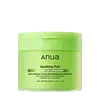 Key Ingredients
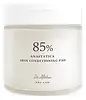
Benefits
Concerns
No concerns
Ingredients Side-by-side
Water
Skin ConditioningButylene Glycol
Humectant

Dipropylene Glycol
HumectantPropanediol
Solvent
Glycerin
Humectant
Betaine
Humectant
Diglycerin
Humectant
Methylpropanediol
SolventHydroxyethyl Urea
Humectant
1,2-Hexanediol
Skin Conditioning
Hydroxyacetophenone
Antioxidant

Glycereth-25 PCA Isostearate
Emulsifying
Panthenol
Skin Conditioning
Melia Azadirachta Leaf Extract
Skin ConditioningXanthan Gum
EmulsifyingEthylhexylglycerin
Skin ConditioningDisodium EDTA
Melia Azadirachta Flower Extract
Skin ConditioningAllantoin
Skin Conditioning
Sodium Polyacrylate
Absorbent
Glyceryl Acrylate/Acrylic Acid Copolymer
HumectantPvm/Ma Copolymer
Emulsion StabilisingTheobroma Cacao Seed Extract
Antioxidant
Dextrin
AbsorbentHydrolyzed Hyaluronic Acid
Humectant

Hyaluronic Acid
Humectant
Sodium Hyaluronate
Humectant
Azelaic Acid
Buffering






Bisabolol
Antioxidant
Dipotassium Glycyrrhizate
Humectant
Zea Mays Kernel Extract
Centella Asiatica Extract
Cleansing
Centella Asiatica Leaf Extract
Skin Conditioning
Centella Asiatica Root Extract
Skin Conditioning
Asiatic Acid
Skin Conditioning
Asiaticoside
Antioxidant
Madecassic Acid
Skin Conditioning
Madecassoside
Antioxidant
Ceramide NP
Skin Conditioning
Chlorella Vulgaris Extract
Skin ConditioningMelaleuca Alternifolia Leaf Water
AntimicrobialSqualane
Emollient
Dimethylsilanol Hyaluronate
HumectantHydrolyzed Sodium Hyaluronate
Skin Conditioning
Fructan
Skin ConditioningPinus Pinaster Bark Extract
Antioxidant
Potassium Hyaluronate
Skin ConditioningHydroxypropyltrimonium Hyaluronate
Sodium Hyaluronate Crosspolymer
Humectant
Glucose
Humectant
Sodium Hyaluronate Dimethylsilanol
HumectantSodium Acetylated Hyaluronate
Humectant
Water, Butylene Glycol, Dipropylene Glycol, Propanediol, Glycerin, Betaine, Diglycerin, Methylpropanediol, Hydroxyethyl Urea, 1,2-Hexanediol, Hydroxyacetophenone, Glycereth-25 PCA Isostearate, Panthenol, Melia Azadirachta Leaf Extract, Xanthan Gum, Ethylhexylglycerin, Disodium EDTA, Melia Azadirachta Flower Extract, Allantoin, Sodium Polyacrylate, Glyceryl Acrylate/Acrylic Acid Copolymer, Pvm/Ma Copolymer, Theobroma Cacao Seed Extract, Dextrin, Hydrolyzed Hyaluronic Acid, Hyaluronic Acid, Sodium Hyaluronate, Azelaic Acid, Bisabolol, Dipotassium Glycyrrhizate, Zea Mays Kernel Extract, Centella Asiatica Extract, Centella Asiatica Leaf Extract, Centella Asiatica Root Extract, Asiatic Acid, Asiaticoside, Madecassic Acid, Madecassoside, Ceramide NP, Chlorella Vulgaris Extract, Melaleuca Alternifolia Leaf Water, Squalane, Dimethylsilanol Hyaluronate, Hydrolyzed Sodium Hyaluronate, Fructan, Pinus Pinaster Bark Extract, Potassium Hyaluronate, Hydroxypropyltrimonium Hyaluronate, Sodium Hyaluronate Crosspolymer, Glucose, Sodium Hyaluronate Dimethylsilanol, Sodium Acetylated Hyaluronate
Water
Skin ConditioningButylene Glycol
Humectant
1,2-Hexanediol
Skin Conditioning
Glycerin
Humectant
Polyglyceryl-10 Laurate
Skin Conditioning
Polyglyceryl-10 Myristate
Skin Conditioning
Ethylhexylglycerin
Skin ConditioningAnastatica Hierochuntica Extract
AstringentDipotassium Glycyrrhizate
Humectant
Ammonium Acryloyldimethyltaurate/Vp Copolymer
Disodium EDTA
Allantoin
Skin Conditioning
Citric Acid
Buffering

Cynanchum Atratum Extract
Skin ConditioningSodium Citrate
BufferingCitrus Tangerina Peel Oil
Masking

Malt Extract
Skin ProtectingArtemisia Vulgaris Oil
Perfuming
Rosmarinus Officinalis Leaf Oil
Masking
Chamomilla Recutita Flower Oil
Masking
Juniperus Mexicana Oil
Masking
Lavandula Angustifolia Oil
Masking
Sodium Hyaluronate
Humectant
Hydroxypropyltrimonium Hyaluronate
Adansonia Digitata Seed Extract
Skin ConditioningAnthemis Nobilis Flower Extract
Masking
Portulaca Oleracea Extract
Skin Conditioning
Hydrolyzed Hyaluronic Acid
Humectant
Sodium Acetylated Hyaluronate
Humectant
Hyaluronic Acid
Humectant
Hydrolyzed Sodium Hyaluronate
Skin Conditioning
Opuntia Ficus-Indica Stem Extract
Skin Conditioning
Sodium Hyaluronate Crosspolymer
Humectant
Potassium Hyaluronate
Skin ConditioningLimonene
Perfuming
Water, Butylene Glycol, 1,2-Hexanediol, Glycerin, Polyglyceryl-10 Laurate, Polyglyceryl-10 Myristate, Ethylhexylglycerin, Anastatica Hierochuntica Extract, Dipotassium Glycyrrhizate, Ammonium Acryloyldimethyltaurate/Vp Copolymer, Disodium EDTA, Allantoin, Citric Acid, Cynanchum Atratum Extract, Sodium Citrate, Citrus Tangerina Peel Oil, Malt Extract, Artemisia Vulgaris Oil, Rosmarinus Officinalis Leaf Oil, Chamomilla Recutita Flower Oil, Juniperus Mexicana Oil, Lavandula Angustifolia Oil, Sodium Hyaluronate, Hydroxypropyltrimonium Hyaluronate, Adansonia Digitata Seed Extract, Anthemis Nobilis Flower Extract, Portulaca Oleracea Extract, Hydrolyzed Hyaluronic Acid, Sodium Acetylated Hyaluronate, Hyaluronic Acid, Hydrolyzed Sodium Hyaluronate, Opuntia Ficus-Indica Stem Extract, Sodium Hyaluronate Crosspolymer, Potassium Hyaluronate, Limonene
Reviews
Ingredients Explained
These ingredients are found in both products.
Ingredients higher up in an ingredient list are typically present in a larger amount.
1,2-Hexanediol is a synthetic liquid and another multi-functional powerhouse.
It is a:
- Humectant, drawing moisture into the skin
- Emollient, helping to soften skin
- Solvent, dispersing and stabilizing formulas
- Preservative booster, enhancing the antimicrobial activity of other preservatives
Allantoin is a soothing ingredient known for its protective and moisturizing properties; it's basically a quiet workhorse ingredient you can find in a huge range of cosmetics.
Though it can be derived from the comfrey plant, allantoin is produced synthetically for cosmetic products to ensure purity.
Research shows it can encourage your skin cells to turn over and renew by stimulating keratinocyte and fibroblast proliferation.
It also has mild keratolytic properties to help loosen and shed dead skin cells without being harsh.
Studies also suggest allantoin can help calm inflammation by dialing down some of the chemical signals your skin sends out when it is irritated.
This ingredient is typically used in the 0.1-0.5% range, and the FDA recognizes it as a skin protectant in OTC products up to 2%.
Overall, allantoin is a wonderful addition to most routines; it is stable across a wide pH range (~4-8), works well with other ingredients, and is considered non-sensitizing/non-irritating.
Fun fact: Allantoin is naturally occurring in comfrey root, beets, chamomile, and wheat sprouts. Our bodies even produce it as a byproduct of uric acid metabolism.
Learn more about AllantoinButylene Glycol (or BG) is used within cosmetic products for a few different reasons:
Overall, Butylene Glycol is a safe and well-rounded ingredient that works well with other ingredients.
Though this ingredient works well with most skin types, some people with sensitive skin may experience a reaction such as allergic rashes, closed comedones, or itchiness.
Learn more about Butylene GlycolDipotassium Glycyrrhizate comes from licorice root.
Extracts of licorice have demonstrated to have antibacterial, anti‐inflammatory, antiviral, antioxidant properties.
One component, glabridin, has extra potent antioxidant and soothing properties. It has also been found to block pigmentation from UVB rays in guinea pigs.
Licorice Root also contains a flavonoid. Flavonoids are a natural substance from in plants. Flavonoids also have antioxidant properties.
Another component, glycyrrhizin, has been found to have anti-inflammatory and antimicrobial benefits. This may make licorice root extract effective at treating acne. However, more research is needed to support this.
Liquiritin is one of the flavone compounds found in licorice. It has been found to help lighten skin by preventing tyrosinase from reacting with tyrosine. When the two react, protein is converted to melanin. Melanin is the substance in your body that gives your features pigmentation.
Licorice root is native to Southern Europe and Asia. It has been used in traditional Chinese medicine to help with respiratory issues.
Learn more about Dipotassium GlycyrrhizateDisodium EDTA is a chelating agent. It grabs onto and deactivates metal ions that sneak into your products from water, packaging, or air.
This ingredient mainly works behind the scenes and helps with:
On top of that, this ingredient can counteract the effects of hard water by binding to the minerals in it.
One thing worth knowing is that Disodium EDTA has been shown to be a mild penetration enhancer. It can help other ingredients absorb into skin more effectively which can be a double-edged sword (great for actives, but can also make the active too strong if you have sensitive skin).
Clinical patch testing showed no significant skin irritation at typical use concentrations and minimal dermal absorption.
You'll most likely see this ingredient near the end of an ingredient list. It's typically found in concentrations less than 1%.
Learn more about Disodium EDTAEthylhexylglycerin is created from glycerin. It is a multitasker ingredient that:
The CIR Expert Panel found minimal skin absorption or sensitization of any kind in a safety assessment. Though this ingredient is considered well-tolerated, a small number of cases of allergic dermatitis have been published since 2002. Just be sure to patch test if you are unsure.
Industry-reported use ranges from 8% in rinse-off products and 2% in leave-on formulations.
Learn more about EthylhexylglycerinGlycerin (or glycerol) is a compound naturally found in your skin. It's a powerhouse humectant that pulls water into the stratum corneum.
Topically, glycerin does several things at once:
Your skin makes glycerin on its own (mostly from sebaceous oil breakdown) and shuttles it to your outermost layer of skin, or your epidermis, via aquaporin-3.
Aquaporin-3 is a transporter that is essential for normal skin hydration, elasticity, and repair. Interestingly, mice lacking in AQP3 have dry and less elastic skin that can be fully corrected with glycerin.
This ingredient is non-irritating, plays well with almost every ingredient, and works across all skin types. Typical use is anywhere between 3-10% but can go up to 79% in some leave-on products.
Just know very high concentrations (>40%) can feel tacky in low humidity.
Glycerin is the name for this ingredient in American English. British English uses Glycerol/Glycerine.
Learn more about GlycerinHyaluronic acid (HA) is a glycosaminoglycan (basically a long sugar chain) that your skin already makes on its own. In your skin, HA lives in the extracellular matrix and acts as the body's moisture reservoir.
Topically, HA is a humectant that binds water and helps skin look more plump, smooth, and hydrated.
The only catch is that HA isn't a single thing; it actually comes in a wide range of molecular weights (~50 - 2,000+ kDA) and size matters.
Some clinical evidence links low molecular weight versions to improved wrinkle depth, elasticity, anti-inflammatory effects, and barrier repair.
This is why the best HA serums blend the two sizes together so you get the best of both worlds.
The majority of cosmetic HA is produced by bacterial fermentation, typically using Streptococcus or Bacillus strains. Typical use levels in skincare sit around 0.1-2%.
A clinical study using a 0.2% low-molecular weight HA gel showed improvement in facial seborrheic dermatitis with excellent tolerance.
These are some other common types of Hyaluronic Acid:
Learn more about Hyaluronic AcidHydrolyzed Hyaluronic Acid is hyaluronic acid (HA) that is broken down into lower molecular weight fragments.
It's a humectant that pulls and holds water in the skin to help with hydration, plumpness, and reduce transepidermal water loss.
Because hydrolyzed hyaluronic acid is smaller in size, it can slip past your outermost layer of skin more easily than full-sized HA.
Most formulations will combine all sizes to get the best of both worlds.
Typical usage levels range from 0.01-1%. Any percentage higher than 2% might become goopy and tacky.
Learn more about Hydrolyzed Hyaluronic AcidThis ingredient is created by putting sodium hyaluronate through hydrolysis.
You might know this as 'mini' or 'ultra low-molecular weight' hyaluronic acid. The small molecule size means it is able to travel deeper in the skin.
According to studies, low molecular-weight hyaluronic acid can:
One study from 2011 found ultra-low weight HA to show pro-inflammatory properties. Another study from 2022 found it to downregulate UV-B induced inflammation.
Hydrolysis is a process of changing a molecule using water or enzymes.
This ingredient is water-soluble.
Learn more about Hydrolyzed Sodium HyaluronateThis form of hyaluronic acid is produced through fermentation.
According to a manufacturer, it has a positive charge by ionic binding to help moisturize and give hair a smooth feel. This is why you'll find this ingredient in shampoos and body washes.
Potassium hyaluronate (PH) is a salt form of hyaluronic acid and has similar skin hydrating benefits.
Similar to hyaluronic acid, PH is able to draw and hold moisture to your skin. This helps keep skin soft and hydrated.
Fun fact: PH is used in eye drops and injectable treatments for joint disorders. It has lubricating and tissue-repair properties.
Learn more about Potassium HyaluronateSodium Acetylated Hyaluronate is a type of Hyaluronic Acid.
Hyaluronic Acids help moisturize, soothe, and protect the skin.
Read about common types of Hyaluronic Acid here:
Learn more about Sodium Acetylated HyaluronateSodium Hyaluronate is the salt form of hyaluronic acid. It is a long sugar chain that is naturally found in your skin, joints, and connective tissue that maintains hydration and elasticity.
In skincare, it works as a humectant. It pulls water from the environment and deeper layers of skin and binds it to the surface.
Interestingly, the size of the molecule affects its behavior:
Some clinical evidence links low molecular weight versions to improved wrinkle depth, elasticity, anti-inflammatory effects, and barrier repair.
Many serums use a blend of both weights so you can get surface hydration plus longer-lasting and deeper effects.
You'll typically see concentrations between 0.1-2% for this ingredient.
Learn more about Sodium HyaluronateSodium Hyaluronate Crosspolymer is a crosslinked version of sodium hyaluronate. This just means it's linked into a 3D mesh network that lets it be more stable and sit on skin as a cohesive, gel-like film rather than sinking into skin.
A 2016 human skin study found crosslinked HA increased epidermal water content by 7.6% over the control group and reduced transepidermal water loss by 27.8%.
A follow-up clinical trial found that a topical crosslinked HA serum applied after fillers, microneedling, or chemical peels was well-tolerated and enhanced skin quality at 14 / 28 days.
More recent research suggests that concentrations as low as 0.03% can act as a penetration enhancer for other skincare actives.
Learn more about Sodium Hyaluronate CrosspolymerWater. It's the most common cosmetic ingredient of all. You'll usually see it at the top of ingredient lists, meaning that it makes up the largest part of the product.
So why is it so popular? Water most often acts as a solvent - this means that it helps dissolve other ingredients into the formulation.
You'll also recognize water as that liquid we all need to stay alive. If you see this, drink a glass of water. Remember to stay hydrated!
Learn more about Water
