
What's inside
What's inside
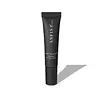 Key Ingredients
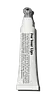
Benefits
Concerns
Ingredients Side-by-side
Diisostearyl Malate
EmollientHydrogenated Polyisobutene
EmollientVp/Hexadecene Copolymer
Synthetic Beeswax
Emulsion Stabilising
Dextrin Palmitate
Emulsifying
Astrocaryum Murumuru Seed Butter
Emollient
Mangifera Indica Seed Butter
Skin Conditioning
Punica Granatum Seed Oil
Emollient


Cucumis Sativus Seed Oil
Emollient
Phytosterols
Skin Conditioning
Hibiscus Sabdariffa Seed Oil
Emollient
Bisabolol
Masking

Passiflora Edulis Seed Oil
Emollient
Hippophae Rhamnoides Fruit Extract
Skin Conditioning
Tocopherol
Antioxidant



Cholesterol
Emollient
Ceramide EOP
Skin Conditioning
Ceramide NP
Skin Conditioning
Ceramide As
Skin Conditioning
Ceramide AP
Skin Conditioning
Ceramide Ns
Skin Conditioning
Ubiquinone
Antioxidant
Ferulic Acid
Antimicrobial
Palmitoyl Tripeptide-1
Skin Conditioning
Cetearyl Ethylhexanoate
Emollient
Sorbitan Isostearate
Emulsifying
Portulaca Pilosa Extract
Skin ConditioningSucrose Cocoate
Emulsifying
Palmitoyl Tripeptide-38
Skin Conditioning
Glyceryl Stearate
Emollient
Allantoin
Skin Conditioning
Ascorbyl Palmitate
Antioxidant



Ethyl Vanillin
MaskingHydrogenated Lecithin
Emulsifying
Dipropylene Glycol
HumectantCI 77891
Cosmetic ColorantIsopropyl Titanium Triisostearate
Emollient
CI 77491
Cosmetic ColorantCI 77492
Cosmetic ColorantDiisostearyl Malate, Hydrogenated Polyisobutene, Vp/Hexadecene Copolymer, Synthetic Beeswax, Dextrin Palmitate, Astrocaryum Murumuru Seed Butter, Mangifera Indica Seed Butter, Punica Granatum Seed Oil, Cucumis Sativus Seed Oil, Phytosterols, Hibiscus Sabdariffa Seed Oil, Bisabolol, Passiflora Edulis Seed Oil, Hippophae Rhamnoides Fruit Extract, Tocopherol, Cholesterol, Ceramide EOP, Ceramide NP, Ceramide As, Ceramide AP, Ceramide Ns, Ubiquinone, Ferulic Acid, Palmitoyl Tripeptide-1, Cetearyl Ethylhexanoate, Sorbitan Isostearate, Portulaca Pilosa Extract, Sucrose Cocoate, Palmitoyl Tripeptide-38, Glyceryl Stearate, Allantoin, Ascorbyl Palmitate, Ethyl Vanillin, Hydrogenated Lecithin, Dipropylene Glycol, CI 77891, Isopropyl Titanium Triisostearate, CI 77491, CI 77492
Diisostearyl Malate
EmollientHydrogenated Polyisobutene
EmollientPhytosteryl/Isostearyl/Cetyl/Stearyl/Behenyl Dimer Dilinoleate
Skin ConditioningPolybutene
Hydrogenated Poly(C6-14 Olefin)
EmollientButyrospermum Parkii Butter
Skin Conditioning

Polyhydroxystearic Acid
Emulsifying
Helianthus Annuus Seed Wax
Skin Conditioning
Niacinamide
Smoothing


Ceramide Ag
Humectant
Ceramide AP
Skin Conditioning
Ceramide EOP
Skin Conditioning
Ceramide Ng
Skin Conditioning
Ceramide NP
Skin Conditioning
Sodium Hyaluronate
Humectant
Linoleic Acid
Cleansing
Linolenic Acid
Cleansing
Centella Asiatica Extract
Cleansing
Tocopherol
Antioxidant
Hippophae Rhamnoides Seed Oil
Skin Protecting
Ricinus Communis Seed Oil
Masking
Hydrogenated Castor Oil
Emollient
Helianthus Annuus Seed Oil
Emollient
Mentha Piperita Oil
Masking

Glyceryl Caprylate
EmollientGlyceryl Undecylenate
Emollient
Dipotassium Glycyrrhizate
Humectant
Sodium Saccharin
Masking2,3-Butanediol
HumectantHydrogenated Lecithin
Emulsifying
Glyceryl Stearate
Emollient
Cholesterol
Emollient
Citric Acid
Buffering

Oleic Acid
Emollient
Diisostearyl Malate, Hydrogenated Polyisobutene, Phytosteryl/Isostearyl/Cetyl/Stearyl/Behenyl Dimer Dilinoleate, Polybutene, Hydrogenated Poly(C6-14 Olefin), Butyrospermum Parkii Butter, Polyhydroxystearic Acid, Helianthus Annuus Seed Wax, Niacinamide, Ceramide Ag, Ceramide AP, Ceramide EOP, Ceramide Ng, Ceramide NP, Sodium Hyaluronate, Linoleic Acid, Linolenic Acid, Centella Asiatica Extract, Tocopherol, Hippophae Rhamnoides Seed Oil, Ricinus Communis Seed Oil, Hydrogenated Castor Oil, Helianthus Annuus Seed Oil, Mentha Piperita Oil, Glyceryl Caprylate, Glyceryl Undecylenate, Dipotassium Glycyrrhizate, Sodium Saccharin, 2,3-Butanediol, Hydrogenated Lecithin, Glyceryl Stearate, Cholesterol, Citric Acid, Oleic Acid
Ingredients Explained
These ingredients are found in both products.
Ingredients higher up in an ingredient list are typically present in a larger amount.
Ceramide AP is formally known as Ceramide 6.
Ceramides are intercellular lipids naturally found in our skin that bonds dead skin cells together to create a barrier. Having a strong skin barrier leads to more firm and hydrated skin.
They are known for their ability to hold water and thus are a great ingredient for dry skin. By bolstering the skin ceramides act as a barrier against irritating ingredients. This can help with inflammation as well.
If you would like to eat ceramides, sweet potatoes contain a small amount.
Read more about other common types of ceramides here:
Ceramide NP
Ceramide EOP
Ceramide EOP is formally known as Ceramide 1 and Ceramide 1 A.
EOP stands for a linked Ester fatty acid, a linked Omega hydroxy fatty acid, and the Phytosphingosine base.
Ceramides are intercellular lipids naturally found in our skin. They bind dead skin cells together to create a barrier. The ceramides in our skin have the ability to hold water to keep our skin hydrated.
Ceramides are an important building block for our skin barrier. A strong skin barrier helps with:
If you would like to eat ceramides, sweet potatoes contain a small amount.
Read more about other common types of ceramides here:
Learn more about Ceramide EOPCeramide NP is a type of ceramide and formally known as ceramide 3.
Ceramides are intercellular lipids naturally found in our skin that bonds dead skin cells together to create a barrier. They are known for their ability to hold water and thus are a great ingredient for dry skin.
Ceramides are an important building block for our skin barrier. A stronger barrier helps the skin look more firm and hydrated. By bolstering the skin ceramides act as a barrier against irritating ingredients. This can help with inflammation as well.
If you would like to eat ceramides, sweet potatoes contain a small amount.
Read more about other common types of ceramides here:
Ceramide AP
Ceramide EOP
Cholesterol is a class of organic molecules called lipids. It helps hydrate your skin and is essential to having a healthy skin barrier.
Our skin naturally contains cholesterol in the outermost layer. Besides cholesterol, it also contains ceramides and fatty acids. Cholesterol makes up about 1/4 of your skin's outer layer and barrier. Your skin barrier is responsible for keeping allergens and microbes out. Having a healthy skin barrier is also responsible for keeping your skin firm and plump.
Our bodies use cholestrol to create vitamin D, steroid hormones, and more.
Learn more about CholesterolDiisostearyl Malate is an emollient and most often used in lip products. It comes from isostearyl alcohol, a fatty acid, and malic acid, an AHA.
As an emollient, Diisostearyl Malate helps create a thin film on your skin to trap moisture in. This helps keep your skin soft and smooth.
Glyceryl Stearate is a mix of glycerin and stearic acid.
It is used to stabilize the mixing of water and oil ingredients. By preventing these ingredients from separating, it can help elongate shelf life. It can also help thicken the product's texture.
As an emollient, it helps soften skin and supports barrier-replenishing ingredients.
In cosmetics, Glyceryl Stearate is often made from vegetable oils or synthetically produced.
This ingredient may not be fungal-acne safe
Fun fact: The human body also creates Glyceryl Stearate naturally.
Learn more about Glyceryl StearateHydrogenated Lecithin is created from the hydrogenation of lecithin (a group of phospholipids). Hydrogenation is a chemical reaction between hydrogen and another element.
This ingredient is an emollient and emulsifier. As an emollient, it helps soften skin by trapping moisture within. As an emulsifier, it prevents oil and water ingredients from separating.
Hydrogenated Polyisobutene is a synthetic polymer. Polymers are compounds with high molecular weight. Hydrogenated Polyisobutene is an emollient and texture enhancer.
In one study, Hydrogenated Polyisobutene showed better skin hydration levels than Caprylic/Capric Triglyceride. As an emollient, it helps keep your skin soft and hydrated by trapping moisture in.
Hydrogenated Polyisobutene is often used as a mineral oil replacement.
Learn more about Hydrogenated PolyisobuteneTocopherol (also known as Vitamin E) is a common antioxidant used to help protect the skin from free-radicals and strengthen the skin barrier. It's also fat soluble - this means our skin is great at absorbing it.
Vitamin E also helps keep your natural skin lipids healthy. Your lipid skin barrier naturally consists of lipids, ceramides, and fatty acids. Vitamin E offers extra protection for your skin’s lipid barrier, keeping your skin healthy and nourished.
Another benefit is a bit of UV protection. Vitamin E helps reduce the damage caused by UVB rays. (It should not replace your sunscreen). Combining it with Vitamin C can decrease sunburned cells and hyperpigmentation after UV exposure.
You might have noticed Vitamin E + C often paired together. This is because it is great at stabilizing Vitamin C. Using the two together helps increase the effectiveness of both ingredients.
There are often claims that Vitamin E can reduce/prevent scarring, but these claims haven't been confirmed by scientific research.
Learn more about Tocopherol
