This anti-aging eye moisturizer is formulated around Coffea Arabica Seed Extract and Caffeine to soften the look of wrinkles and calm redness.
This anti-aging eye moisturizer is formulated around Niacinamide and Palmitoyl Pentapeptide-4 to soften the look of wrinkles.


What's inside
What's inside
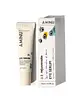 Key Ingredients
Benefits
Concerns
Ingredients Side-by-side
Water
Skin ConditioningCoffea Arabica Seed Extract
Masking

Rutinyl Succinate
Antioxidant
Methylpropanediol
SolventSiloxanetriol Alginate
Skin ConditioningCaffeine
Skin Conditioning
Glycerin
Humectant


Planktonic Exopolysaccharide 3
Butylene Glycol
Humectant
Decarboxy Carnosine Hcl
Skin ConditioningPropyl Gallate
Antioxidant


Sambucus Nigra Flower Extract
RefreshingGallyl Glucoside
Antioxidant
Epigallocatechin Gallatyl Glucoside
Antioxidant
Niacinamide
Smoothing






Fraxinus Excelsior Bark Extract
Skin ConditioningSilanetriol
Ceramide EOP
Skin Conditioning
Ceramide NP
Skin Conditioning
Ceramide Ns
Skin Conditioning
Ceramide AP
Skin Conditioning
Cholesterol
Emollient
Behenic Acid
Cleansing

Algae Extract
Emollient

Pfaffia Paniculata Root Extract
SoothingPtychopetalum Olacoides Bark/Stem Extract
Skin ConditioningLilium Candidum Flower Extract
Skin ConditioningEchinacea Angustifolia Meristem Cell Culture
Skin ConditioningPalmitoyl Tripeptide-5
Skin Conditioning
Tetradecyl Aminobutyroylvalylaminobutyric Urea Trifluoroacetate
Skin ConditioningPalmitoyl Dipeptide-5 Diaminobutyroyl Hydroxythreonine
Skin Conditioning
Hexylene Glycol
EmulsifyingAcacia Senegal Gum
MaskingXanthan Gum
EmulsifyingPolyglyceryl-10 Stearate
Skin Conditioning
Polyglyceryl-6 Behenate
Emulsion Stabilising
Hydroxypropyl Starch Phosphate
Cetearyl Alcohol
Emollient


Glyceryl Stearate
Emollient
Caprylyl Glycol
Emollient
Phenylpropanol
Masking
Sodium Cetearyl Sulfate
Cleansing
Trisodium Ethylenediamine Disuccinate
ChelatingTriethyl Citrate
Masking
Lactic Acid
Buffering
Phenethyl Alcohol
MaskingEctoin
Skin Conditioning
Hydroxyacetophenone
Antioxidant
Caprylic/Capric Triglyceride
Masking
Hydroxymethoxyphenyl Decanone
Skin ConditioningHydrolyzed Sodium Hyaluronate
Skin Conditioning
Water, Coffea Arabica Seed Extract, Rutinyl Succinate, Methylpropanediol, Siloxanetriol Alginate, Caffeine, Glycerin, Planktonic Exopolysaccharide 3, Butylene Glycol, Decarboxy Carnosine Hcl, Propyl Gallate, Sambucus Nigra Flower Extract, Gallyl Glucoside, Epigallocatechin Gallatyl Glucoside, Niacinamide, Fraxinus Excelsior Bark Extract, Silanetriol, Ceramide EOP, Ceramide NP, Ceramide Ns, Ceramide AP, Cholesterol, Behenic Acid, Algae Extract, Pfaffia Paniculata Root Extract, Ptychopetalum Olacoides Bark/Stem Extract, Lilium Candidum Flower Extract, Echinacea Angustifolia Meristem Cell Culture, Palmitoyl Tripeptide-5, Tetradecyl Aminobutyroylvalylaminobutyric Urea Trifluoroacetate, Palmitoyl Dipeptide-5 Diaminobutyroyl Hydroxythreonine, Hexylene Glycol, Acacia Senegal Gum, Xanthan Gum, Polyglyceryl-10 Stearate, Polyglyceryl-6 Behenate, Hydroxypropyl Starch Phosphate, Cetearyl Alcohol, Glyceryl Stearate, Caprylyl Glycol, Phenylpropanol, Sodium Cetearyl Sulfate, Trisodium Ethylenediamine Disuccinate, Triethyl Citrate, Lactic Acid, Phenethyl Alcohol, Ectoin, Hydroxyacetophenone, Caprylic/Capric Triglyceride, Hydroxymethoxyphenyl Decanone, Hydrolyzed Sodium Hyaluronate
Water
Skin ConditioningMethylpropanediol
SolventGlycerin
Humectant
1,2-Hexanediol
Skin Conditioning
Niacinamide
Smoothing
Adenosine
Skin Conditioning
Collagen
Moisturising
Sodium Hyaluronate
Humectant
Hydrolyzed Hyaluronic Acid
Humectant
Sodium Acetylated Hyaluronate
Humectant
Tripeptide-1
Skin Conditioning
Palmitoyl Pentapeptide-4
Skin Conditioning
Hexapeptide-9
Skin Conditioning
Acetyl Hexapeptide-8
Humectant
Copper Tripeptide-1
Skin Conditioning
Pyrus Malus Fruit Extract
Skin Conditioning
Prunus Mume Fruit Extract
Humectant
Vitis Vinifera Fruit Extract
Skin ConditioningHelianthus Annuus Seed Oil
Emollient
Simmondsia Chinensis Seed Oil
Emollient
Limnanthes Alba Seed Oil
Skin Conditioning
Carica Papaya Fruit Extract
Skin ConditioningCentella Asiatica Extract
Cleansing
Ficus Carica Fruit Extract
Humectant
Ulmus Davidiana Root Extract
Skin Conditioning
Amaranthus Caudatus Seed Extract
Skin Conditioning
Ceramide NP
Skin Conditioning
Hydrogenated Lecithin
Emulsifying
Leuconostoc/Radish Root Ferment Filtrate
Antimicrobial
Butylene Glycol
Humectant
Hydroxyethyl Acrylate/Sodium Acryloyldimethyl Taurate Copolymer
Emulsion StabilisingC13-14 Alkane
SolventSodium Acrylic Acid/Ma Copolymer
C15-23 Alkane
SolventEthylhexylglycerin
Skin ConditioningDecyl Glucoside
Cleansing
Caprylyl Glycol
Emollient
Polyglyceryl-10 Stearate
Skin Conditioning
Tocopherol
Antioxidant
Water, Methylpropanediol, Glycerin, 1,2-Hexanediol, Niacinamide, Adenosine, Collagen, Sodium Hyaluronate, Hydrolyzed Hyaluronic Acid, Sodium Acetylated Hyaluronate, Tripeptide-1, Palmitoyl Pentapeptide-4, Hexapeptide-9, Acetyl Hexapeptide-8, Copper Tripeptide-1, Pyrus Malus Fruit Extract, Prunus Mume Fruit Extract, Vitis Vinifera Fruit Extract, Helianthus Annuus Seed Oil, Simmondsia Chinensis Seed Oil, Limnanthes Alba Seed Oil, Carica Papaya Fruit Extract, Centella Asiatica Extract, Ficus Carica Fruit Extract, Ulmus Davidiana Root Extract, Amaranthus Caudatus Seed Extract, Ceramide NP, Hydrogenated Lecithin, Leuconostoc/Radish Root Ferment Filtrate, Butylene Glycol, Hydroxyethyl Acrylate/Sodium Acryloyldimethyl Taurate Copolymer, C13-14 Alkane, Sodium Acrylic Acid/Ma Copolymer, C15-23 Alkane, Ethylhexylglycerin, Decyl Glucoside, Caprylyl Glycol, Polyglyceryl-10 Stearate, Tocopherol
Reviews
Ingredients Explained
These ingredients are found in both products.
Ingredients higher up in an ingredient list are typically present in a larger amount.
Butylene Glycol (or BG) is used within cosmetic products for a few different reasons:
Overall, Butylene Glycol is a safe and well-rounded ingredient that works well with other ingredients.
Though this ingredient works well with most skin types, some people with sensitive skin may experience a reaction such as allergic rashes, closed comedones, or itchiness.
Learn more about Butylene GlycolCaprylyl Glycol is a humectant, skin conditioner, emollient, and preservative booster derived from either caprylic acid or synthetically created.
Typical use levels vary from 0.3-1% as a preservative booster and go up to 2% to condition skin.
Because it is not a free-fatty acid, this ingredient is fungal acne safe (there's nothing for Malassezia to feed on).
Learn more about Caprylyl GlycolCeramide NP (formerly known as Ceramide 3) is one of the skin's naturally occurring lipids.
Since ceramides are the major lipid components of the skin, they are crucial for maintaining skin barrier and hydration. Ceramide NP most closely mirrors the dominant kind in human skin amongst ceramide subtypes.
This ceramide works by slotting into gaps within the stratum corneum's lipid matrix to limit trans-epidermal water loss (TEWL) and shield the skin against external irritants.
A study with 312 patients found that using a ceramide-containing routine for 4 weeks reduced the severity of atopic dermatitis by over 61%.
Another clinical study in subjects aged 60 and older found that a ceramide body wash and moisturizer improved skin dryness and itchy skin in 15 days.
Overall, ceramides are considered non-irritating and safety tests have found little to no observable adverse effects from using this ingredient.
Ceramide NP is usually sourced from plants (like soybean or rice bran), or produced synthetically.
Learn more about Ceramide NPGlycerin (or glycerol) is a compound naturally found in your skin. It's a powerhouse humectant that pulls water into the stratum corneum.
Topically, glycerin does several things at once:
Your skin makes glycerin on its own (mostly from sebaceous oil breakdown) and shuttles it to your outermost layer of skin, or your epidermis, via aquaporin-3.
Aquaporin-3 is a transporter that is essential for normal skin hydration, elasticity, and repair. Interestingly, mice lacking in AQP3 have dry and less elastic skin that can be fully corrected with glycerin.
This ingredient is non-irritating, plays well with almost every ingredient, and works across all skin types. Typical use is anywhere between 3-10% but can go up to 79% in some leave-on products.
Just know very high concentrations (>40%) can feel tacky in low humidity.
Glycerin is the name for this ingredient in American English. British English uses Glycerol/Glycerine.
Learn more about GlycerinMethylpropanediol is a synthetic solvent and humectant.
As a solvent, it helps dissolve other ingredients, helping to evenly distribute ingredients throughout the product. This ingredient has also been shown to have antimicrobial properties which makes it a preservative booster.
Methylpropanediol is able to add a bit of moisture to the skin. It also helps other ingredients be better absorbed into the skin, such as salicylic acid.
Learn more about MethylpropanediolNiacinamide is a multitasking form of vitamin B3 that strengthens the skin barrier, reduces pores and dark spots, regulates oil, and improves signs of aging.
And the best part? It's gentle and well-tolerated by most skin types, including sensitive and reactive skin.
You might have heard of "niacin flush", or the reddening of skin that causes itchiness. Niacinamide has not been found to cause this.
In very rare cases, some individuals may not be able to tolerate niacinamide at all or experience an allergic reaction to it.
If you are experiencing flaking, irritation, and dryness with this ingredient, be sure to double check all your products as this ingredient can be found in all categories of skincare.
When incorporating niacinamide into your routine, look out for concentration amounts. Typically, 5% niacinamide provides benefits such as fading dark spots. However, if you have sensitive skin, it is better to begin with a smaller concentration.
When you apply niacinamide to your skin, your body converts it into nicotinamide adenine dinucleotide (NAD). NAD is an essential coenzyme that is already found in your cells as "fuel" and powers countless biological processes.
In your skin, NAD helps repair cell damage, produce new healthy cells, support collagen production, strengthen the skin barrier, and fight environmental stressors (like UV and pollution).
Our natural NAD levels start to decline with age, leading to slower skin repair, visible aging, and a weaker skin barrier. By providing your skin niacinamide, you're recharging your skin's NAD levels. This leads to stronger, healthier, and younger looking skin.
Another name for vitamin B3 is nicotinamide. This vitamin is water-soluble and our bodies don't store it. We obtain Vitamin B3 from either food or skincare. Meat, fish, wheat, yeast, and leafy greens contain vitamin B3.
The type of niacinamide used in skincare is synthetically created.
Learn more about NiacinamidePolyglyceryl-10 Stearate is a skin conditioner that is basically a fatty acid (stearic acid) hooked up to a chain of glycerin units.
It is a skin conditioning agent that helps skin feel soft, smooth, and hydrated.
Beyond that, it also helps emulsify and cleanse: it helps oil and water phases stay blended in moisturizers, serums, and cleansers.
This ingredient has been found to be safe in cosmetics at present concentrations and practices of use.
Research on Malassezia shows the yeast can metabolize stearic acid as a growth substrate; this ingredient is not fungal acne safe.
Learn more about Polyglyceryl-10 StearateWater. It's the most common cosmetic ingredient of all. You'll usually see it at the top of ingredient lists, meaning that it makes up the largest part of the product.
So why is it so popular? Water most often acts as a solvent - this means that it helps dissolve other ingredients into the formulation.
You'll also recognize water as that liquid we all need to stay alive. If you see this, drink a glass of water. Remember to stay hydrated!
Learn more about Water

