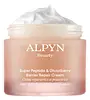
This anti-aging moisturizer is formulated around Acetyl Hexapeptide-8 and Ceramide NP to soften the look of wrinkles and strengthen the skin barrier.
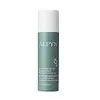
This anti-aging serum is formulated around Acetyl Hexapeptide-8 and Acetyl Octapeptide-3 to soften the look of wrinkles and refine skin texture.

What's inside
What's inside
 Key Ingredients
Benefits
Concerns
Ingredients Side-by-side
Water
Skin ConditioningGlycerin
Humectant


Caprylic/Capric/Myristic/Stearic Triglyceride
EmollientCaprylic/Capric Triglyceride
Masking
Squalane
Emollient
Candelilla/Jojoba/Rice Bran Polyglyceryl-3 Esters
Emulsifying

Coconut Alkanes
Emollient

C12-16 Alcohols
EmollientPropanediol
Solvent
Polyhydroxystearic Acid
Emulsifying
Behenyl Alcohol
Emollient
Glyceryl Stearate
Emollient
Cetearyl Alcohol
Emollient
Symphoricarpos Albus Fruit Extract
EmollientAcetyl Hexapeptide-8
Humectant
Acetyl Octapeptide-3
Humectant
Ceramide NP
Skin Conditioning


Ceramide EOP
Skin Conditioning
Ceramide Ns
Skin Conditioning
Ceramide As
Skin Conditioning
Ceramide AP
Skin Conditioning
Glyceryl Citrate/Lactate/Linoleate/Oleate
Emulsifying
1,2-Hexanediol
Skin Conditioning
Cetearyl Olivate
Hydrogenated Lecithin
Emulsifying
Nephelium Lappaceum Peel Extract
Skin ConditioningPalmitic Acid
Emollient
Sodium Stearoyl Lactylate
EmulsifyingSorbitan Olivate
Emulsifying
Caprylhydroxamic Acid
ChelatingCoco-Caprylate/Caprate
Emollient
Xanthan Gum
EmulsifyingSimmondsia Chinensis Seed Oil
Emollient
Tasmannia Lanceolata Fruit/Leaf Extract
Antioxidant
Bisabolol
Antioxidant
Sodium Hyaluronate
Humectant
Hydrolyzed Sodium Hyaluronate
Skin Conditioning
Tripeptide-29
Skin Conditioning
Hydrolyzed Pea Protein
Emollient2,3-Butanediol
HumectantLeuconostoc/Radish Root Ferment Filtrate
Antimicrobial
Hydrolyzed Rice Protein
Skin ConditioningCholesterol
Emollient
Sodium Benzoate
Masking
Water, Glycerin, Caprylic/Capric/Myristic/Stearic Triglyceride, Caprylic/Capric Triglyceride, Squalane, Candelilla/Jojoba/Rice Bran Polyglyceryl-3 Esters, Coconut Alkanes, C12-16 Alcohols, Propanediol, Polyhydroxystearic Acid, Behenyl Alcohol, Glyceryl Stearate, Cetearyl Alcohol, Symphoricarpos Albus Fruit Extract, Acetyl Hexapeptide-8, Acetyl Octapeptide-3, Ceramide NP, Ceramide EOP, Ceramide Ns, Ceramide As, Ceramide AP, Glyceryl Citrate/Lactate/Linoleate/Oleate, 1,2-Hexanediol, Cetearyl Olivate, Hydrogenated Lecithin, Nephelium Lappaceum Peel Extract, Palmitic Acid, Sodium Stearoyl Lactylate, Sorbitan Olivate, Caprylhydroxamic Acid, Coco-Caprylate/Caprate, Xanthan Gum, Simmondsia Chinensis Seed Oil, Tasmannia Lanceolata Fruit/Leaf Extract, Bisabolol, Sodium Hyaluronate, Hydrolyzed Sodium Hyaluronate, Tripeptide-29, Hydrolyzed Pea Protein, 2,3-Butanediol, Leuconostoc/Radish Root Ferment Filtrate, Hydrolyzed Rice Protein, Cholesterol, Sodium Benzoate
Water
Skin ConditioningPropanediol
Solvent
Hydrolyzed Opuntia Ficus-Indica Flower Extract
Abrasive
Aloe Barbadensis Leaf Juice
Skin Conditioning
Glycerin
Humectant
Acetyl Hexapeptide-8
Humectant
Acetyl Octapeptide-3
Humectant
Acetyl Tetrapeptide-2
Skin Conditioning
Lactic Acid
Buffering






Sodium Hyaluronate
Humectant
Urea
Buffering
Pyrus Malus Fruit Extract
Skin Conditioning
Acrylates/C10-30 Alkyl Acrylate Crosspolymer
Emulsion StabilisingHydrogenated Ethylhexyl Olivate
EmollientSclerotium Gum
Emulsion StabilisingSodium Hydroxide
BufferingPopulus Tremuloides Bark Extract
AntiseborrhoeicBenzyl Alcohol
Perfuming



Sodium Citrate
BufferingDehydroacetic Acid
Preservative
Benzoic Acid
Masking
Sodium Gluconate
ChelatingHydrogenated Olive Oil Unsaponifiables
Emollient
Yeast Amino Acids
HumectantCucumis Sativus Seed Oil
Emollient
Simmondsia Chinensis Seed Oil
Emollient
Caprylyl Glycol
Emollient
Sodium Benzoate
Masking
Prunus Davidiana Extract
Antioxidant
Beta Vulgaris Root Extract
Skin ConditioningLeuconostoc/Radish Root Ferment Filtrate
Antimicrobial
Lactobacillus Ferment
Skin Conditioning
Water, Propanediol, Hydrolyzed Opuntia Ficus-Indica Flower Extract, Aloe Barbadensis Leaf Juice, Glycerin, Acetyl Hexapeptide-8, Acetyl Octapeptide-3, Acetyl Tetrapeptide-2, Lactic Acid, Sodium Hyaluronate, Urea, Pyrus Malus Fruit Extract, Acrylates/C10-30 Alkyl Acrylate Crosspolymer, Hydrogenated Ethylhexyl Olivate, Sclerotium Gum, Sodium Hydroxide, Populus Tremuloides Bark Extract, Benzyl Alcohol, Sodium Citrate, Dehydroacetic Acid, Benzoic Acid, Sodium Gluconate, Hydrogenated Olive Oil Unsaponifiables, Yeast Amino Acids, Cucumis Sativus Seed Oil, Simmondsia Chinensis Seed Oil, Caprylyl Glycol, Sodium Benzoate, Prunus Davidiana Extract, Beta Vulgaris Root Extract, Leuconostoc/Radish Root Ferment Filtrate, Lactobacillus Ferment
Reviews
Ingredients Explained
These ingredients are found in both products.
Ingredients higher up in an ingredient list are typically present in a larger amount.
Acetyl Hexapeptide-8 (also known as Argireline) is a synthetic hexapeptide that is often called a "topical Botox alternative".
It works by mimicking how Botox relaxes muscles; it interferes with the signaling process that tells your facial muscles to contract. This can help soften expression lines like forehead wrinkles or crow's feet over time.
The comparison to Botox does have limits because the molecule is water-loving and relatively large.
Acetyl Hexapeptide-8 has a hard time absorbing deeply enough through the skin's outer barrier to actually reach the muscles.
So whether it truly works the way Botox does at a biological level is still up for debate, but early clinical outcomes are fairly encouraging.
A 12 week human study of a multi-ingredient regimen containing this ingredient saw:
While some studies have observed improvements in wrinkle appearance, it is important to note that more consistent results are seen in multi-ingredient formulations (vs just Acetyl Hexapeptide-8 alone).
Some research studies also used higher concentrations (up to 10%) while this ingredient is usually found in concentrations up to 0.005% in leave-on formulations.
Learn more about Acetyl Hexapeptide-8Acetyl Octapeptide-3 is a synthetic peptide also commonly known as SNAP-8. It is a lab-made peptide often marketed as a gentler, topical alternative to Botox.
It works by mimicking part of a protein involved in muscle contractions, which may help relax facial tension and reduce the appearance of fine lines (mostly around the eyes and forehead).
It’s considered a “next-gen” version of Argireline (Acetyl Hexapeptide-8), an older peptide with more research behind it that also supports collagen production.
SNAP-8 showed slightly better results than Argireline in one small manufacturer-funded study, but there’s limited independent research. Plus, most tests use concentrations higher than what’s typically found in skincare products.
This ingredient might offer a subtle smoothing effect but it won't don’t deliver the dramatic results of actual Botox injections.
Think of it more like a supporting actor in your skincare lineup.
Learn more about Acetyl Octapeptide-3Glycerin (or glycerol) is a compound naturally found in your skin. It's a powerhouse humectant that pulls water into the stratum corneum.
Topically, glycerin does several things at once:
Your skin makes glycerin on its own (mostly from sebaceous oil breakdown) and shuttles it to your outermost layer of skin, or your epidermis, via aquaporin-3.
Aquaporin-3 is a transporter that is essential for normal skin hydration, elasticity, and repair. Interestingly, mice lacking in AQP3 have dry and less elastic skin that can be fully corrected with glycerin.
This ingredient is non-irritating, plays well with almost every ingredient, and works across all skin types. Typical use is anywhere between 3-10% but can go up to 79% in some leave-on products.
Just know very high concentrations (>40%) can feel tacky in low humidity.
Glycerin is the name for this ingredient in American English. British English uses Glycerol/Glycerine.
Learn more about GlycerinLeuconostoc/Radish Root Ferment Filtrate is a natural preservative. It comes from fermenting radish roots with a bacteria called leuconostoc. The trade name for this ingredient is Leucidal.
Leuconostoc comes from lactic acid.
This ingredient has antimicrobial properties and helps prevent the growth of bacteria in a product.
Leuconostoc is used to make the traditional Korean side-dish, kimchi. It is also used to make sourdough bread (both incredibly yummy foods).
Learn more about Leuconostoc/Radish Root Ferment FiltratePropanediol is an all-star ingredient. It softens, hydrates, and smooths the skin.
It’s often used to:
Propanediol is not likely to cause sensitivity and considered safe to use. It is derived from corn or petroleum with a clear color and no scent.
Learn more about PropanediolJojoba oil is one of the most well-studied plant-derived ingredients in cosmetics. It is an emollient with a special structure.
Because it is made up of 97-98% wax esters, it closely mirrors the linear monoesters found in human sebum. This makes it skin compatible, non-greasy, and lightweight.
Unlike other plant oils, jojoba wax doesn't easily penetrate skin. It mostly works in the uppermost layers as an emollient. This just means it forms a light barrier on the skin to help retain moisture.
Formulations with jojoba esters up to 90% reduced transepidermal water loss (TEWL) and increased barrier recovery by 81% (outperforming bisabolol at 47%).
Besides barrier support, the science also suggests jojoba to have anti-inflammatory effects and potential applications for skin infections, aging, and wound healing.
Fun fact: Indigenous cultures have used jojoba as a moisturizer and to help treat burns for centuries.
Fungal acne: The Malassezia yeast is known to metabolize fatty acids in the C11-24 range and jojoba's dominant fatty acid components fall into this range. This ingredient may not be fungal acne safe.
Learn more about Simmondsia Chinensis Seed OilSodium Benzoate is a preservative. It's used in both cosmetic and food products to inhibit the growth of mold and bacteria. It is typically produced synthetically.
Both the US FDA and EU Health Committee have approved the use of sodium benzoate. In the US, levels of 0.1% (of the total product) are allowed.
Sodium benzoate works as a preservative by inhibiting the growth of bacteria inside of cells. It prevents the cell from fermenting a type of sugar using an enzyme called phosphofructokinase.
It is the salt of benzoic acid. Foods containing sodium benzoate include soda, salad dressings, condiments, fruit juices, wines, and snack foods.
Studies for using ascorbic acid and sodium benzoate in cosmetics are lacking, especially in skincare routines with multiple steps.
We always recommend speaking with a professional, such as a dermatologist, if you have any concerns.
Learn more about Sodium BenzoateSodium Hyaluronate is the salt form of hyaluronic acid. It is a long sugar chain that is naturally found in your skin, joints, and connective tissue that maintains hydration and elasticity.
In skincare, it works as a humectant. It pulls water from the environment and deeper layers of skin and binds it to the surface.
Interestingly, the size of the molecule affects its behavior:
Some clinical evidence links low molecular weight versions to improved wrinkle depth, elasticity, anti-inflammatory effects, and barrier repair.
Many serums use a blend of both weights so you can get surface hydration plus longer-lasting and deeper effects.
You'll typically see concentrations between 0.1-2% for this ingredient.
Learn more about Sodium HyaluronateWater. It's the most common cosmetic ingredient of all. You'll usually see it at the top of ingredient lists, meaning that it makes up the largest part of the product.
So why is it so popular? Water most often acts as a solvent - this means that it helps dissolve other ingredients into the formulation.
You'll also recognize water as that liquid we all need to stay alive. If you see this, drink a glass of water. Remember to stay hydrated!
Learn more about Water

