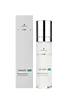
This smoothing serum is formulated around Glycolic Acid and Niacinamide to refine skin texture and brighten dull-looking skin.
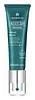
This anti-aging serum is formulated around Niacinamide and Retinol to soften the look of wrinkles and refine skin texture.

What's inside
What's inside
 Key Ingredients
Benefits
Concerns
Ingredients Side-by-side
Water
Skin ConditioningGlycolic Acid
Buffering











Cyclopentasiloxane
Emollient
Pentylene Glycol
Skin Conditioning
Shikimic Acid
Skin ConditioningNiacinamide
Smoothing


Arginine
Masking
Sodium Hyaluronate Crosspolymer
Humectant
Citric Acid
Buffering
Ammonium Hydroxide
BufferingUndecane
Emollient3-O-Ethyl Ascorbic Acid
Skin Conditioning
Polyacrylate Crosspolymer-6
Emulsion StabilisingBisabolol
Antioxidant
Lactic Acid
Buffering
Retinyl Palmitate
Skin Conditioning

Tripeptide-9 Citrulline
Skin Conditioning
Butylene Glycol
Humectant
Dimethicone
Emollient
Tridecane
Perfuming

Tocopheryl Acetate
Antioxidant
Tocopherol
Antioxidant
Decyl Glucoside
Cleansing
Lysine Hcl
Skin Conditioning
Polysilicone-11
Polyquaternium-10
Hydrogenated Lecithin
Emulsifying
Lecithin
Emollient
Sodium Magnesium Silicate
Carbomer
Emulsion StabilisingXanthan Gum
EmulsifyingCarrageenan


Ethylhexylglycerin
Skin ConditioningPropanediol
Solvent
Phenoxyethanol
Preservative
Disodium EDTA
ChelatingSodium Hydroxide
BufferingWater, Glycolic Acid, Cyclopentasiloxane, Pentylene Glycol, Shikimic Acid, Niacinamide, Arginine, Sodium Hyaluronate Crosspolymer, Citric Acid, Ammonium Hydroxide, Undecane, 3-O-Ethyl Ascorbic Acid, Polyacrylate Crosspolymer-6, Bisabolol, Lactic Acid, Retinyl Palmitate, Tripeptide-9 Citrulline, Butylene Glycol, Dimethicone, Tridecane, Tocopheryl Acetate, Tocopherol, Decyl Glucoside, Lysine Hcl, Polysilicone-11, Polyquaternium-10, Hydrogenated Lecithin, Lecithin, Sodium Magnesium Silicate, Carbomer, Xanthan Gum, Carrageenan, Ethylhexylglycerin, Propanediol, Phenoxyethanol, Disodium EDTA, Sodium Hydroxide
Cyclopentasiloxane
Emollient
Caprylyl Methicone
Skin Conditioning
C12-15 Alkyl Benzoate
AntimicrobialUndecane
EmollientDimethicone/Vinyl Dimethicone Crosspolymer
Skin Conditioning
Dimethyl Isosorbide
SolventPentylene Glycol
Skin Conditioning
Trisiloxane
Skin Conditioning
PEG-7 Glyceryl Cocoate
Emulsifying
Niacinamide
Smoothing
Tridecane
Perfuming
Sodium Hyaluronate Crosspolymer
Humectant
PEG-12 Dimethicone/PPG-20 Crosspolymer
Bisabolol
Antioxidant
Retinol
Skin Conditioning
Hydroxypinacolone Retinoate
Skin Conditioning
Ascorbic Acid
Antioxidant
Tocopheryl Acetate
Antioxidant
Silica Silylate
Emollient
Zea Mays Starch
Absorbent
Tetrahexyldecyl Ascorbate
Antioxidant
Methyl Methacrylate/Glycol Dimethacrylate Crosspolymer
Phenylpropanol
Masking
Polysorbate 20
Emulsifying
Caprylyl Glycol
Emollient
Propanediol
Solvent
Silica
Abrasive
Dimethicone
Emollient
Propyl Gallate
Antioxidant
Disodium EDTA
ChelatingBHT
Antioxidant
Tocopherol
Antioxidant
Cyclopentasiloxane, Caprylyl Methicone, C12-15 Alkyl Benzoate, Undecane, Dimethicone/Vinyl Dimethicone Crosspolymer, Dimethyl Isosorbide, Pentylene Glycol, Trisiloxane, PEG-7 Glyceryl Cocoate, Niacinamide, Tridecane, Sodium Hyaluronate Crosspolymer, PEG-12 Dimethicone/PPG-20 Crosspolymer, Bisabolol, Retinol, Hydroxypinacolone Retinoate, Ascorbic Acid, Tocopheryl Acetate, Silica Silylate, Zea Mays Starch, Tetrahexyldecyl Ascorbate, Methyl Methacrylate/Glycol Dimethacrylate Crosspolymer, Phenylpropanol, Polysorbate 20, Caprylyl Glycol, Propanediol, Silica, Dimethicone, Propyl Gallate, Disodium EDTA, BHT, Tocopherol
Ingredients Explained
These ingredients are found in both products.
Ingredients higher up in an ingredient list are typically present in a larger amount.
Bisabolol is a gentle skin conditioner, antioxidant, and soothing ingredient.
It's primary claim to fame is soothing and research shows topically applied bisabolol can quiet the chemical messengers that cause your skin to become inflamed, helping to sooth any irritation.
A clinical study found that applying 0.5% bisabolol daily for 8 weeks produced an average 9% decrease in skin pigmentation. Researchers found it can also suppress the process that leads to excess melanin production in skin.
In vitro studies found that bisabolol combined with propylene glycol significantly increased skin permeability by increasing lipid fluidity in the stratum corneum.
You'll likely see use concentrations quite low, usually 0.1-0.2%.
Overall, this is a well-tolerated ingredient that works well in formulas designed for sensitive, reactive, or post-procedure skin.
Learn more about BisabololCyclopentasiloxane (D5) is a lightweight silicone that mostly acts as an emollient and solvent in cosmetics. Its the reason your products feel silky, fast-spreading, and non-greasy.
Since D5 is volatile, it does its thing and then evaporates off the skin quickly.
The safety profile of this ingredient is reassuring; the US CIR Expert Panel concluded D5 is safe as used in cosmetics and Health Canada concluded that D5 is not harmful to human health or the environment as currently used in cosmetics
There's a study that people mention about D5 in a rat study showing tumors. This study is related to long-term inhalation of high D5 levels.
Regulatory bodies have judged this study to be not applicable in topical skincare since skin absorption of D5 is very low and we're not really inhaling huge amounts of D5.
The only restriction for this ingredient is environmental. The European Chemicals Agency (ECHA) restricted D5 in wash-off cosmetics at or above 0.1% due to their persistence in water.
Learn more about CyclopentasiloxaneDimethicone is a type of synthetic silicone created from natural materials such as quartz. It is also known as polydimethylsiloxane.
What it does:
Dimethicone comes in different viscosities:
Depending on the viscosity, dimethicone has different properties.
Ingredients lists don't always show which type is used, so we recommend reaching out to the brand if you have questions about the viscosity.
This ingredient is unlikely to cause irritation because it does not get absorbed into skin. However, people with silicone allergies should be careful about using this ingredient.
Note: Dimethicone may contribute to pilling. This is because it is not oil or water soluble, so pilling may occur when layered with products. When mixed with heavy oils in a formula, the outcome is also quite greasy.
Learn more about DimethiconeDisodium EDTA is a chelating agent. It grabs onto and deactivates metal ions that sneak into your products from water, packaging, or air.
This ingredient mainly works behind the scenes and helps with:
On top of that, this ingredient can counteract the effects of hard water by binding to the minerals in it.
One thing worth knowing is that Disodium EDTA has been shown to be a mild penetration enhancer. It can help other ingredients absorb into skin more effectively which can be a double-edged sword (great for actives, but can also make the active too strong if you have sensitive skin).
Clinical patch testing showed no significant skin irritation at typical use concentrations and minimal dermal absorption.
You'll most likely see this ingredient near the end of an ingredient list. It's typically found in concentrations less than 1%.
Learn more about Disodium EDTANiacinamide is a multitasking form of vitamin B3 that strengthens the skin barrier, reduces pores and dark spots, regulates oil, and improves signs of aging.
And the best part? It's gentle and well-tolerated by most skin types, including sensitive and reactive skin.
You might have heard of "niacin flush", or the reddening of skin that causes itchiness. Niacinamide has not been found to cause this.
In very rare cases, some individuals may not be able to tolerate niacinamide at all or experience an allergic reaction to it.
If you are experiencing flaking, irritation, and dryness with this ingredient, be sure to double check all your products as this ingredient can be found in all categories of skincare.
When incorporating niacinamide into your routine, look out for concentration amounts. Typically, 5% niacinamide provides benefits such as fading dark spots. However, if you have sensitive skin, it is better to begin with a smaller concentration.
When you apply niacinamide to your skin, your body converts it into nicotinamide adenine dinucleotide (NAD). NAD is an essential coenzyme that is already found in your cells as "fuel" and powers countless biological processes.
In your skin, NAD helps repair cell damage, produce new healthy cells, support collagen production, strengthen the skin barrier, and fight environmental stressors (like UV and pollution).
Our natural NAD levels start to decline with age, leading to slower skin repair, visible aging, and a weaker skin barrier. By providing your skin niacinamide, you're recharging your skin's NAD levels. This leads to stronger, healthier, and younger looking skin.
Another name for vitamin B3 is nicotinamide. This vitamin is water-soluble and our bodies don't store it. We obtain Vitamin B3 from either food or skincare. Meat, fish, wheat, yeast, and leafy greens contain vitamin B3.
The type of niacinamide used in skincare is synthetically created.
Learn more about NiacinamidePentylene Glycol (1,2-pentanediol) is a multitasking little diol with three main roles in a formula:
Research on alkanediols (the family pentylene glycol belongs to) show they work by disrupting microbial cell membranes. This disruption helps the primary preservative system in a product work more effectively at lower doses.
On the safety side, the Cosmetic Ingredient Review Expert Panel has concluded this ingredient to be safe as used in current cosmetic practices + concentrations.
Typical use levels in a formula run about 1-5%.
Learn more about Pentylene GlycolPropanediol is an all-star ingredient. It softens, hydrates, and smooths the skin.
It’s often used to:
Propanediol is not likely to cause sensitivity and considered safe to use. It is derived from corn or petroleum with a clear color and no scent.
Learn more about PropanediolSodium Hyaluronate Crosspolymer is a crosslinked version of sodium hyaluronate. This just means it's linked into a 3D mesh network that lets it be more stable and sit on skin as a cohesive, gel-like film rather than sinking into skin.
A 2016 human skin study found crosslinked HA increased epidermal water content by 7.6% over the control group and reduced transepidermal water loss by 27.8%.
A follow-up clinical trial found that a topical crosslinked HA serum applied after fillers, microneedling, or chemical peels was well-tolerated and enhanced skin quality at 14 / 28 days.
More recent research suggests that concentrations as low as 0.03% can act as a penetration enhancer for other skincare actives.
Learn more about Sodium Hyaluronate CrosspolymerTocopherol is a fat-soluble antioxidant known as Vitamin E.
You'll find this ingredient in the vast majority of skincare (for good reason). It works to neutralize free radicals, or unstable molecules generated by UV exposure, pollution, and other environmental stressors, before they can cause oxidative damage to your skin cells.
Topically applied tocopherol has been shown to protect against UV damage by ramping up the skin's own natural defense enzymes.
It also acts as a skin conditioning agent; some studies show that regular topical use can improve the skin's water-binding capacity over 2-4 weeks.
This ingredient is especially loved for being a team player. When combined with Vitamin C, the photoprotective effect of both ingredients roughly doubles and the combo also helps reduce UV-induced DNA damage.
This ingredient has some brightening potential but it's more of a prevention ingredient than spot-fader. Cell studies show it can slow down melanin production but it's worth noting that it's not the most powerful brightener out there.
In formulations, it also serves as a stabilizer that helps protect other oxidation-prone ingredients from degrading.
Concentrations usually range from 0.1-1% in most leave-on products.
Learn more about TocopherolTocopheryl Acetate is a stable, shelf-friendly form of vitamin E.
Formulators love it because plain vitamin E oxidizes quickly once it hits air. This acetate version stays stable and resists going off, helping to extend a product's shelf life.
It's actually inactive on its own and works like a slow-release "storage" form; the enzymes in your skin called esterases gradually convert it into active vitamin E over time.
One in vivo study showed 5% of the acetate in the living layer of the epidermis converted to vitamin E after 5 days of application. This study also found the skin gained protection against UV damage even though the conversion was slow and small.
Once converted, vitamin E acts as a skin's main fat-soluble antioxidant that fights free radicals to protect skin from damage.
Topical vitamin E generally boosts the skin's photoprotection, and it reduced UV-damage in animal models.
This ingredient has some brightening potential but it's more of a prevention ingredient than spot-fader. Cell studies show it can slow down melanin production but it's worth noting that it's not the most powerful brightener out there.
Overall, it has a pretty solid safety profile and has been found to be non-irritating and non-comedogenic. Allergic reactions may happen but stay rare due to how widely the ingredient gets used.
The concentration will vary depending on the formula; industry data shows 0.1% in baby lotions, 3% in lipsticks, and 5% in foot powders. You can also find this ingredient at 100% in a pure vitamin E oil.
Most leave-on skincare keeps it at the lower end, often between 0.5-1%.
Learn more about Tocopheryl AcetateTridecane is a lightweight emollient and fragrancing ingredient. It is a paraffin and often called a silicone alternative.
According to official INCI guidelines, this ingredient is used to give a light odor to raw materials. It is often used as a starter ingredient to create parfum.
This ingredient can be derived from palm oil, or coconut oil. It is also naturally found in certain species of organisms.
According to the NOAA, this ingredient can cause skin sensitivity with prolonged use. However, this warning is taken from the Coast Guard and no studies have been done on this in relation to cosmetics.
Tridecane is not water soluble.
Learn more about TridecaneUndecane is an emollient and helps create a lightweight base for products.
Is is not soluble in water and naturally occurring in some species.


