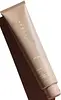
This hybrid sunscreen covers the full UV range and blocks ~98% of UVB at SPF 50.
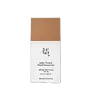
This mineral sunscreen covers the full UV range and blocks ~98% of UVB at SPF 40.


What's inside
What's inside
 Key Ingredients
Benefits
Concerns
Ingredients Side-by-side
Water
Skin ConditioningButyloctyl Salicylate
Skin Conditioning
Propanediol
Solvent

Titanium Dioxide
Cosmetic Colorant
Coco-Caprylate/Caprate
Emollient
Glyceryl Stearate Citrate
Emollient

Mica
Cosmetic ColorantHydroxyapatite
Abrasive

Cyclohexasiloxane
Emollient
Cyclopentasiloxane
Emollient
Glyceryl Stearate
Emollient
Hydrolyzed Soy Protein
Humectant
Niacinamide
Smoothing









Tocopheryl Acetate
Antioxidant

Butyrospermum Parkii Butter
Skin Conditioning


Decyl Glucoside
Cleansing
Potassium Cetyl Phosphate
EmulsifyingHydroxyacetophenone
Antioxidant
Carbomer
Emulsion StabilisingPotassium Hydroxide
BufferingGlycine Soja Oil
Emollient
Disodium EDTA
Ascorbyl Tetraisopalmitate
Antioxidant
Ethyl Linoleate
Emollient

Sodium Hyaluronate
Humectant
Rice Amino Acids
Skin Conditioning
Polyglyceryl-3 Diisostearate
Emulsifying
Oryza Sativa Extract
Absorbent
Proline
Skin Conditioning
Hydrolyzed Adansonia Digitata Seed Extract
Oryza Sativa Germ Extract
EmollientCI 77492
Cosmetic ColorantCI 77491
Cosmetic ColorantParfum
Masking
Homosalate 6%
Skin Conditioning
Octocrylene 6%
UV Absorber
Butyl Methoxydibenzoylmethane 3%
UV Absorber
Ethylhexyl Salicylate 3%
UV Absorber
Phenoxyethanol
Preservative
Ethylhexylglycerin
Skin ConditioningWater, Butyloctyl Salicylate, Propanediol, Titanium Dioxide, Coco-Caprylate/Caprate, Glyceryl Stearate Citrate, Mica, Hydroxyapatite, Cyclohexasiloxane, Cyclopentasiloxane, Glyceryl Stearate, Hydrolyzed Soy Protein, Niacinamide, Tocopheryl Acetate, Butyrospermum Parkii Butter, Decyl Glucoside, Potassium Cetyl Phosphate, Hydroxyacetophenone, Carbomer, Potassium Hydroxide, Glycine Soja Oil, Disodium EDTA, Ascorbyl Tetraisopalmitate, Ethyl Linoleate, Sodium Hyaluronate, Rice Amino Acids, Polyglyceryl-3 Diisostearate, Oryza Sativa Extract, Proline, Hydrolyzed Adansonia Digitata Seed Extract, Oryza Sativa Germ Extract, CI 77492, CI 77491, Parfum, Homosalate 6%, Octocrylene 6%, Butyl Methoxydibenzoylmethane 3%, Ethylhexyl Salicylate 3%, Phenoxyethanol, Ethylhexylglycerin
Zinc Oxide
Cosmetic Colorant
Water
Skin ConditioningButyloctyl Salicylate
Skin Conditioning
Isopropyl Myristate
Emollient
Coco-Caprylate/Caprate
Emollient
Caprylic/Capric Triglyceride
Masking
Neopentyl Glycol Diheptanoate
EmollientCI 77492
Cosmetic ColorantEthylhexyl Isononanoate
EmollientAlcohol Denat.
Antimicrobial

Polyglyceryl-3 Polyricinoleate
Emulsifying
Butylene Glycol
Humectant
C12-15 Alkyl Benzoate
AntimicrobialPropanediol
Solvent
Silica
Abrasive
Methyl Methacrylate Crosspolymer
CI 77491
Cosmetic ColorantStearic Acid
Cleansing
Polyglyceryl-6 Polyhydroxystearate
Emulsifying
Hydrogenated Olive Oil Unsaponifiables
Emollient
Artemisia Capillaris Extract
Polyglyceryl-4 Diisostearate/Polyhydroxystearate/Sebacate
Emulsifying
Stearalkonium Hectorite
Gel FormingUndecane
Emollient1,2-Hexanediol
Skin Conditioning
Polyglyceryl-6 Polyricinoleate
Emulsifying
Hydroxyacetophenone
Antioxidant
Tridecane
Perfuming
Isopropyl Titanium Triisostearate
Emollient
Polyglycerin-6
HumectantTocopherol
Antioxidant
Ascorbyl Palmitate
Antioxidant
CI 77499
Cosmetic ColorantZinc Oxide, Water, Butyloctyl Salicylate, Isopropyl Myristate, Coco-Caprylate/Caprate, Caprylic/Capric Triglyceride, Neopentyl Glycol Diheptanoate, CI 77492, Ethylhexyl Isononanoate, Alcohol Denat., Polyglyceryl-3 Polyricinoleate, Butylene Glycol, C12-15 Alkyl Benzoate, Propanediol, Silica, Methyl Methacrylate Crosspolymer, CI 77491, Stearic Acid, Polyglyceryl-6 Polyhydroxystearate, Hydrogenated Olive Oil Unsaponifiables, Artemisia Capillaris Extract, Polyglyceryl-4 Diisostearate/Polyhydroxystearate/Sebacate, Stearalkonium Hectorite, Undecane, 1,2-Hexanediol, Polyglyceryl-6 Polyricinoleate, Hydroxyacetophenone, Tridecane, Isopropyl Titanium Triisostearate, Polyglycerin-6, Tocopherol, Ascorbyl Palmitate, CI 77499
Reviews
Ingredients Explained
These ingredients are found in both products.
Ingredients higher up in an ingredient list are typically present in a larger amount.
Butyloctyl Salicylate is a chemical UV filter structurally similar to octisalate. It is a photostabilizer, SPF booster, emollient and solvent. This ingredient helps evenly spread out ingredients.
According to a manufacturer, it is suitable for pairing with micro Titanium Dioxide, Zinc Oxide, and pigments.
Photostabilizers help stabilize UV-filters and prevents them from degrading quickly.
Learn more about Butyloctyl SalicylateCi 77491 is also hydrated iron III oxide. It's sole purpose is to give a red/pink hue to products.
Iron III oxides are classified as inorganic chemicals for coloring.
Synthetically created Ci 77491 is considered safer than those naturally found. This is because the synthetically created version may contain less impurities. Iron oxides are generally non-toxic and non-allergenic.
Learn more about CI 77491CI 77492 is also hydrated iron III oxide. It's sole purpose is to give a yellow hue to products.
Iron III oxides are classified as inorganic chemicals for coloring.
Synthetically created CI 77492 is considered safer than those naturally found. This is because the synthetically created version may contain less impurities. Iron oxides are generally non-toxic and non-allergenic.
Learn more about CI 77492Coco-Caprylate/Caprate is a lightweight ester created from coconut oil fatty acids, caprylic acid, and capric acid.
It is an emollient that helps soften skin and reduce transepidermal water loss (TEWL). What sets it apart from heavier emollients is its ultralight, non-greasy feel.
Once applied, this ingredient dries down quickly and leaves a dry, silky finish behind. This also helps improve spreadability and texture.
This ingredient has an excellent safety-record and is non-irritating.
Typical concentrations for cosmetics range from 0.5-62%.
Research on Malassezia growth found no growth on fatty acid esters with chain lengths shorter than 12 carbons (it prefers C11-24).
Since Coco-Caprylate/Caprate is built on C8 and C10 fatty acids, it is out of the range that Malassezia metabolizes, and therefore safe for fungal acne.
Learn more about Coco-Caprylate/CaprateHydroxyacetophenone is a small phenolic molecule that earns its place in a formulas as an antioxidant and preservative booster.
As a phenol, it is able to neutralize free radicals to protect both the product and the skin from oxidative stress.
Though it can't kill microbes on its own, it works as a good supporting agent when combined with other preservatives like Phenoxyethanol or 1,2-Hexanediol.
This ingredient naturally occurs as piceol in Norwegian spruce needles (~0.4-1.1% dry weight and in cloudberries). Though the cosmetic-grade material is synthesized for purity and consistency.
You'll usually see it used at low levels and suppliers recommend up to 1% added to a water phase.
Safety testing was done at concentrations like 0.05% in SPF products and 0.5% in a Human Repeated Insult Patch Test. The safety evidence is assuring; this ingredient is safe for cosmetics in current use and also holds safety status as a food flavoring as well.
An honest caveat: the "soothing" and "anti-inflammatory" claims come mostly from supplier marketing rather than published clinical trials. The Cosmetic Ingredient Review's own literature search found no useful efficacy studies on this ingredient.
So the antioxidant and preservative-boosting roles are the well supported ones while the calming benefit is plausible but thinly evidenced.
Overall, this is a well-tolerated, low-irritation multitasker that quietly helps a formula stay fresh and stable.
Learn more about HydroxyacetophenonePropanediol is an all-star ingredient. It softens, hydrates, and smooths the skin.
It’s often used to:
Propanediol is not likely to cause sensitivity and considered safe to use. It is derived from corn or petroleum with a clear color and no scent.
Learn more about PropanediolWater. It's the most common cosmetic ingredient of all. You'll usually see it at the top of ingredient lists, meaning that it makes up the largest part of the product.
So why is it so popular? Water most often acts as a solvent - this means that it helps dissolve other ingredients into the formulation.
You'll also recognize water as that liquid we all need to stay alive. If you see this, drink a glass of water. Remember to stay hydrated!
Learn more about Water

